That is 0 articles you have read today.
The Aporia is free and carries no advertising, so readers are the only
thing paying for it. If you are getting this much out of it, a small
donation is what keeps it independent.
Daily limit reached
You have read 0 articles today.
That is more than the 15 a day The Aporia gives away,
and well past what it can carry on nothing. Your allowance resets at
midnight.
There is no advertising here and nothing about you is sold, so readers
are the only thing paying for it. If the site is worth this much of
your day, it is worth a few dollars.
Everything else stays open: the
maps, the
directory and
search do
not count against this, and neither does re-opening something you have
already read today.
The Guardian
· collected 2026-09-28 · by Heather Stewart Economics editor
John Healey delivered his first conference speech as chancellor, presenting an optimistic vision for Britain’s economic future with opportunities for young people and new industries. However, he provided little detail on how to finance these plans, especially given current fiscal challenges like rising borrowing costs and high energy prices. He emphasized the need for fiscal discipline while criticizing the Conservatives for increasing national debt over their 14-year tenure in power.
Written locally by qwen2.5:14b on 2026-10-02,
using this article's own text rather than the other coverage of the
same event (that is the story summary below).
Story summary
On Monday at the Labour Party conference in Liverpool, John Healey, newly appointed Chancellor, pledged a "new age of industrialisation" for Britain. He emphasized his vision by referencing Britain's past industries and highlighted support for advanced manufacturing parks and shipbuilding. Specifically, he announced plans to invest £300 million in factories across Derby, Bristol, Glasgow, and Rotherham, with an additional £100 million fund for local mayors to boost apprenticeships. He also confirmed backing for British shipbuilding projects, including a new £100 million investment.
Despite his optimistic outlook, concerns were raised about the state of public finances amid surging inflation and economic pressures. Critics argued that his speech lacked specifics on how these ambitious plans would be funded without causing tax hikes or further straining Britain's debt burden. Healey faced mounting pressure to provide a clear fiscal strategy ahead of his first Budget in November. Meanwhile, Rolls-Royce confirmed significant investments across various British locations, reflecting optimism in the industrial sector under Labour’s policies. However, some observers noted that these promises might not be sufficient without substantial economic reforms and addressing issues like lower immigration forecasts impacting Treasury revenue estimates. Critics also highlighted the need for detailed plans to reassure financial markets about fiscal responsibility.
Written for “UK Industrialization Plan” on 2026-10-05,
grounded in this article and the 11 other(s) covering the same event.
Claims extracted
16
claim-shaped sentences
Uncertain
6%
1 of 16 hedged
Leaning
Leans left
of the writing, not the subject · beta estimate
Correction & hedging signals
68.3
corrections and hedging in what we collected;
not a measure of accuracy
Outlets on this story
12
Politics
Narrative spread
1
articles carrying this framing
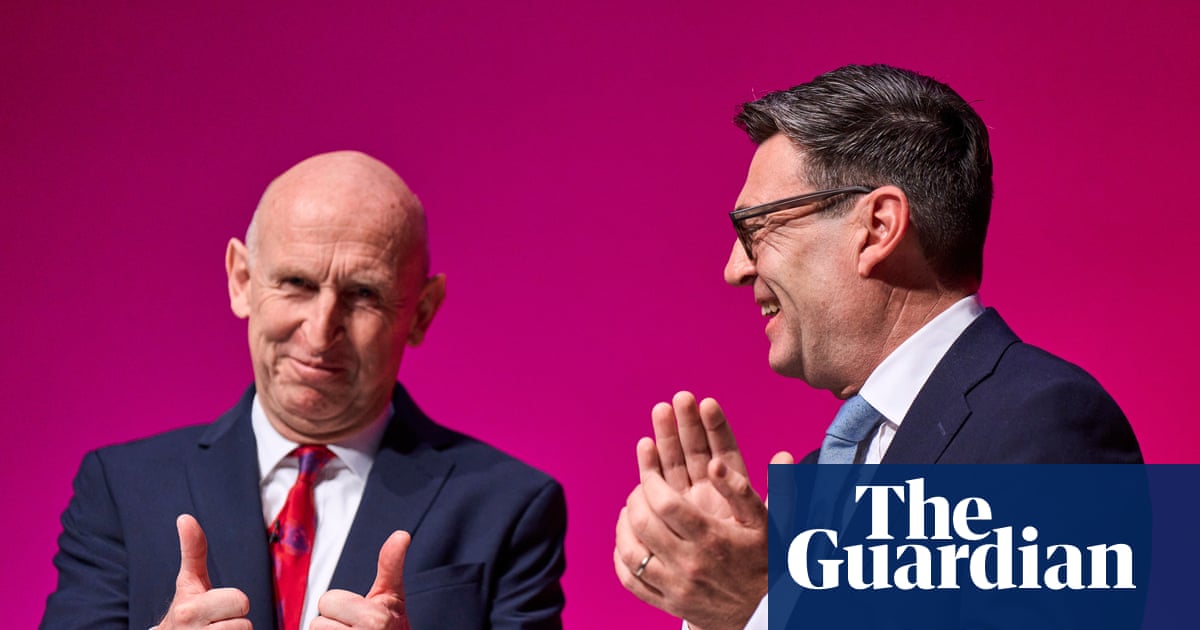
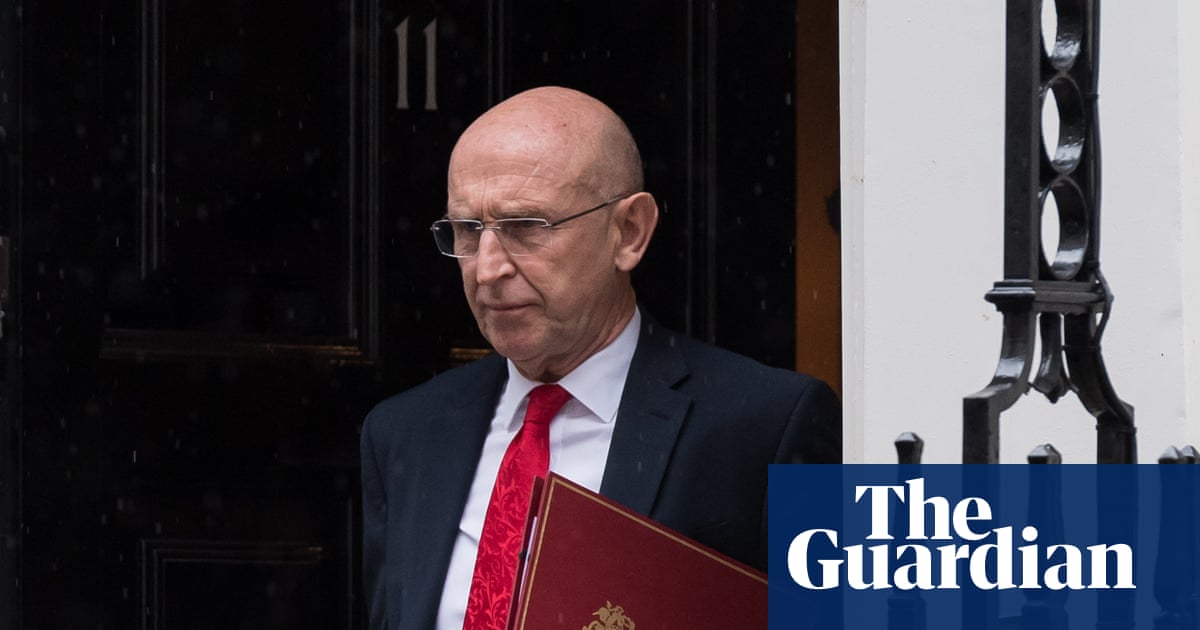
John Healey cheered the Labour faithful with his first conference speech as chancellor, offering an upbeat vision of a reindustrialised Britain with fresh opportunities for young people – but gave little sense of how he intends to pay for Andy Burnham’s radical plans.
asserted
he → cheer → plans
Healey’s budget next month is widely seen both inside and outside Labour as the moment when the prime minister’s radical rhetoric about ditching 40 years of neoliberal orthodoxy risks colliding with fiscal reality.
asserted
rhetoric → see → reality
With the global bond sell-off driving up government borrowing costs, and eye-watering energy prices likely to push up household bills in the new year, he did deliver some home truths to Labour members and cabinet colleagues.
asserted
he → drive → members
He deliberately and repeatedly highlighted his role in the last Labour government, as an aide to Gordon Brown, at one point recalling lending him a tie to deliver his conference speech, which Healey was wearing as he spoke, as a neat nod to that era.
asserted
he → highlight → era
But he warned: “The money New Labour had in the 90s is simply not there now.”
asserted
Labour → warn → 90s
He said: “The worldwide economic shocks – conflicts, trade tensions – are felt hard at home.
asserted
shocks → say → home
Britain has it harder now.”
asserted
Britain → have → it
Like Rachel Reeves before him, Healey sought to argue that fixing the public finances was a precondition for rebuilding the economy.
asserted
fixing → seek → economy
It underwrites every promise this government makes …
asserted
government → underwrite → promise
we can’t succeed without it.”
asserted
we → succeed → it
Attacking the Conservatives for driving the UK further into the red during their 14 years in power, he claimed that current levels of UK debt were “an assault on our common sense; they’re an affront to our values” – although Reeves deliberately redefined the government’s fiscal rules to allow more borrowing to fund long-term investment, which Healey presumably doesn’t resile from.
asserted
Healey → attack → which
Much of the speech hailed the benefits of new industries, creating good jobs for young people – including via new local apprenticeship teams, to be overseen by local mayors and matching firms to young people.
asserted
Much → hail → people
“These times demand of us a greater resolve, a greater determination and a greater hope,” he said, promising to pursue what he called the “moral duty” of finding work for the almost 1 million young people not in education, employment or training (Neet), echoing language also used by the work and pensions secretary, Pat McFadden.
asserted
he → demand → secretary
Healey claimed that many of the Neets could form “the future workforce of a reindustrialised Britain”, adding that he hoped they could move “from generation jeopardy to generation hope”.
uncertain
they → claim → hope
He also sought to fill in some of his own personal story to those outside the hall less familiar with a man who, he said, had given his first Labour conference speech a full 40 years ago, in 1986.
asserted
he → seek → 1986
He spoke of his wife, Jackie, whom he became engaged with a fortnight after their first meeting at a Labour function, and his first job as a pot washer in a pub, which taught him the joys of a hand-pulled pint.
Yet he threw little light on how he was approaching a budget now exactly a month away, other than to recommit to Reeves’s determination to balance the books, which will take more than optimism and a good story.
asserted
which → speak → optimism
 The Aporia