That is 0 articles you have read today.
The Aporia is free and carries no advertising, so readers are the only
thing paying for it. If you are getting this much out of it, a small
donation is what keeps it independent.
Daily limit reached
You have read 0 articles today.
That is more than the 15 a day The Aporia gives away,
and well past what it can carry on nothing. Your allowance resets at
midnight.
There is no advertising here and nothing about you is sold, so readers
are the only thing paying for it. If the site is worth this much of
your day, it is worth a few dollars.
Everything else stays open: the
maps, the
directory and
search do
not count against this, and neither does re-opening something you have
already read today.
Vice President JD Vance told The Washington Post in an interview aboard Air Force Two that the ongoing U.S.-Iran conflict will enter a "much different phase" right after the midterms, as per the president's prediction. He noted that Iran has lost control over the Strait of Hormuz, a critical global energy chokepoint through which about 20% of the world’s seaborne oil passes. Despite this progress, Vance acknowledged ongoing Iranian attacks on commercial shipping and U.S. military bases, though he emphasized that the U.S. is not engaging in aggressive operations but rather defending against sporadic Iranian strikes.
Written by the local model on 2026-09-15,
using this article's own text rather than the other coverage of the
same event.
Why this leaning score
The model judged this article politically coded and scored it +0.35, but none of the 2 quote(s) it offered could be found in the article text, so the score is not published.
Written under an earlier scoring contract, which gave a paragraph
rather than checkable quotes. Re-analysing this article replaces it.
Leaning score withheld for article 11977: no verified evidence · logged 2026-09-15
The US conflict with Iran will enter a “much different phase in a couple of months,” Vice President JD Vance told the Post in an exclusive interview, agreeing with the president that the war would conclude “right after” the midterms following months of tit-for-tat strikes between Washington and Tehran.
asserted
war → enter → Washington
The vice president said in a sit-down aboard Air Force Two on Monday that the Iranian regime would continue to lose control over the Strait of Hormuz until the election, now that the critical global energy chokepoint has “returned to well over 50% of normal traffic.”
asserted
chokepoint → say → traffic
“We can’t predict the future, but I think the president is right to say that this thing will enter a much different phase in a couple of months,” Vance said.
asserted
Vance → predict → months
“He’s also the commander in chief, so he’s the person who determines … when conflicts start and when they stop.”
asserted
they → ’ → chief
“I certainly understand there’s some impatience from the American people, but fundamentally what’s happening right now is that the United States is not engaged in aggressive operations.
asserted
States → understand → operations
We’re just not,” he added.
asserted
he → ’re → ?
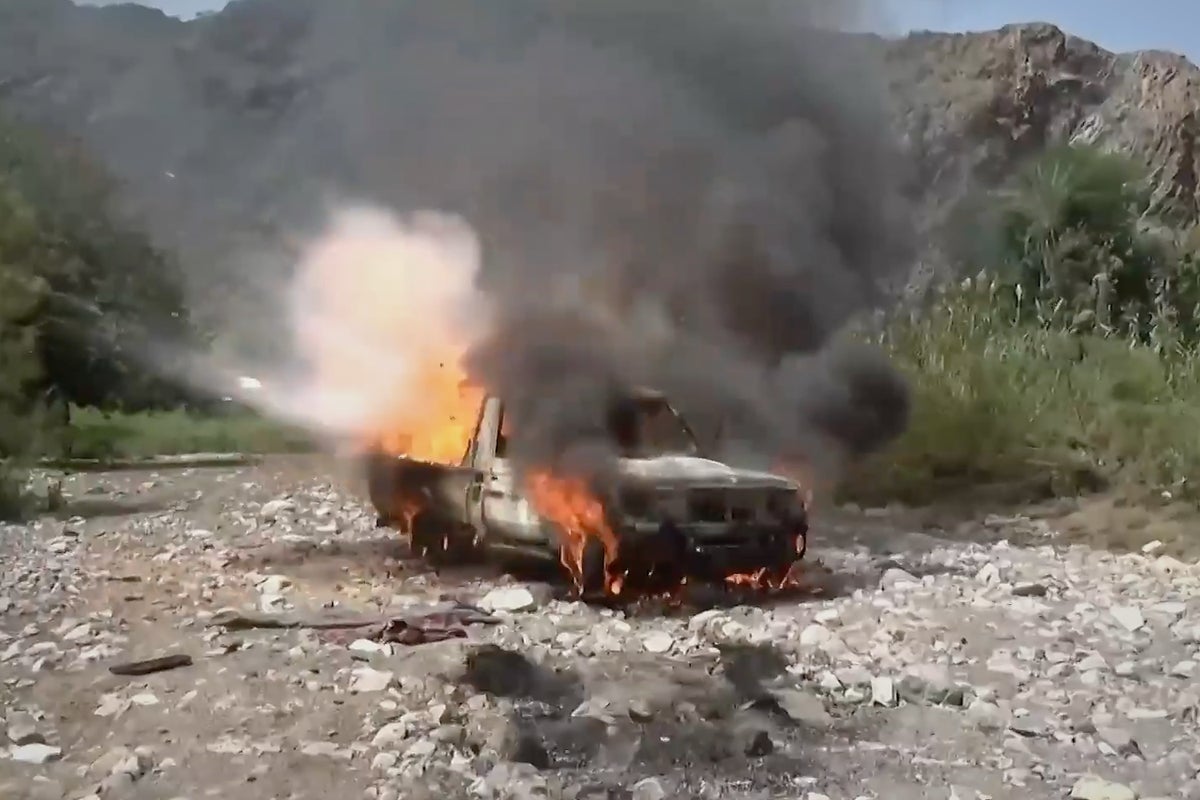
“But what is happening is that the Iranians are occasionally shooting at commercial shipping, usually not successfully,” Vance said.
asserted
Vance → happen → shipping
Navy SEALS have de-mined much of the strait in the past four months, but crossings remain far below their pre-war levels.
asserted
crossings → de → levels
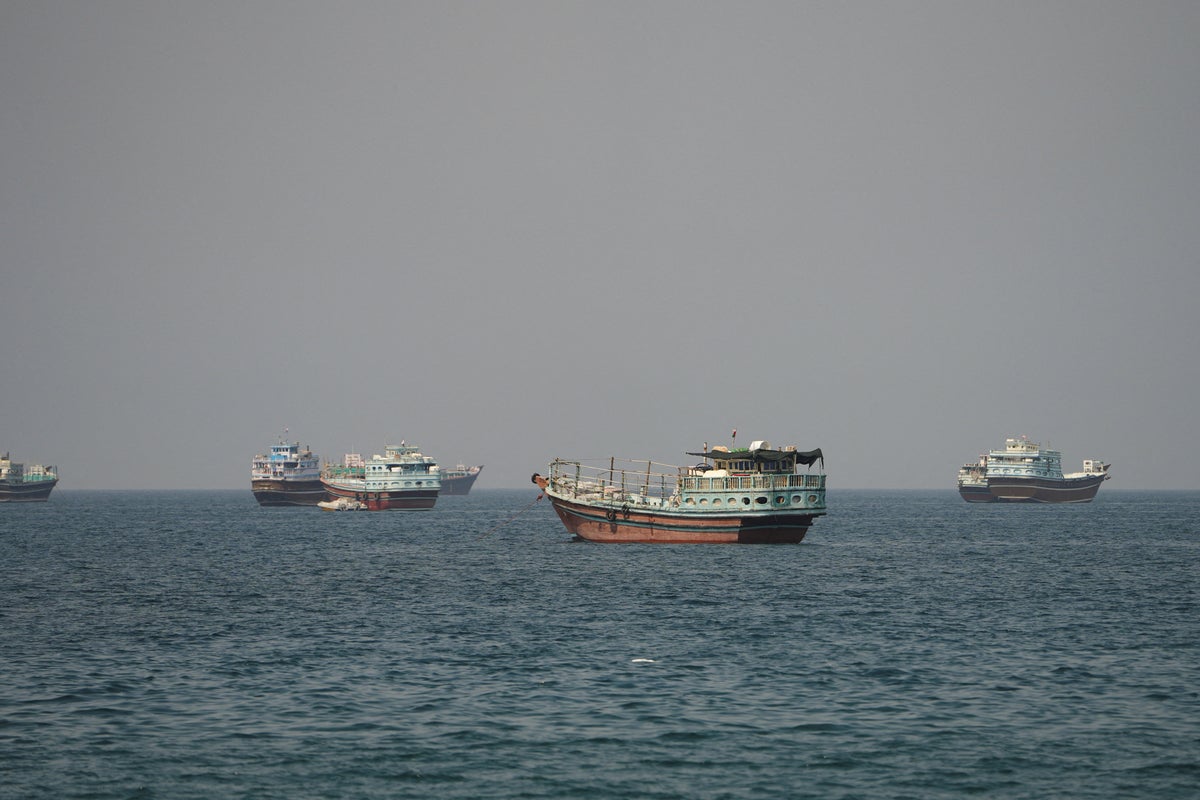
Just 11 commercial vessels transited the strait in the last 24 hours, according to shipping trackers, whereas on average 130 crossed the waterway between Oman and Iran before the war.
However, for months the US has quietly escorted commercial oil tankers with their transponders turned off to evade attacks from Iran, and these so-called “dark” missions are not easily tracked by public numbers.
uncertain
missions → transit → numbers
Roughly 20% of the world’s seaborne oil flows through Hormuz.
asserted
% → flow → Hormuz
The US has degraded most of Iran’s missile and drone capabilities, but Tehran is also still intermittently striking commercial vessels in the strait and launching attacks on American military bases in the Middle East.
asserted
Tehran → degrade → East
Gulf allies have also been targeted, with Trump recently suggesting last weekend that damage to Saudi Arabia’s East-West oil pipeline was caused by Iranian drones.
asserted
damage → target → drones
American forces have also targeted Iranian oil tankers, while the US Treasury has sanctioned banks and other entities keeping the regime’s war machine afloat financially.
asserted
Treasury → target → machine
“There are really two phases to this thing, and the first phase is done,” Vance continued.
asserted
Vance → be → thing
“The first phase was destroy the nuclear program, destroy their conventional military, destroy their ability to project power in a way that they were able to even a couple of years ago.
asserted
they → destroy → years
“And then the second phase of this is ensure that they’re not able to rebuild and try to maintain as much global stability in the wake of that,” he also said.
asserted
he → ensure → that
Vance had been the architect of a Memorandum of Understanding in mid-June between the US and Iran that initiated a cease-fire to pursue negotiations over Tehran’s nuclear program and wind down the conflict.
asserted
that → initiate → conflict
It’s unclear whether Trump will ramp up attacks after the midterm elections to finish the job, or find that Iran is more agreeable to make a deal.
uncertain
Iran → ’ → deal
Trump told reporters last Wednesday before heading to the Republican midterm convention in Dallas that “right after the election, oil prices are going to be tumbling downward.”
“I think the war will end immediately after the election because they can’t hold out any longer,” he added.
asserted
he → tell → election
 The Aporia