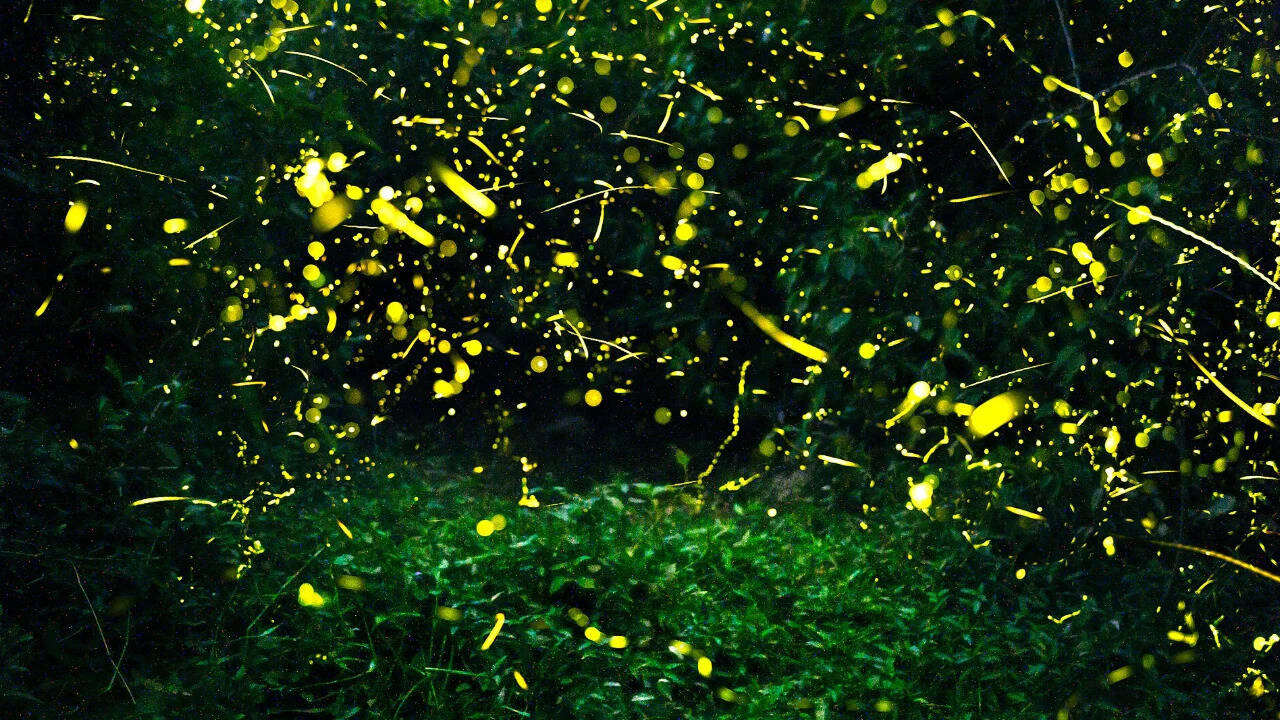
Photo via Times of India

A birdwatcher in Canada spotted a rare songbird absent from his county for over five years

Read the original at Times of India ↗
Cite

TOI Science Desk. (2026, November 22). A birdwatcher in Canada spotted a rare songbird absent from his county for over five years. Times of India. https://timesofindia.indiatimes.com/science/nature/a-birdwatcher-in-canada-spotted-a-rare-songbird-absent-from-his-county-for-over-five-years-its-leg-bands-revealed-it-hatched-at-a-smithsonian-centre-in-virginia-and-was-released-in-ontario/articleshow/135938685.cms

Dated from the outlet's own feed. Check the original for its byline.

Times of India · collected 2026-11-22 · by TOI Science Desk

Quick Summary

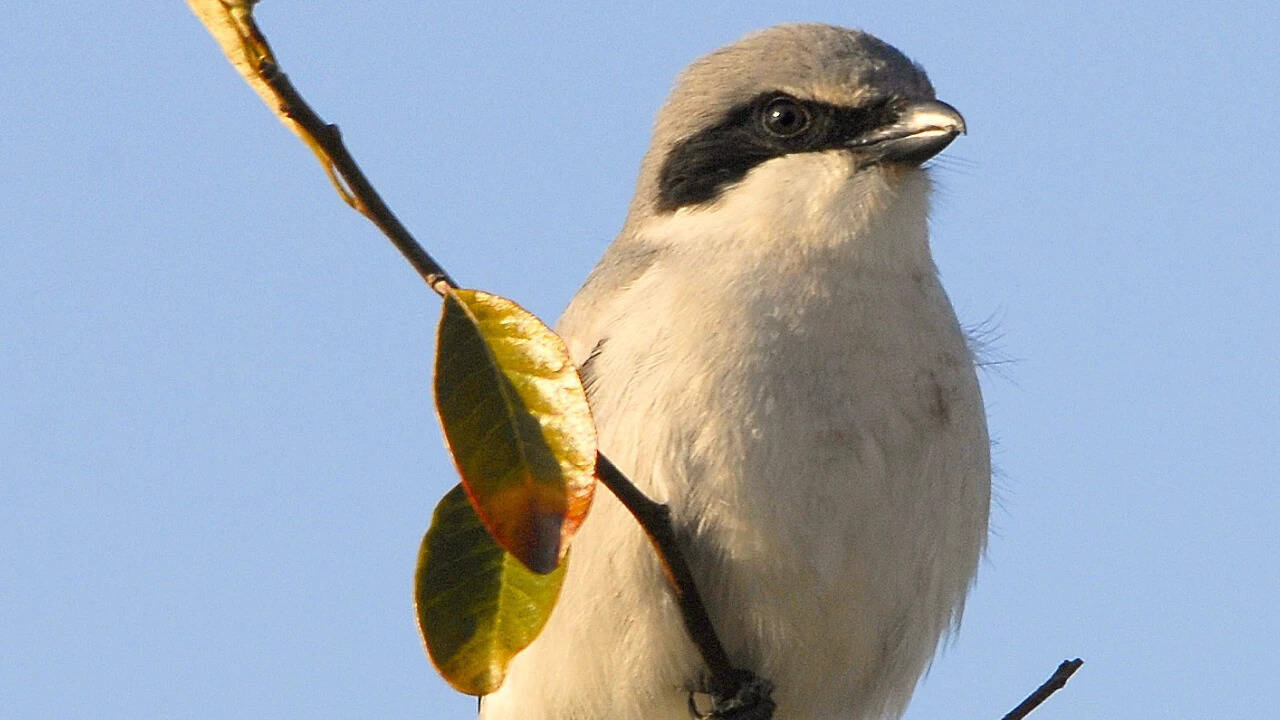
Paul Jones, a Canadian birdwatcher, spotted a loggerhead shrike, an endangered species in Ontario, perched on an electrical wire in September. The bird had distinctive markings and leg bands that identified it as hatched at the Smithsonian's National Zoo in Virginia and released in Ontario in August. This sighting, after a five-year absence, indicates the bird's successful migration to the south, validating conservation efforts. The loggerhead shrike, known as the "butcherbird," is notable for its unique hunting technique of impaling prey on sharp objects for storage or territorial display.
Written by AI on 2026-11-23, from this article's own text only (the story summary below draws on all the coverage).

AI analysis

Story summary

A Canadian birdwatcher named Paul Jones spotted a loggerhead shrike (Lanius ludovicianus migrans) in Ontario in September 2026, an area where the species had not been recorded for over five years. Jones initially thought it was a kingbird but, upon closer inspection, identified the bird through its distinctive features and leg bands. According to the Smithsonian's National Zoo, the bird's leg bands showed an orange over white band on one leg and a blue over metal band on the other, indicating its origins. The bands revealed the bird had traveled from Virginia to Ontario, providing valuable data on the bird's migration patterns and population changes. Jones's sighting highlights the importance of citizen science and birdwatchers in tracking endangered species and their movements.

Written for “Rare Songbird Spotted In Canada” on 2026-11-23, grounded in this article and the 0 other(s) covering the same event.

Compared with similar articles

Nothing to compare against. No article is close enough to this one for the pipeline to have linked or judged the pair.

Story

Rare Songbird Spotted In Canada
Environment · 1 article(s) covering the same event.
How this article was measured signals, leaning charts, publisher record, byline, topics and claims

Signals How these are calculated →

Claims extracted
32
sentences that state something as happening or true
Uncertain
9%
3 of 32 hedged ("reportedly", "may", "according to")
Leaning
not political
takes no side on a contested political question
Publisher signals
58/100
Times of India's corrections and hedging, across everything collected from it. Not a measure of accuracy.
Outlets on this story
1
Environment
Same framing elsewhere
1
articles that frame the event the way this one does
Analyzed 2026-11-23 · how these are computed

How this is being covered How these are calculated →

Article leaning vs. publisher reliability
Source leaning vs. consistency

Publisher

Times of India · 5611 article(s) · 8 correction(s) detected
Running correction rate · 8 correction(s)

Who wrote this

TOI Science Desk
345 article(s) here · 1 carrying a prediction
They found that temperature may have influenced when the snakes arrived, entered their shelters, and left in warmer weather.
Initially thinking it might be a kingbird, Jones stopped his car and reached for his binoculars, hoping to get a closer look.
It is a snake so distinct that it differs from any that you may have typically come across.
A string of amber flashes gives it away The first sighting was recorded on May 15, 2026, when an observer named Aljoscha Nern spotted male similar fireflies flashing over a meadow in Virginia.
What might look like a particularly crowded beach day is, in fact, a matter of survival for one of the Arctic's largest marine mammals.
Its vertebrae could have belonged to a prehistoric snake, an early relative of crocodiles or a young dinosaur.
The world today is such that we are able to track everything, from the flight of our loved ones to how long it would take for our food to arrive.
Under the project, the California Department of Fish and Wildlife along with the Yosemite Rivers Alliance will carve out four acres of new side channels and reconnect another sixteen acres of historic floodplain to the river.
They will be coming in raw excavated form with a lot of work still remaining to be done on them.
And while most people might hesitate before bringing home one rescued animal, Cramer once found herself looking after more than 600 baby turtles at once.
Wire or desk byline, not an individual reporter.
Also by TOI Science Desk
Nothing else under this byline is closely related to this article, so these are simply their most recent.
All 345 articles by TOI Science Desk →

Topics

Canadian Ontario Smithsonian Virginia Washington

Subjects

Ontario GPE · 4× Smithsonian ORG · 4× Jones PERSON · 3× Virginia PERSON · 2× Washington GPE · 2× Wildlife Preservation Canada's ORG · 2× Canadian NORP · 1× DJ Washington PERSON · 1× National Zoo ORG · 1× Paul Jones PERSON · 1×

Narrative

By photographing birds, recording their sightings and sharing observations through platforms such as eBird, they provide researchers with information that can help establish where particular species are appearing and how their populations are changing.
framing: assertive · carried by 1 article(s) · first seen 2026-11-23
Initially thinking it might be a kingbird, Jones stopped his car and reached for his binoculars, hoping to get a closer look.

Claims (32 extracted, 3 hedged)

A routine drive along a county road in Ontario turned into an unexpected wildlife encounter for Canadian birdwatcher Paul Jones, who spotted a rather peculiar bird perched on an electrical wire in September. asserted
who → turn → September
Initially thinking it might be a kingbird, Jones stopped his car and reached for his binoculars, hoping to get a closer look. uncertain
Jones → think → look
What he found, however, was incredibly rarer. asserted
found → find → What
A loggerhead shrike ( Lanius ludovicianus migrans), an endangered songbird in Ontario, had appeared in an area where the species had not been recorded for over five years. asserted
species → appear → years
According to the Smithsonian's National Zoo, in a report dated November 10, 2026, Jones first noticed the bird's white wings, distinctive black facial mask and short, hooked bill. uncertain
Jones → accord → wings
Recognising that it was not the bird he had initially suspected, he photographed it and recorded the coloured bands on its legs, which were orange over white on one leg and blue over metal on the other. asserted
which → recognise → other
A journey from Virginia to Ontario The coloured bands proved to be an important clue in understanding where the bird had come from. asserted
bird → prove → where
Its history was already documented by the Smithsonian team, particularly animal keeper DJ Washington, who leads the institution's eastern loggerhead shrike breeding programme at its conservation campus in Front Royal, Virginia. asserted
who → document → Royal
The young bird had hatched on April 27, 2026, alongside 30 other chicks at the facility. asserted
bird → hatch → facility
A few months later, in mid-August, she was released at a field site operated by Wildlife Preservation Canada near Newburgh, Ontario. asserted
she → release → Newburgh
By the time Jones spotted her in September, the bird had travelled almost 30 miles south of the release location. asserted
bird → spot → location
This movement was an encouraging development, as the young shrike appeared to be beginning her autumn migration towards the United States. asserted
shrike → appear → States
Washington described such public sightings as both amazing and validating, explaining that they offer confirmation that conservation work carried out within the facility can have an impact beyond its immediate surroundings. asserted
work → describe → surroundings
At first glance, the loggerhead shrike might not look particularly intimidating. uncertain
shrike → look → glance
A small grey-and-white songbird, it is perhaps an unlikely candidate for the rather unusual nickname it has acquired: the butcherbird. asserted
it → acquire → nickname
The name comes from its distinctive way of catching and storing food. asserted
name → come → food
Unlike hawks and eagles, shrikes do not possess the powerful talons and sharp bills needed to tear apart their prey. asserted
shrikes → possess → prey
Instead, they have developed an unusual hunting technique, impaling insects and small animals on sharp branches, thorns and even barbed wire fences. asserted
they → develop → branches
These makeshift food stores allow them to return to their prey later. asserted
them → allow → prey
The behaviour also has a role in territorial displays, with males sometimes using impaled prey to demonstrate their hunting abilities to potential mates and discourage competing birds from entering their territory. asserted
males → have → territory
The Smithsonian's Washington has also ensured that birds raised in captivity have opportunities to practise these natural behaviours. asserted
birds → ensure → behaviours
Their surroundings include different perching options, including thorny branches and barbed wire, helping them develop the skills they will need after release. asserted
they → include → release
This subspecies, which extends from Canada into the southeastern United States, has witnessed a population decline of more than 70 per cent over the last 50 years. asserted
which → extend → years
The conversion of grasslands and shrublands for intensive agriculture and urban development has affected the landscapes these birds depend on, both during breeding and while spending the winter. asserted
birds → affect → winter
High mortality during migration and the widespread use of pesticides, which reduces the availability of their prey, have added to the pressures. asserted
which → reduce → pressures
To help reverse this decline, the Smithsonian joined Wildlife Preservation Canada's recovery programme in 2011. asserted
Smithsonian → help → 2011
Since 2014, its staff have raised nearly 300 chicks, releasing more than 75 per cent of them into the wild. asserted
staff → raise → wild
Wildlife Preservation Canada's biologist Helmi Hess estimates that conservation-bred birds have accounted for over 13 per cent of the wild shrike population over the past two decades. asserted
birds → estimate → decades
The organisation also reports that approximately 30 per cent of wild-hatched birds have at least one conservation-bred parent. asserted
cent → report → parent
When birdwatchers become part of conservation Perhaps one of the most encouraging aspects of this sighting is that it demonstrates how members of the public can contribute to wildlife research without necessarily being scientists themselves. asserted
members → become → research
Birdwatchers such as Jones help fill important gaps in the monitoring of migratory species, whose movements can be difficult to track. asserted
movements → help → species
By photographing birds, recording their sightings and sharing observations through platforms such as eBird, they provide researchers with information that can help establish where particular species are appearing and how their populations are changing. asserted
populations → photograph → information

Give feedback · no sign-in needed

No sign-in needed for now. Your note is sent without a name, so it cannot be answered.

History Support