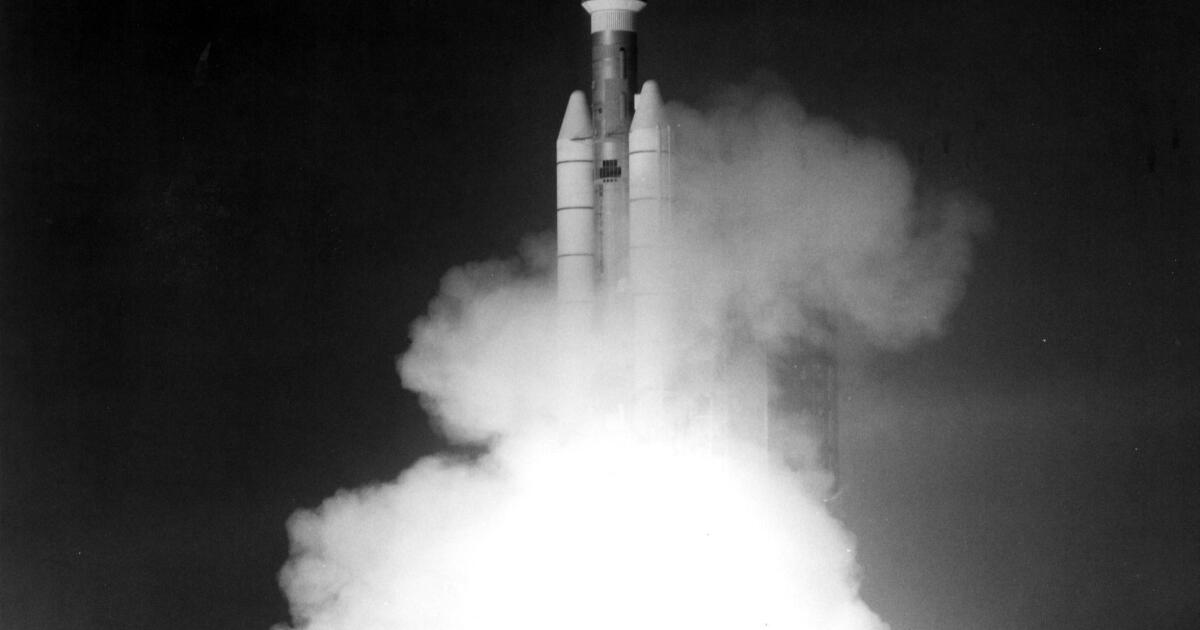
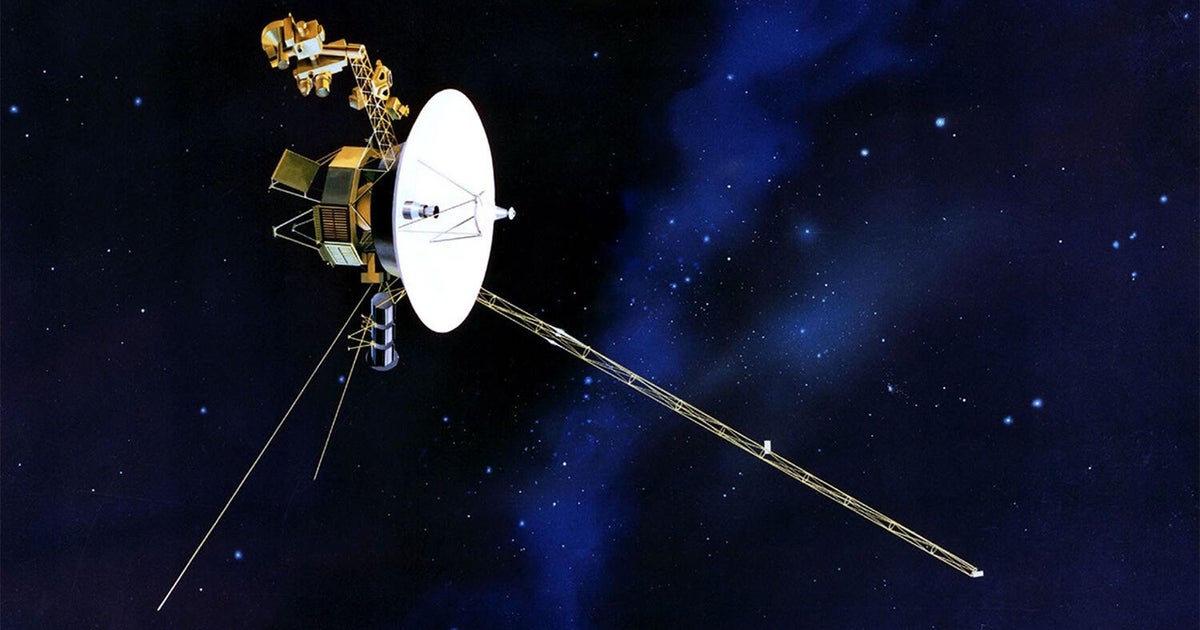
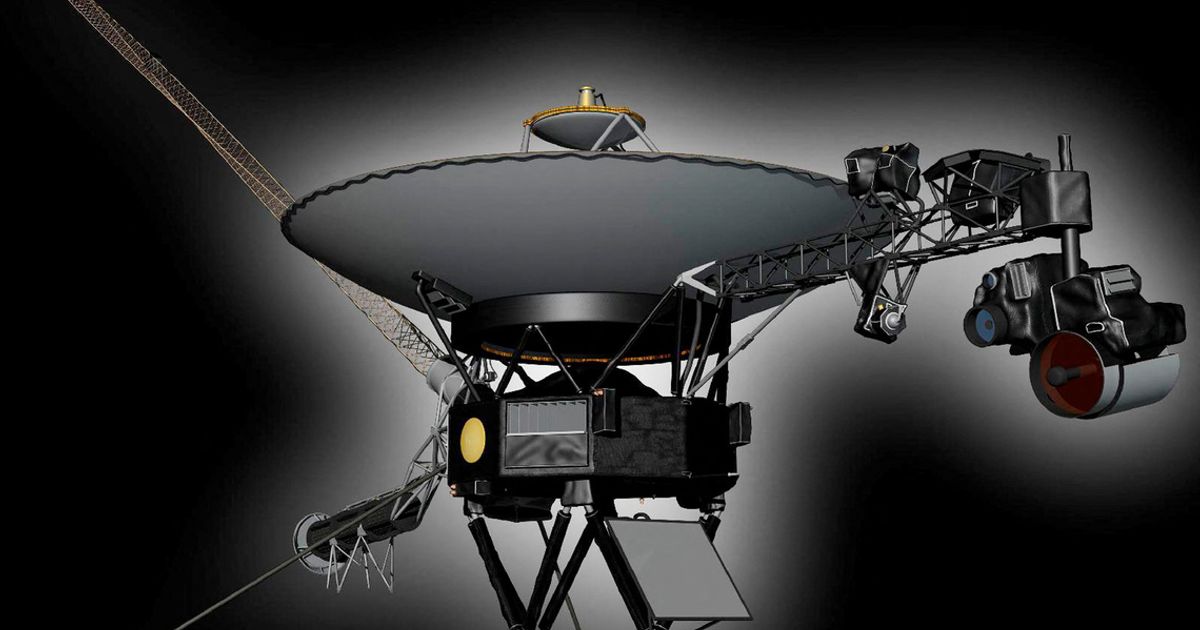
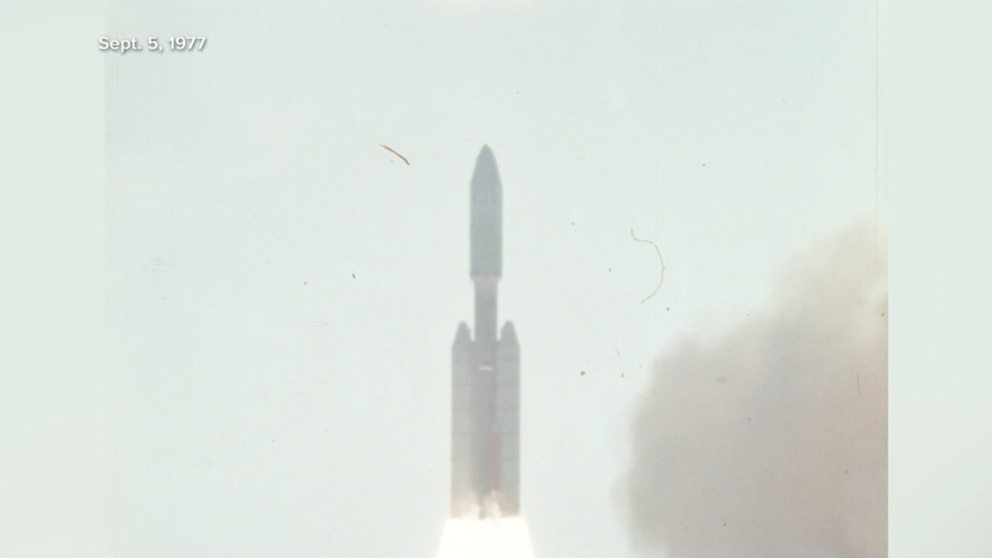
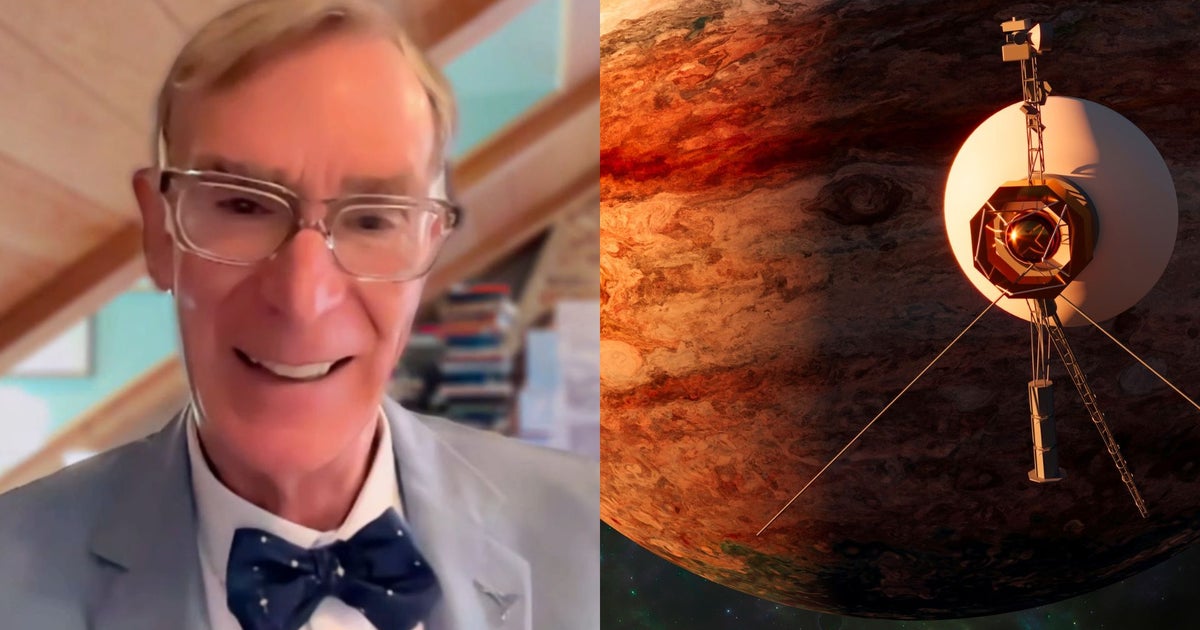
ON Nov 18, 2026 (today), the National Aeronautics and Space Administration (Nasa) spacecraft, Voyager 1, the furthest travelled human-made object, launched in 1977 and since then travelling at a non-stop average speed of 61,200km per hour, will cover a distance of one light day.
asserted
spacecraft → travel → day
In Cosmos, astronomer Carl Sagan writes, “The dimensions of the cosmos are so large that using familiar units of distance, such as meters or miles, chosen for their utility on earth, would make little sense.
asserted
using → write → sense
Instead, we measure distance with the speed of light [ie the distance light travels in one year]”.
asserted
light → measure → year
Light travels at the superluminal speed of 1,079,252,848km/h, and thus is capable of orbiting the earth’s equator 7.5 times in one second.
asserted
Light → travel → second
A Boeing 747, travelling at non-stop cruising speed, which is around 900km/h, would take around 3,300 years to cover a distance of one light day, and reach where Voyager 1 will be today.
asserted
Voyager → travel → day
For the feat, you would have had to take off in a Boeing 747 in the Bronze Age, when Rameses II was ruling Egypt, and travel continuously at cruising speed to cover a distance of one light day by 2026.
asserted
II → have → 2026
Your journey would have had to commence in a world before Christ, Cyrus, Caesar and Confucius.
asserted
journey → have → Christ
While a light day seems very far, on the cosmic scale, it is mundanely trivial.
asserted
it → seem → scale
A journey Voyager 1 — according to Nasa — is expected to cover in 75,000 years, despite its hypersonic speed.
uncertain
journey → accord → speed
Imagine what lies beyond the gaze of the naked eye.
asserted
what → imagine → eye
To fathom the stupefying distances, Richard Dawkins in The Magic of Reality writes, “Go out into a big field with a football and plonk it down to represent the sun [which is 1.3 million times larger than the earth in volume].
asserted
which → fathom → volume
But the nearest other star, Proxima Centauri, to the same scale, would be another (slightly smaller) football, located about six-and-a-half thousand kilometres away”.
asserted
star → locate → scale
We naively believe that when we gaze up into the night sky, we witness billions upon billions of stars — and perceive this as infinity.
asserted
we → believe → infinity
The actual number is close to 6,000, with the furthermost stars visible to the naked eye being posited no further than 15,000 light-years away.
asserted
stars → posit → eye
Imagine what lies beyond the gaze of the naked eye.
asserted
what → imagine → eye
The Milky Way galaxy, with its 100 to 400 billion stars, is estimated by Nasa to be 100,000 light-years across.
asserted
galaxy → estimate → Nasa
Our solar system, situated about 27,000 light years from the galactic centre of the Milky Way hosting the super-giant black hole, Sagittarius A*, and orbiting it at a rate of 828,000 km/h, takes approximately 230m years to complete one galactic year.
asserted
system → situate → year
The last time our solar system was where it is now, dinosaurs had just begun to appear.
asserted
dinosaurs → begin → ?
In The Princeton Field Guide to Dinosaurs, Gregory S. Paul writes, “Only one galactic year ago the dinosaurs had just appeared on planet earth.
asserted
dinosaurs → write → earth
When dinosaurs first appeared, our solar system was already well over 4 billion years old, and 95 per cent of the history of our planet had already passed”.
asserted
cent → appear → planet
Our nearest galaxy, the Andromeda galaxy with its one trillion stars, is around 2.5m light years away, what to say of the other two trillion galaxies which are spread across an observable universe with a diameter 93bn light-years across.
asserted
which → say → diameter
Stephen Hawking illuminates in A Brief History of Time how Edwin Hubble’s discoveries in 1929 led to “the landmark observation that wherever you look, distant galaxies are moving rapidly away from us.
asserted
galaxies → illuminate → us
In other words, the universe is expanding”.
asserted
universe → expand → words
Accordingly, the further galaxies are, the faster they recede, sometimes faster than the speed of light.
asserted
they → recede → light
Though nothing can travel faster than the speed of light, space can expand faster.
asserted
space → travel → light
The inference — even if we were miraculously able to travel at the speed of light, there would be parts of the universe which would be perpetually beyond our reach.
asserted
which → travel → reach
We, homo sapiens, whom paleoanthropologists believe appeared 300,000 years ago, seldom view our own insignificance from this cosmic perspective.
asserted
paleoanthropologists → believe → perspective
If we did, it would rob us of our prejudices, partialities and pre-conceptions.
asserted
it → do → prejudices
In his essay Wonder and Skepticism, Carl Sagan writes, “The truth may be puzzling.
uncertain
truth → write → essay
It may take some work to grapple with.
uncertain
It → take → work
It may contradict deeply held prejudices.
uncertain
It → contradict → prejudices
It may not be consonant with what we desperately want to be true.
uncertain
we → want → ?
But our preferences do not determine what’s true”.
asserted
what → determine → ?
Voyager 1’s feat of travelling one light day should be a moment of pride and humility for the whole of humanity.
asserted
feat → travel → humanity
The writer is a practising barrister.
asserted
writer → practise → ?

 The Aporia