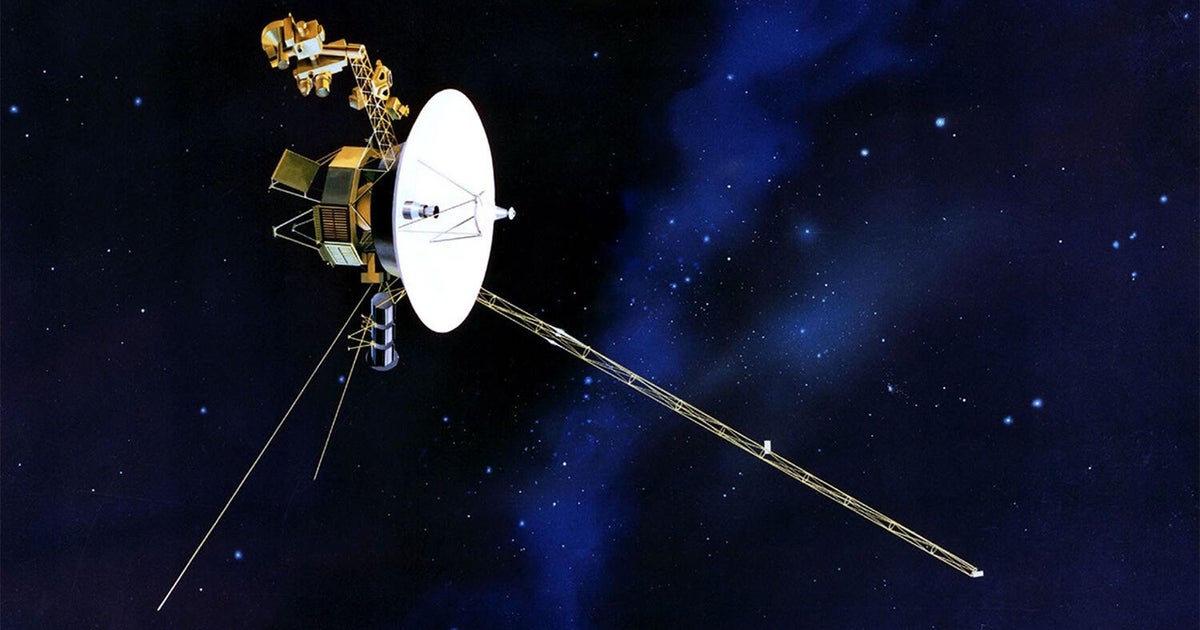
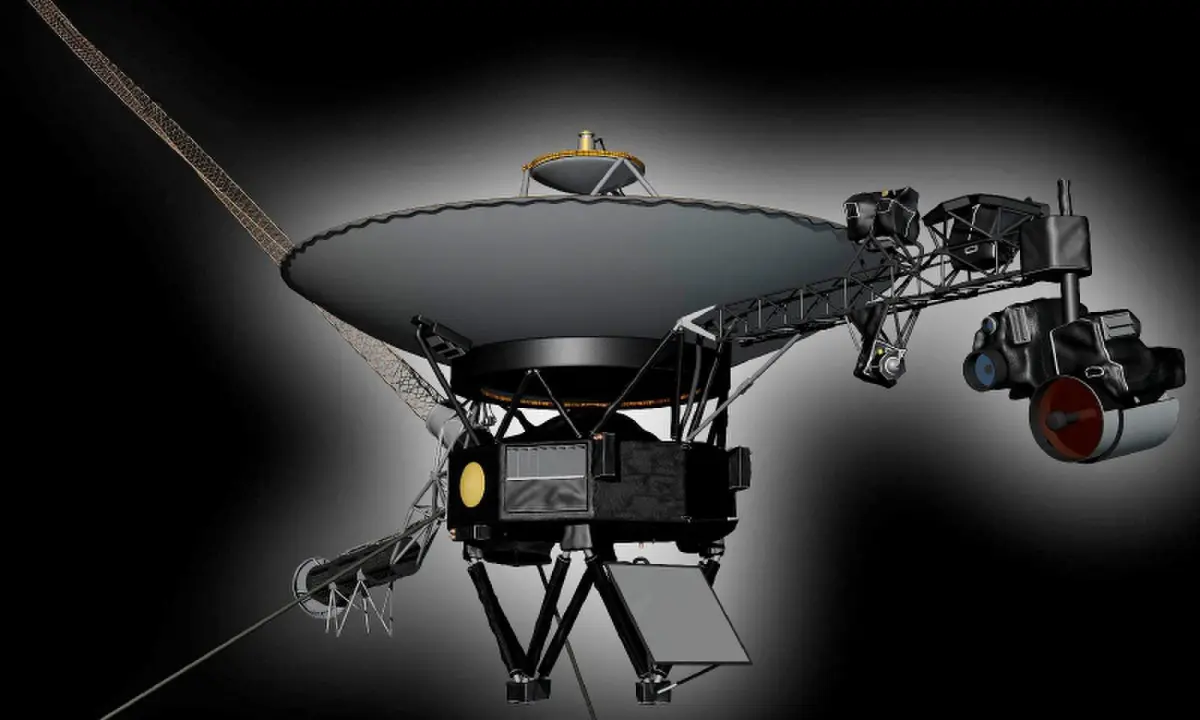
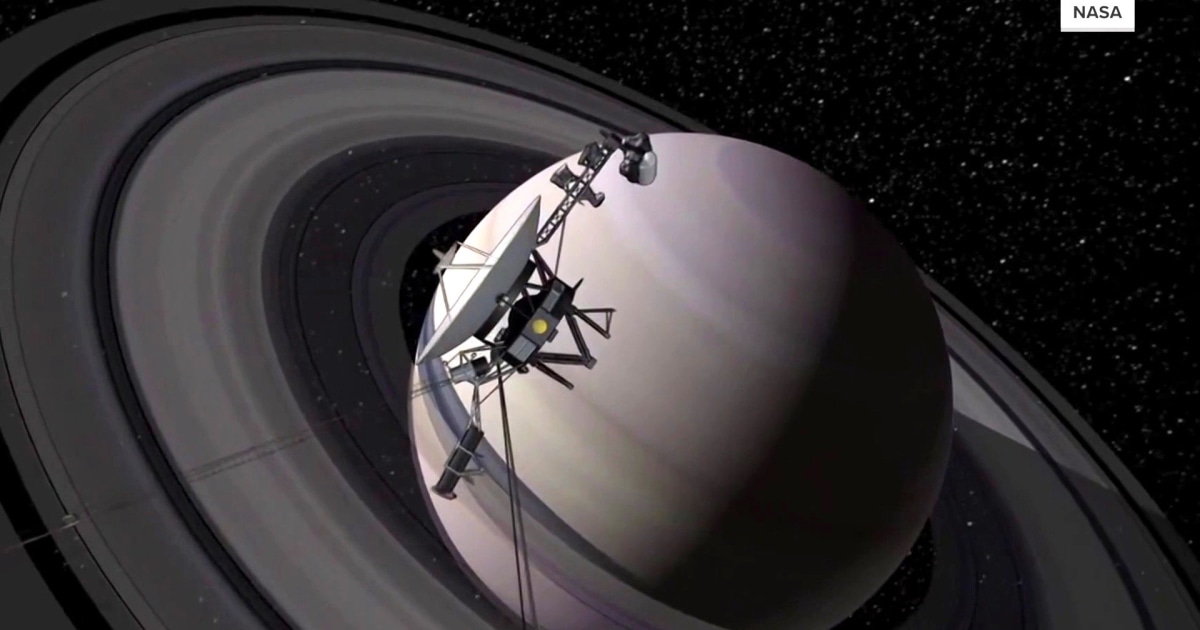
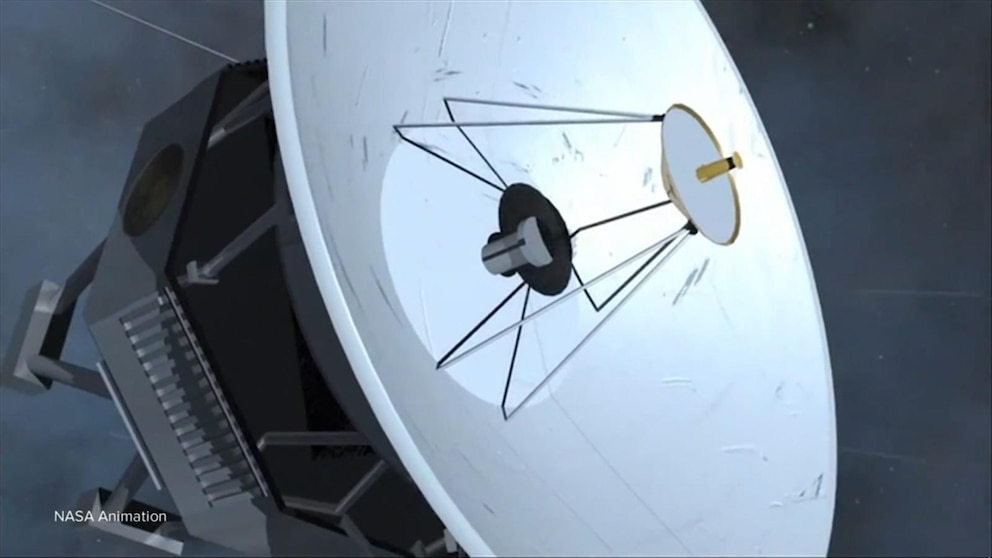
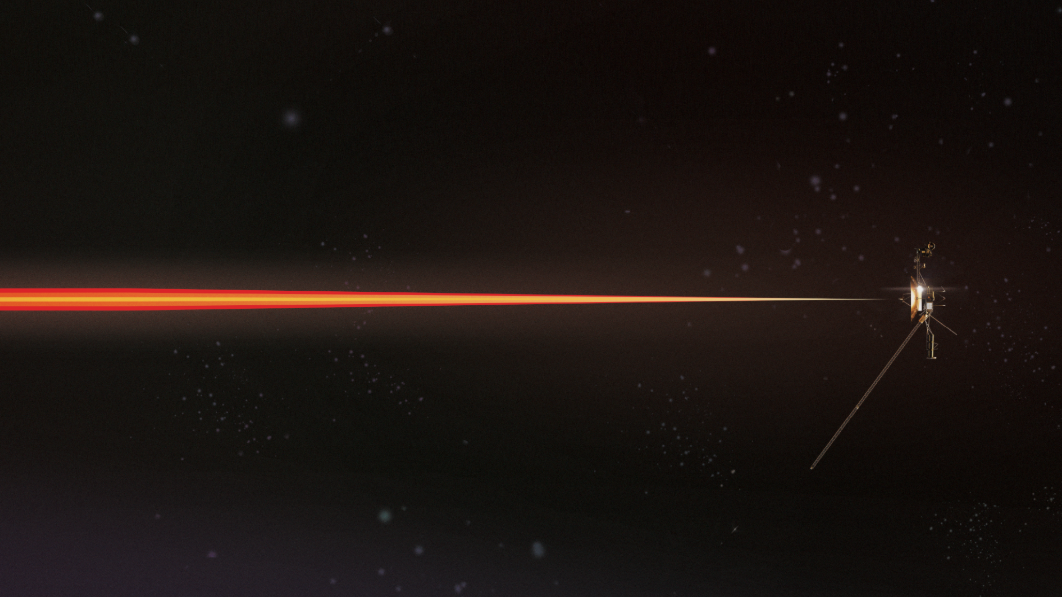
Nasa's Voyager 1 has phoned home from a staggering one light-day away, with a radio signal from the spacecraft taking exactly 24 hours to reach Earth.
asserted
signal → phone → Earth
The historic transmission, received by flight controllers on Thursday, marks the first time a human-made object has communicated with Earth from this distance, after travelling more than 16 billion miles (26 billion kilometres) into interstellar space.
asserted
object → receive → space
The confirmation, received on Thursday through Nasa's Deep Space Network, marks another landmark in the nearly 49-year journey of the spacecraft through interstellar space.
asserted
confirmation → receive → space
Voyager 1 crossed the one-light-day distance threshold on Wednesday at 5:16 am EST (10:16 GMT), Nasa said.
asserted
Nasa → cross → am
The signal travelled at the speed of light before being received by antennas near Madrid, Spain, and relayed to the mission team at the Jet Propulsion Laboratory (JPL) in California.
asserted
signal → travel → California
Announcing the confirmation amid cheers and applause, flight controller Nshan Kazaryan said: “Voyager 1 light-day distance confirmed..
asserted
distance → announce → cheers
After 16 billion miles of exploration, Voyager 1 continues its journey into the unknown."
asserted
Voyager → continue → unknown
Nasa officials celebrated the achievement, with the agency's science mission chief Nicola Fox highlighting the significance of the spacecraft's continuing journey.
asserted
chief → celebrate → journey
"This is such an amazing day," Fox said at a JPL event.
asserted
Fox → say → event
Praising the mission team, she added that it was a group "that just continues to let Voyager keep on trekking out there."
asserted
Voyager → praise → team
Fox also underlined the mission's long-term significance, saying, "When's the mission going to end?
asserted
mission → underline → significance
It's never going to end, even when we can no longer talk to Voyager."
asserted
we → go → Voyager
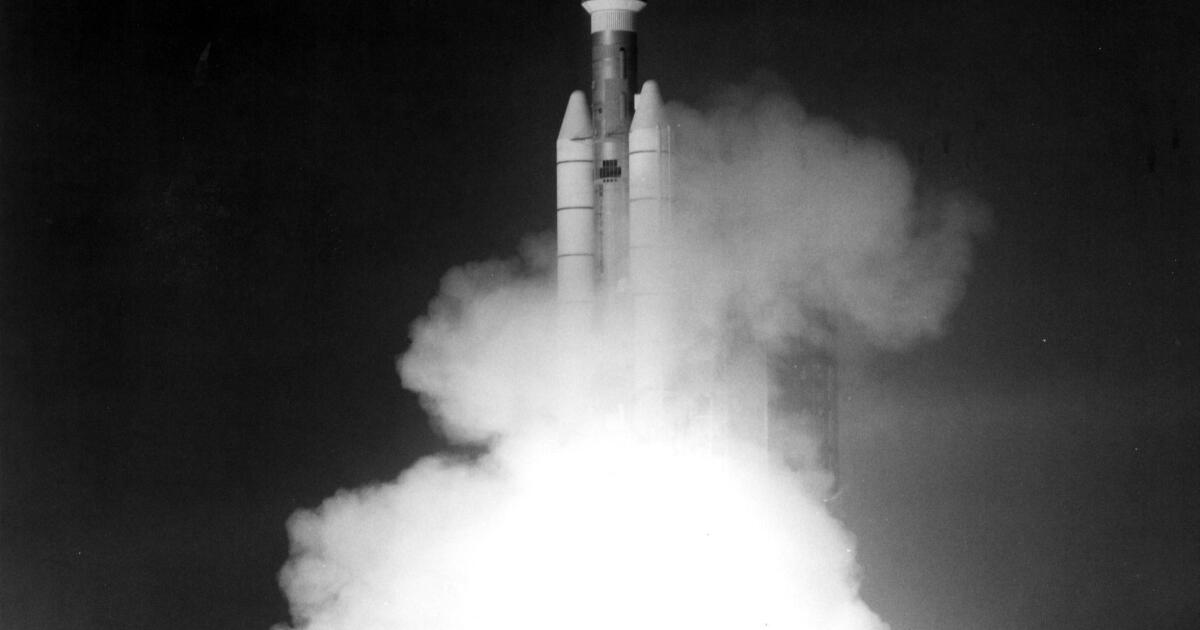
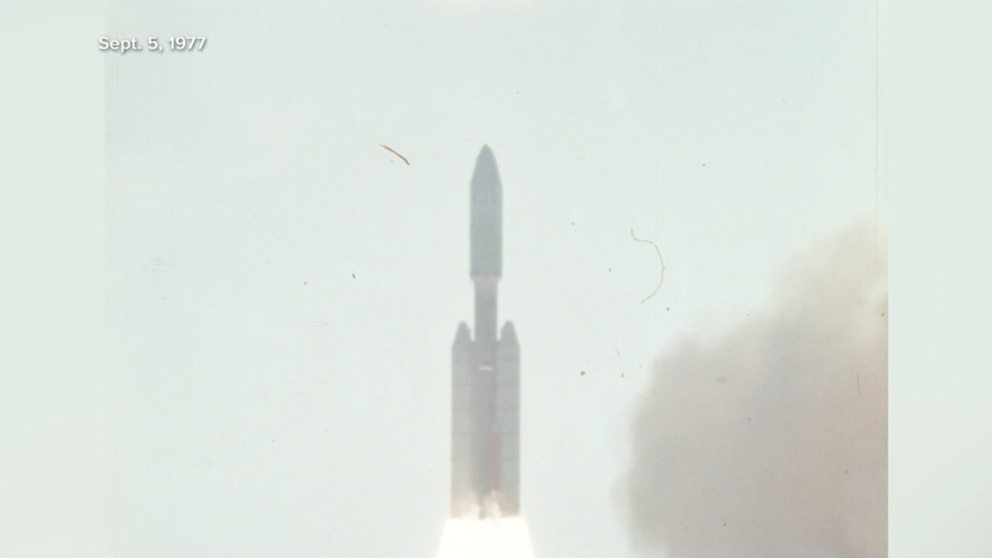
Launched in 1977, Voyager 1 has accumulated several historic milestones during its nearly five-decade journey.
asserted
Voyager → launch → journey
The spacecraft flew past Jupiter in 1979 and Saturn in 1980 before capturing the iconic image of Earth, famously known as the “Pale Blue Dot”, in 1990.
asserted
spacecraft → fly → 1990
It became the most distant human-made object in 1998 and crossed the heliosphere, the Sun's sphere of influence, to enter interstellar space in 2012.
asserted
It → become → 2012
The spacecraft is currently travelling at nearly 38,000 miles per hour (61,000 kilometres per hour) in the direction of the star Gliese 445, which is around 17 light-years from Earth.
asserted
which → travel → Earth
At its present trajectory, it is expected to pass within approximately 1.7 light-years of the star in about 40,000 years.
asserted
it → expect → years
However, the milestone comes as the ageing spacecraft faces technical challenges.
asserted
spacecraft → come → challenges
Voyager 1 stopped transmitting science and engineering data over the weekend, although its carrier signal continued reaching Earth.
asserted
signal → stop → Earth
Mission controllers are investigating the interruption.
asserted
controllers → investigate → interruption
Nasa has progressively switched off instruments aboard both Voyager spacecraft to conserve power from their diminishing plutonium-based energy systems.
asserted
Nasa → switch → systems
Voyager 1 now operates with two scientific instruments, while Voyager 2 has three.
asserted
Voyager → operate → three
Voyager 2, launched shortly before its twin, entered interstellar space in 2018 and is expected to reach the one-light-day distance in November 2035.
asserted
Voyager → launch → November
Both spacecraft continue to transmit valuable information about an environment never previously explored by human-made objects.
asserted
spacecraft → continue → objects
As engineers work to restore Voyager 1's science data transmission, the mission remains a continuing effort to extend humanity's understanding of the space beyond our solar system.
asserted
mission → work → system
 The Aporia