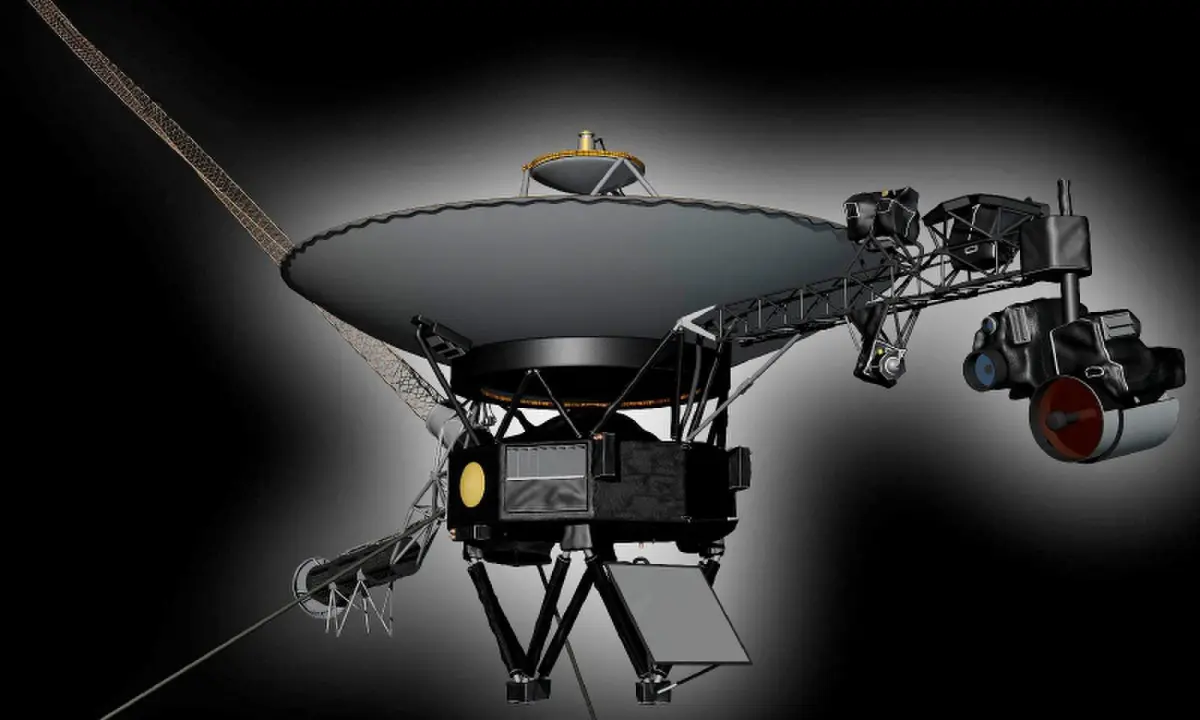
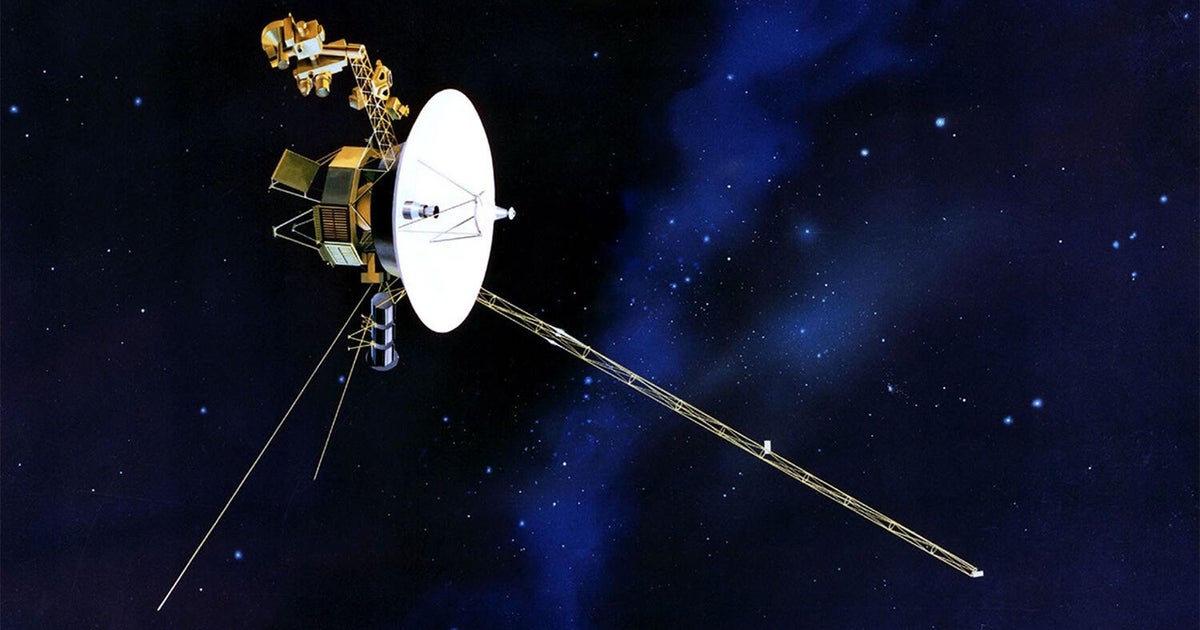
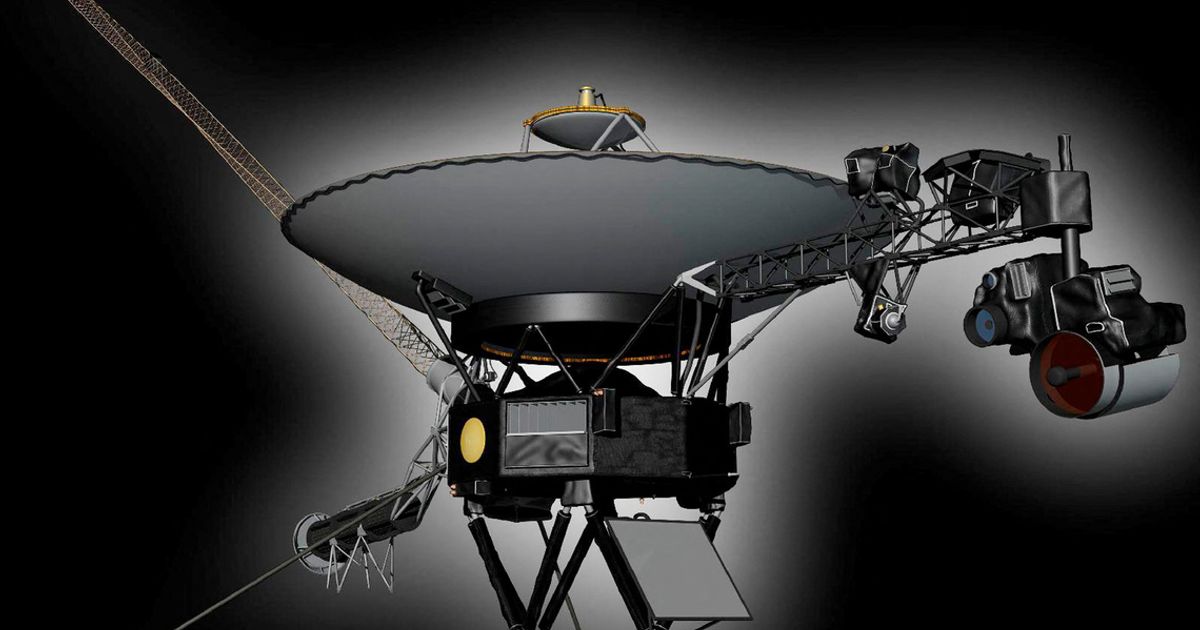
The spacecraft is the farthest human-made object from our planet.
asserted
spacecraft → make → planet
Late next year, both Voyager 1 and 2 will celebrate 50 years in space.
asserted
Voyager → celebrate → space
Earth's alien envoy is about to hit a history-making milestone for space exploration.
asserted
envoy → hit → exploration
After almost 50 years in space, the spacecraft is the farthest human-made object from Earth.
asserted
spacecraft → make → Earth
NASA Voyager project scientist Linda Spilker said it was an "incredible milestone to celebrate".
asserted
it → say → ?
"One light-day is not a time so much as a distance," Dr Spilker said.
asserted
Spilker → say → distance
"In other words, if you sent a radio signal from the Earth, it would take exactly 24 hours to reach Voyager 1," she said.
asserted
she → send → Voyager
With the spacecraft living long past its retirement date, and its systems starting to fail, it is a landmark many at NASA never thought would be reached.
asserted
many → live → NASA
Voyager changed our view of the Solar System
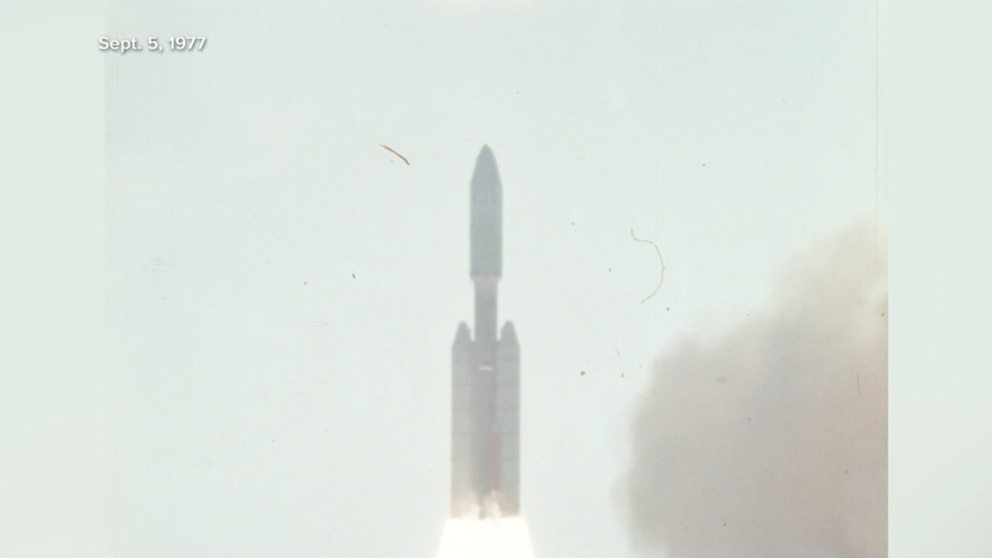
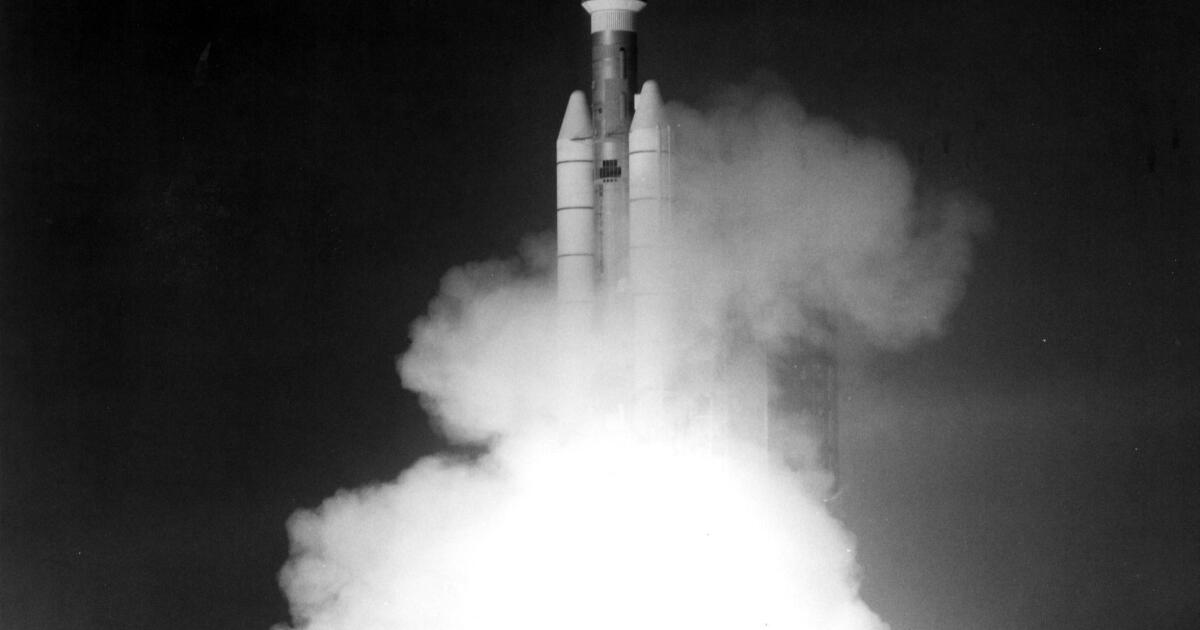
Voyager 1 and 2 were launched in 1977 to explore Jupiter and Saturn.
asserted
Voyager → change → Jupiter
Voyager 2 also flew by Uranus and Neptune.
asserted
Voyager → fly → Uranus
The probes were then kept in operation to explore the outer reaches of the Solar System.
asserted
probes → keep → System
Both Voyagers were extremely high tech in the 70s, with the spacecraft built to withstand incredibly high levels of radiation.
asserted
spacecraft → build → radiation
But they were also limited by the technology at the time, as each probe relies on an eight-track tape player to record data.
asserted
probe → limit → data
Even with its old tech, the Voyager spacecraft provided a whole new view of the Solar System.
asserted
spacecraft → provide → System
Planetary Society chief scientist Bruce Betts was inspired to become a scientist after seeing images beamed back from the spacecraft when he was a kid.
asserted
he → inspire → spacecraft
"[The Voyager probes] weren't the first to Jupiter, but they were by far the best images we'd ever had," Dr Betts said.
"
asserted
Betts → have → Jupiter
It made
asserted
It → make → ?
The mission was originally expected to last only a decade, but both spacecraft are 49 years into their far-flung trip to the outer edges of the Solar System.
asserted
spacecraft → expect → System
In 2012, Voyager 1 entered interstellar space, with Voyager 2 following behind in 2018.
asserted
Voyager → enter → 2018
While this is beyond the reach of the Sun's magnetic field, it is still a long way away from the ring of icy objects known as the Oort Cloud, which marks the final boundary of the Solar System.
asserted
which → know → System
Voyager 1's position and condition is tracked by NASA's Deep Space Network of telescopes in Canberra, California and Madrid.
asserted
position → track → Canberra
NASA predicts the spacecraft, which is travelling at a speed of 61,000 kilometres per hour, will be one light-day away from Earth at 9:16pm AEDT on November 18.
asserted
which → predict → November
Voyager 2, which can only now communicate with Canberra, is not expected to make the light-day milestone until 2035.
asserted
which → communicate → 2035
Getting close to 'retirement'
Dr Spilker was part of the Voyager program for 12 years, from when the spacecraft launched in 1977.
asserted
spacecraft → get → 1977
She rejoined the team in 2020 expecting it to last just a few more years.
asserted
it → rejoin → 2020
"If we talked to anybody from headquarters, it was 'Oh … it could go any day,' but here we are coming up on the 50th [anniversary]," she said.
uncertain
she → talk → anniversary
It just keeps going."
asserted
It → keep → ?
In the past few decades, NASA has turned off almost all the equipment aboard the spacecraft, and had to switch off heaters to conserve a dwindling nuclear battery power source.
asserted
NASA → turn → source
"We've got enough power and thermal to make it, we think, to about the early 2030s.
asserted
we → get → 2030s
But we also have thrusters that are clogging," Dr Spilker said.
asserted
Spilker → have → thrusters
"The spacecraft is getting colder and colder as the power decreases."
asserted
power → get → ?
Only two instruments, which measure the Sun's magnetic field and plasma, still work.
"
asserted
which → measure → field
That will probably go off in the next year or so."
asserted
That → go → year
Dr Spilker said the longer the spacecraft travelled, the more things could go wrong.
uncertain
things → say → ?
Last month, NASA lost communication with Voyager 1 for about 48 hours.
asserted
NASA → lose → hours
The spacecraft came back online before they could send commands to troubleshoot.
uncertain
they → come → commands
"We'll be waiting to hear from Voyager … and there won't be anything," Dr Spilker said.
"
asserted
Spilker → wait → Voyager
You turn things on and off, until finally you say … 'We can't think of anything else to try.'
asserted
We → turn → anything
For Dr Betts, Voyager 1's light-day milestone is a testament to the engineers and other people who worked on the project.
asserted
who → work → project
"It's just unbelievable that we're talking about two spacecraft that this coming year will be 50 years in space.
asserted
year → talk → space
…and 7 more, not listed.
 The Aporia