
SpaceX Rocket Hits Moon
3 outlets
5 reporters
- Nicole MortillaroCBC
- Max MatzaBBC
- Kayla EpsteinBBC
- Al JazeeraAl Jazeera
- Pallab GhoshBBC
By day
Articles per day
Cite
SpaceX Rocket Hits Moon. (2026, October 13). The Aporia. https://the-aporia.com/event/209
“SpaceX Rocket Hits Moon.” The Aporia, 13 Oct. 2026, https://the-aporia.com/event/209.
“SpaceX Rocket Hits Moon.” The Aporia, October 13, 2026. https://the-aporia.com/event/209.
Dated the day this page was built. The link always leads to this event, even after the stories are regrouped.
What happened
The outlets' own sentences, most widely reported first. Hover or tap one to see who reported it.
What each outlet says
One AI summary per outlet of its latest article on this story, written from that article alone and checked against it. Open the article for the outlet's own words.
A SpaceX rocket that launched a pair of lunar landers crashed into the moon on Wednesday after drifting off course for over a year. A telescope in Chile detected a debris plume resulting from the collision, confirming astronomers' predictions. The impact occurred at an estimated speed of 8,700 km/h near Einstein Crater on the moon's western limb. Scientists are concerned about "lunar litter" as more countries plan…
It looks like a SpaceX rocket did slam into the moon (as predicted) →2 articles from CBC on this storyA South Korean space agency's orbiter, Danuri, has reported that a SpaceX rocket crashed into the Moon near the Einstein crater on Wednesday at around 07:35 BST, creating a flash and a 100km-long dust plume. The empty upper stage of the Falcon 9 rocket was traveling at approximately 5,400mph when it struck the lunar surface. Scientists are thrilled about the incident as it provides a unique opportunity to study the…
Why some scientists are thrilled that a SpaceX rocket has crashed into the Moon →2 articles from BBC on this storyA four-tonne piece of SpaceX rocket debris crashed into the Moon early Wednesday near the Einstein Crater at approximately 8,700 kilometres per hour. The object was the second stage of a Falcon 9 rocket launched in early 2025 and struck the lunar surface with the force equivalent to roughly three tonnes of TNT. According to space-tracking agencies and independent astronomers, the crash was unintentional but…
Piece of SpaceX rocket the size of a school bus crashes into the Moon →Analysis
Agreed
Reported by outlets on both sides of the middle
No sentence was reported across the range.
Disputed
Picked by our model, which is sometimes wrong
No disagreement the check could confirm. That does not prove there is none.
Framing
How the first headlines put it
How it changed
- 5 Aug
The object, the second stage of a Falcon 9 rocket launched in early 2025, struck the Moon early Wednesday near the Einstein Crater, at approximately 8,700 kilometres per hour (5,400 miles per hour), according to orbital trajectories mapped by independent astronomers and confirmed by space-tracking agencies.
Coverage 5 articles
Suggested from 3 outlets: one of the fuller accounts, no political position was found in its wording and its publisher is declared as reporting rather than commentary.
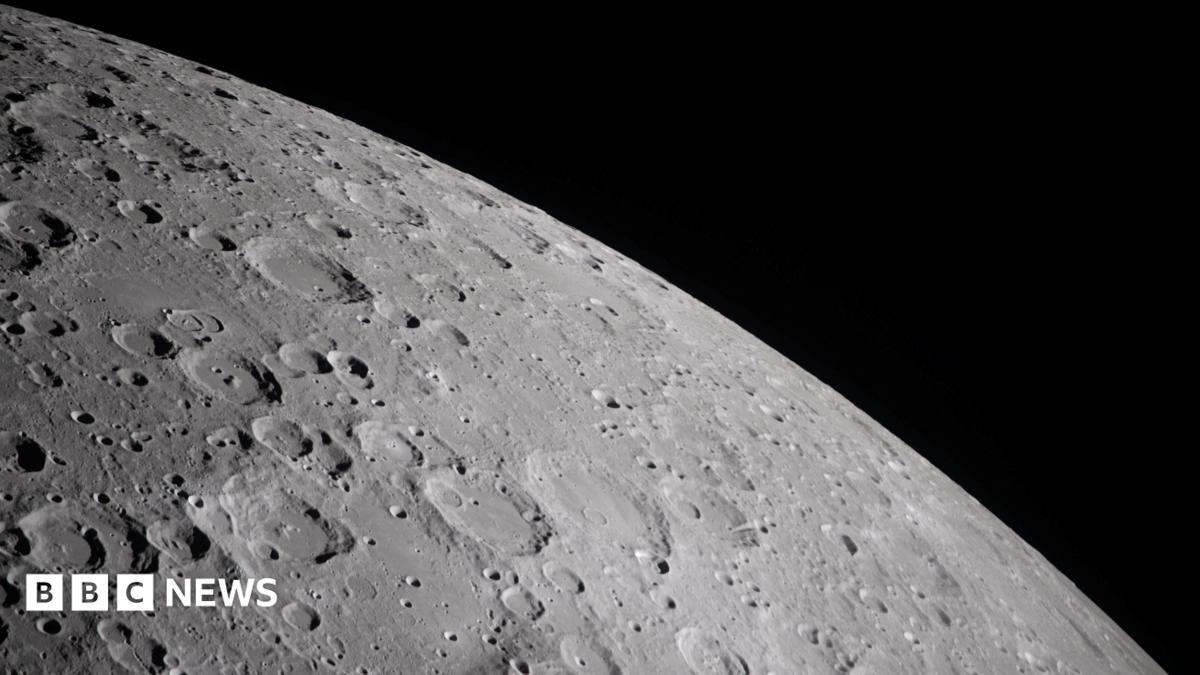 6 Aug Why some scientists are thrilled that a SpaceX rocket has crashed into the MoonA South Korean space agency's orbiter, Danuri, has reported that a SpaceX rocket crashed into the Moon near the Einstein crater on Wednesday at around 07:35 BST, creating a flash and a 100km-long dust plume. The empty upper stage of the Falcon 9 rocket was traveling at approximately 5,400mph when it struck the lunar surface. Scientists are thrilled about the incident as it provides a unique opportunity to study the…BBC
- 6 Aug It looks like a SpaceX rocket did slam into the moon (as predicted)A SpaceX rocket that launched a pair of lunar landers crashed into the moon on Wednesday after drifting off course for over a year. A telescope in Chile detected a debris plume resulting from the collision, confirming astronomers' predictions. The impact occurred at an estimated speed of 8,700 km/h near Einstein Crater on the moon's western limb. Scientists are concerned about "lunar litter" as more countries plan…CBC
 5 Aug Piece of SpaceX rocket the size of a school bus crashes into the MoonA four-tonne piece of SpaceX rocket debris crashed into the Moon early Wednesday near the Einstein Crater at approximately 8,700 kilometres per hour. The object was the second stage of a Falcon 9 rocket launched in early 2025 and struck the lunar surface with the force equivalent to roughly three tonnes of TNT. According to space-tracking agencies and independent astronomers, the crash was unintentional but…Al Jazeera
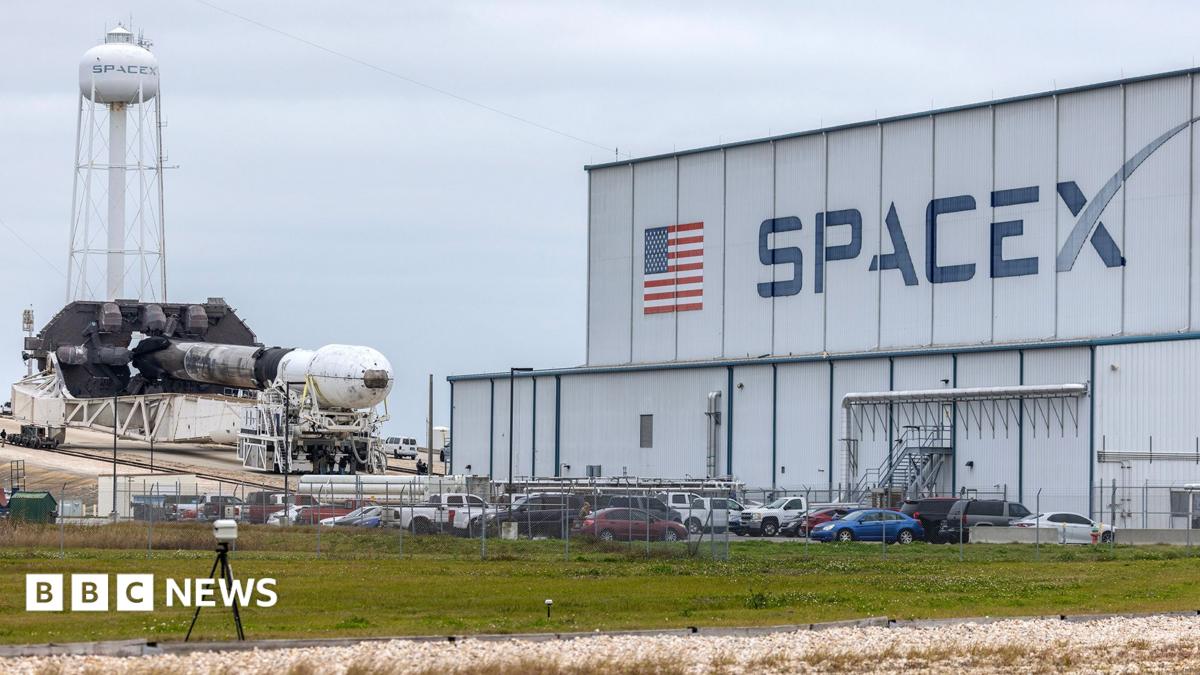 4 Aug What will happen when a SpaceX rocket collides with the Moon?A SpaceX rocket is expected to collide with the Moon on August 5, after scientists discovered it was on an accidental collision course with the lunar satellite. The upper stage of a Falcon 9 rocket, which is about the size of a five-storey building and has a mass of at least 4,000kg, will impact the Moon's surface near the Einstein crater, creating a crater over 17m in diameter. The collision is not expected to be…BBC
- 4 Aug A SpaceX rocket will slam into the moon on Wednesday, and astronomers will be watching closelyA SpaceX rocket stage will collide with the Moon on August 5 at 2:34:32.9 a.m. ET, with astronomers monitoring the event to observe its impact. The impact is expected to eject over one million kilograms of rock and dust into space before it falls back onto the lunar surface. Bill Gray, an independent astronomer, has been tracking the rocket's orbit since launch in January 2025, and he was able to calculate that it…CBC
Keep exploring
 Similar coverageMoon Landing Debate
 RecentBinance Hack Blamed on North Korea
 RecentJack Campbell Hospitalized With Neck Injury
 RecentLearjet Crashes Near Trump’s Florida Home Killing Nine
 RecentTrump Criticizes Habba's $50m Deal
 RecentJosh Jacobs Faces New Abuse Allegations
 RecentPutin Reaches Out To Nordic Leaders
 RecentArsenal Wins Against Liverpool
 RecentDOJ List Of Noncitizen Voters Questioned
Built 2026-10-13 from 5 articles. Every sentence on this page is quoted from the linked article; nothing was written by a model except the Summary and the items marked AI, which cite their sources, and the questions and labels under "Disputed". Photos are from the outlets that covered the story, never from articles our check marks sensitive.