A SpaceX rocket will slam into the moon on Wednesday, and astronomers will be watching closely
asserted
astronomers → slam → Wednesday
It's unlikely, but not impossible, that there may be a visible flash
In the early hours of Wednesday morning, telescopes around the world will try to capture something never seen from Earth: an old rocket slamming into the moon's daylight side.
uncertain
telescopes → try → side
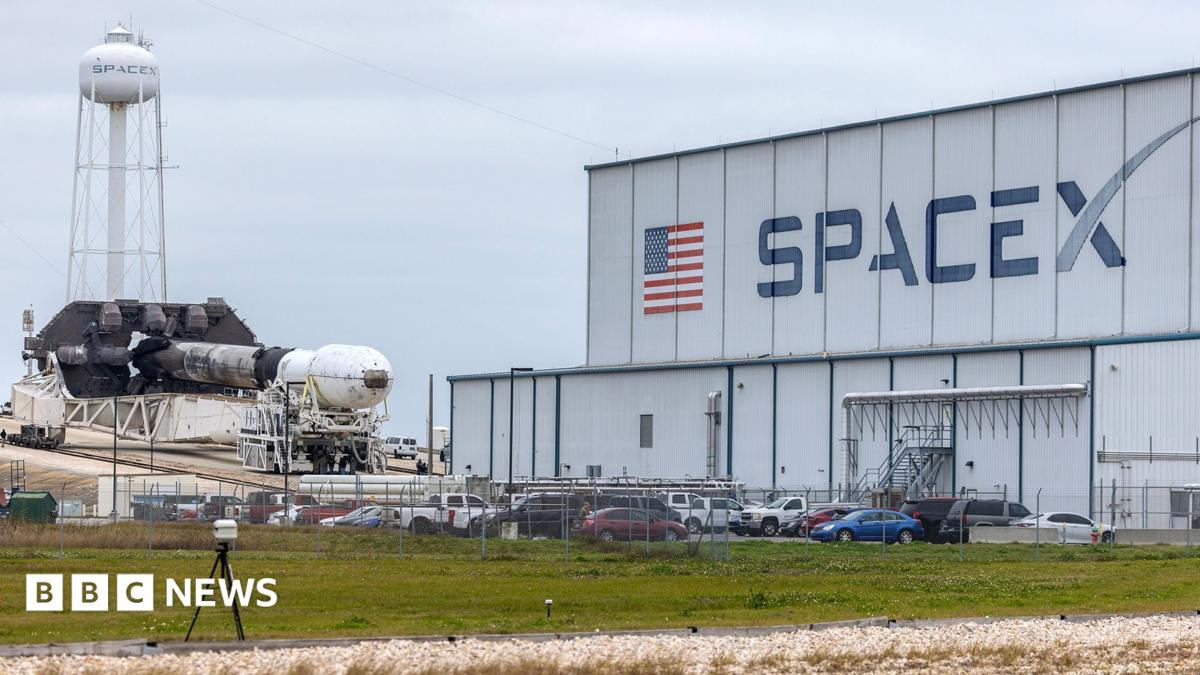
The body is the second stage of a SpaceX Falcon 9 rocket that carried two commercial lunar landers: the U.S's Firefly Blue Ghost-1 and Japan's ispace Hakuto-R Resilience.
asserted
that → carry → landers
The rocket launched in January 2025.
asserted
rocket → launch → January
Bill Gray, an independent astronomer who also writes tracking software, had been following it since launch, and last September he noticed the rocket was going to make a close encounter with the moon on Aug. 5, 2026.
asserted
rocket → write → Aug.
But getting the exact orbital data is tricky.
asserted
getting → get → data
While the gravity of the moon and Earth are well understood when it comes to orbital mechanics, the sun exerts a tiny bit of force on objects in space, so Gray had to take that into account.
asserted
Gray → understand → account
Finally, once the orbit was refined, he realized that it wasn't going to be a close encounter — it was going to be a direct hit.
asserted
it → refine → ?
"Sometime around March, I think it was, it became a, 'Yeah, this is gonna happen.
asserted
this → think → March
We just have to figure out exactly where and when,'" he said.
asserted
he → have → ?
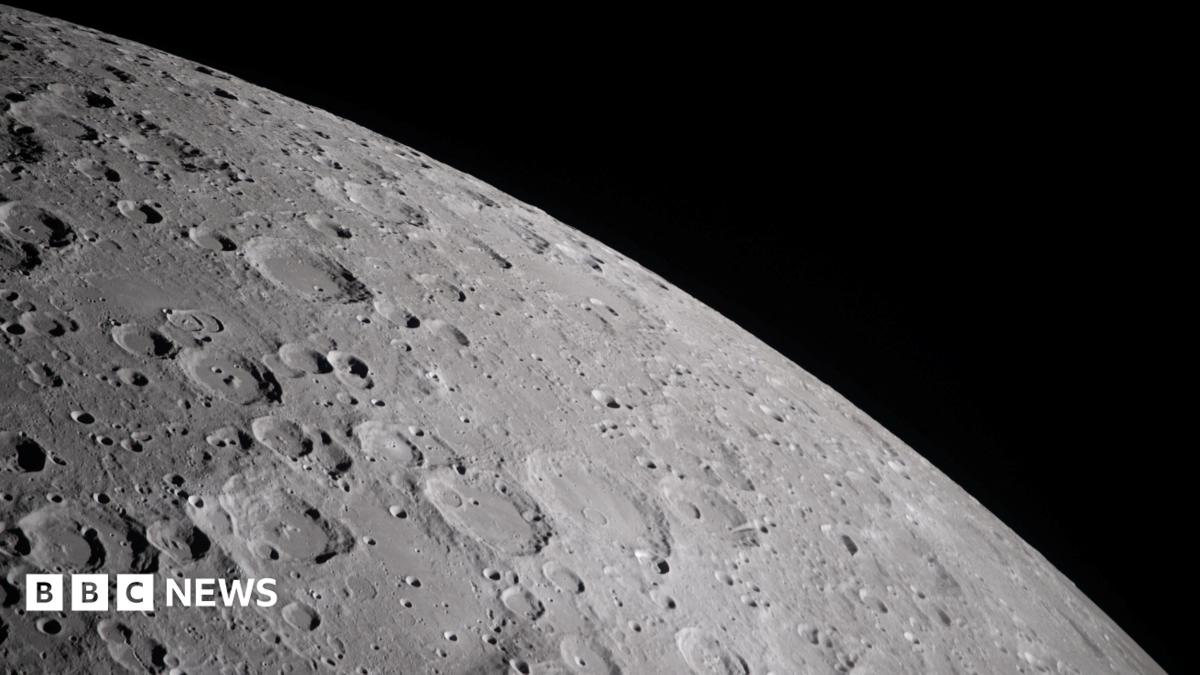
The rocket will hit on the daylight side of the moon, close to the moon's limb.
asserted
rocket → hit → limb
This isn't the first time a human-made object has impacted the lunar surface.
asserted
object → make → surface
The Apollo upper stages impacted the moon, as well as other objects that were smashed intentionally — sometimes just to see what would happen, for example, if there was water or ice that might be kicked up, and other times to get them out of orbit.
uncertain
that → impact → orbit
NASA's Lunar Crater Observation and Sensing Satellite and ESA's SMART-1 spacecraft both hit the moon, the latter leaving a large impact crater on the surface.
asserted
latter → hit → surface
The impact flash of SMART-1 was captured at the boundary between lunar day and night by the Canada-France-Hawaii Telescope in Hawaii.
asserted
flash → capture → Hawaii
What will you be able to see?
asserted
you → see → What
A group of astronomers who wrote a paper on the upcoming impact are encouraging large observatories and serious amateur astronomers to observe the event, which will occur on Aug. 5 at 2:34:32.9 a.m. ET (how's that for precise?).
asserted
that → write → a.m.
As the rocket is moving at roughly 2.43 kilometres a second, it's expected to eject a plume of rock and dust into space.
asserted
it → move → space
The astronomers estimate that it could send more than one million kilograms of debris upwards, before most of it falls back to the lunar surface.
uncertain
most → estimate → surface
And that's where the observations come in.
asserted
observations → come → ?
"There are two things that [you] can try and observe, either the plume or the flash.
asserted
you → be → that
The truth is, I think the flash is going to be tough because it's on the lit side of the moon and it's very short-lived," said astronomer Ben Fernando, with the Los Alamos National Laboratory.
asserted
Fernando → think → Laboratory
"But that doesn't mean people shouldn't try."
And he has some advice for amateur astronomers looking to capture the event.
asserted
he → mean → event
"You need to be taking an image every tenth, hundredth of a second, something like that, to try and catch this brief flash," he said.
asserted
he → need → flash
"If you're trying to catch the plumes, that's probably quite a bit easier because we expect the plume to last [in] the order of one to 10 minutes, something like that.
asserted
plume → try → that
"
Why it's important
Astronomers are hoping to collect some important information about this impact.
asserted
Astronomers → hop → impact
"Now that we're in an era where we're going to have more and more astronauts going back to the moon, perhaps permanently, we also want to understand how much of a risk these artificial impacts pose," Fernando said.
asserted
Fernando → go → risk
The chances of an astronaut being hit are still very slim, he stressed, but there are other things to consider.
asserted
he → hit → ?
"It presents a different set of hazards than say the Apollo astronauts faced on the lunar surface from the average background meteoroids that are striking the moon every day.
asserted
that → present → moon
And what we want to try and do with this event is understand both the direct [and indirect] hazards."
Indirect hazards could include the potential consequences of the plume falling back to the lunar surface, perhaps on habitats or astronauts' spacesuits.
The question, says Gray, who is constantly refining his calculations in the lead up to Aug. 5, is how often might this happen?
He says he's tracking about a dozen objects, none of which look like they will impact the moon.
uncertain
they → want → moon
However, that's not saying it couldn't happen in the future.
asserted
it → say → future
Right now, he's keeping an eye on the upper stage of China's Chang'e 3 rocket that was launched in 2013.
asserted
that → keep → 2013
At the moment, it doesn't look like it will impact either Earth or the moon, but he will be monitoring it over the coming years.
asserted
he → look → years
 The Aporia