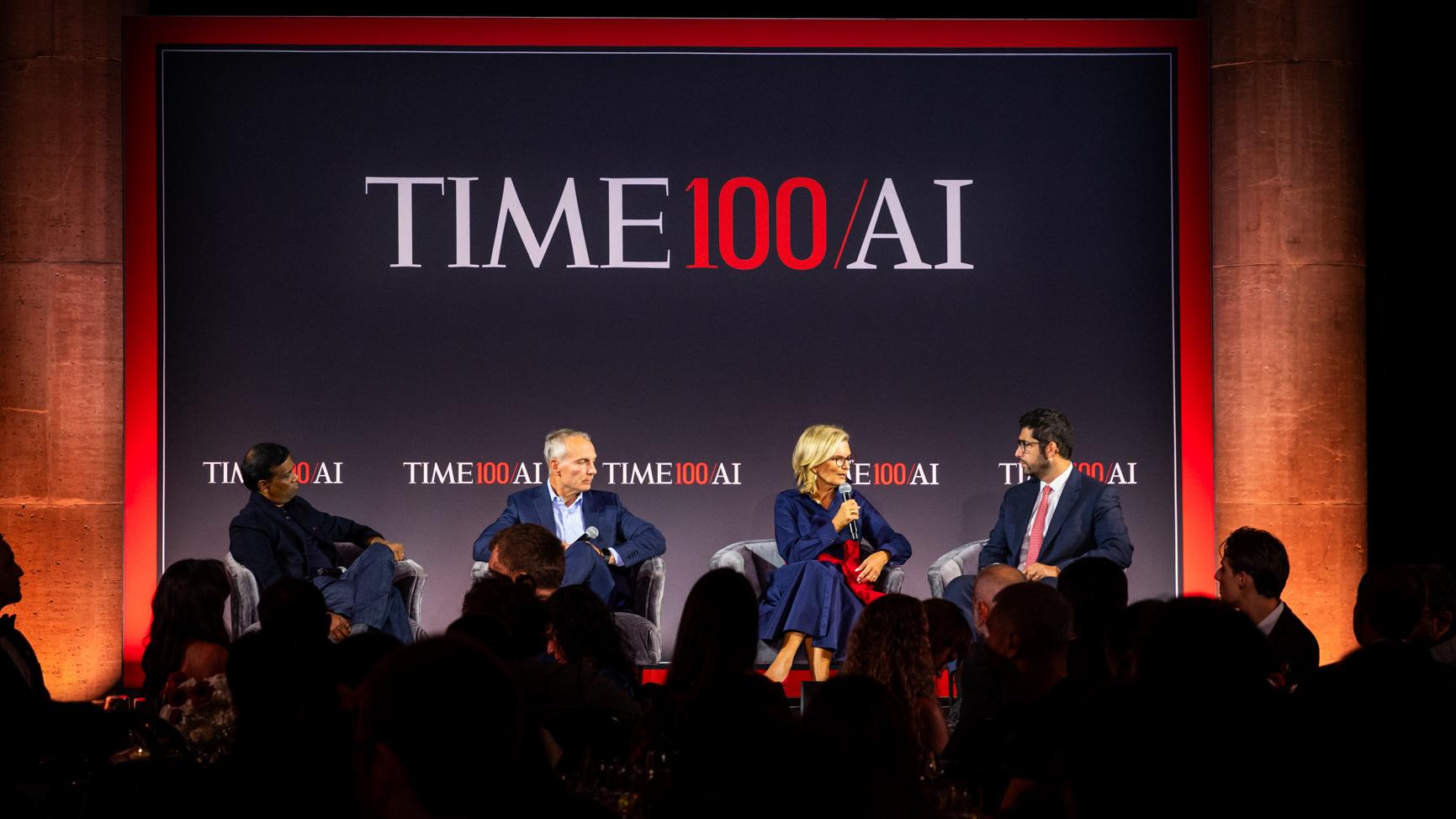
Panelists at the third annual TIME100 AI Impact Dinner in San Francisco discussed the potential impacts of artificial intelligence on the economy and job markets. Glen Fogel, CEO of Booking Holdings, highlighted how his company once employed thousands of human translators but now uses technology to manage translations, raising concerns about job displacement. Ravi Kumar S, CEO of Cognizant, suggested that AI could democratize power within companies by empowering front-line workers while advocating for new taxes on firms using AI to replace humans. Both emphasized the need for government intervention to mitigate social disruption caused by rapid technological change.
Written by the local model on 2026-09-15,
using this article's own text rather than the other coverage of the
same event (that is the story summary below).
Artificial intelligence could flatten your company hierarchy, improve global agriculture, and give you the perfect vacation.
uncertain
intelligence → flatten → vacation
It could also leave you permanently jobless, destroy your region’s economy, and cause mass social upset.
uncertain
It → leave → upset
Those high-stakes defined the mood as panelists at the third annual TIME100 AI Impact Dinner grappled with the dilemmas of machine intelligence in San Francisco on Monday night.
asserted
panelists → define → night
Chief among them: whether AI will cause mass job loss, a new jobs boom, or both at once.
asserted
AI → cause → loss
“At the beginning of the century, our company,” said Glen Fogel, chief executive of travel conglomerate Booking Holdings, which sponsored the event, “had human translators, thousands of them. …
asserted
which → say → them
How many human translators do you think we have today?
asserted
we → think → translators
I don’t know what they’re doing right now, but I feel bad.
asserted
I → know → what
Their job is just no longer needed.”
asserted
job → need → ?
He also outlined his company’s vision for AI travel agents that can organize your vacation to suit your preferences and reorganize it on the fly if weather or delays throw a spanner in the works.
asserted
weather → outline → works
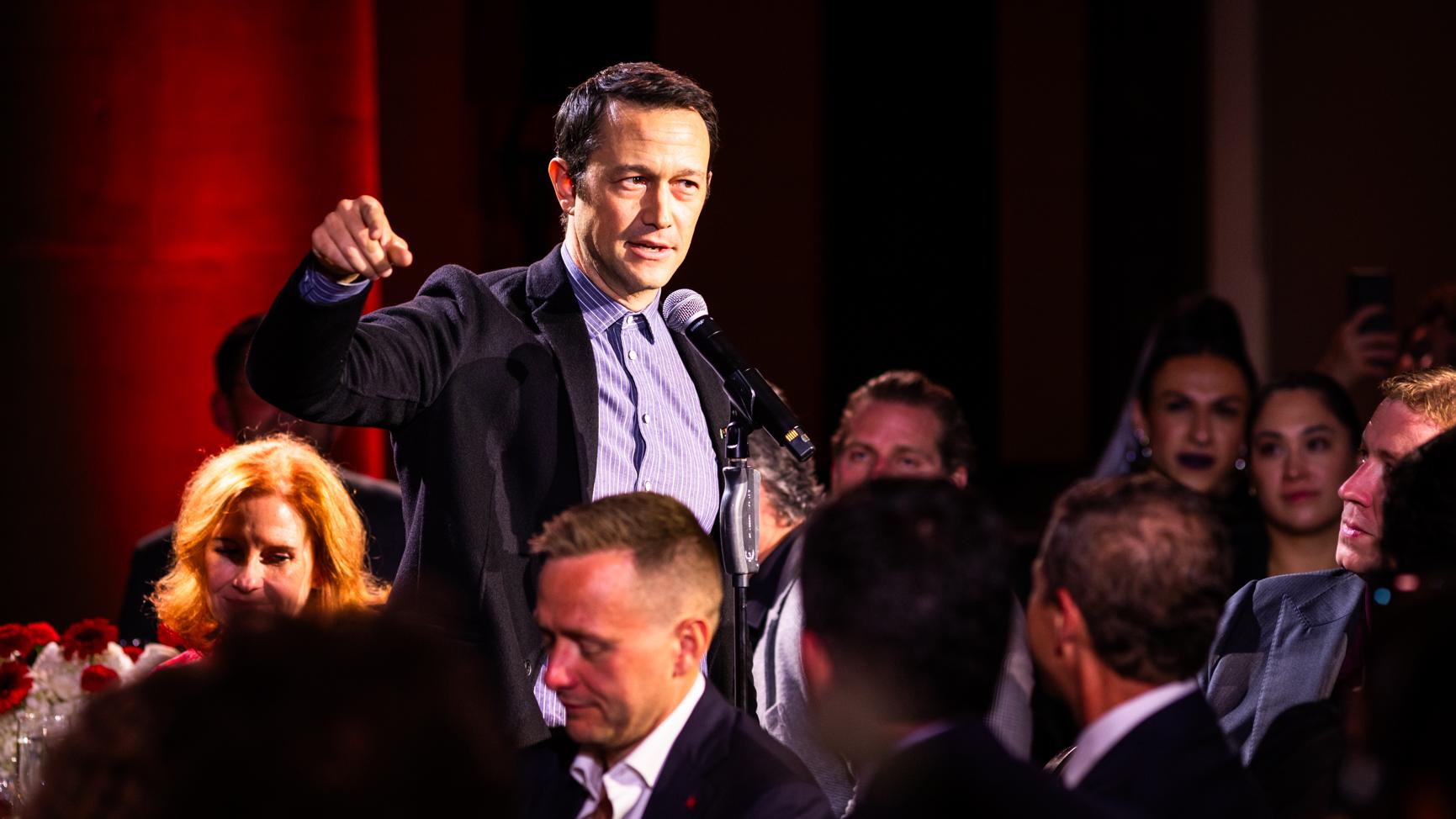
Fogel was among the executives, innovators, storytellers, and activists gathered at the city’s Asian Art Museum to celebrate those honored in the 2026 TIME100 AI list, which highlights the year’s most influential people in AI.
asserted
which → gather → AI
In an on-stage discussion before the dinner, TIME editor in chief Sam Jacobs asked panelists what trends they saw in the labor market — and how worried new graduates should be about their future.
asserted
graduates → ask → future
“[AI] needs to be pivoted in the right direction,” said Ravi Kumar S, CEO of the outsourcing giant Cognizant, which also sponsored the event.
asserted
which → need → event
Whereas previous tech disruptions have shifted power upward in the corporate structure, he argued, AI could shift it downward: giving more power, capability, and control to everyday employees.
uncertain
AI → shift → employees
“This is a technology which will flatten the pyramid if you can drift the capability to the front lines,” he said.
asserted
he → flatten → lines
But, he added, “companies all over the world are still not doing that.”
asserted
companies → add → that
He advocated new taxes on companies that use AI to replace human workers, as a “temporary bridge” to a more stable future economy.
asserted
that → advocate → economy
Fogel warned of social unrest if governments don’t act now to limit the impact on people who cannot realistically retrain into AI-based careers.
asserted
who → warn → careers
“I’m concerned about how fast this change is happening.
asserted
change → ’m → ?
In the past it happened much slower,” he said.
asserted
he → happen → past
“I think government has to have a role in making sure that this transition period is done in a way that we don’t end up in societal disruption.”
asserted
we → think → disruption
Booking Holdings, for its part, he said, is training “every single employee” to become “AI literate” — so that “if, God forbid,” the company can no longer justify their jobs, they might find other work.
uncertain
they → say → work
Still, both men expressed skepticism about recent calls by U.S. AI workers and some executives to “pace the frontier” and slow down advanced research and development.
asserted
men → express → research
If U.S. companies slow down but “bad actors” do not, Kumar S argued, “then you are in a much worse situation.”
asserted
you → slow → situation
Fogel similarly warned that companies abroad — he did not name “China” — were “feverishly trying to develop similar technologies,” likening the problem to nuclear proliferation.
asserted
he → warn → proliferation
But AI’s potential isn’t all bad, the speakers agreed.
asserted
speakers → agree → ?
Fellow panelist Doreen Bogdan-Martin, secretary general of the International Telecommunication Union, praised countries such as Canada and Rwanda for their investments in upskilling their populations.
asserted
Martin → praise → populations
She added that AI-literate young people in the developing world are already creating “tremendous” new innovations in agriculture, early warning systems, healthcare, and education.
asserted
people → add → agriculture
But she also advocated international effort to “connect the unconnected,” pointing out that 2.2 billion people around the world have still never used the internet and 71 percent have never used generative AI.
asserted
percent → advocate → AI
“I’m all about AI for good and AI for all,” she said.
asserted
she → ’m → all
“We need to be thinking about capacity development, access to compute ... helping ensure that the rest of the world is at the table to be part of this conversation ... not just as a consumer but also a producer.
asserted
rest → need → consumer
The TIME100 Impact Dinner: Leaders Shaping the Future of AI was presented by Deloitte, Booking.com, and Cognizant.
asserted
Dinner → shape → Deloitte
 The Aporia