The Aporia

Sullivan, H. (2026, October 22). UK's gaps in Arctic defence leave it open to Russian attacks, committee warns. BBC News. https://www.bbc.co.uk/news/articles/cmj471wgpky7o?at_medium=RSS&at_campaign=rss
Sullivan, Helen. “UK's gaps in Arctic defence leave it open to Russian attacks, committee warns.” BBC News, 22 Oct. 2026, https://www.bbc.co.uk/news/articles/cmj471wgpky7o?at_medium=RSS&at_campaign=rss.
Sullivan, Helen. “UK's gaps in Arctic defence leave it open to Russian attacks, committee warns.” BBC News, October 22, 2026. https://www.bbc.co.uk/news/articles/cmj471wgpky7o?at_medium=RSS&at_campaign=rss.
Dated from the outlet's own feed. Check the original for its byline.
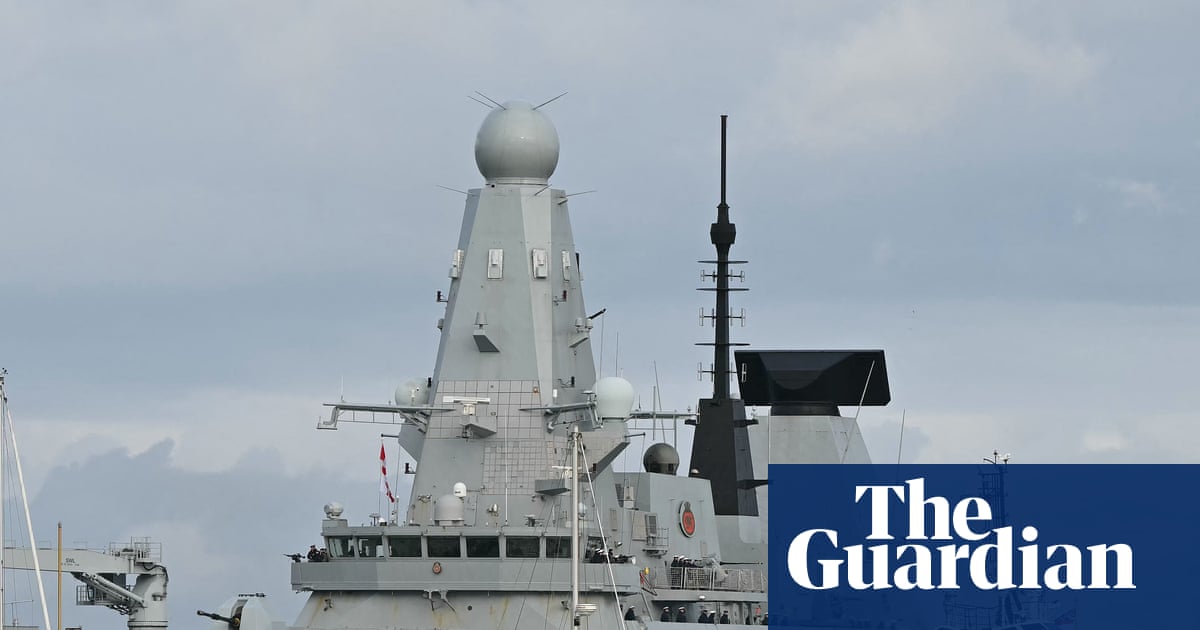
MPs on the UK's Defence Select Committee have warned that Britain lacks sufficient naval resources to counter potential Russian threats in the Arctic region. The committee emphasized the need for more warships and submarines by 2030, citing concerns over the deployment of HMS Dragon to Cyprus this spring and the fact that all five Astute-class attack submarines were docked this summer. They noted that if the US does not support NATO in a crisis, as acknowledged during Donald Trump's presidency, there would be critical military gaps.
The committee highlighted that the UK currently does not have all necessary capabilities to operate effectively in the High North, an area becoming increasingly strategic due to climate change and Russia’s growing interest in Arctic energy resources. The MPs also noted the breakdown of HMS Protector, Britain's only ice patrol ship, and warned of potential threats to undersea cables and energy supplies.
Committee chairman Tan Dhesi stated that addressing these gaps is crucial for UK security, especially given Russia's ambition to dominate this challenging environment militarily. The report suggests considering whether the British-led Joint Expeditionary Force (JEF) should focus more on Arctic defense in light of uncertain US support for NATO.