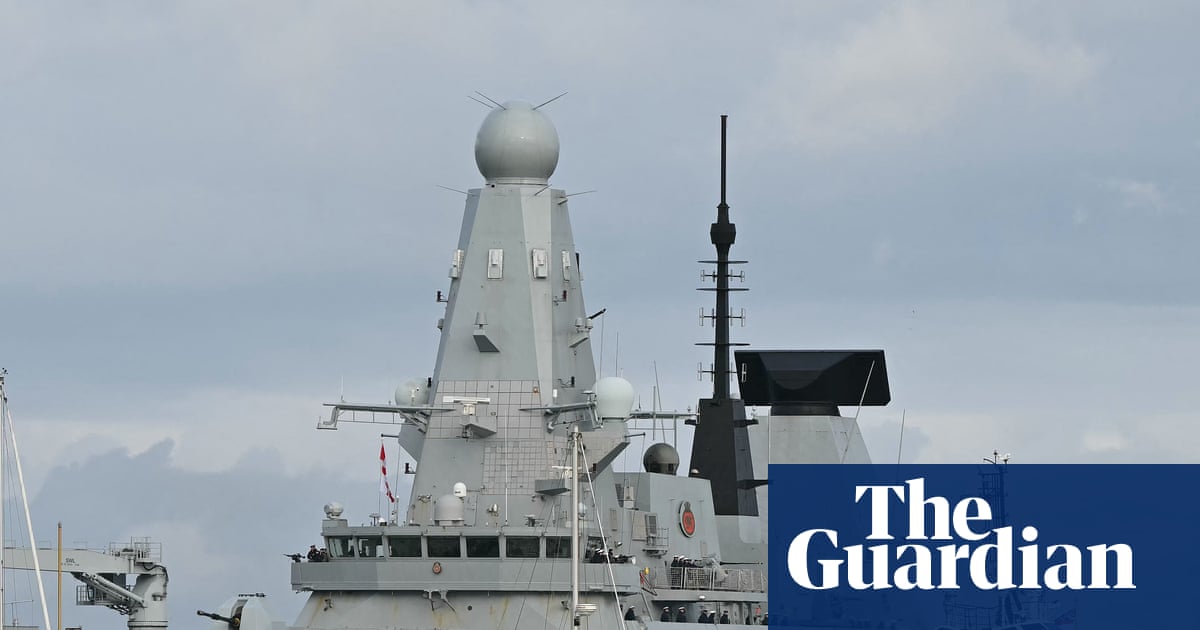
Britain and her allies are leaving the Arctic for the taking by Vladimir Putin, according to a devastating report.
uncertain
Britain → leave → report
MPs found critical shortages of Royal Navy warships could allow Russia to plunder the High North for its energy resources and to control shipping routes.
uncertain
Russia → find → routes
The study by the Defence Select Committee comes after the UK's only ice patrol ship HMS Protector broke down.
asserted
ship → come → Committee
While earlier this week the Mail revealed how a further eight crewed warships, including minehunters and offshore patrol vessels, are expected to be withdrawn over the next five years.
asserted
warships → reveal → years
Meanwhile, the Kremlin is building up its naval assets in the region where melting ice caps are hotting up the competition for oil, gas and rare mineral resources that were previously beyond reach.
asserted
that → build → reach
By 2040, the Arctic is expected to be 'ice free' during the summer months – a development expected to increase China's military involvement.
asserted
Arctic → expect → involvement
Committee chairman Tan Dhesi said: 'The High North poses a major strategic challenge for UK security.
'
asserted
North → say → security
Our greatest adversary, Russia, is seeking to dominate this demanding, hostile environment for its military advantage.
asserted
adversary → seek → advantage
The UK needs to address a hard truth: it does not have all the capabilities to operate successfully in the High North.
asserted
it → need → North
The breakdown of HMS Protector has left Britain without a single vessel specifically designed for polar expeditions - a capability gap that could prove costly in the High North
HMS Prince of Wales seen here leaving Portsmouth on Sunday is leading the UK Carrier Strike Group's deployment to the Arctic and North Atlantic, accompanied by HMS Dauntless
'Russian submarine and sabotage forces pose direct risks to the North Atlantic and the UK, including the nuclear deterrent.
uncertain
forces → leave → deterrent
Despite this the Ministry of Defence has accepted a serious anti-submarine warfare gap.
asserted
Ministry → accept → gap
'Publicly available evidence of low availability among destroyers, frigates and attack submarines calls into question whether the UK can meet its commitments to the High North.'
asserted
UK → call → North
The region is home to Russia's strategic nuclear, naval and undersea sabotage capabilities and forces which pose a threat to UK territorial waters, where there has been a sharp rise in Russian activity.
asserted
which → pose → activity
Assessing the UK's military capabilities to defend the High North, MPs could scarcely have been more scathing, saying: 'The current reality could hardly be bleaker.
uncertain
reality → assess → North
According to a NATO internal document the UK is number 31 out of 32 alliance countries for how effectively they are meeting rearmament promises.
uncertain
they → accord → promises
MPs concluded that measured against its own requirements the Ministry of Defence has a serious anti-submarine warfare gap.
asserted
Ministry → conclude → gap
Towed array sonar-equipped frigates are central to detecting and tracking hostile submarines.
asserted
frigates → tow → submarines
However, in recent years the fleet has been reduced from eight to five vessels, weakening the UK's ability to respond to the Russian submarine and underwater sabotage threat.
asserted
fleet → reduce → threat
MPs concluded the 'low availability among destroyers, frigates and attack submarines raises serious questions about whether the UK can meet its High North commitments.'
The High North – encompassing the Arctic floating mass of ice and the northern extremity of the North Atlantic – has become critical to UK security.
The Royal Marines, seen here conducting boarding drills aboard RFA Lyme Bay, won praise from MPs for their professionalism and arctic warfare expertise.
asserted
Marines → conclude → professionalism
Chinook helicopters equipped with skis from 18 Squadron RAF have been operating from the Royal Norwegian Air Force Base at Bardufoss.
asserted
helicopters → equip → Bardufoss
Melting ice caps have also drastically shortened maritime transit routes for Russian and Chinese naval vessels, including those equipped with strategic nuclear missiles.
asserted
caps → melt → missiles
The threat has been exacerbated by global warming which has increased access to the region and its oil, gas and critical mineral reserves.
asserted
which → exacerbate → region
Russia is relying on natural gas reserves, oil resources and hydrocarbon resources in the Arctic to support its future economy.
asserted
Russia → rely → economy
MPs added that US plans to withdraw military assets from the Euro-Atlantic region will further expose the High North to Russian and Chinese aggression.
asserted
plans → add → aggression
Academic Dr Marc De Vore, who was interviewed by MPs said: 'If we do not act to contest Russia's illegal efforts to territorialise the northern sea route, we will find after 2030 the Russians have set up a de facto monopoly on transit.
asserted
Russians → interview → transit
Failing to contest that will give Russia a tremendous amount of wealth and geopolitical advantage.'
asserted
contest → fail → wealth
Britain leads the Joint Expeditionary Force (JEF) coalition of maritime forces in northern Europe.
asserted
Britain → lead → Europe
But MPs found it is not functioning optimally.
asserted
it → find → ?
They reported: 'The JEF lacks some major NATO powers.
asserted
JEF → report → powers
Further the JEF neither specialises in the shallow waters of the Baltic or on anti-submarine operations in the harshness of the High North.
asserted
JEF → specialise → North
One commentator referred to the JEF as a 'jack of all trades' and therefore a master of no military tasks.
asserted
commentator → refer → tasks
The JEF should consider specialising in what is probably its most demanding mission.
asserted
what → consider → ?
That is defending the Greenland-Iceland-UK Gap and the Svalbard-Bear-Northern Norway Gap from Russian sub-surface activity.'
HMS Prince of Wales, one of Britain's £3.5billion aircraft carriers, is currently deployed to the High North.
asserted
Prince → defend → North
While more than 1,200 personnel are deployed as part of its Carrier Strike Group (CSG).
asserted
personnel → deploy → Group
The CSG consists of HMS Dauntless, F-25 fighter jets, Merlin anti-submarine helicopters, Wildcat helicopters and drones.
asserted
CSG → consist → Dauntless
All 10 JEF nations have agreed to improve their integration, training and capability development to enable forces to deploy more rapidly against emerging threats.
asserted
nations → agree → threats
Last night the Royal Navy defended its approach to protecting the High North.
asserted
Navy → defend → North
A spokesman said the service was 'clear-eyed' about the Russian threat and was meeting that threat.
asserted
service → say → threat
They said: 'Through the UK-led Joint Expeditionary Force, we are leading allied activity across the High North, strengthening NATO's northern flank and increasing our ability to respond rapidly to emerging threats.
asserted
we → lead → threats
This government is also investing in the capabilities needed to meet those threats, with £1.5 billion backing Atlantic Bastion to deliver a next-generation Hybrid Navy and a further £330 million to strengthen the protection of critical undersea infrastructure.
asserted
billion → invest → infrastructure
 The Aporia