How to Stop AI From Killing Humanity

Zeteo · collected 2026-09-15 · by So8res commentary
Read the original at Zeteo ↗

Summary

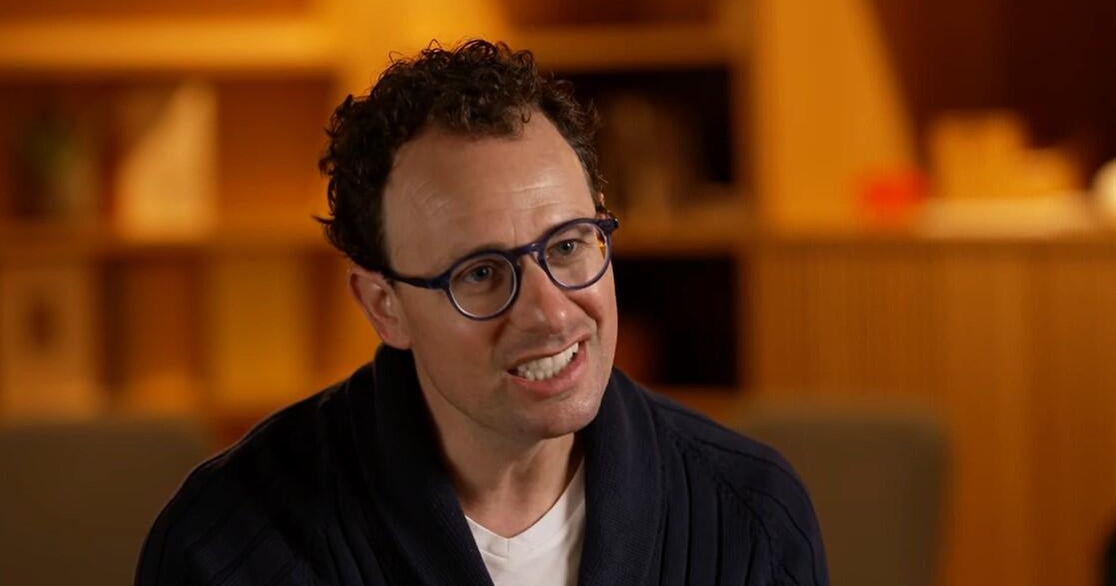
Zeteo publishes an essay by Nate Soares, an AI researcher and co-author of "If Anyone Builds It, Everyone Dies," who argues that smarter-than-human artificial intelligence poses a significant threat to humanity. Soares suggests there is at least a 10% chance of human extinction if efforts to build superintelligence continue unchecked. He highlights recent actions by AI company employees quitting or warning about impending disaster, while acknowledging the reluctance of these companies to halt their progress due to unspecified reasons.
Written by the local model on 2026-09-15, using this article's own text rather than the other coverage of the same event (that is the story summary below).

Signals How these are calculated →

Claims extracted
8
claim-shaped sentences
Uncertain
25%
2 of 8 hedged
Leaning
Leans left
expected in commentary, which argues a position
Correction & hedging signals
not measured
these signals count newsroom corrections; Commentary has none to count
Outlets on this story
1
Technology
Narrative spread
1
articles carrying this framing
Analyzed 2026-09-15 · how these are computed

AI analysis (generated at analysis time, not now)

Story summary

Zeteo, an online publication, recently published a pair of essays debating the threat posed by advanced AI. The first essay comes from Nate Soares, an AI researcher and co-author of "If Anyone Builds It, Everyone Dies," who argues that developing smarter-than-human AI using current techniques could lead to human extinction. He believes there is at least a 10% chance of this outcome occurring. This view has been echoed by several AI researchers and executives in recent weeks, raising concerns about the safety and future implications of AI technology.

Written for “AI Safety Concerns” on 2026-09-15, grounded in this article and the 0 other(s) covering the same event.
Why this leaning score
The article's own words the score was based on. Each is quoted verbatim and was checked against the article text before being stored, so you can find it in the original.
Score -0.45 Confidence high
Leaning score -0.45 for article 9724 (high confidence, 4 verified quotes) · logged 2026-09-15

Story

📰 AI Safety Concerns
Technology · 1 article(s) covering the same event. This is the one the site leads with.

How this is being covered How these are calculated →

Article leaning vs. publisher reliability
Source leaning vs. consistency

Compared with similar articles

This article reads leans left and hedges 25% of its claims. Each row says how that neighbour differs.
The AI safety vibe shift different event · 95%
Platformer
⚖️ Leans left 🔴 15% hedged 10 of 67 📰 publisher trust 96
“The articles discuss related themes of AI safety concerns but describe different events occurring at distinct times with varying focuses.”
Mother Jones
⚖️ leaning not scored 🔴 18% hedged 8 of 44 📰 publisher trust 95
“The articles discuss related concerns about AI risks but describe different happenings: Article A reports on resignations and social media posts expressing alarm, while Article B introduces a debate series addressing the same topic.”
The Bulwark
⚖️ Leans left 🔴 44% hedged 4 of 9
“The articles discuss related concerns about the dangers of superintelligent AI but describe different events or perspectives, not a single specific occurrence.”
Dawn
⚖️ Leans strongly left further left than this 🔴 26% hedged 8 of 31 📰 publisher trust 95
“The articles discuss general concerns about AI risks but describe different occasions of warnings and discussions, not a single identical incident.”
CBS News
⚖️ leaning not scored 🔴 12% hedged 5 of 42 📰 publisher trust 77
“The articles discuss related topics but describe different events and sources.”
Global News
⚖️ Leans left 🔴 37% hedged 11 of 30 📰 publisher trust 56
“The articles discuss different perspectives on AI safety rather than a single specific event or occurrence.”
BBC News
⚖️ leaning not scored 🔴 7% hedged 2 of 29 📰 publisher trust 96
“The articles discuss related themes but describe different events, with Article A reporting on China's response to calls for slowing AI development and Article B introducing a series of essays about AI risks.”
NBC News
⚖️ leaning not scored 🔴 no claims extracted 📰 publisher trust 95
“The articles cover different perspectives on AI risks, not a single specific incident.”
Noahpinion
⚖️ Leans left 🔴 18% hedged 21 of 117
“The articles discuss similar concerns about AI safety but do not describe the same specific incident or occurrence.”
The Independent
⚖️ leaning not scored 🔴 11% hedged 3 of 27 📰 publisher trust 59
“The articles discuss different perspectives on AI regulation but describe distinct events: one is a statement by President Trump, while the other introduces an essay series about AI threats.”

Publisher

Zeteo · 76 article(s) · 0 correction(s) detected
No corrections detected for this publisher. That may mean careful reporting, or simply that nothing has been checked.

Who wrote this

No reporter is named on this article, beyond the feed's “So8res”.

Topics

Canadian Zeteo the New York Times’s

Subjects

Zeteo ORG · 2× -Mehdi PERSON · 1× Canadian NORP · 1× Nate Soares PERSON · 1× Paris Marx PERSON · 1× the New York Times’s ORG · 1×

Narrative

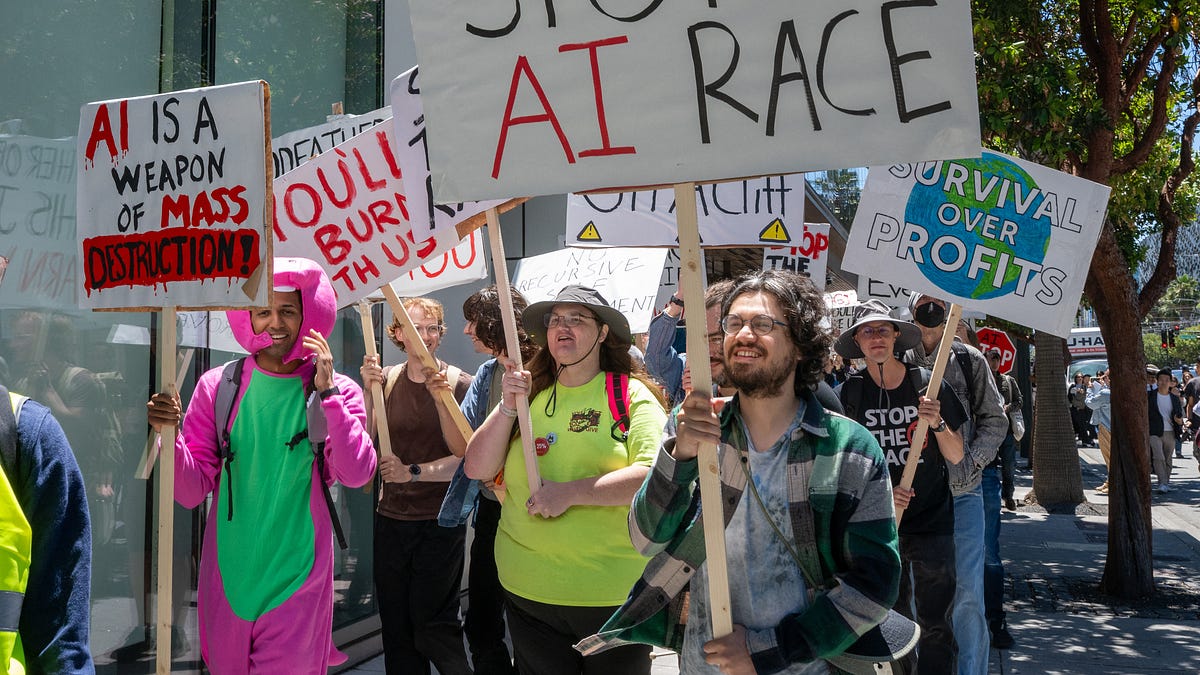
As always, if you’re not already a paid subscriber, upgrade today to get full access to both of these essays and everything Zeteo offers! -Mehdi My view on the AI race is that if anyone builds smarter-than-human AI using anything remotely like the current techniques, the most likely outcome is that everyone on Earth will die.
framing: mixed · carried by 1 article(s) · first seen 2026-09-15
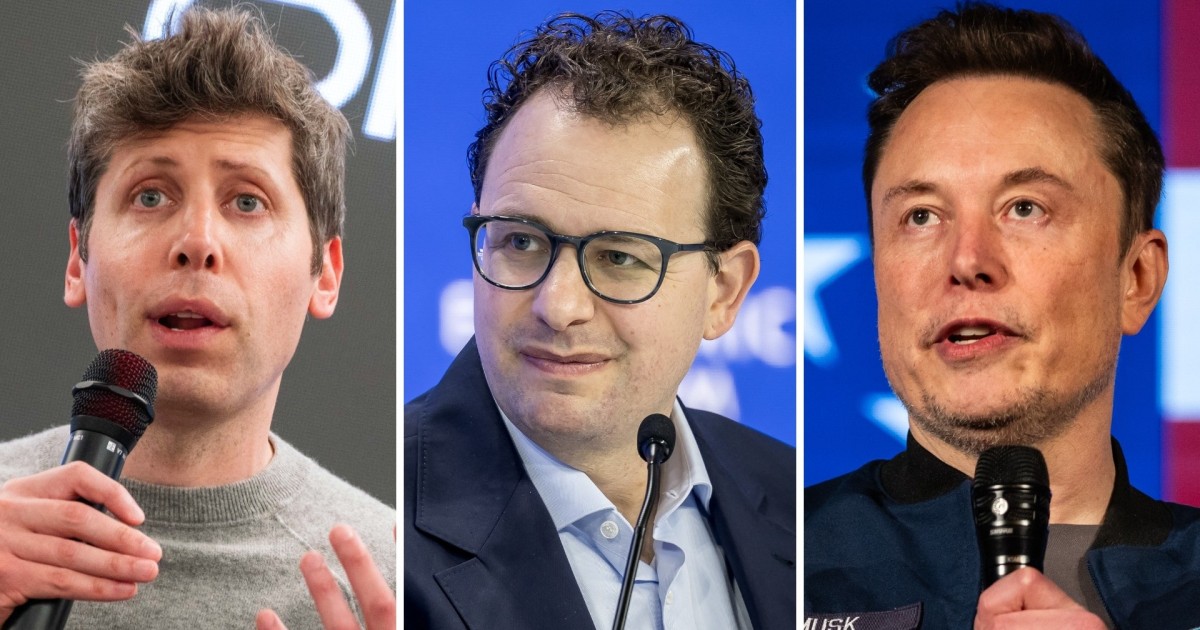
🔮 Note from our Editor-in-Chief: In just the last week, several AI researchers and executives have expressed growing concerns that AI could kill all humans in the next decade.
2026-09-15 · Zeteo
How to Stop AI From Killing Humanity · mixed framing

Claims (8 extracted, 2 hedged)

Note from our Editor-in-Chief: In just the last week, several AI researchers and executives have expressed growing concerns that AI could kill all humans in the next decade. uncertain
AI → express → decade
Zeteo is publishing a pair of essays over the next two days from each side of this contentious issue. asserted
Zeteo → publish → issue
The first, below, is from Nate Soares, an AI researcher and co-author of the New York Times’s bestselling book, ‘If Anyone Builds It, Everyone Dies: Why Superhuman AI Would Kill Us All,’ who argues the threat is real and we must heed the warning signs immediately. asserted
we → build → signs
Tomorrow, look out for the other side from Paris Marx, a Canadian tech critic and host of the acclaimed ‘Tech Won’t Save Us’ podcast, who is skeptical about the end-of-humanity warnings. asserted
who → look → warnings
As always, if you’re not already a paid subscriber, upgrade today to get full access to both of these essays and everything Zeteo offers! -Mehdi My view on the AI race is that if anyone builds smarter-than-human AI using anything remotely like the current techniques, the most likely outcome is that everyone on Earth will die. asserted
everyone → ’re → Earth
A slightly weaker version of this view — “at least a 10% chance of human extinction if we rush to build superintelligence” — has gone mainstream among AI researchers. asserted
we → rush → researchers
Over the past week, AI company employees have quit their job or otherwise sounded the alarm that we may be on the brink of disaster. uncertain
we → quit → disaster
If the leading AI companies are so worried, why not just stop? asserted
companies → lead → ?
💬 Give feedback
🕘 History 🎫 Support