- Published
Nigeria's first confirmed case of Ebola since the outbreak in East Africa began in May is the wife of a diplomat who travelled to Uganda's capital for a holiday, the head of Africa's health agency has told the BBC.
uncertain
head → confirm → BBC
The woman is originally from Uganda but based in Abuja, where she fell ill three days after arriving home in the Nigerian capital on 3 October, according to Dr Jean Kaseya from the Africa Centres for Disease Control and Prevention.
uncertain
she → base → Control
Nigeria's health minister has confirmed to the BBC the 42-year-old patient spent two and a half weeks in Kampala, adding that she also made a two-hour stopover in Ethiopia's capital on her return.
"She's stable, she's improving," Muhammad Ali Pate said.
asserted
Pate → confirm → return
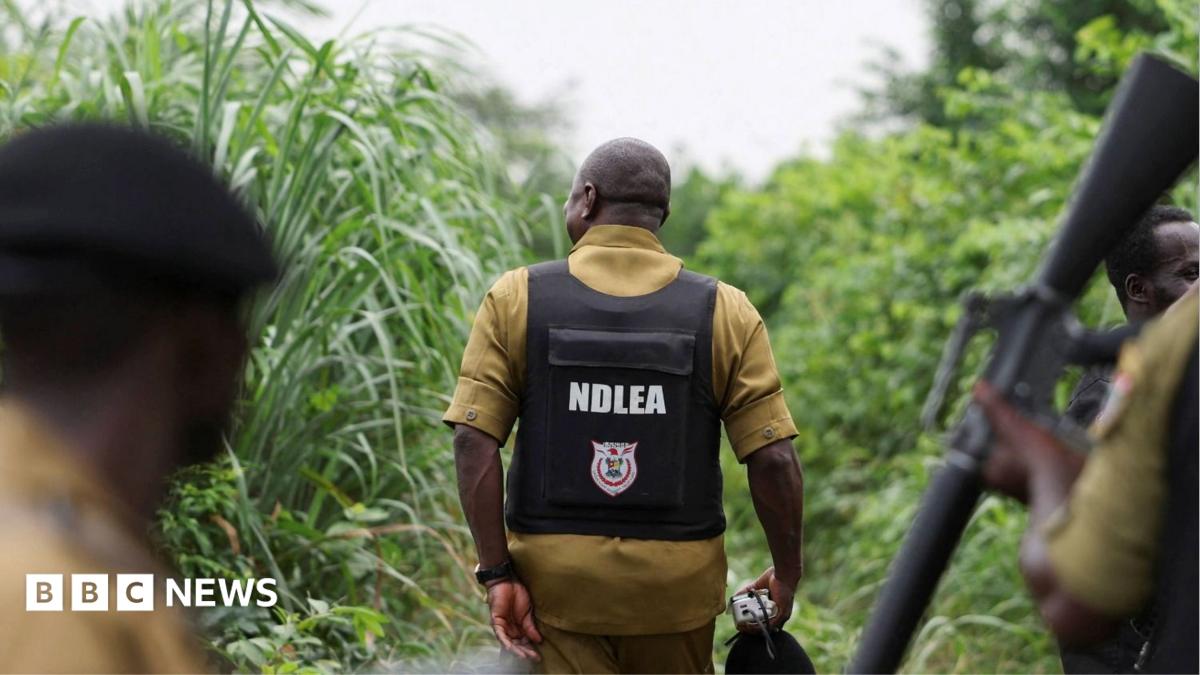
The authorities were working to prevent the virus from spreading and had identified 44 people who had been in contact with the woman, who tested positive for Ebola on Tuesday, the minister said.
asserted
minister → work → Tuesday
We cast the net wide so that we contain it as broadly as possible," Pate told the BBC.
asserted
Pate → cast → BBC
None of the contacts, who are now in isolation, are known to have developed symptoms, including the person the patient travelled with, the health minister said, adding that the woman had not travelled outside Abuja since landing.
asserted
woman → know → Abuja
Kaseya explained that the woman had first developed symptoms on 6 October when she had sought medical help.
asserted
she → explain → help
"She went to the first hospital, a private hospital, thinking that she had malaria, and then she went to the second private hospital.
asserted
she → go → hospital
She was admitted on the 11th," he told the BBC's Newshour programme.
asserted
he → admit → programme
After her condition failed to improve, public health authorities were alerted on Monday 19 October, Pate said.
asserted
Pate → fail → Monday
Her diagnosis was confirmed the next day following three laboratory tests, he said.
asserted
he → confirm → tests
The incubation period for Ebola ranges from two to 21 days, meaning those exposed to the virus may not become ill for several weeks.
uncertain
those → range → weeks
Ebola is a rare but deadly disease, external caused by a virus.
asserted
Ebola → cause → virus
As the disease progresses, vomiting and diarrhoea develop and it can lead to organ failure.
asserted
it → progress → failure
Some, but not all, patients develop internal and external bleeding.
asserted
patients → develop → bleeding
The disease spreads from one person to another by contact with infected bodily fluids such as blood or vomit.
asserted
disease → spread → blood
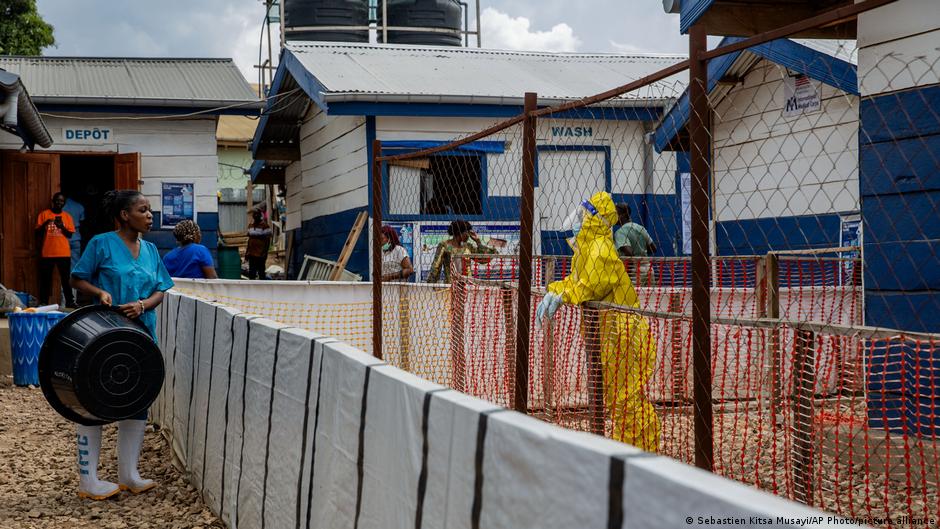
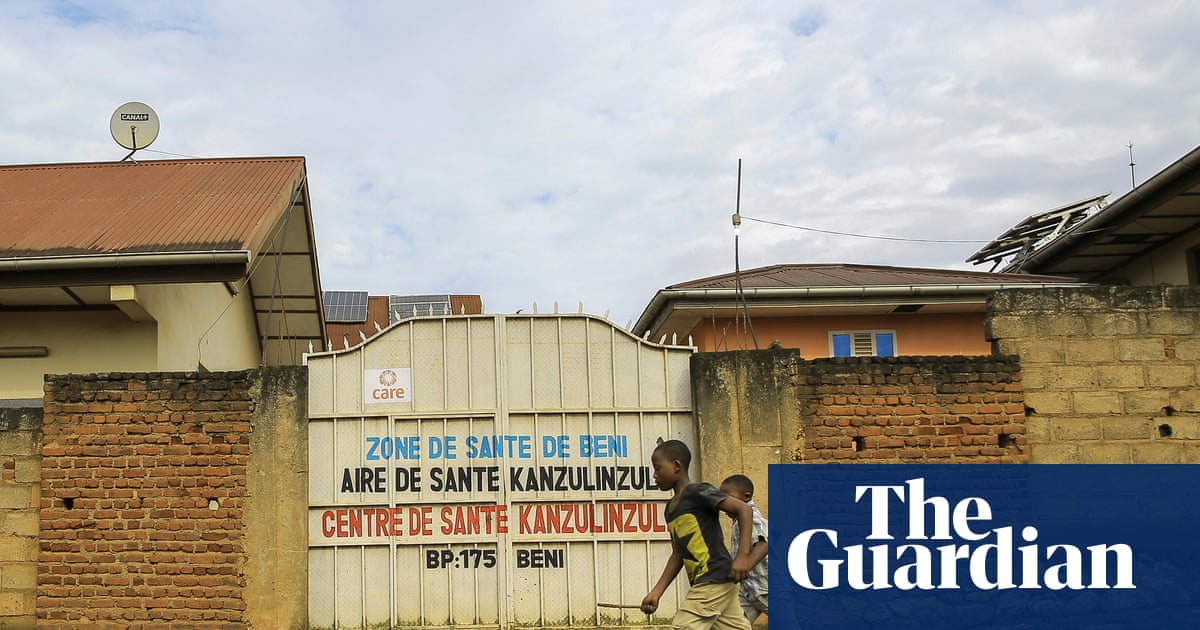
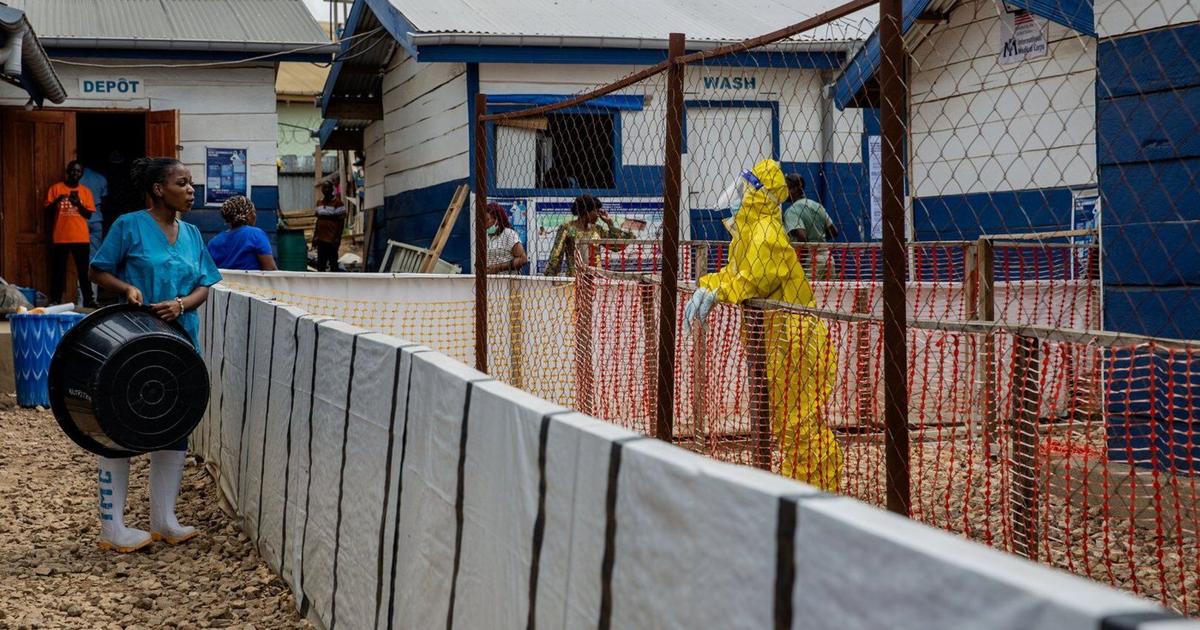
The outbreak in Democratic Republic of Congo, which began in May, has claimed at least 4,600 lives, with more than 9,500 cases recorded, the European Centre for Disease Prevention and Control reports, external.
uncertain
Centre → begin → Prevention
Shortly after the outbreak was announced, it was also reported in Uganda, where at least two people died.
asserted
people → announce → Uganda
Uganda declared itself free of the disease in August after its last patient was discharged.
asserted
patient → declare → August
Pate and Kaseya's comments contradict a statement issued earlier by the Ugandan ministry of health, which described the woman as a Nigerian national who had gone to eastern DR Congo for business, only transiting through Uganda.
asserted
who → contradict → Uganda
It insisted there were currently no confirmed active Ebola cases in the country and that the woman's passage through Uganda did not mean she had contracted the virus there.
asserted
she → insist → virus
Nigeria's health minister and the Africa CDC chief have sought to play down any tension.
asserted
minister → seek → tension
Pate said Nigerian officials were working with Uganda, Ethiopia and the Africa CDC to establish the full facts.
asserted
officials → say → facts
"We respect our sister nation of Uganda," he said. "We have very strong solidarity, we are all in it together."
asserted
we → respect → it
Kaseya also urged African countries to share information, saying this would help investigators trace the woman's movements and establish where she might have contracted the virus.
And he encouraged Western countries not to impose travel restrictions, saying "collaboration and solidarity" were the way to help stop the current outbreak.
uncertain
collaboration → urge → outbreak
The disease recently spread to Kenya, which has reported at least nine infections.
asserted
which → spread → infections
On Monday, the US advised its citizens to reconsider travel to Kenya because of health risks and raised its travel advisory level for the country.
asserted
US → advise → country
In 2014, Nigeria successfully contained an Ebola outbreak, which had resulted in 20 confirmed cases and eight deaths.
asserted
which → contain → cases
Pate expressed confidence in the country's ability to repeat that success, citing strengthened disease surveillance, laboratories and thousands of trained epidemiologists.
asserted
Pate → express → epidemiologists
"Nigeria has muscle memory that has been activated, but we are not fighting the past outbreak in the exactly the same way.
asserted
we → have → way
We have to be vigilant," he said.
asserted
he → have → ?
The outbreak in DR Congo has been caused by the Bundibugyo species of Ebola, which is relatively rare, with no approved vaccine or treatment - though trials are under way.
asserted
trials → cause → way
 The Aporia