Most Americans say AI is bad for society, oppose more data centers: ABC/Post/Ipsos poll
asserted
AI → say → centers
Majorities see risks in AI and fewer see benefits.
asserted
fewer → see → benefits
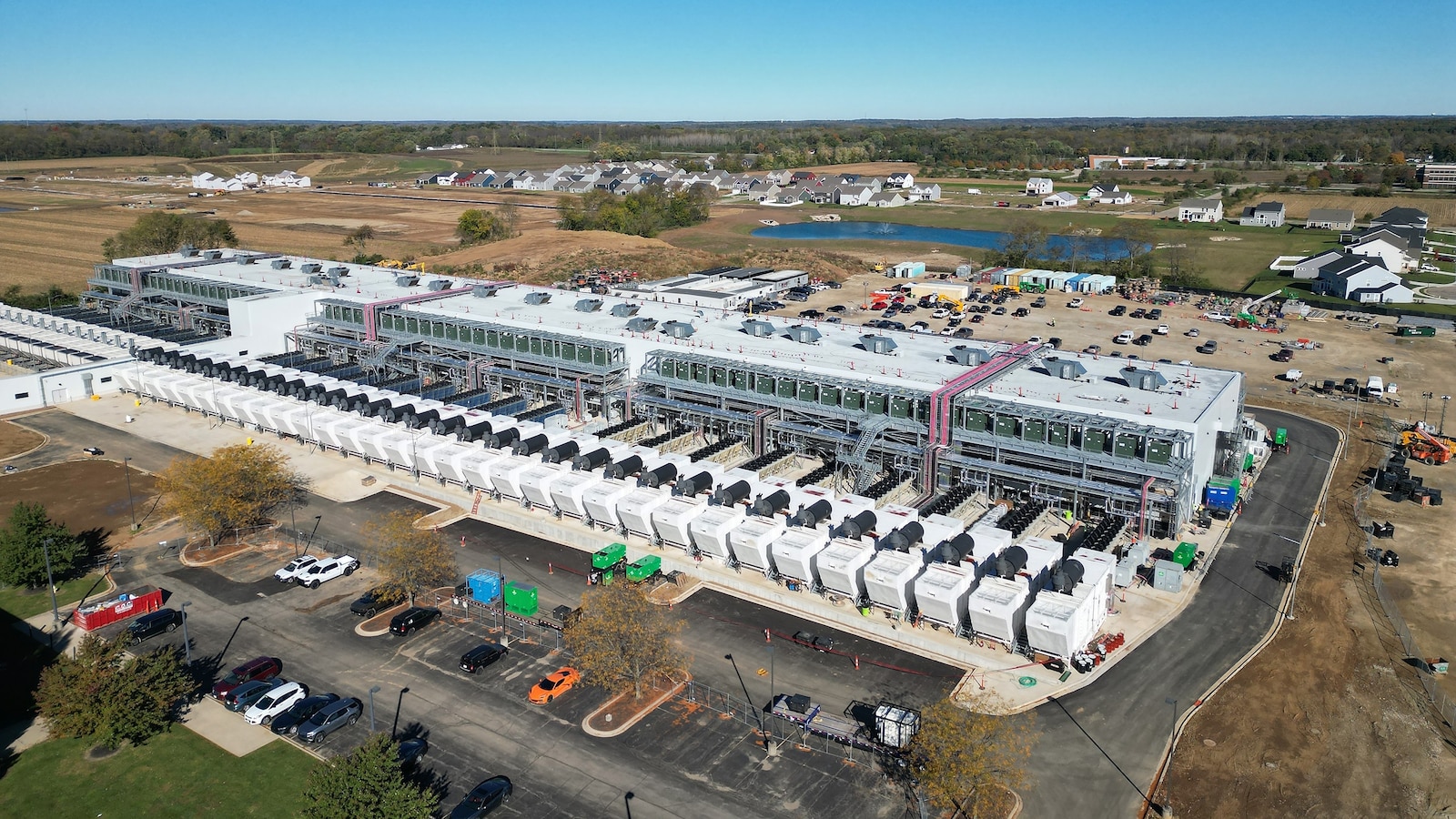
A majority of Americans say artificial intelligence is a bad thing for society and about two-thirds oppose the construction of new data centers in the U.S., with opposition even higher to building data centers in people's own communities, according to an ABC News/Washington Post/Ipsos poll conducted using Ipsos’ KnowledgePanel.
uncertain
opposition → say → KnowledgePanel
The poll finds that a 57% majority of Americans say AI is bad for society while 42% say it is good for society.
asserted
it → find → society
Just 2% say it is "extremely" good for society while 17% say it is extremely bad for society.
asserted
it → say → society
Tech leaders have issued warnings about the threat of AI and called for steps to slow it down before it outsmarts humans.
asserted
it → issue → humans
Following those warnings, lawmakers have weighed what -- if any -- action should be taken.
asserted
action → follow → warnings
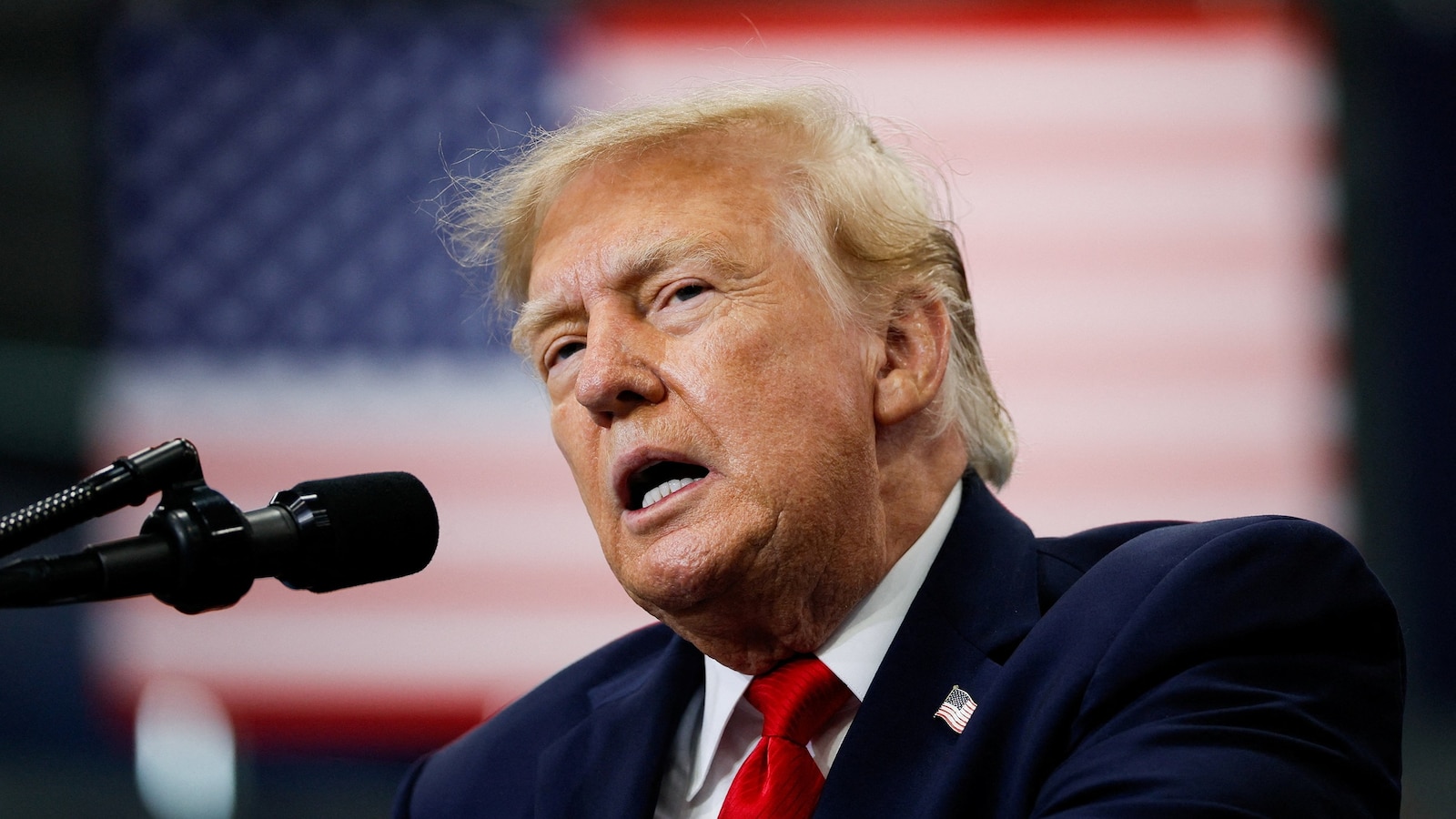
President Donald Trump, who has called warnings about AI a "hoax," met with several tech leaders at the White House last month, saying they signed a "constitution" to police themselves.
asserted
they → call → themselves
Younger Americans are more likely to say AI is bad for society than older Americans: 65% of Americans under 30 say AI is bad for society along with 59% of those 30 to 39.
asserted
AI → say → those
A slimmer majority of Americans 40 and older say AI is bad for society (53%).
asserted
AI → say → society
Majorities of Democrats (63%) and independents (58%) say AI is bad for society, while Republicans are more evenly split with 51% saying AI is good for society and 47% saying it is bad for society.
asserted
it → say → society
Still, Americans are more likely to say AI is good for them personally: 50% say AI is good for them and 49% say it is bad for them.
asserted
it → say → them
Again, intensity lies with the pessimists.
asserted
intensity → lie → pessimists
Five times as many people say it is extremely bad for them (15%) compared to extremely good (3%).
asserted
it → say → good
A majority of Republicans (57%) say AI is personally good for them while a similar majority of Democrats say it’s personally bad for them (55%).
asserted
it → say → %
Independents are split on whether AI is good (50%) or bad (49%) for them personally.
asserted
AI → split → them
When Americans were asked about various potential risks with the growth of AI, majorities say that most of the possible consequences are a "high risk."
asserted
most → ask → consequences
Nearly three-quarters of Americans, 73%, say there is a high risk of AI hacking secure computer systems, including majorities across partisan groups and age groups.
asserted
AI → say → groups
About two-thirds of Americans, 65%, say there is a high risk of the growth of AI leading to the elimination of many jobs, including majorities across age, partisan and income groups.
asserted
growth → say → groups
About 6 in 10 Americans, 62%, say there is a high risk of people losing the ability to make their own decisions without AI, including a larger majority of Americans under the age of 50 (67%).
asserted
people → say → 50
Majorities across partisan groups say there’s a high risk of people losing the ability to make their own decisions without AI: 68% of Democrats, 63% of independents and 55% of Republicans.
asserted
people → say → Republicans
More than half of Americans, 54%, say there is a high risk of increasing economic inequality due to the growth of AI, including most Democrats (66%) and independents (57%) and just over a third of Republicans (36%).
asserted
half → say → Republicans
Similar majorities across income levels say there’s a high risk of increased economic inequality with the growth of AI.
asserted
majorities → say → AI
One-third of Americans, 33%, say there is a high risk of human extinction due to the growth of AI -- a smaller share than the other risks, but for the most dire of consequences.
asserted
third → say → consequences
Democrats are more likely to say that the growth of AI will lead to a high risk of human extinction (40%) than Republicans (24%), with independents falling in between (34%).
asserted
independents → say → %
When it comes to the potential benefits of AI, smaller shares of Americans say there's a big chance of each happening -- although roughly the same share say there's a big chance of AI making everyday tasks easier as say that there is a high risk of human extinction due to AI.
asserted
tasks → come → AI
About one-third of Americans, 34%, say that the growth of AI has a big chance of making everyday tasks easier.
asserted
tasks → say → chance
That includes a larger share of Republicans (42%) than independents (33%) or Democrats (29%).
asserted
That → include → independents
Three in 10 Americans (30%) say that the growth of AI has a big chance of leading to U.S. dominance in AI technology, including more Republicans (41%) than independents (27%) or Democrats (25%).
asserted
growth → say → independents
Just 2 in 10 Americans (20%) say that the growth of AI has a big chance of making people more productive, including relatively small minorities across demographic groups; nearly twice as many say there is "little or no chance" of AI making people more productive (38%).
asserted
people → say → groups
And even fewer, 13% of Americans, say that the growth of AI has a big chance of creating many new jobs -- just over half, 52%, say it has little or no chance of creating many new jobs.
asserted
it → say → jobs
More Republicans (17%) than Democrats (9%) say that AI has a big chance of creating many new jobs, but even the share of Republicans saying this is quite small.
asserted
share → say → this
Most Democrats (60%) and independents (54%) along with 42% of Republicans say AI has little or no chance of creating many new jobs.
asserted
AI → say → jobs
Two-thirds of Americans say the federal government is not doing enough to regulate the growth and development of AI technology, including majorities of Democrats (80%), independents (66%) and Republicans (54%).
asserted
government → say → Democrats
Just 22% of Americans say the government is doing "about the right amount" to regulate AI.
asserted
government → say → AI
Two-thirds of Americans disapprove of how Trump is handling AI; just 30% approve.
asserted
% → disapprove → AI
Approval peaks among MAGA Republicans -- who make up about 6 in 10 Republicans -- 80% of whom approve.
asserted
% → peak → whom
But approval falls to 49% among non-MAGA Republicans, 50% of whom disapprove.
asserted
% → fall → whom
Wide majorities of Democrats (92%) and independents (75%) disapprove of how Trump is handling AI.
asserted
Trump → disapprove → AI
Americans trust Democrats over Republicans to handle AI, 26% to 19%, but about half say they don’t trust either party to handle AI (49%).
asserted
party → trust → AI
…and 11 more, not listed.
 The Aporia