In short:
Police are warning of an incoming "tsunami" of radicalisation among young Australians.
asserted
Police → warn → Australians
Senior officials have told a parliamentary inquiry that children and teenagers are being radicalised faster than ever before.
What's next?
Police are considering proposing an expansion of their powers to allow officers to more actively disrupt harmful online chat groups.
asserted
officers → tell → groups
Australia is at a "crossroads" and facing a "tsunami of youth crime", with police warning vulnerable children as young as 11 are being radicalised online at unprecedented speed, including a boy who allegedly planned a school shooting.
uncertain
who → face → shooting
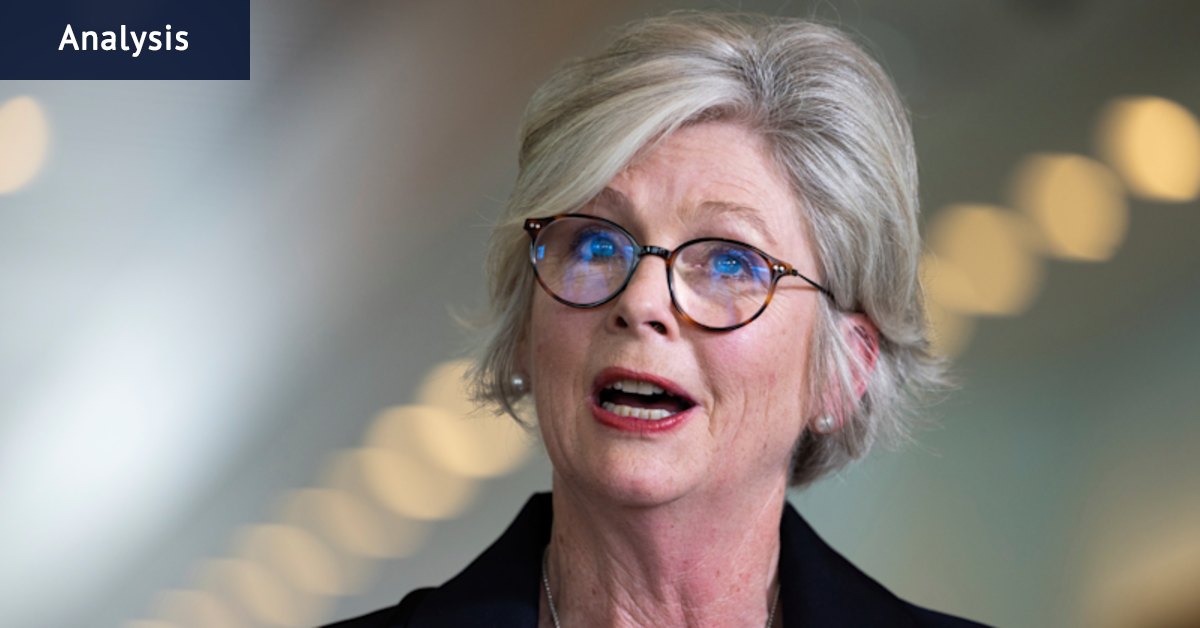
Acting Australian Federal Police (AFP) Deputy Commissioner Sandra Booth told a parliamentary inquiry the radicalisation of young people, which used to take "months or years", was now happening "within days".
asserted
which → act → days
She described an online world in which children were being targeted by "sadistic" predators, pointing to the case of a 13-year-old boy charged after police allegedly found a notebook at his home outlining plans to shoot classmates.
uncertain
police → describe → classmates
This was in Australia,"Deputy Commissioner Booth said.
asserted
Booth → say → ?
In another case, police charged an Australian teenager over child abuse material offences after alleging he joined a sadistic online network and requested his handle be written on a baby's face while the infant was forced to vape.
asserted
infant → charge → face
Speaking to the Joint Parliamentary Committee on Intelligence and Security (JPCIS), the AFP attributed the rapid escalation to artificial intelligence, a growing grievance generation, and "young people searching for purpose and belonging, and the sophistication of these online networks".
She said predators often turned "desperate victims into perpetrators".
asserted
predators → speak → perpetrators
"For example, youth are recording or live streaming animal crushing, physically or sexually assaulting their siblings to escape the hold their blackmailers have over them," she said.
asserted
she → record → them
"They think if they do what they are being asked, they will no longer be targeted".
asserted
they → think → what
Since 2020, counter-terrorism authorities have targeted 65 children aged between 12 and 17, with 35 of those investigations resulting in charges.
asserted
35 → target → charges
ASIO boss Mike Burgess has repeatedly said Australia faces an "unprecedented" threat environment, saying that while the national terrorism threat level remained at "probable", the overall security landscape justified describing the threat as unprecedented.
asserted
landscape → say → threat
ASIO Deputy Director-General Claire McGinnis said the agency's counter-terrorism caseload was getting younger, with Home Affairs later confirming an 11-year-old child had taken part in a de-radicalisation program.
asserted
child → say → program
Children use AI bots to plan attacks
The inquiry heard potential offenders were using AI chatbots to research and plan attacks.
asserted
offenders → use → attacks
Ms McGinnis said while there was no single factor that made young people susceptible to extremism, the fact many were digital natives made them more susceptible.
asserted
them → say → extremism
"[An AI chatbot] can bypass hours of work, for example, making attack planning more efficient,"Ms McGinnis said.
asserted
McGinnis → bypass → example
Encrypted apps were also an "enduring challenge" for ASIO, she said, because they "enabled anonymity".
asserted
they → say → anonymity
"Privacy is obviously very important but should not be absolute when we're dealing with significant threats," she said.
asserted
she → deal → threats
Police want powers to disrupt online chat rooms
Acting Deputy Commissioner Sandra Booth said the AFP was considering proposing an expansion of its powers to allow officers to more actively disrupt harmful online chat groups, including by posting messages which alert users that police are present.
asserted
police → want → users
Ms Booth said police were keen to explore ways to move beyond merely monitoring extremist content online.
asserted
police → say → content
"We do want to scope out how we can move forward from just covertly accepting violent extremist communications to more overtly interrupting chat groups and websites where youth are being radicalised," she said.
asserted
she → want → groups
The inquiry also heard concerns that some young people who completed behaviour-change and de-radicalisation programs later returned to extremist ideologies.
asserted
who → hear → ideologies
Representatives from the Department of Home Affairs said most referrals to de-radicalisation programs come from law enforcement agencies.
asserted
referrals → say → agencies
"I think that tells us we are picking too many people up too late in the piece,"Home Affairs counter-terrorism coordinator Brendan Dowling said.
asserted
Dowling → think → piece,"Home
"What we look to in the future is to have people identified earlier in the process by parents, by educators, by bystanders."
asserted
people → look → bystanders
He said young people entering de-radicalisation programs often did not fit traditional perceptions of violent extremists.
asserted
people → say → extremists
"Radicalised young people often do not look like what our community imagines," he said.
asserted
he → look → what
 The Aporia