That is 0 articles you have read today.
The Aporia is free and carries no advertising, so readers are the only
thing paying for it. If you are getting this much out of it, a small
donation is what keeps it independent.
Daily limit reached
You have read 0 articles today.
That is more than the 15 a day The Aporia gives away,
and well past what it can carry on nothing. Your allowance resets at
midnight.
There is no advertising here and nothing about you is sold, so readers
are the only thing paying for it. If the site is worth this much of
your day, it is worth a few dollars.
Everything else stays open: the
maps, the
directory and
search do
not count against this, and neither does re-opening something you have
already read today.
ABC News (AU)
· collected 2026-10-09 · by Clare Armstrong and Holly Tregenza
The Australian Taxation Office (ATO) has delayed its plan to ban credit card payments for tax bills, originally set to start in December, after facing backlash from small businesses. Treasurer Jim Chalmers announced that the government will cover surcharge costs until the end of the financial year to allow more time for consultations with affected businesses. The ATO had initially argued that absorbing these fees would cost taxpayers approximately $200 million annually, but the decision faced significant opposition from various stakeholders including ministers and crossbench members who urged a reconsideration or extension of the grace period.
Written locally by qwen2.5:14b on 2026-10-09,
using this article's own text rather than the other coverage of the
same event (that is the story summary below).
Story summary
The Australian Taxation Office (ATO) has delayed its controversial ban on credit card payments for tax bills, originally set to take effect by November 30, after facing heavy criticism from small businesses and opposition parties. Treasurer Jim Chalmers announced additional funding for a year-long transition period during which the ATO will continue to accept credit card payments via third-party providers as well as other free or low-fee methods like debit cards and bank transfers until at least June 2024. The ATO had initially justified the ban by estimating it would cost taxpayers about $200 million annually to cover merchant fees, but this decision caused significant concern among small businesses relying on credit card payments for cash flow management. Chalmers emphasized that the government is committed to supporting small businesses, which are crucial to Australia's economy.
Written for “ATO Credit Card Ban Delayed” on 2026-10-09,
grounded in this article and the 4 other(s) covering the same event.
Why this leaning score
The model judged this article politically coded and scored it -0.45, but all 3 of its quote(s) are attributed speech - words the article quotes from someone, not the article's own narration, so the score is not published.
Written under an earlier scoring contract, which gave a paragraph
rather than checkable quotes. Re-analysing this article replaces it.
Leaning score withheld for article 67335: attributed speech only · logged 2026-10-09
Federal government to fund surcharge costs to delay ATO credit card payment ban after business backlash
In short:
The Australian Taxation Office will delay the implementation of its controversial credit card ban for up to a year.
asserted
Office → fund → year
Treasurer Jim Chalmers has announced the government will cover the cost of the delay.
asserted
government → announce → delay
The tax office had justified the move by saying it would cost $200 million a year to absorb the fees.
asserted
it → justify → fees
A ban on credit card payments to the Australian Taxation Office (ATO) will be delayed, with the federal government agreeing to temporarily cover the cost of surcharges after pressure from businesses.
asserted
government → delay → businesses
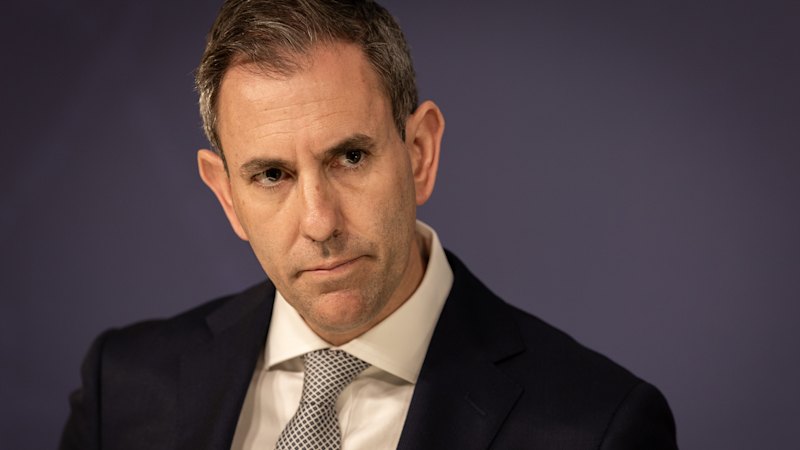
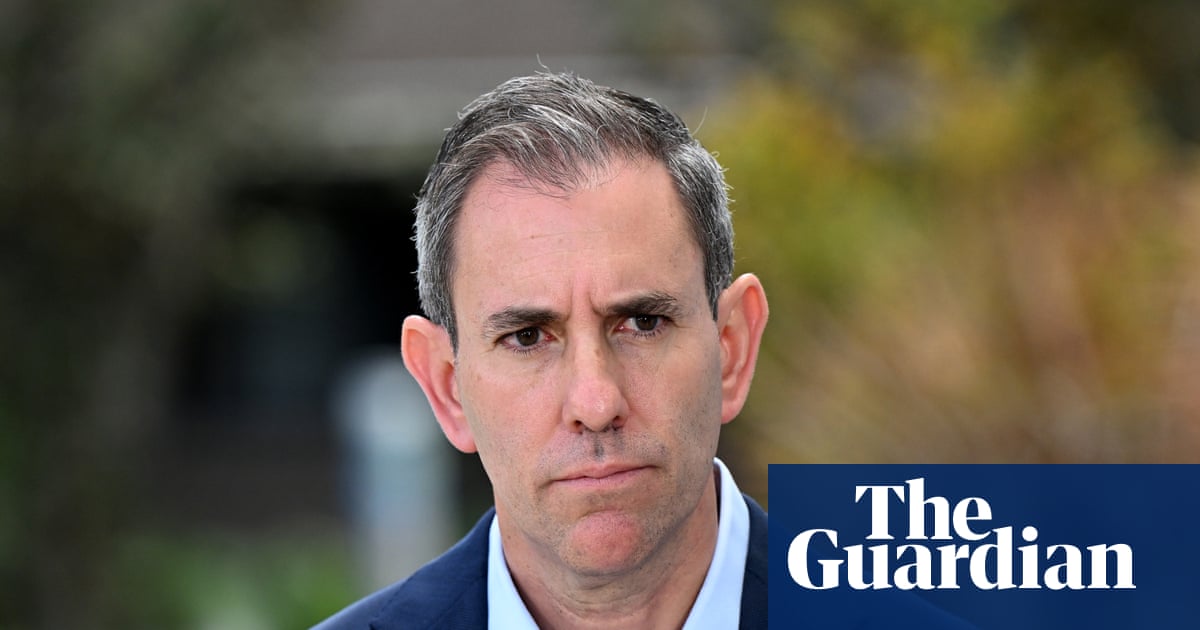
Treasurer Jim Chalmers has announced more funding for the ATO to push back the ban on using a credit card to pay tax bills for up to 12 months.
asserted
ATO → announce → months
"Australian small businesses have said the ATO's announced time frame was inadequate and we have taken these concerns seriously and acted on them," he said.
asserted
he → say → them
"Labor will always back small businesses because we know how important they are to our economy".
asserted
they → back → economy
The funding will extend to the end of the financial year, to allow the ATO to "engage with small businesses" and consult on "targeted options" to support those impacted.
asserted
ATO → extend → those
The ATO announced last week it would stop accepting credit card payments for tax bills from December in response to the Reserve Bank's ban on surcharges.
asserted
it → announce → surcharges
The tax office had argued it would cost taxpayers about $200 million a year to absorb the fees and noted only 5 per cent of small businesses used a credit card to pay their tax bill.
But the decision sparked widespread backlash from small businesses, with several Albanese government ministers also raising concerns about the impact of the ATO's ban.
asserted
ministers → argue → ban
The government said the ATO had explored a number of options, including engaging with credit card companies to negotiate lower fees, but was unsuccessful.
asserted
ATO → say → fees
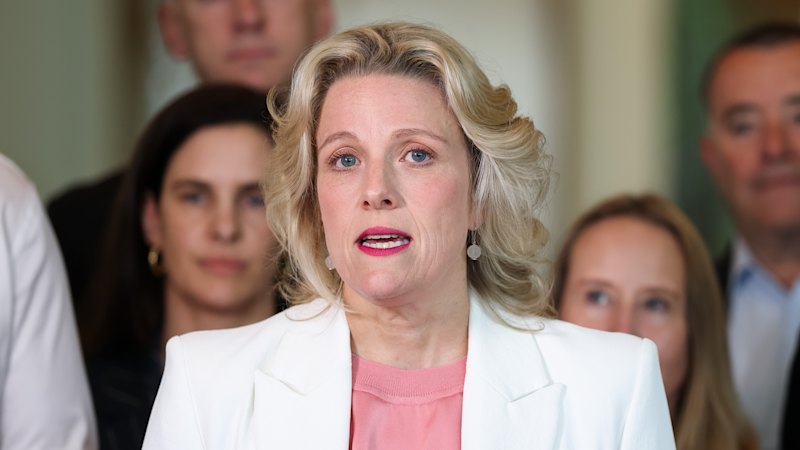
Yesterday, Housing Minister Clare O'Neil defended the Reserve Bank's decision to scrap the credit card fees, but argued the government had "real concerns" about what the ATO was proposing.
asserted
ATO → defend → what
"The government does have some real concerns about what the ATO is proposing to do here," she said.
"
asserted
she → have → what
We really want the ATO to go back and talk to business about what they have decided to do here and think about how they can find a solution that works for everyone.
asserted
that → want → everyone
Members of the crossbench also raised concerns about the change, with independent Kate Chaney calling on the ATO to reconsider or grant businesses a longer grace period to adjust.
asserted
Chaney → raise → period
"Credit cards are one way businesses manage cash flow when a tax bill lands.
asserted
bill → manage → flow
Removing that option with around eight weeks' notice makes things harder," she said.
asserted
she → remove → notice
Australian Chamber of Commerce and Industry chief executive Andrew McKellar had also called for a "clear message from government" in support of small business.
asserted
McKellar → call → business
"It's now time, I think, for the political leadership in government to stand up and really say to the tax office, 'This is not how it works,'" Mr McKellar said yesterday.
asserted
McKellar → think → office
The treasurer said costs for the extension would be finalised in the mid-year budget update, or MYEFO, due in December.
asserted
costs → say → December
 The Aporia