Claims extracted
22
sentences that state something as happening or true
Uncertain
5%
1 of 22 hedged
("reportedly", "may", "according to")
Leaning
withheld
no quote in the article backed the model's score
Publisher signals
69/100
The Guardian's corrections and
hedging, across everything collected from it. Not a measure of accuracy.
Outlets on this story
3
Politics
Same framing elsewhere
1
articles that frame the event the way this one does
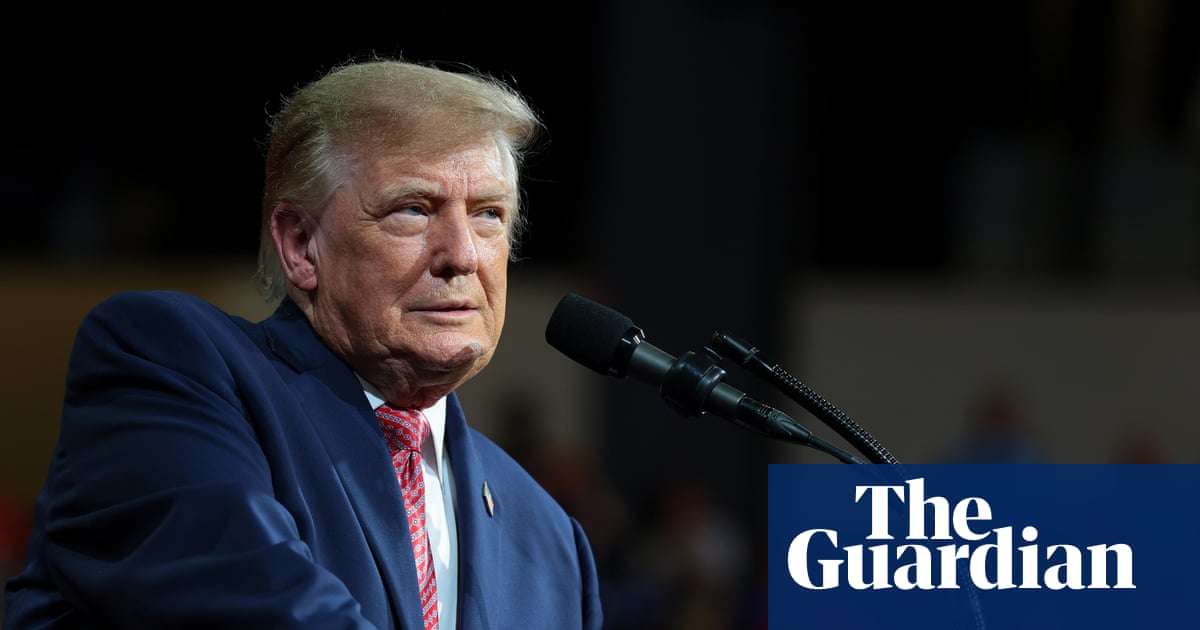
The Anti-Defamation League (ADL) denounced the use of the term “shylock” as antisemitic on Tuesday, without explaining that the slur had been used a day earlier by Donald Trump in a speech in Kansas.
asserted
slur → denounce → Kansas
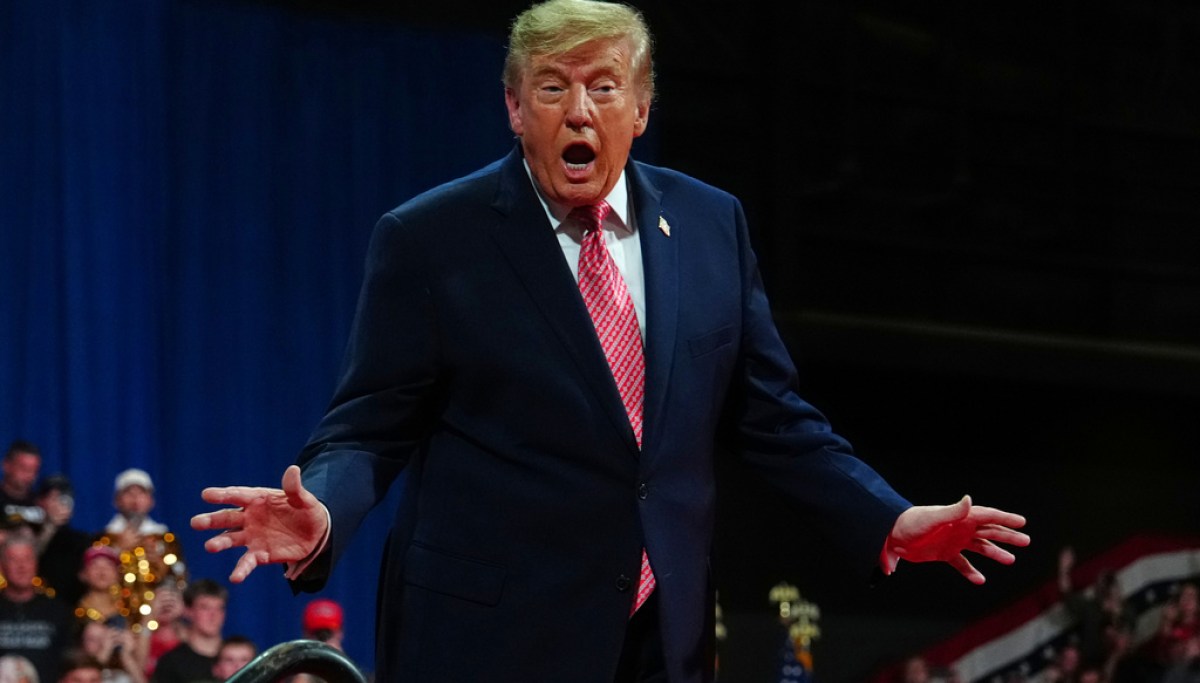
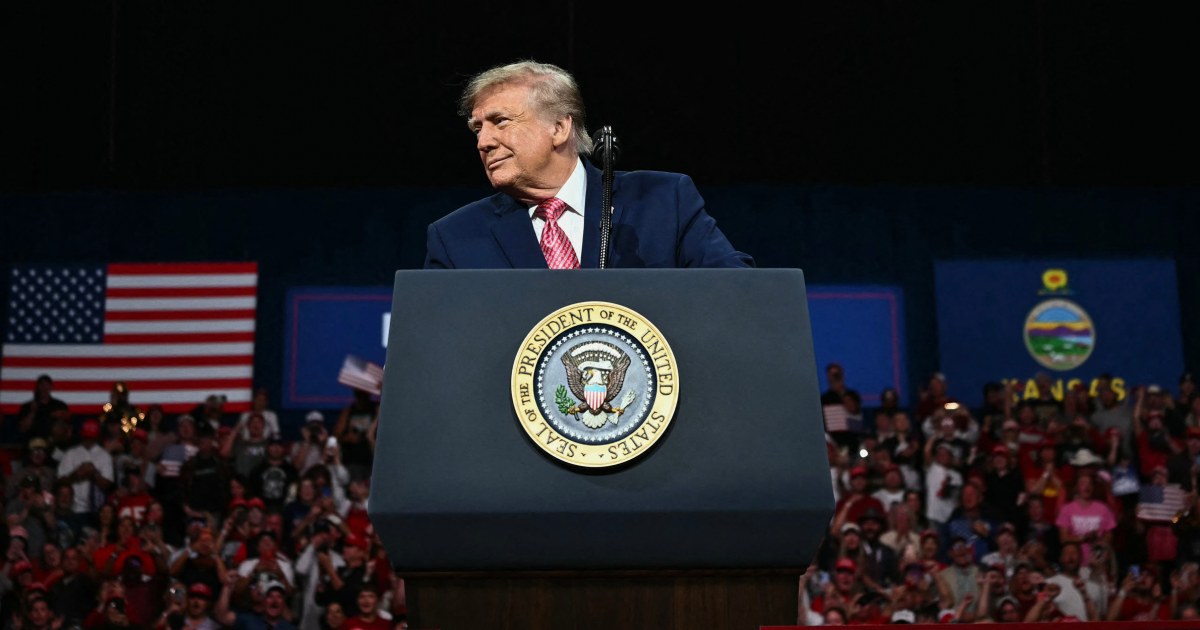
Trump used the slur during a Monday night rally in support of Republican senator Roger Marshall, who is locked in a closer-than-expected re-election fight against Democratic challenger Adam Hamilton.
asserted
who → use → Hamilton
Marshall, a doctor, as been criticized for filing lawsuits against more than 700 patients with outstanding bills, leading to 18 of them being arrested.
asserted
18 → criticize → them
Trump said Marshall’s critics, by highlighting the patient lawsuits in campaign ads, “made it like, oh, he was some kind of a shylock-type guy”.
asserted
he → say → guy
Trump also falsely claimed Marshall was “mandated by law” to “go after those people”.
asserted
Marshall → claim → people
The ADL’s brief social media post made no mention of Trump at all.
asserted
post → make → Trump
The organization, founded to combat antisemitism, offered no explanation as to why it found it necessary to explain that anyone equating an avaricious person to Shylock, the villainous Jewish moneylender in Shakespeare’s Merchant of Venice, is using an antisemitic trope.
asserted
anyone → found → trope
“The term ‘Shylock’ is rooted in a longstanding antisemitic stereotype,” the ADL posted on X but not its other social media accounts.
asserted
ADL → root → X
“Regardless of intent, its use can reinforce harmful tropes about Jews and normalize language that has long been used to target the Jewish community.”
asserted
that → reinforce → community
Critics who accuse the ADL of using accusations of antisemitism selectively, to attack people who are critical of Israel, suggested that the Jewish American civil rights group was going easy on Trump because of his support for Israel.
uncertain
group → accuse → Israel
Trump’s use of the slur came just a day after he had endorsed Israel prime minister Benjamin Netanyahu ahead of the country’s elections.
asserted
he → come → elections
Matt Duss, a former foreign police adviser to senator Bernie Sanders, the most prominent Jewish American politician, responded to the ADL’s failure to mention Trump by suggesting its president would have been more direct had someone else used the slur.
asserted
someone → respond → slur
“If a Democrat said it, [ADL CEO] Jonathan Greenblatt would be knocking people over to get in front of a camera to condemn them by name, but it was Trump, so it’s just a general public service announcement,” Duss wrote.
asserted
Duss → say → name
In 2014, after then vice-president Joe Biden described people who take financial advantage of American service members as “shylocks”, the Anti-Defamation League’s national director accepted his apology and called the remarks “a teachable moment”.
asserted
director → describe → remarks
Trump previously used the slur during a 2025 rally in Iowa.
asserted
Trump → use → Iowa
The US president told supporters that eliminating the taxes on inherited family farms would save farmers from “going to the banks and borrowing from, in some cases a fine banker, and in some cases shylocks and bad people”.
asserted
eliminating → tell → cases
The day after that Iowa rally, the ADL called the president’s use of the term “very troubling and irresponsible”, but Trump claimed ignorance when he was asked by a reporter if he had intended to use the word “shylocks” to refer to Jews.
asserted
he → call → Jews
“No, I’ve never heard it that way,” Trump replied then.
asserted
Trump → hear → it
“To me, a shylock is somebody that’s a, uh, a moneylender at high rates.
asserted
that → ’ → rates
I’ve never heard it that way.
asserted
I → hear → it
You view it differently than me.
asserted
You → view → me
I’ve never heard that.”
asserted
I → hear → that
 The Aporia