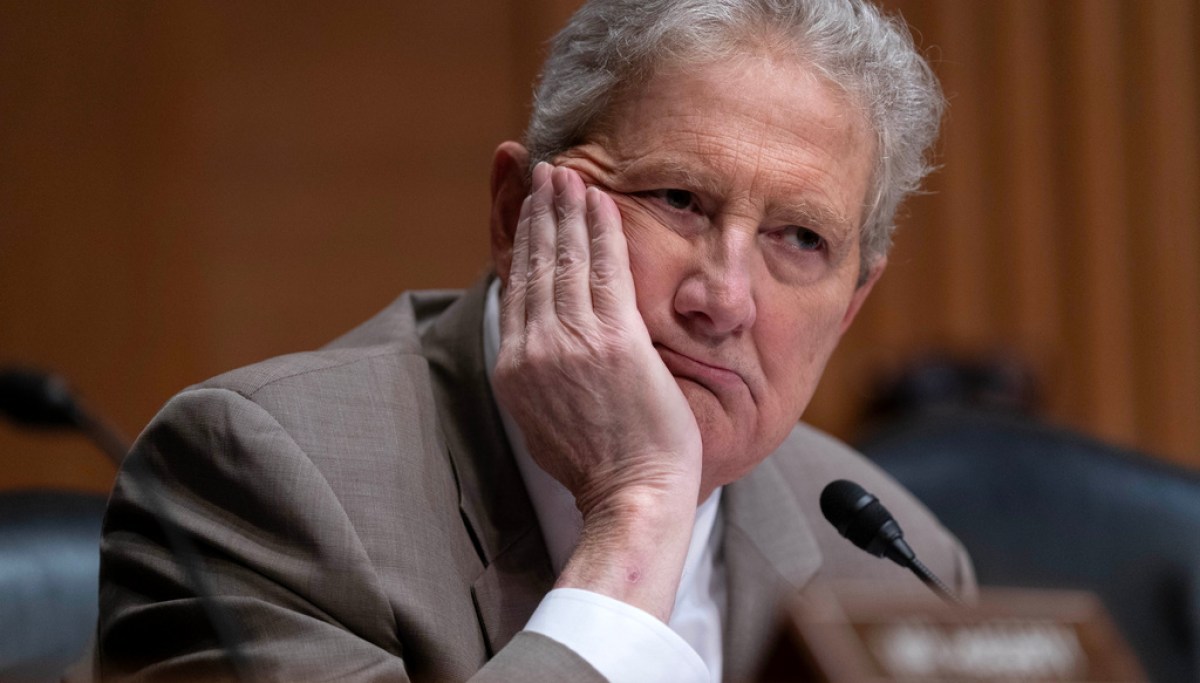
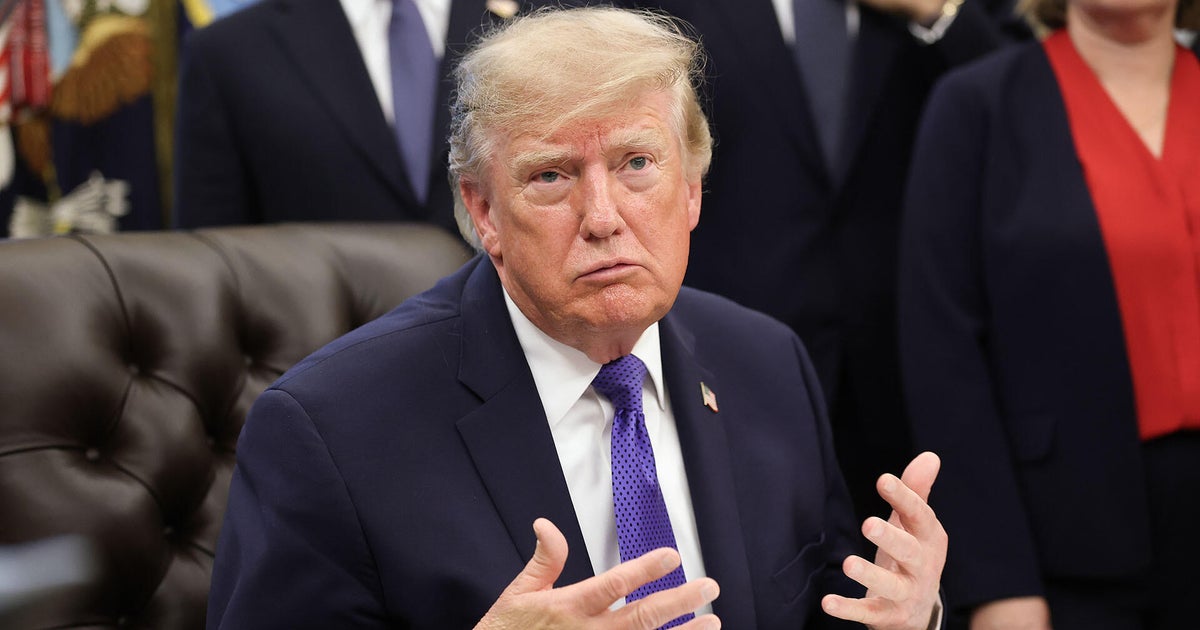
As the White House expands a taxpayer-funded advertising campaign to promote Donald Trump’s political agenda before the November midterm elections, US senator John Kennedy told CBS News on Sunday “there ought to be a rule” against such spending – before tacitly admitting such spending is “probably” illegal.
asserted
spending → expand → spending
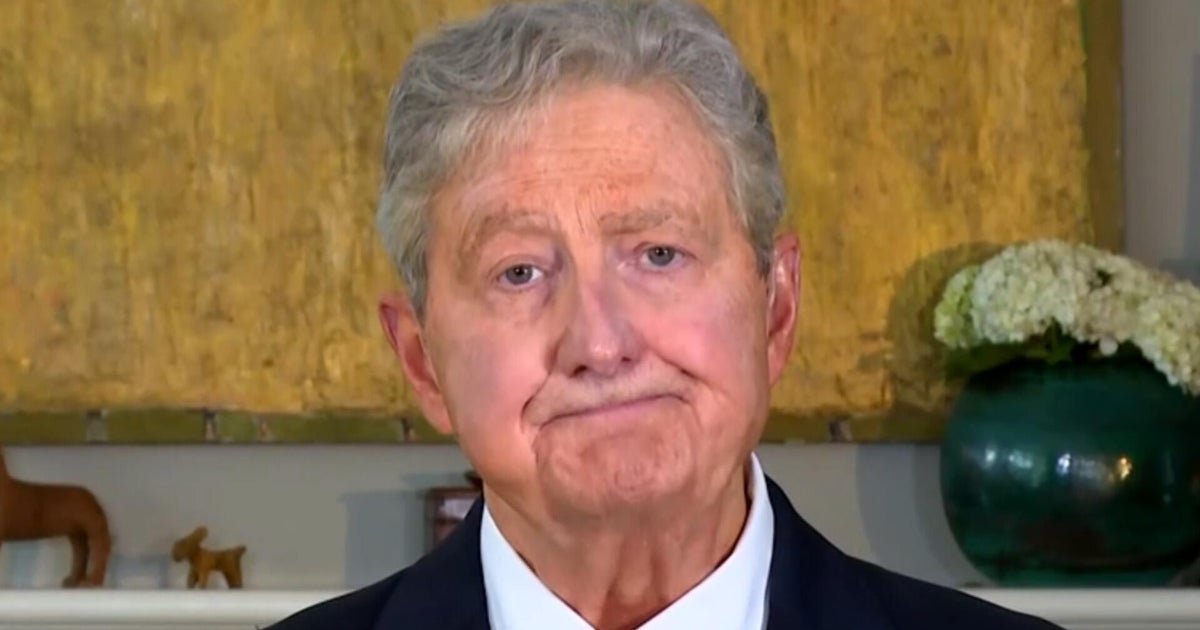
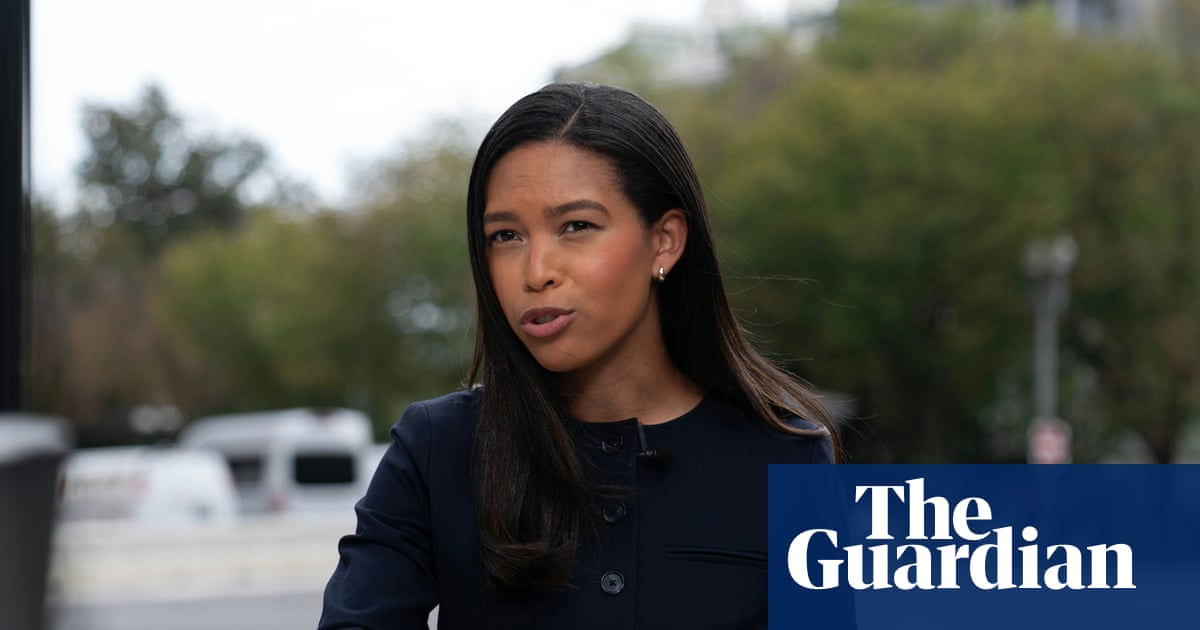
Kennedy, the US president’s fellow Republican, was asked by Margaret Brennan, the CBS Face the Nation host, about the White House spending to air multiple ads featuring Trump – including one that was produced for his 2024 election campaign.
asserted
that → ask → campaign
Brennan first reminded Kennedy that in March he had rebuked Kristi Noem, then Trump’s homeland security secretary, for spending millions in government funds “to bolster her public image” in a $220m series of ads she starred in.
asserted
she → remind → ads
She then asked the Louisiana senator to comment on the new ads featuring Trump, which the White House calls “public service announcements”.
asserted
House → ask → which
“Our viewers are going to see a 30-second commercial on this program,” Brennan said.
asserted
Brennan → go → program
“It’s on all major networks – it’s on the cable networks as well.
asserted
it → ’ → networks
It prominently features President Trump, and there’s a voice praising him as ‘the toughest, most resilient person I ever met’.
asserted
I → feature → person
And at the end, it says ‘paid for by the US government’.
asserted
it → say → government
Kennedy replied: “Well, first, as to secretary Noem, what she did was masterclass dumb.
asserted
did → reply → what
She spent $220[m] on commercials about her, and I called her out on it.”
asserted
I → spend → it
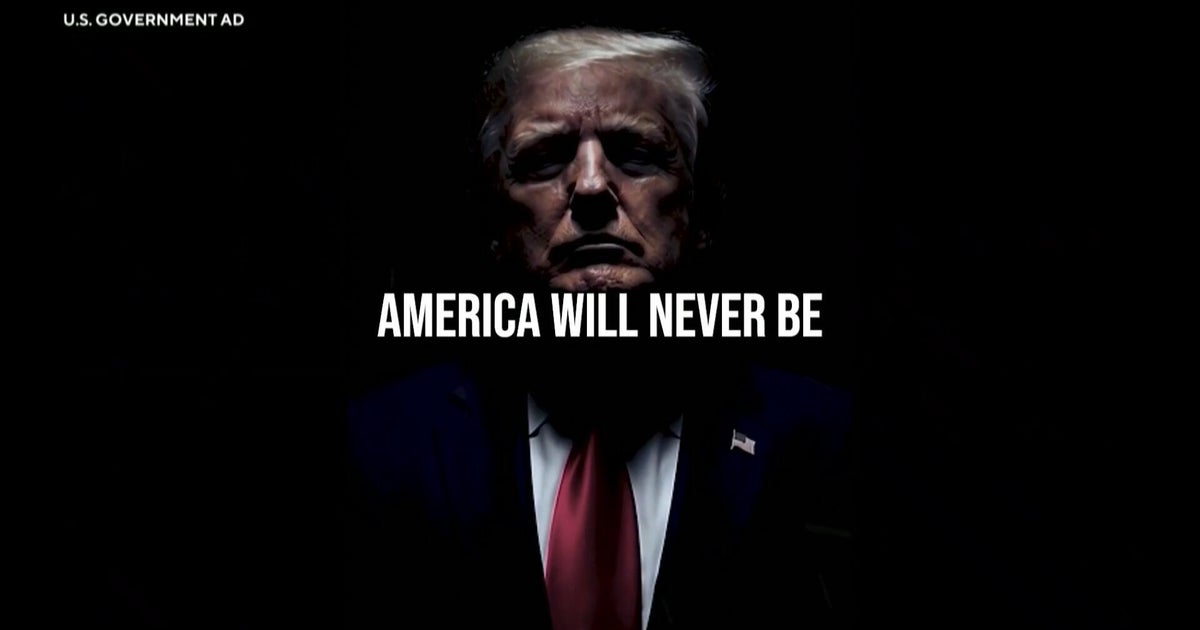
“This looks like a commercial about President Trump,” Brennan noted, referring to the first ad in the series, a 30-second highlight reel of Trump’s second presidency, punctuated by on-screen text driving his political agenda and suggesting Democrats are communists.
asserted
Democrats → look → agenda
“I don’t think any public official, including President Trump or Kristi Noem or John Kennedy, should spend public money … on private ads for themselves,” Kennedy replied.
asserted
Kennedy → think → themselves
“Now, the White House sees it differently.
asserted
House → see → it
But … I think there ought to be a rule that you can’t – well, there probably is a rule – you can’t spend public money to promote yourself.”
asserted
you → think → yourself
Kennedy, a lawyer with degrees from both the University of Virginia and University of Oxford, appeared to be tacitly acknowledging the argument made by Jamie Raskin, a Democratic congressman and legal scholar, that any government employees who worked on the first pro-Trump ad – “or used government resources to make it” – may have committed a felony violation of the Hatch act, a law that bars government workers from partisan campaign activities.
uncertain
that → appear → activities
According to Medium Buying, a company that buys airtime for Republican candidates, the Trump administration used more taxpayer funds to broadcast another partisan ad featuring the president that aired nationwide on Saturday during a college football game between Ohio State and Illinois on Fox.
uncertain
that → accord → Fox
It aired again during Fox News Sunday.
asserted
It → air → News
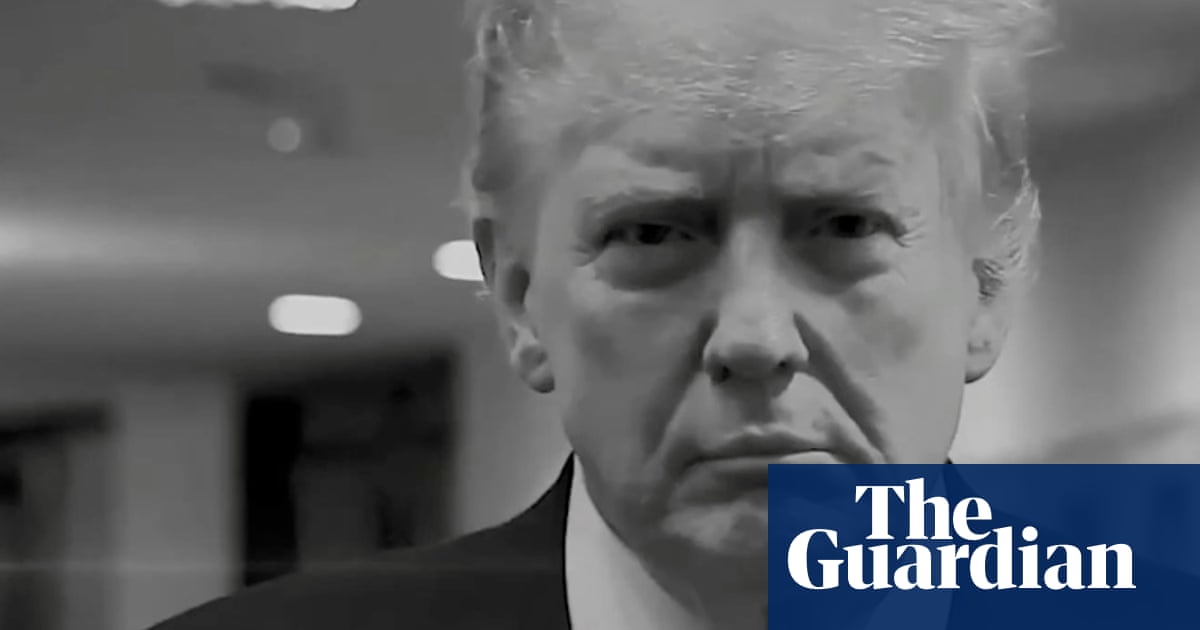
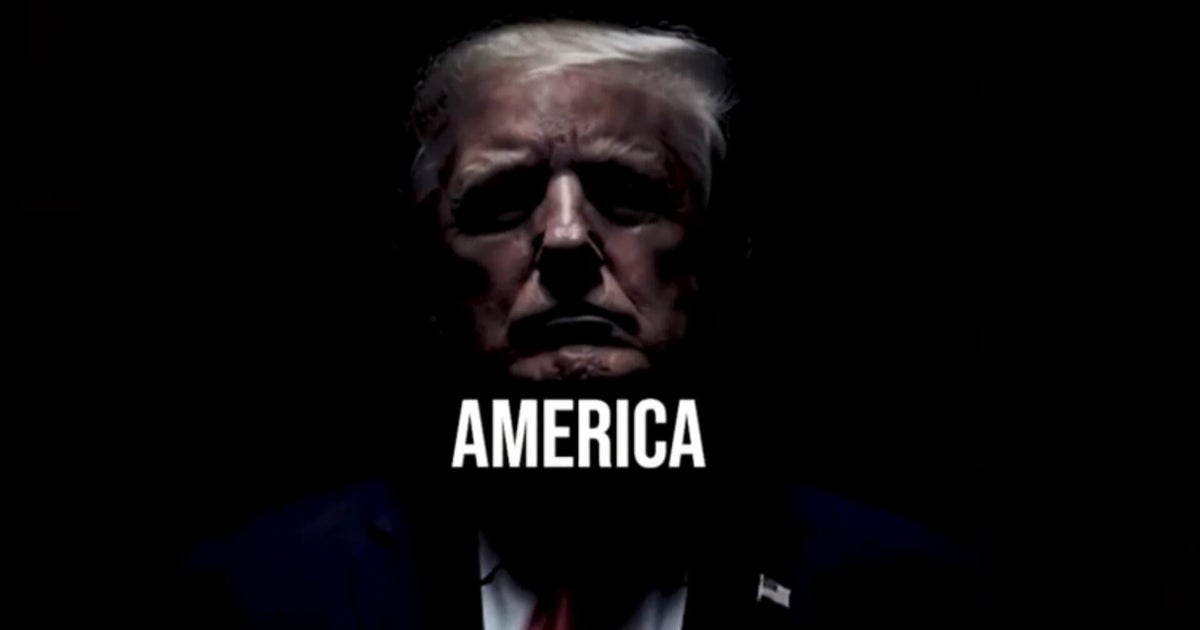
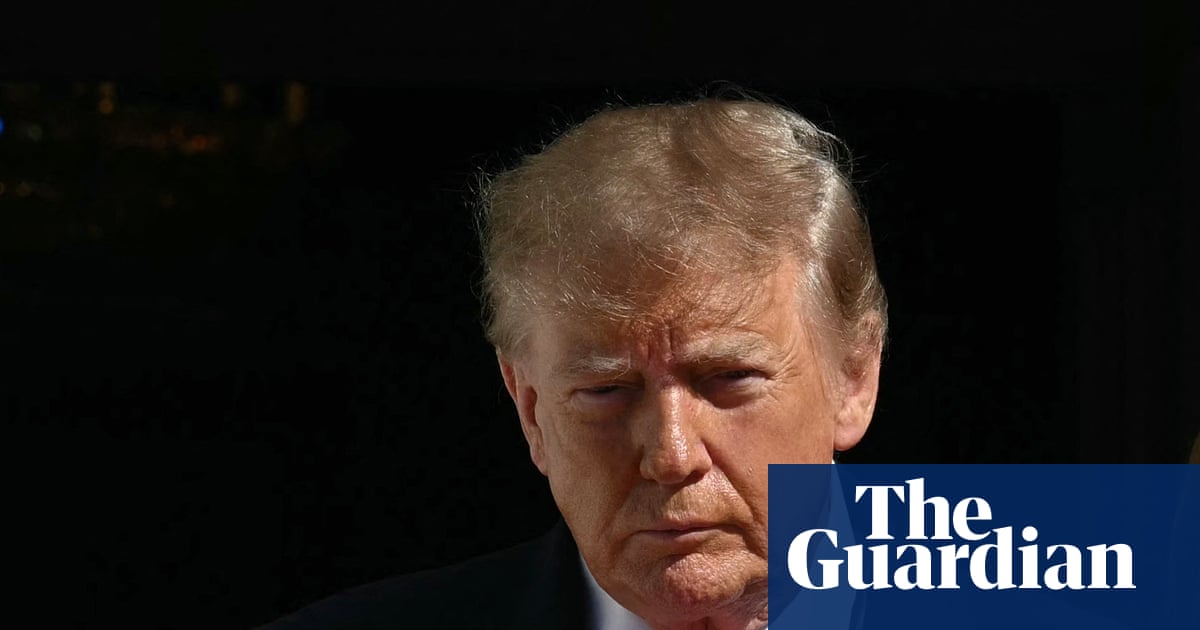
That 30-second spot shows a moody, black-and-white shot of Trump staring into the camera as the soundtrack plays the closing riff of a campaign speech he gave dozens of times in 2023 and 2024.
asserted
he → show → 2023
“This is the final battle,” Trump says in the ad.
asserted
Trump → say → ad
“With you at my side, we will demolish the deep state; we will expel the warmongers from our government; we will drive out the globalists; we will cast out the communists, Marxists and fascists,” he continues, with cheers from a crowd.
asserted
he → demolish → crowd
Those cheers indicate that the audio was recorded during a campaign rally and at a time before he used his power as president to start a war with Iran that has left some supporters feeling betrayed.
asserted
that → indicate → supporters
“We will rout the fake news media, and we will liberate our country from these tyrants and villains once and for all,” Trump can be heard promising in language clearly calculated to appeal to Christian supporters by echoing the biblical story of Jesus driving merchants and money changers from the temple in Jerusalem.
asserted
Jesus → rout → Jerusalem
The newest ad, with on-screen text reading “Paid for by the US Government”, is even more obviously a partisan product than the first one.
asserted
ad → read → one
In fact, the ad was created for Trump’s 2024 election campaign.
asserted
ad → create → campaign
And it was posted on his Truth Social account in 2023 and 2024 with a plea for funds from supporters.
asserted
it → post → supporters
The ad was even played on giant screens during the 2024 Republican national convention before Trump’s speech accepting his party’s nomination.
asserted
ad → play → nomination
When it was broadcast during the convention by C-SPAN on 18 July 2024, the ad was identified as material “provided by the Republican National Committee”.
asserted
ad → broadcast → Committee
At the end of his interview with CBS on Sunday, Kennedy volunteered that he also opposed Trump’s drive to put his own name on public buildings.
asserted
he → volunteer → buildings
“I also think that we ought to have a rule that no politician can have a building named after him while he’s alive,” Kennedy said, before adding that there is such a statute in his home state.
asserted
Kennedy → think → state
“Well, we’ll watch, Senator, if you introduce that,” Brennan responded, reminding the Republican lawmaker that making statements on Sunday morning television shows is not the same as using his power to actually introduce legislation that could restrain Trump.
uncertain
that → watch → Trump
 The Aporia