The Aporia
Zimmermann, D. (2026, October 20). Trump again uses antisemitic ‘shylock’ slur at Kansas rally. Washington Examiner. https://www.washingtonexaminer.com/news/campaigns/congressional/4771737/trump-antisemitic-shylock-slur-kansas-rally/
Zimmermann, David. “Trump again uses antisemitic ‘shylock’ slur at Kansas rally.” Washington Examiner, 20 Oct. 2026, https://www.washingtonexaminer.com/news/campaigns/congressional/4771737/trump-antisemitic-shylock-slur-kansas-rally/.
Zimmermann, David. “Trump again uses antisemitic ‘shylock’ slur at Kansas rally.” Washington Examiner, October 20, 2026. https://www.washingtonexaminer.com/news/campaigns/congressional/4771737/trump-antisemitic-shylock-slur-kansas-rally/.
Dated from the outlet's own feed. Check the original for its byline.
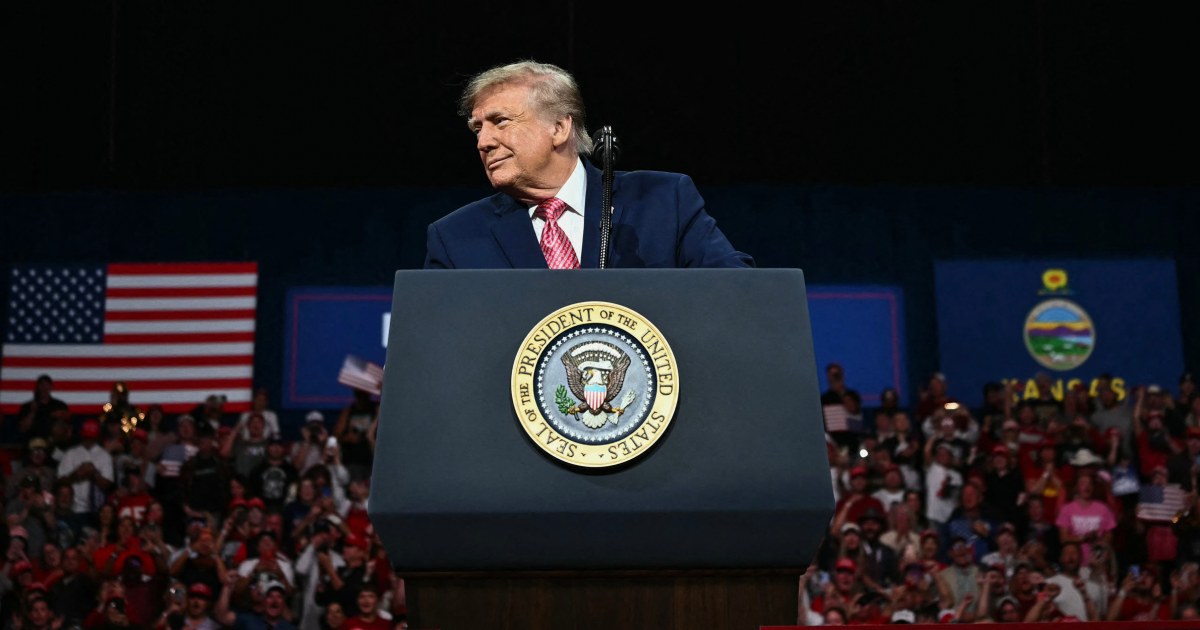
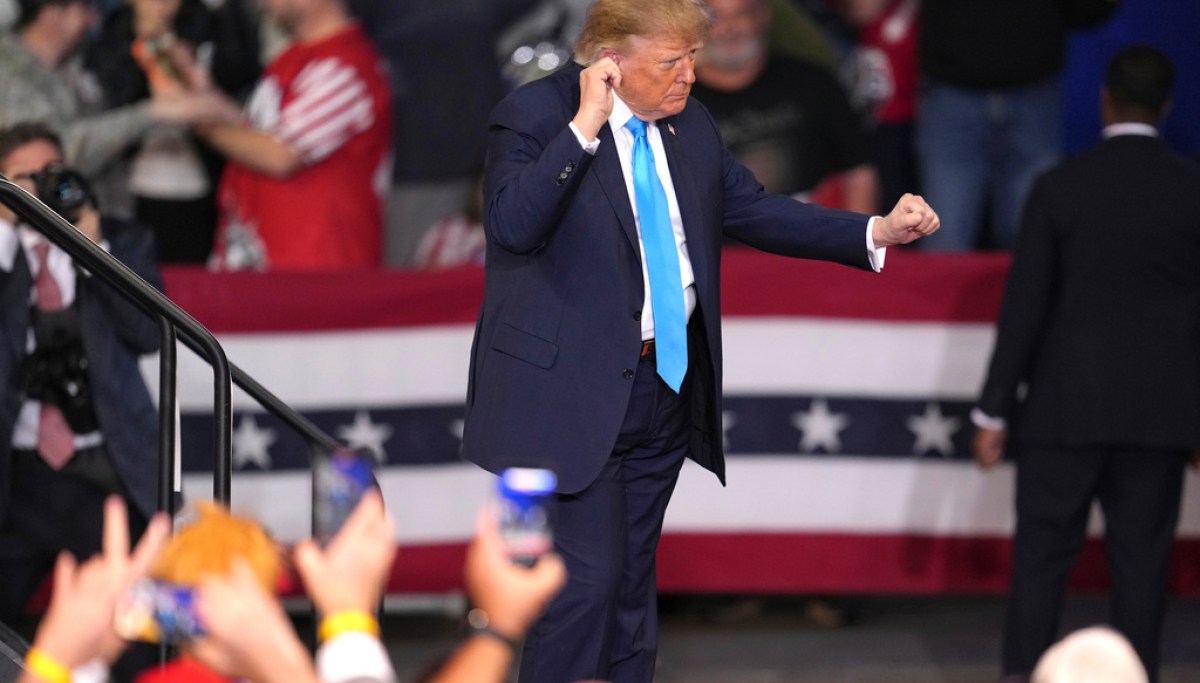
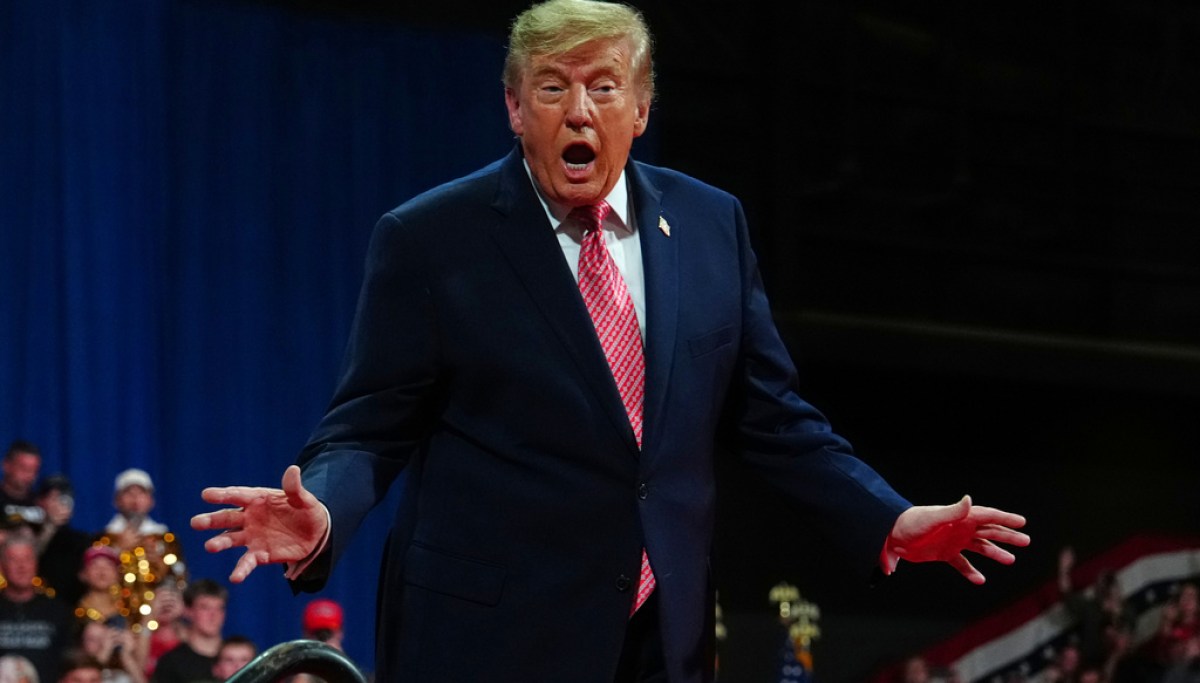
On October 20, 2026, President Donald Trump used an antisemitic slur while defending Senator Roger Marshall (R-KS) during a campaign rally in Park City, Kansas. Trump referred to Marshall as “some kind of a shylock-type guy,” using the term to describe his actions of suing more than 700 patients for unpaid medical bills. This remark echoed similar criticism from The New York Times, which had previously reported on Marshall's legal actions against patients. The Anti-Defamation League condemned Trump’s use of “shylock” as an offensive and dangerous antisemitic trope, noting it evokes centuries-old stereotypes associating Jews with greed. Trump defended his remarks by stating that Marshall was merely complying with the law in requesting payment from patients, adding that failing to do so could have led to criminal consequences.
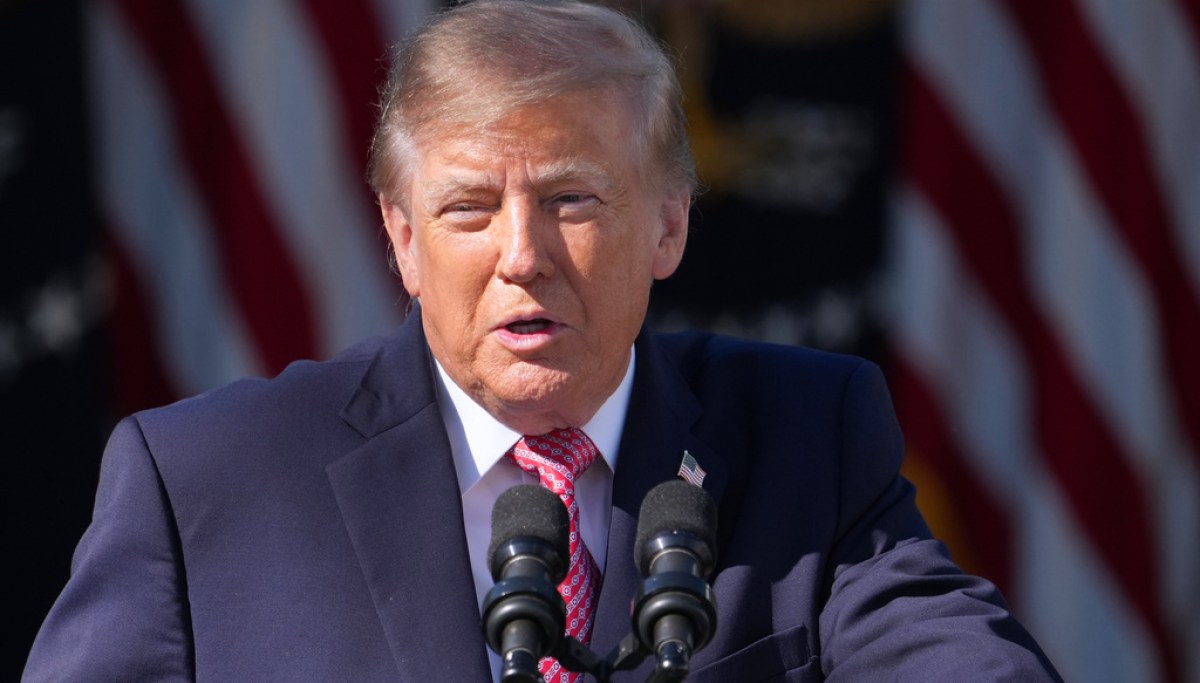
President Donald Trump delivered a rebuttal to the media for suggesting Sen. Roger Marshall (R-KS) was “some kind of a shylock-type guy” for seeking money from patients in compliance with the law.
The term originates from William Shakespeare’s play The Merchant of Venice, in which a Jewish character named Shylock is a malicious moneylender. The word is often interpreted as an antisemitic slur.