Mother Jones
· collected 2026-09-14 · by Laura C. Morel
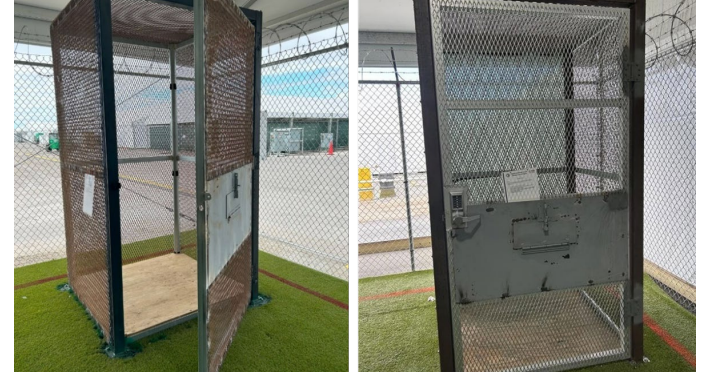
The Department of Homeland Security's Office of Inspector General released a report revealing that detainees held in Alligator Alcatraz, an immigrant detention camp in Florida, were confined in small metal enclosures measuring 18 square feet for up to two hours. The report also found several violations including insufficient living space (28 square feet per detainee instead of the required 75), limited shower access (three days a week instead of daily), and restricted recreation time (one hour, three days a week). This report provides evidence supporting previous criticisms of inhumane conditions at Alligator Alcatraz.
Written by the local model on 2026-09-14,
using this article's own text rather than the other coverage of the
same event (that is the story summary below).
Story summary
In January 2025, the Department of Homeland Security’s inspector general (DHS IG) released a damning report about Alligator Alcatraz, a controversial immigration detention center in Florida. The facility, run by the state through an executive order signed by Governor Ron DeSantis and funded by federal money, held up to 1,500 immigrants at its peak but was shut down in June due to criticism over conditions.
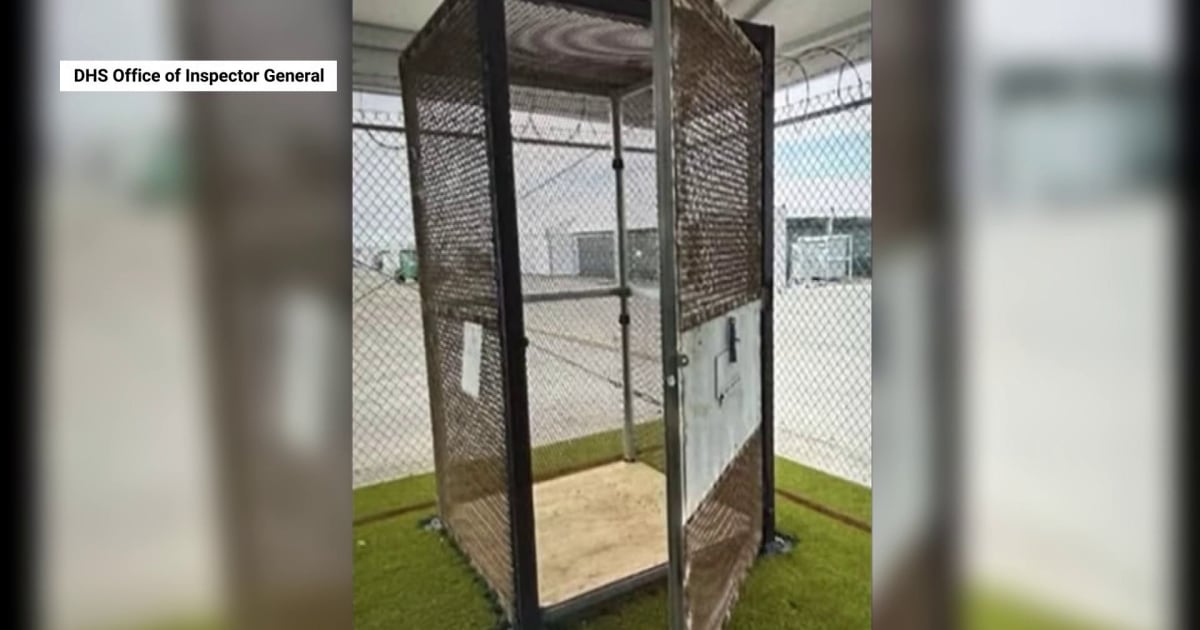
The report confirmed that detainees were frequently confined in outdoor cages no larger than telephone booths, measuring just 4 feet by 7 feet. These spaces were used as "calming areas" where people could be held for up to two hours, sometimes without water or shade, which DHS officials said was meant to manage behavior and reduce stress. Critics argue this amounts to inhumane treatment.
Additionally, the report found that detainees faced poor hygiene conditions with showers infested by small bugs, limited food access, and a single plastic cup per person that could not be cleaned throughout their stay. The facility also lacked sufficient living space for the number of people detained there, providing only 28 square feet per detainee when at capacity.
While DHS officials claimed ICE did not oversee day-to-day operations, they admitted Florida had operational control but were still required to follow federal standards and policies regarding humane treatment. This report marks a rare instance where a Trump administration agency criticizes the government's handling of immigrant detention practices.
Written for “Alligator Alcatraz Detention Conditions” on 2026-09-15,
grounded in this article and the 7 other(s) covering the same event.
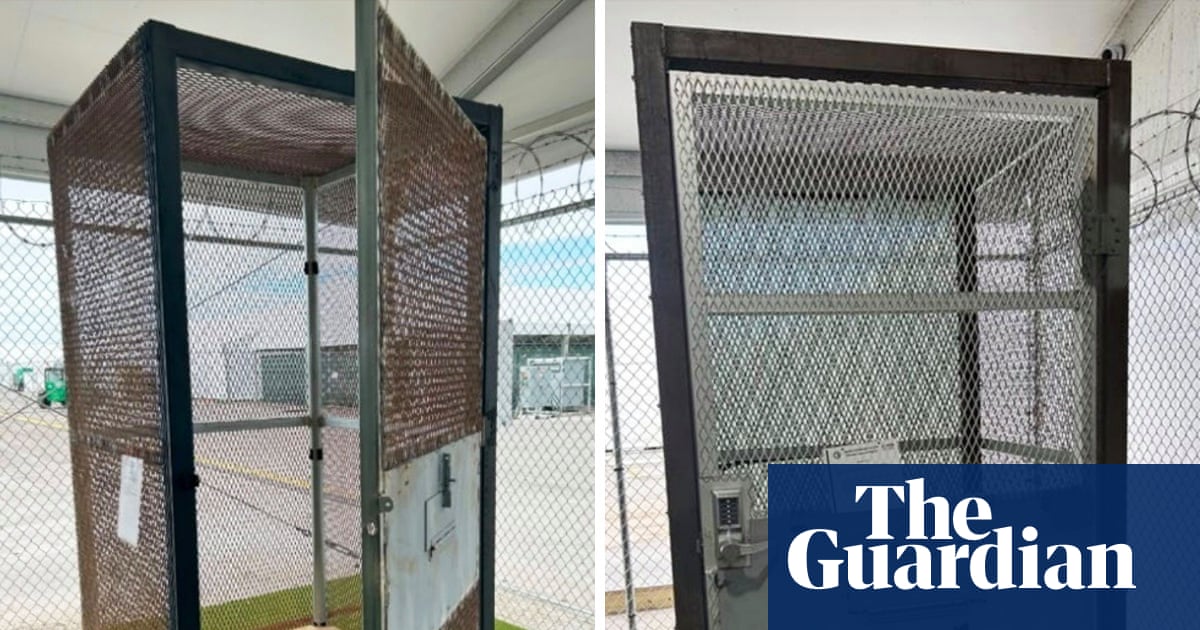
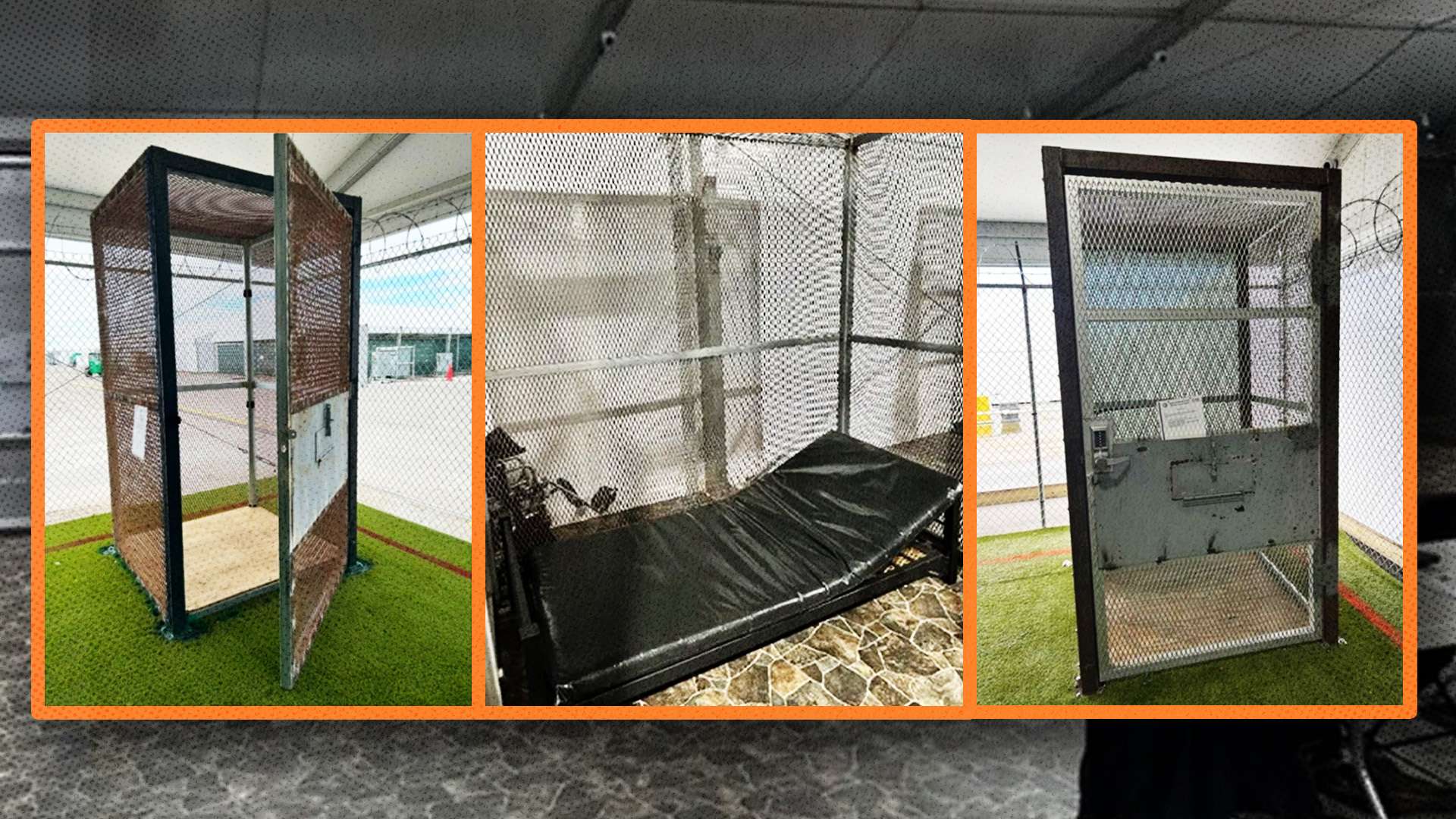
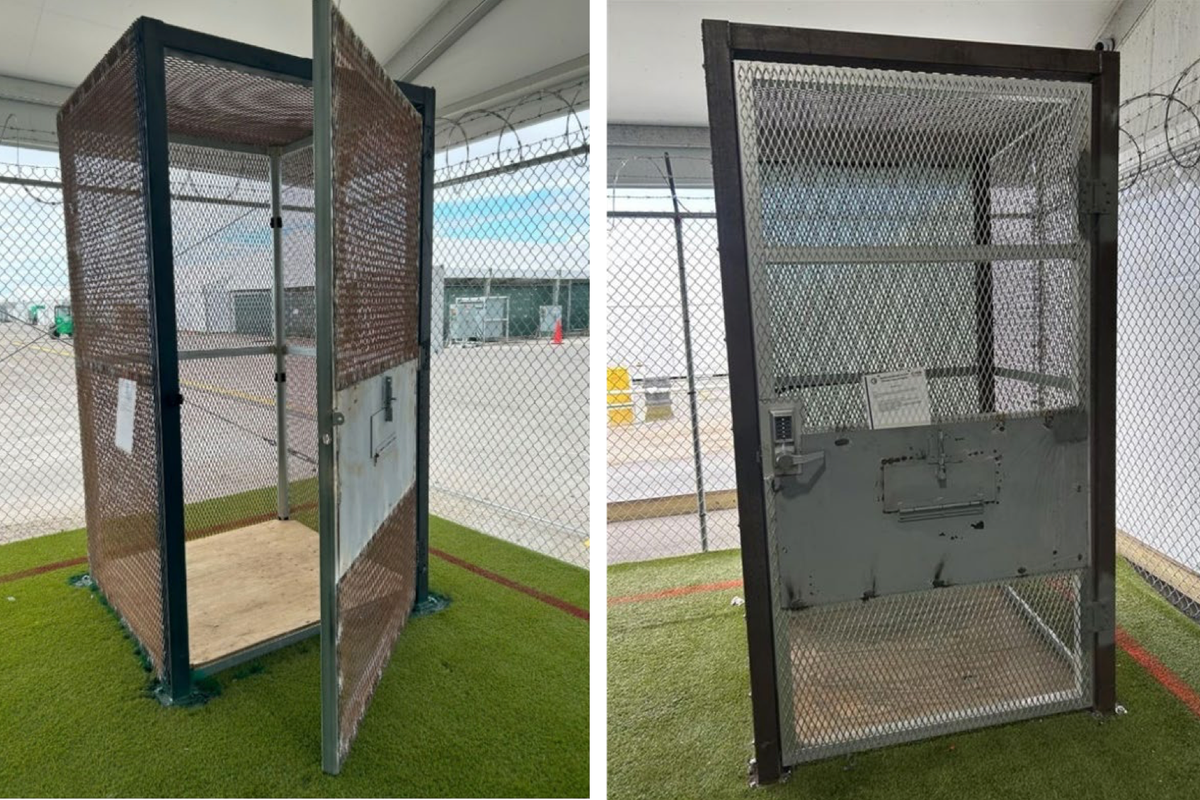
Alligator Alcatraz, the notorious immigrant detention camp erected in the Florida Everglades last year, routinely held detainees in “small metal enclosures” with just 18 square feet of floor space, a practice that the Department of Homeland Security’s independent watchdog called “highly unconventional and does not align with standards for humane treatment,” according to a DHS Office of Inspector General report.
uncertain
watchdog → erect → report
First revealed by The New York Times on Monday morning, the document provides a rare comprehensive glimpse of life inside the facility, erected by Florida Gov. Ron DeSantis’s administration last year.
asserted
document → reveal → administration
Consisting of several soft-sided tents on a remote airfield surrounded by swampland, Alligator Alcatraz at its peak housed up to 1,500 immigrant detainees when DHS was short on detention beds in other facilities.
asserted
DHS → consist → facilities
As I’ve reported throughout the last year, since its opening in the summer of 2025, Alligator Alcatraz was criticized for its treatment of the migrants, with advocates noting that the tents were prone to flooding.
asserted
tents → report → flooding
The state of Florida officially closed it in June, citing the threat of hurricane season.
asserted
state → close → season
The report is based on an unannounced inspection by the DHS Office of Inspector General in January.
asserted
report → base → January
They concluded that while the detention camp did adhere to intake and use-of-force standards, they discovered several violations.
asserted
they → conclude → violations
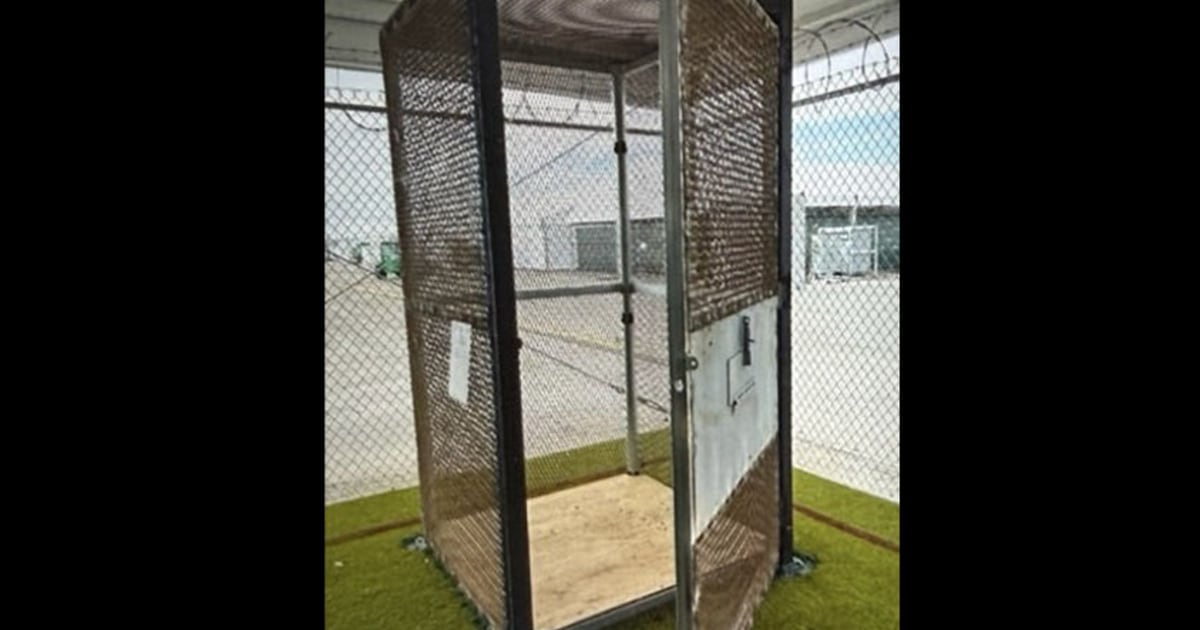
The metal mesh enclosures, roughly the size of a phone booth, measured about 4 feet by 4 feet and were nearly 8 feet tall.
asserted
enclosures → measure → feet
“Facility staff described the small metal enclosures as ‘calming areas’ for detainees to de-escalate and have time alone,” the report states.
asserted
report → describe → time
“Staff further maintained that detainees asked to spend time in the small metal enclosures.”
asserted
detainees → maintain → enclosures
But inspectors found at least one case in which the enclosure was used to discipline someone who failed to comply with a staff order.
asserted
who → find → order
Inspectors found several other violations.
asserted
Inspectors → find → violations
Each detainee should have at least 75 square feet of living space, but they received only 28 square feet at the camp.
asserted
they → have → camp
During their inspection, OIG officials saw as many as 32 people held within the facility’s eight cell areas.
asserted
people → see → areas
Detainees were also allowed recreation outside of their housing units only three days a week for one hour.
asserted
Detainees → allow → hour
As the report noted, “With the limited amount of recreation, detainees could not engage in recreational and exercise programs, which could negatively affect physical and mental health.”
uncertain
which → note → health
Detainees told inspectors that they did not have access to clean drinking water, and inspectors found that they could shower only three days a week—federal detention standards require access to daily showers.
Corene Kendrick, deputy director at the ACLU’s National Prison Project, called the report “horrifying.”
uncertain
Kendrick → tell → report
“It confirms and reaffirms the cruelty of Alligator Alcatraz.
asserted
It → confirm → Alcatraz
It backs up everything that the people who were detained at that camp were reporting to advocates about the conditions and the lack of access to legal calls, the lack of access to going outside, the cages that were used as punishment,” Kendrick told me.
asserted
Kendrick → back → me
“At the time when these allegations were being brought up by people in the facility and by their family members and their attorneys, ICE and the state of Florida repeatedly said that that was all made up and that people were exaggerating and it wasn’t true.”
asserted
it → bring → Florida
But this report, she added, confirms that “people were suffering.”
asserted
people → add → ?
After touring the detention center and interviewing staff and detainees, OIG officials found there was a “lack of clarity” on whether Alligator Alcatraz was following state or federal detention standards.
asserted
Alcatraz → tour → standards
The report states, “The absence of well-defined standards at detention facilities increases the risk that detainees may not receive appropriate care.”
uncertain
detainees → state → care
In its response to the Office of Inspector General, DHS officials blamed the state of Florida for the conditions, which the agency says maintained authority over daily operations.
asserted
agency → blame → operations
But the report noted that ICE personnel were frequently on site and federal funding was used to open and run the detention camp.
asserted
funding → note → camp
The state Department of Emergency Management, which ran the camp, did not immediately respond to a request for comment.
asserted
which → run → comment
In a statement, Alex Lanfranconi, the communications director for the governor’s office, said: “At least ten million illegal aliens entered our country under the Biden administration.
asserted
aliens → say → administration
Florida decided to do something about it.
asserted
Florida → decide → it
The left-wing media wants to focus on a confinement area for violent criminal aliens who have proven they cannot remain peaceful while awaiting deportation.
asserted
they → want → deportation
While it adheres to all federal standards for criminal confinement, we’d make it even smaller if we could.”
uncertain
we → adhere → confinement
 The Aporia