Claims extracted
19
sentences that state something as happening or true
Uncertain
16%
3 of 19 hedged
("reportedly", "may", "according to")
Leaning
not political
takes no side on a contested political question
Publisher signals
60/100
The Straits Times's corrections and
hedging, across everything collected from it. Not a measure of accuracy.
Outlets on this story
2
Technology
Same framing elsewhere
1
articles that frame the event the way this one does
AI tool predicts cancer survival chances with single face photo, study finds
AI generated
NEW YORK -
asserted
study → predict → AI
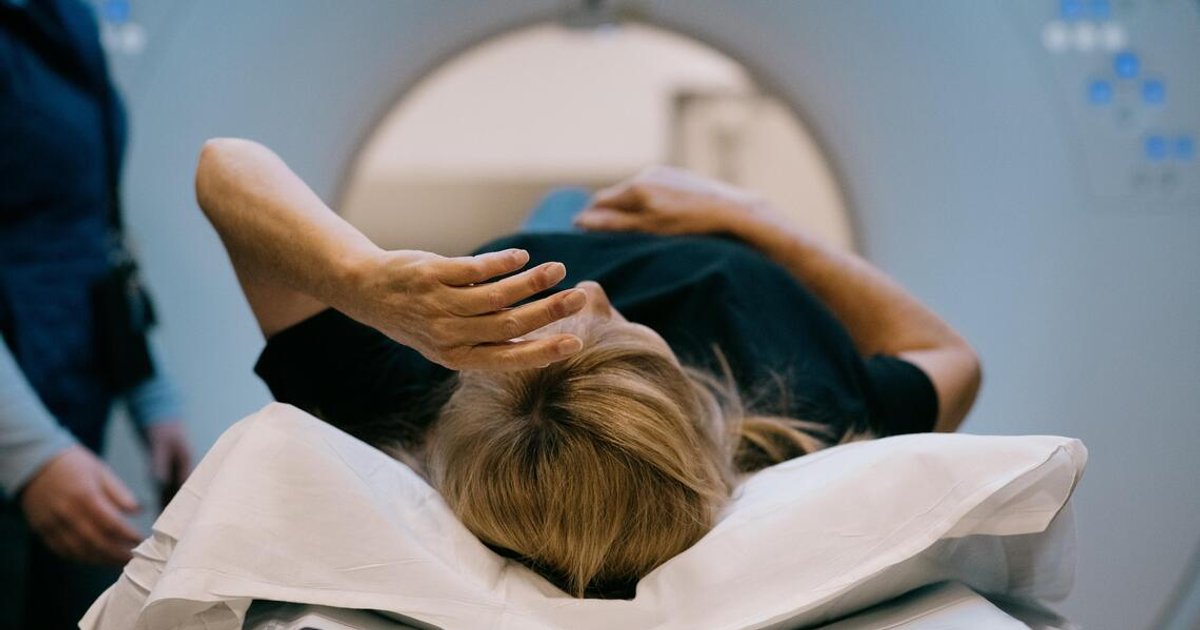
Researchers built an AI tool that can predict cancer patients’ survival chances by using a single photograph of their face, complementing doctors’ gut instincts to potentially guide treatment decisions, especially when medical data is scarce.
asserted
data → build → decisions
The new model was trained to estimate a person’s age or, for those with cancer, their survival chances.
asserted
model → train → cancer
The artificial intelligence was trained on more than 40 million images of people’s faces as well as photographs of more than 30,000 cancer patients, many of whom had already died.
asserted
many → train → whom
The tool gave patients risk scores – those with the highest scores were more likely to die within 90 days, according to the research published in The Lancet Digital Health on Oct 19.
uncertain
those → give → Oct
The scientists say the findings are a first.
asserted
findings → say → ?
Doctors are trained to assess patients just by how they look, said Raymond Mak, a radiation oncologist at Mass General Brigham Cancer Institute and one of the study’s authors, but they are “in general not very good at estimating end-of-life expectancy”.
asserted
they → train → expectancy
“We think that using AI, we can capture some of that physiological reserve, risk for mortality, just from a face photo,” Mak said in an interview.
asserted
Mak → think → interview
The AI tool showed it could estimate age with a margin of error of about five years and reliably allocate patients to higher- or lower-risk groups, which subsequently had different risks of death.
uncertain
which → show → death
The model worked across different ages, races, genders and types of cancer.
asserted
model → work → cancer
AI tools are increasingly being tested for cancer detection and treatment, from helping to diagnose patients by reading scans to predicting the risk of a patient developing cancer by analysing genetic and lifestyle risk factors.
asserted
tools → test → factors
Despite the promising results, Miroslaw Bober, professor of video processing and machine learning at the University of Surrey, said the tool is not ready for clinical use.
asserted
tool → say → use
“Predicting an outcome is not the same as explaining it,” said Bober, who was not involved in the research.
asserted
who → predict → research
“It has not shown that these predictions add clinically useful information beyond doctors’ assessments of a patient’s general health and fitness, which were not measured in the study,” he said.
asserted
he → show → study
Bober added that the tool needs to be tested against doctors’ own judgment as well as across different hospitals and patient groups.
Mak, who developed the tool with his team, said he was stunned by how well it worked for survival.
The algorithm focused mostly on the bridge of the nose and the area just beneath the eyes to make its assessment, they found.
asserted
they → add → assessment
He did some digging and found that Hippocrates was first to describe how sunken eyes and temples as well as a sharp nose were among the early physical signs of impending death.
asserted
eyes → do → death
The tool is unlikely to be used to deny or limit patients’ access to medicine, according to Mak.
uncertain
tool → use → Mak
“We know that doctors at the end of life tend to overtreat,” he said.
asserted
he → know → life
He views it as “a way for doctors to have one more piece of information”.
asserted
doctors → view → information