Australia is risking a backlash from major trade partners over the Albanese government’s refusal to allow expiring gas-export deals to be rolled over without being subject to new domestic-reservation rules, even if those contracts contain built-in extension options.
asserted
contracts → risk → options
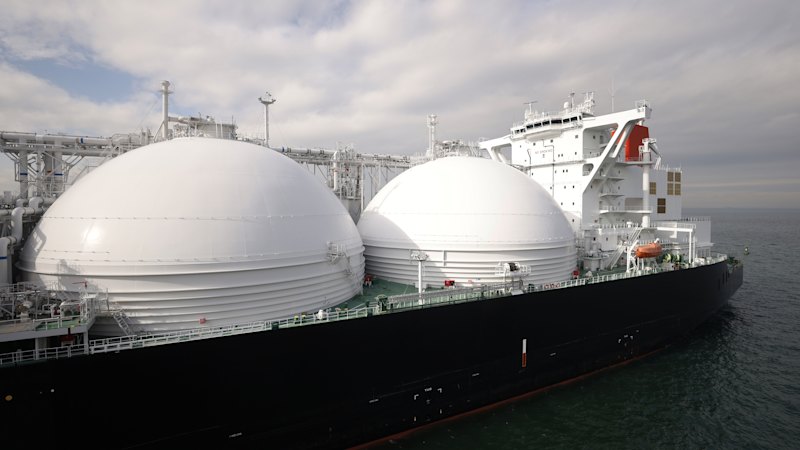
Labor last week introduced its long-awaited domestic gas-reservation bill to parliament, which would compel the nation’s largest liquefied natural gas exporters to set aside up 20 per cent of their annual export volumes for local customers from 2028.
asserted
which → introduce → 2028
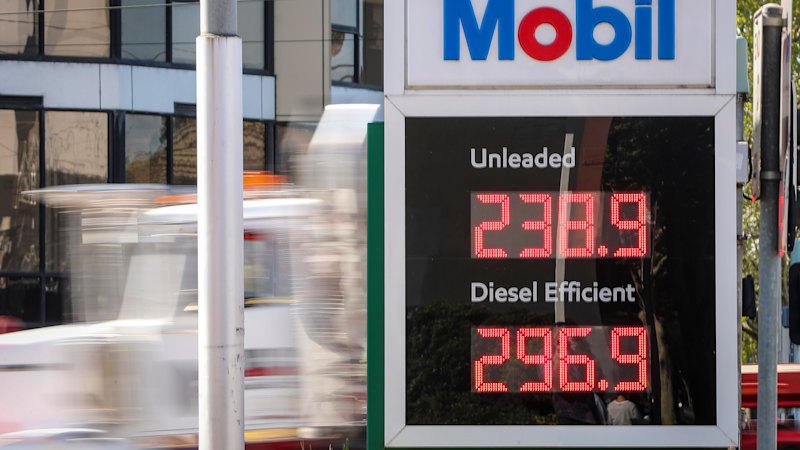
The policy is aimed at injecting a “modest” oversupply of gas into the local market each year to drive down heating, power and manufacturing costs for households and local industry, addressing a long-standing grievance that consumers have faced soaring gas prices at home despite Australia’s position as one of the world’s top LNG exporters.
asserted
consumers → aim → exporters
To safeguard Australia’s trade relationships with major Asian LNG customers, including Japan, South Korea, Malaysia and China, the government pledged that existing long-term contracts – defined as those signed on or before December 22, 2025 – would be respected and exempt.
asserted
government → safeguard → December
However, the final bill explicitly decrees that contracts renewed, extended or rolled over after that date will lose that protection – defying direct demands from Japanese and Korean state-backed energy companies that extension options form an integral part of their original investment terms and must also be honoured.
asserted
options → decree → terms
The bill says future contract renewals must comply with the policy “regardless of whether the right to renew or extend the contract existed when the contract was entered into”.
asserted
contract → say → contract
The section is one of multiple flashpoints in the proposed legislation that have sparked a backlash from gas producers and their Asian partners.
asserted
that → propose → producers
Industry leaders have also raised alarm over a “must-sell” obligation that would require LNG producers to not just offer, but actually deliver, their prescribed volumes to local buyers, raising concerns that producers may be forced into uncommercial deals to meet compliance targets.
uncertain
producers → raise → targets
The decision not to shield contract extensions from the scheme has particularly angered Korea Gas Corporation (KOGAS), one of Australia’s largest foreign investors, according to industry sources familiar with the company’s concerns.
uncertain
decision → shield → concerns
KOGAS owns a stake in the Santos-led Gladstone LNG terminal in Queensland and has a 15-year offtake contract to buy gas from it that expires in 2031, with an option to extend it by another five years.
asserted
that → own → years
In its submission to the government, KOGAS said contract protections should extend to the “entire duration” of the foundation supply purchase agreement, “including automatic extension periods stipulated under the original contract terms”.
asserted
protections → say → terms
Japan’s INPEX, which runs the $US40 billion ($57.5 billion) Ichthys LNG project in the Northern Territory, similarly expressed “significant concern”, warning that capturing renewed contracts failed to protect historical investment decisions.
“Failure to exclude future sales and purchase agreements – whether new, renegotiated or renewed – from a reservation policy, on the same basis as existing contracts, would be directly inconsistent with the fundamental principle of protecting historical investment decisions,” its submissions said.
asserted
submissions → run → decisions
INPEX senior vice president Bill Townsend said the company was assessing the proposed legislation to understand its practical implications while acknowledging the government’s objective to strengthen domestic energy security.
asserted
company → say → security
“We are carefully reviewing the Domestic Gas Reservation Bill 2026, the associated levy bill and consequential amendments,” he said.
asserted
he → review → Bill
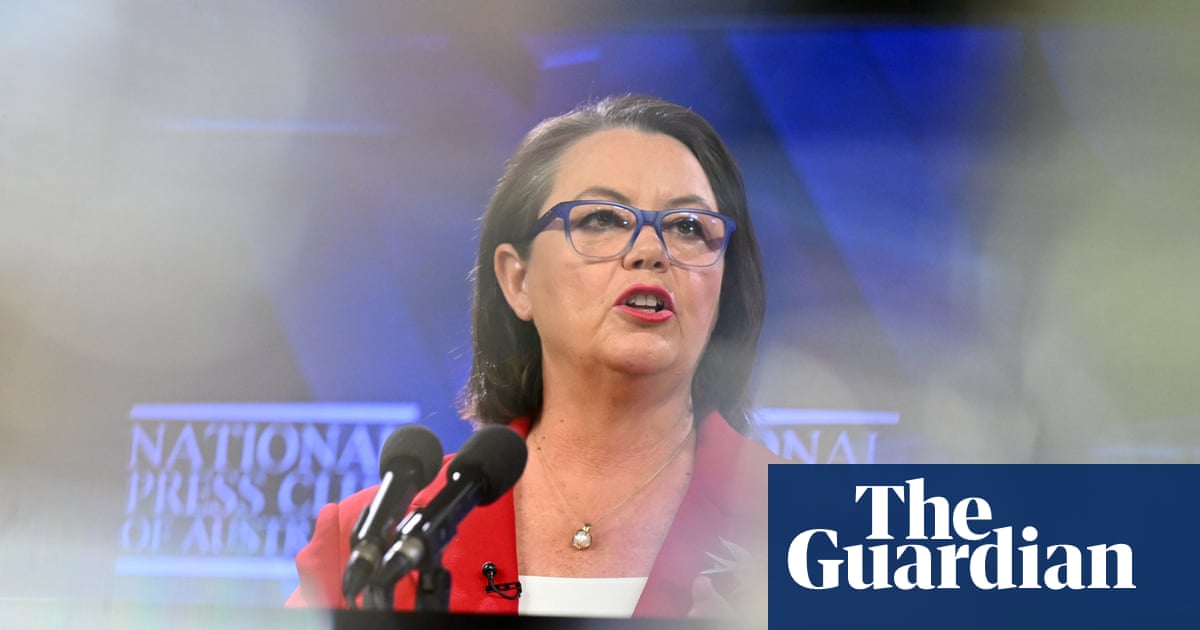
Resources Minister Madeleine King said the government had been clear with Australia’s trade partners that export contracts entered into before December 22 would be grandfathered, with “existing commercial arrangements honoured and respected”.
asserted
arrangements → say → December
“Any decision to extend an existing contract is a new commercial decision, made with full knowledge of the domestic gas reservation scheme,” she said.
asserted
she → extend → scheme
“These decisions are therefore not covered by the transitional protections designed to honour existing commercial arrangements.”
asserted
decisions → cover → arrangements
The national policy will most heavily impact Queensland’s Gladstone export terminals – operated by Shell, Origin Energy and Santos – and operators in the Northern Territory, as both regions have previously been unconstrained by local reservation rules like those in Western Australia.
asserted
regions → impact → Australia
Local buyers, including gas-intensive manufacturing firms, have welcomed the intervention.
asserted
buyers → include → intervention
Manufacturing Australia chief executive Ben Eade urged parliament to pass the bill, saying it struck the right balance between the interests of gas customers and producers, and would help moderate gas prices that have tripled over the past 10 years.
asserted
that → urge → years
“It will deliver a better functioning and more balanced domestic gas market, reduce Australia’s exposure to international energy price volatility and see Australians pay a fairer price for the gas that is in abundance in our country,” he said.
asserted
he → deliver → country
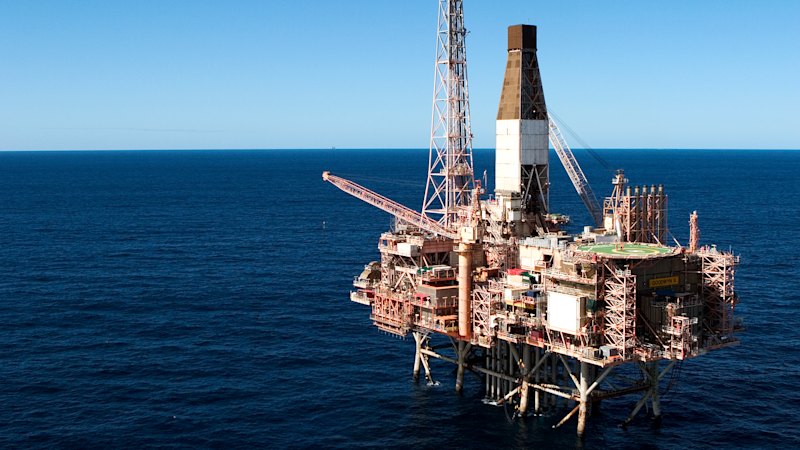
Energy authorities have repeatedly warned that unless new gas supplies are made available, Victoria and NSW could face shortfalls and even higher prices by the end of the decade as production from ageing oil and gas fields in the Bass Strait rapidly declines.
uncertain
production → warn → Strait
However, some energy analysts caution that the reservation rules may deliver little immediate benefits to domestic gas supplies until the Asian gas export contracts that underpinned the launch of Queensland’s LNG sector begin rolling off in the 2030s.
uncertain
that → caution → 2030s
“There is no surplus gas washing around the system to reserve,” said Rick Wilkinson, chief executive of consultancy firm EnergyQuest.
asserted
Wilkinson → be → EnergyQuest
Wilkinson said Asian LNG buyers, which were not only customers but also huge joint-venture investors in local infrastructure, felt entitled to exercise contract provisions that could extend their original terms over the life of their projects.
uncertain
that → say → projects
“We expect considerable debate before the bill becomes law,” he said.
asserted
he → expect → debate
The Business Briefing newsletter delivers major stories, exclusive coverage and expert opinion.
asserted
newsletter → deliver → stories
 The Aporia