ONE REASON HEALTH CARE is such a good issue for the Democrats in this year’s midterms is that pretty much everybody from the party’s different factions agrees on the problem and the solution.
asserted
everybody → agree → problem
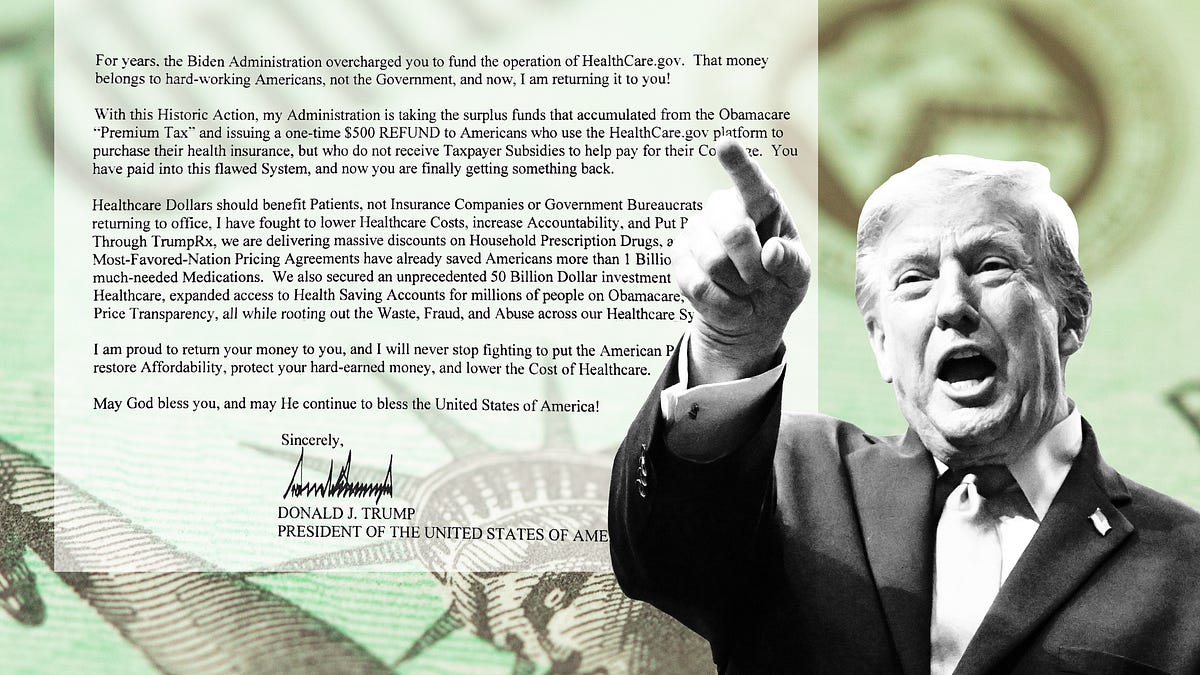
In the short term, the problem is that Donald Trump and the Republican party cut Medicaid, then refused to extend enhanced Affordable Care Act subsidies, putting health care at risk for tens of millions of Americans.
asserted
Trump → cut → Americans
The solution is to undo the cuts and renew the subsidies, which is precisely what Democratic leaders say is at the top of their agenda for a hypothetical new Congress and—if Trump won’t go along—a hypothetical trifecta two years later.
asserted
Trump → undo → Congress
But the American health care system had big problems even before Trump and the Republicans delivered those blows to Medicaid and “Obamacare.”
asserted
Trump → have → Medicaid
Millions of people lacked insurance, though far fewer than before the Affordable Care Act, and millions more struggled with high premiums or out-of-pocket costs.
asserted
millions → lack → pocket
That’s why Democrats are talking about next steps for finally getting to truly universal coverage—which, in turn, has restarted old arguments about whether to seek a total health care sector reset with Medicare for All or to seek more incremental changes, some of which would still be highly ambitious and some of which would not.
asserted
some → ’ → which
That debate got a ton of attention in the primaries.
asserted
debate → get → primaries
And while it has subsided a bit since, because it’s now Democrats versus Republicans rather than Democrats against each other, it is sure to kick up as soon as the midterms are over.
asserted
midterms → subside → other
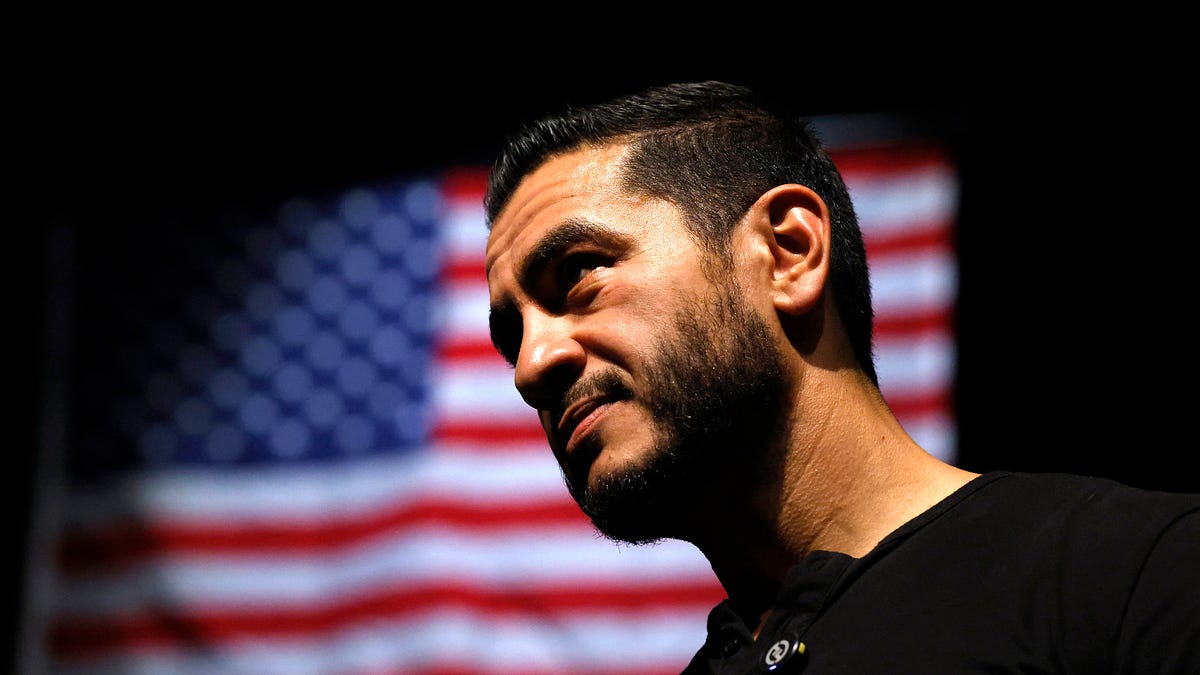
One person who has been thinking a lot about that debate is Andy Kim, the Democratic junior senator from New Jersey.
asserted
who → think → Jersey
He’s already got an idea for how the party should move forward if it gets the chance to legislate: He wants to act quickly to guarantee health insurance to all children as a first step toward bigger and more comprehensive reforms, through a proposal he calls “MediKids.”
asserted
he → get → proposal
It sounds intuitively simple, which is a bit deceptive once you get into the policy weeds.
asserted
you → sound → weeds
The thirteen-page bill Kim and three cosponsors introduced in July comes with all kinds of unanswered questions and, if implemented, would force all kinds of tradeoffs.
asserted
Kim → introduce → tradeoffs
Those include possible effects on existing private insurance and, naturally, the fiscal impact.
asserted
Those → include → insurance
But those things would be true of any major health care proposal, as they would be for sticking with the status quo.
asserted
they → stick → quo
And MediKids has plenty going for it, including the potential to keep the party united and to build some momentum for bigger changes, all while helping a bunch of children get health care they desperately need.
asserted
they → have → care
As Kim made clear to me in an interview—which you can watch below—that’s not a bad sales pitch.
asserted
that → make → which
KIM, WHO HAS BEEN IN CONGRESS for less than ten years and in the Senate for less than two, is not especially well known either to the public at large or inside the wonky world of health policy.
asserted
WHO → know → policy
But he sits on the Health, Education, Labor and Pensions Committee.
asserted
he → sit → Committee
And health care has played a key role in his political career, which started in 2017 when the newly elected Trump and the Republican Congress set out to repeal the Affordable Care Act.
asserted
Trump → play → Act
At the time, Kim’s wife was pregnant with their second child, whom doctors had determined was seriously underweight and at risk of severe health problems, and possibly not surviving at all.
uncertain
doctors → determine → problems
“The doctors came in and talked to us, and they said, ‘You know, there’s a problem,’ which is the last thing you want to hear when you’re there for an ultrasound,” Kim told me.
asserted
Kim → come → me
“It was devastating to get this news,” Kim went on to say, “and while I’m there taking my wife to the hospital constantly for different therapies, to see what we can do to get the weight up, I was watching the TV and I was watching the news, and my own congressman from New Jersey is leading the charge on trying to gut pre-existing condition protections.
asserted
congressman → get → protections
Kim was referring to Tom MacArthur, a House Republican whose deal with GOP leaders, hatched quietly when it appeared negotiations had broken down, got legislation through the House and over to the Senate.
asserted
negotiations → refer → Senate
Repeal never got through the upper chamber, stopped there by the dramatic thumbs-down vote of Arizona Republican John McCain.
asserted
Repeal → get → McCain
But Kim ran for Congress, making a defense of the Affordable Care Act and its protections for people with pre-existing conditions the centerpiece of his campaign.
asserted
defense → run → campaign
Kim’s victory was part of the 2018 blue wave, in which the backlash to repeal played a major part.
asserted
backlash → play → part
Since then he has continued to talk about health care reform and developed a special interest in children’s coverage—very much because, he told me, he’s a young father who understands what’s at stake.
asserted
what → continue → stake
“Thankfully my baby was born, we’ve been able to manage his health challenges, now he’s an all-star on his soccer team, and I’m really proud of that,” Kim said.
asserted
Kim → bear → that
“But ever since then, it really just stuck with me—the concerns about health care for everybody, but in particular when it comes to kids, when it comes to those who are most vulnerable, those who can’t look out for themselves, those that we as adults have a responsibility for.”
asserted
we → stick → responsibility
Kim, a Rhodes Scholar, also made it his business to learn about policy and the history of reform—leading him to propose MediKids, which, among its other virtues, is relatively simple to explain.
asserted
which → make → virtues
It would automatically enroll every newborn into a new insurance program, giving parents the chance to opt out if they have alternative coverage in place.
asserted
they → enroll → place
Kids could then stay on the program until they are 26 years old.1
uncertain
they → stay → program
Automatic enrollment, which would start two years after the law’s enactment, is the crucial element.
asserted
which → start → enactment
But because the patchwork of existing programs can be extraordinarily difficult to understand and navigate, kids fall through the cracks constantly, which can mean (among other things) that they miss out on screenings, checkups, and other preventive measures that keep them healthier later in life.
asserted
that → exist → life
More children are bound to lose coverage in the future thanks to Trump and the Republicans: The “One Big Beautiful Bill” requires would-be beneficiaries to go through even more onerous enrollment processes—and pushes states to question eligibility a lot more aggressively.
asserted
Bill → bind → eligibility
That’s one reason most analysts predict more children are about to become uninsured.
asserted
children → ’ → ?
Automatically enrolling children would prevent that kind of slippage from happening.2
Kim emphasized to me that he does not see MediKids as a stopping point for reform, or an alternative to any of the more sweeping proposals that would seek to insure people 26 and older.
asserted
that → enrol → people
On the contrary, he said, he imagines this as a chance for Democrats to move fast and deliver benefits quickly to a politically sympathetic group before turning their attention to more ambitious changes.
asserted
Democrats → say → changes
Critically, Kim said he believed that covering all children would create a public “expectation” of universal coverage that would create support for filling in the gaps at other ages—perhaps, again, through some kind of automatic enrollment.3
“Are you really going to have this type of care,” Kim asked, “and then all of a sudden—when you’re [26] years old—want to give it up?
asserted
you → say → it
I think it’s going to be something that’ll absolutely put us on that path for universal care.”
asserted
that → think → care
…and 36 more, not listed.
 The Aporia