Colby Cosh: Based on Hoekstra’s definition, I’m a foreign election-interferer

Read the original at National Post ↗
Cite

Cosh, C. (2026, October 17). Colby Cosh: Based on Hoekstra’s definition, I’m a foreign election-interferer. National Post. https://nationalpost.com/opinion/based-on-hoekstras-definition-im-a-foreign-election-interferer

Dated from the outlet's own feed. Check the original for its byline.

National Post · collected 2026-10-17 · by Colby Cosh analysis

Quick Summary

Colby Cosh writes about American ambassador Pete Hoekstra’s criticism of Canada for allegedly interfering in U.S. midterm elections through a Ronald Reagan-themed television ad by the Ontario government. The ad ran on major U.S. networks and featured an edited version of Reagan’s 1987 radio editorial, emphasizing free trade. Cosh argues that such political persuasion should be viewed positively as it promotes democratic engagement rather than espionage or corruption. He questions why Americans would object to a foreign ad that openly declares its source and offers no misleading information.
Written locally by qwen2.5:14b on 2026-10-17, using this article's own text rather than the other coverage of the same event (that is the story summary below).

AI analysis runs on qwen2.5:14b, locally

Story summary

Colby Cosh, in an article for the National Post, discusses Pete Hoekstra's criticism of Canadian election interference in U.S. midterms, highlighting the example of an Ontario government ad from October 2025 featuring former U.S. President Ronald Reagan’s views on free trade. The ad aired for two weeks on four major U.S. broadcast networks and ESPN during their postseason baseball coverage. Cosh argues that despite airing on American networks, the ad accurately quoted Reagan's 1987 radio editorial and was clearly labeled as an Ontario government advertisement, posing no threat of foreign interference.

Written for “Colby Cosh Foreign Election Interference Claim” on 2026-10-17, grounded in this article and the 0 other(s) covering the same event.
Why this leaning score
The article's own words the score was based on. Each is quoted verbatim and was checked against the article text before being stored, so you can find it in the original.
Reading Leans strongly left (beta estimate) Confidence high
Leaning: leans strongly left for article 86841 (high confidence, 3 verified quotes) · logged 2026-10-17

Story

📰 Colby Cosh Foreign Election Interference Claim
Politics · 1 article(s) covering the same event.

Compared with similar articles

This article reads leans strongly left and hedges 11% of its claims. Each row says how that neighbour differs.
The Globe and Mail
⚖️ leaning not scored 🔴 0% hedged 0 of 2 📰 publisher trust 52
“Article A reports on Minister Joly's response to U.S. Ambassador Hoekstra, while Article B comments on Hoekstra’s warnings and mentions a previous Ontario government ad that could be related but is not the same specific event.”
Toronto Star
⚖️ Leans strongly left 🔴 8% hedged 3 of 39 📰 publisher trust 63
“The articles discuss similar topics but describe different incidents, with Article A focusing on Ambassador Hoekstra's warning about Canadian interference and Article B responding to that warning by questioning its validity through an example.”
How this article was measured signals, leaning charts, publisher record, byline, topics and claims

Signals How these are calculated →

Claims extracted
35
sentences that state something as happening or true
Uncertain
11%
4 of 35 hedged ("reportedly", "may", "according to")
Leaning
Leans strongly left
of the writing, not the subject · beta estimate
Publisher signals
60/100
National Post's corrections and hedging, across everything collected from it. Not a measure of accuracy.
Outlets on this story
1
Politics
Same framing elsewhere
1
articles that frame the event the way this one does
Analyzed 2026-10-17 · how these are computed

How this is being covered How these are calculated →

Article leaning vs. publisher reliability
Source leaning vs. consistency

Publisher

National Post · 952 article(s) · 2 correction(s) detected
Running correction rate · 2 correction(s)

Who wrote this

Colby Cosh
7 article(s) here · 1 carrying a prediction
🔮 I would never have thought so, but earlier this week the American ambassador to Canada went on a Canadian podcast to warn against Canadian “interference” in U.S. midterm elections.
🔮 I’m afraid that has been my mood during the initial perusal of it, as much as I instinctively dislike the coming wave of oversimplifying “ALBERTA SECESSION WOULD COST THREE ZILLION GRILLION DOLLARS” headlines.
🔮 Some of you will have noticed a new and slightly shocking example of Canada’s longstanding case of information constipation: namely, the occurrence of Fifth China-Canada Defence Coordination Dialogue, which took place in Ottawa on Friday of last week.
🔮 I would say that’s a pretty decent number for the separatists, a base from which they might hope to work towards getting a third of the vote in the actual referendum.
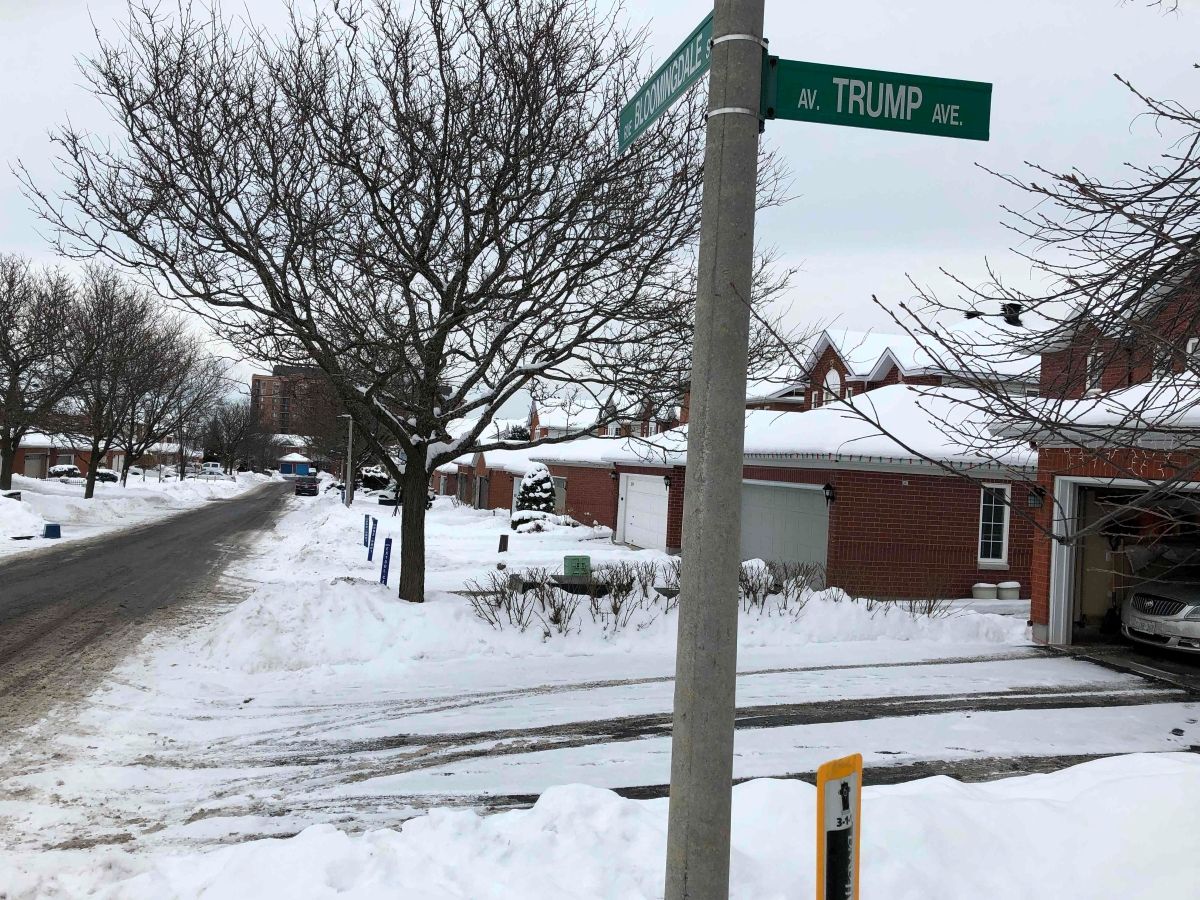
🔮 I couldn’t help ruminating on yesterday’s news of a renewed push to find a more suitable name for Trump Avenue in Ottawa’s Central Park neighbourhood.
🔮 NDP Leader Nenshi never wanted to have a referendum in the first place, so one supposes any excuse for such a demand will do; maybe next week he’ll want the vote called off because of a comet or other celestial portent.
🔮 Cycling advocates sued on Charter of Rights grounds, claiming that the removal of the lanes would expose them arbitrarily to “grossly disproportionate” risk of injury and death.
Also by Colby Cosh
Nothing else under this byline is closely related to this article, so these are simply their most recent.
All 7 articles by Colby Cosh →

Topics

American Canada Canadian Ontario U.S.

Subjects

American NORP · 6× Reagan PERSON · 6× Canadian NORP · 5× Ontario GPE · 4× Canadians NORP · 3× Americans NORP · 2× Canada GPE · 2× U.S. GPE · 2× Pete Hoekstra’s PERSON · 1× Ronald Reagan PERSON · 1×

Narrative

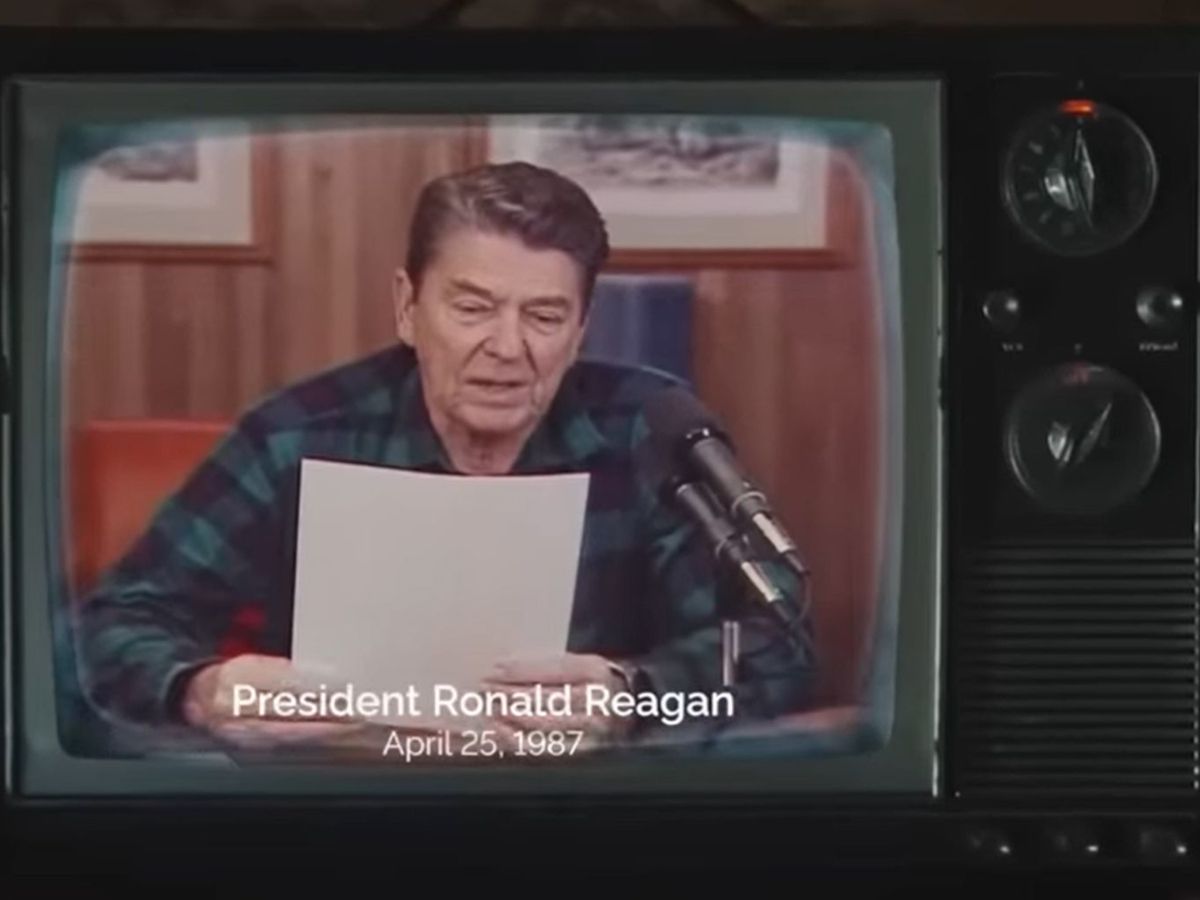
The example that got up Pete Hoekstra’s nose furthest was apparently the Ontario government’s October 2025 Ronald Reagan-themed television ad, which ran for two weeks on the four “major” U.S. broadcast networks and ESPN’s postseason baseball coverage.
framing: assertive · carried by 1 article(s) · first seen 2026-10-17
🔮 I would never have thought so, but earlier this week the American ambassador to Canada went on a Canadian podcast to warn against Canadian “interference” in U.S. midterm elections.

Claims (35 extracted, 4 hedged)

Do you suppose I’m guilty of intervening in a foreign election? asserted
I → suppose → election
I would never have thought so, but earlier this week the American ambassador to Canada went on a Canadian podcast to warn against Canadian “interference” in U.S. midterm elections. asserted
ambassador → think → elections
The example that got up Pete Hoekstra’s nose furthest was apparently the Ontario government’s October 2025 Ronald Reagan-themed television ad, which ran for two weeks on the four “major” U.S. broadcast networks and ESPN’s postseason baseball coverage. asserted
which → get → networks
The ad was nothing more than a (harmlessly edited) 1987 quotation from a radio editorial delivered by President Reagan. asserted
ad → edit → Reagan
Viewers were made emphatically aware that the spot was paid for by Ontario. asserted
spot → make → Ontario
It accurately expressed Reagan’s core beliefs, in Reagan’s own voice, about the virtue and importance of international free trade. asserted
It → express → trade
If the ad had quoted almost any other historic statesman, listeners would be safe in assuming that it had been written by someone else, possibly for ephemeral reasons of partisan advantage. uncertain
it → quote → advantage
In other words, Ontario made a revered American statesman speak from the grave, with undoubted sincerity, on an urgent contemporary issue. asserted
statesman → make → issue
Canadians are, apparently, supposed to feel bad about this: it might be “foreign election interference.” uncertain
it → suppose → this
This simply reminded me that talk of “foreign election interference” annoys the living hell out of me. asserted
talk → remind → me
It’s a category that some social scientist or historian will figure out how to break into usable components, into well-defined words conducive to the underlying problem. asserted
scientist → ’ → problem
For now, it’s used for name-calling and race-baiting as often as for any other purpose. asserted
it → use → purpose
The phrase “election interference,” at one extreme, includes violence, kidnapping and criminal intimidation by foreign agents. asserted
phrase → include → agents
(In this manifestation, it’s a problem that Canada has a lot more of than the United States, but it’s merely one aspect of a wider “the state won’t solve, address or even just oppose crime” problem.) asserted
state → ’ → crime
It can include political corruption and foreign compromise of officials and legislators. asserted
It → include → officials
But at the other end of the spectrum, “interference” might and does include lots of open, fair, ethical, democratic persuasive activity like the Reagan ad. uncertain
interference → include → ad
It seems to me this kind of thing ought to be welcomed among sovereign states as a healthy alternative to espionage, corruption and media conspiracy. asserted
kind → seem → espionage
Did Ontario create the ad intending to shift American votes and political sentiment? asserted
Ontario → create → votes
Is there anything reasonable for an American to object to about the ad, given its explicit and friendly foreign provenance? asserted
American → object → provenance
I’m damned if I can see it. asserted
I → ’m → it
It is for Americans to judge whether to be convinced by purely persuasive appeals from legitimate foreign interests that declare themselves as such. asserted
that → judge → themselves
In the case of the Reagan ad, no Canadian person is heard from or quoted at all. asserted
person → hear → ad
The damn thing is practically an “American Heritage Minute” paid for by Canadians. asserted
thing → pay → Canadians
Me, I was never happier to see a government dollar spent. asserted
dollar → see → ?
Anyway, it occurred to me that I may be a nasty foreign interferer. uncertain
I → occur → me
I’ve written many columns about the Trump administration’s practice of protectionist economic policy. asserted
I → write → policy
They don’t always include a giant banner reading “AMERICANS ABSOLUTELY HAVE THE RIGHT TO DECIDE TRADE POLICY FOR THEIR OWN COUNTRY,” but I will never write a word on the subject without having this in mind. asserted
I → include → mind
I don’t, however, attack President Donald Trump’s jazz-improv tariffs from a Canadian point of view, or in explicit defence of Canadian interests. asserted
I → attack → interests
Mostly I am trying to contrast current American policy with the text and spirit of the American Constitution, as a knowledgeable and admiring foreigner. asserted
I → try → foreigner
I do this (in the NATIONAL Post) in order to inform Canadians, who are 99 per cent of my audience, and to make better forecasts about America. asserted
who → do → America
But am I aware of having a small American following when I write this stuff? asserted
I → have → stuff
Do I harbor flickers of hope for influencing Americans in favour of the great classical-liberal cause of free trade? asserted
I → harbor → trade
Reader, I confess my crime. asserted
I → confes → crime
I am a foreign election-interferer, casting his laughable iota of weight into the maelstrom of American democracy. asserted
I → cast → democracy
Let the drone strike come though the heavens fall. asserted
heavens → let → ?

💬Give feedback
🕘History 🎫Support