Congress has spent more than 15 months trying to answer a fundamental question confronting America’s digital asset industry: Who regulates what?
asserted
Who → spend → what
On Sept. 15, the Senate will face a procedural cloture vote on the CLARITY Act that could determine whether Congress gets any closer to an answer.
uncertain
Congress → face → answer
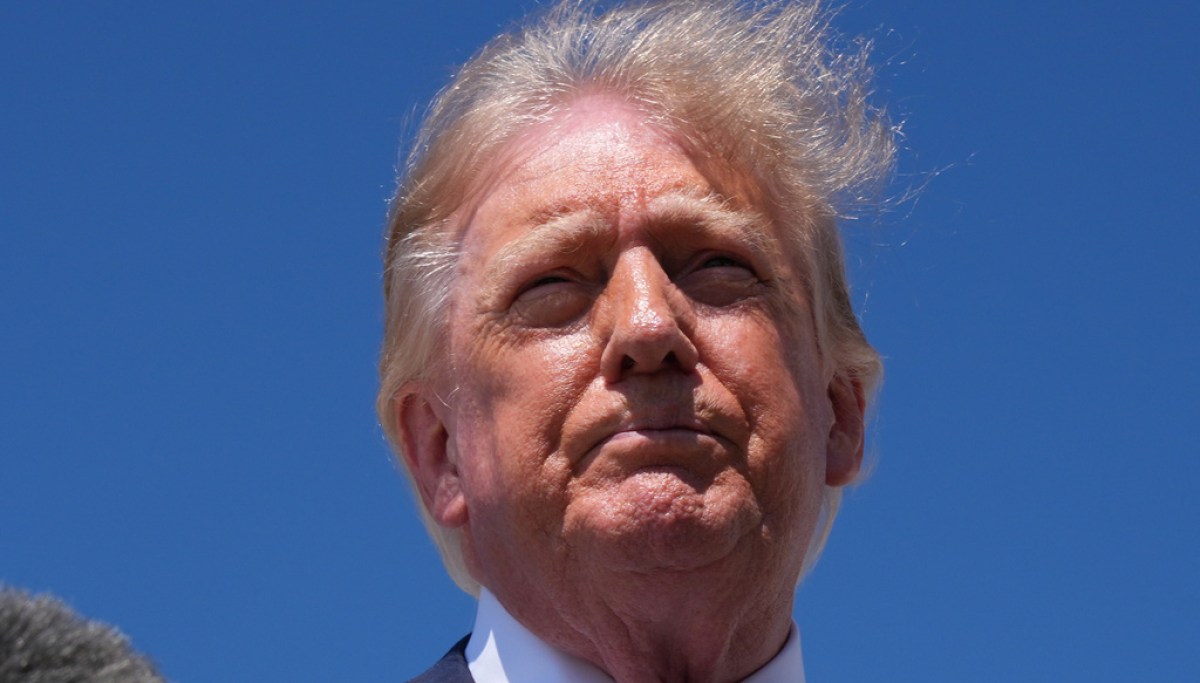
The dispute surrounding the CLARITY Act includes legitimate concerns about President Donald Trump’s conflicts of interest in crypto.
asserted
dispute → surround → crypto
But senators must not allow a controversy involving one president to derail rules intended to govern a financial industry that could prove revolutionary long after he leaves office.
uncertain
he → allow → office
The CLARITY Act would establish a clearer federal framework for digital asset markets by defining regulatory responsibilities and creating more predictable rules for market participants.
asserted
Act → establish → participants
The House passed the bill in July 2025, and this past May, the Senate Banking Committee advanced substantially revised legislation in a bipartisan 15-9 vote.
uncertain
Committee → pass → vote
But substantial disagreements over ethics, investor protection, banking, and other regulatory questions remain.
asserted
disagreements → remain → ethics
Trump and his family have accumulated substantial interests in digital assets, and Senate Democrats have repeatedly demanded stronger ethics protections as part of market-structure legislation.
asserted
Democrats → accumulate → legislation
Sen. Elizabeth Warren (D-MA) has argued that lawmakers should not support legislation that fails to address conflicts created by the Trump family’s crypto ventures.
asserted
that → argue → ventures
She has also raised broader concerns involving investor protection, financial stability, and national security.
asserted
She → raise → protection
Trump’s crypto interests present one question: How should presidents, senior officials, and their families be restricted from profiting from industries affected by the policies they help shape?
asserted
they → present → policies
The CLARITY Act presents another: What rules should govern digital asset markets in the United States?
asserted
rules → present → States
Congress should answer both.
asserted
Congress → answer → both
But one problem should not be allowed to prevent lawmakers from addressing the other.
asserted
problem → allow → other
They increasingly intersect with payments, lending, trading, and the tokenization of traditional assets.
asserted
They → intersect → assets
Whatever one thinks of cryptocurrency as an investment, these markets are not disappearing.
asserted
markets → think → investment
The U.S. therefore has an opportunity to shape the rules governing a rapidly developing global financial technology rather than push investment and innovation toward jurisdictions with clearer rules.
asserted
U.S. → have → rules
The relevant policy question is whether the U.S. will establish durable rules or continue relying heavily on agency interpretations, enforcement decisions, and executive priorities.
asserted
U.S. → establish → interpretations
The Securities and Exchange Commission itself has acknowledged the limits of that approach.
asserted
Commission → acknowledge → approach
On Aug. 18, the SEC proposed a framework for certain crypto-related investment contracts, including tailored registration exemptions and a conditional safe harbor.
asserted
SEC → propose → exemptions
But SEC Chairman Paul Atkins simultaneously called congressional legislation “indispensable,” arguing that legislation is necessary to establish rules durable enough to withstand changes in regulatory leadership.
That is exactly why Congress matters.
asserted
Congress → call → leadership
investors assessing risk benefit from knowing that fundamental market rules will not change abruptly with each administration.
asserted
rules → assess → administration
Congress has already shown that bipartisan digital asset legislation is possible.
asserted
legislation → show → ?
Last year, lawmakers enacted the GENIUS Act, establishing a federal framework for payment stablecoins.
asserted
lawmakers → enact → stablecoins
But stablecoin regulation does not resolve the broader market-structure questions CLARITY is designed to address.
asserted
CLARITY → resolve → questions
Congress does not need to ignore Trump’s conflicts.
asserted
Congress → need → conflicts
It can address them directly through ethics restrictions, stronger disclosure requirements, and other safeguards designed to prevent public officials from using government power for private financial gain.
asserted
It → address → gain
What Congress must not do is treat those conflicts as a reason to leave the broader regulatory question unresolved.
asserted
do → treat → question
Trump will not be president forever, but digital asset markets will almost certainly outlast his administration, his family’s crypto ventures, and the current partisan alignment in Washington.
asserted
markets → outlast → Washington
It is whether Congress can distinguish an ethics dispute involving one president from the longer-term task of establishing durable rules for an emerging financial sector.
asserted
Congress → distinguish → sector
Federal financial law should not revolve around one politician, whether it is to accommodate his personal interests or to constrain them.
asserted
it → revolve → them
Jeremy Etelson has written political commentary for the Hill and has appeared on Fox Business and NewsNation discussing national politics.
asserted
Etelson → write → politics
He previously worked in Democratic politics and served as a judicial law clerk in Maryland.
asserted
He → work → Maryland
He holds a J.D. from George Washington University Law School and an M.Phil. in political thought and intellectual history from the University of Cambridge.
asserted
He → hold → Cambridge