Nighttime Light Exposure Is Linked to Heart Changes

TIME · collected 2026-09-12 · by Veronique Greenwood
Read the original at TIME ↗

Summary

A recent study published in the European Heart Journal on September 9 found that individuals exposed to light at night while sleeping tend to have structural changes in their hearts compared to those who sleep in darkness. Using data from fitness monitors with light sensors worn by participants of the UK Biobank, researchers discovered that people routinely exposed to even low levels of nighttime light (3 lux or roughly equivalent to three candles held three feet away) showed heart wall thickening and reduced pumping efficiency, indicative of increased cardiac workload. This research adds more evidence linking nighttime light exposure with potential cardiovascular risks.
Written by the local model on 2026-09-12, using this article's own text rather than the other coverage of the same event (that is the story summary below).

Signals How these are calculated →

Claims extracted
22
claim-shaped sentences
Uncertain
14%
3 of 22 hedged
Leaning
not political
takes no side on a contested political question
Publisher trust
94.8
red-flag proxy, not a credibility rating
Outlets on this story
2
Health
Narrative spread
1
articles carrying this framing
Analyzed 2026-09-12 · how these are computed

AI analysis (generated at analysis time, not now)

Story summary

A new study published in the European Heart Journal suggests that exposure to even minimal nighttime lighting can harm heart health. Researchers from Tulane University analyzed data from 11,071 participants in the UK Biobank and found that people exposed to at least 3 lux of light during sleep—equivalent to a dimly lit room—had changes in their heart structure and function. These changes indicate increased strain on the heart, which could explain higher risks of coronary artery disease, heart attack, heart failure, and stroke previously linked to nighttime light exposure. Dr. Thomas Münzel from the University Medical Center of Johannes Gutenberg University emphasizes that darkness is crucial for cardiovascular health, akin to blood pressure control and clean air.

Written for “Nightlight Heart Damage Risk” on 2026-09-12, grounded in this article and the 1 other(s) covering the same event.
Why this leaning score
This article does not take a side on a contested political question, so it has no leaning score. That is an answer rather than a gap: a match report or a rescue can be warmly or critically written without being left or right, and scoring it anyway is how approval of a subject gets recorded as a political position.
No political leaning scored for article 8347 · logged 2026-09-12

Story

📰 Nightlight Heart Damage Risk
Health · 2 article(s) covering the same event. This is the one the site leads with.

How this is being covered How these are calculated →

Article leaning vs. publisher reliability
Source leaning vs. consistency

Compared with similar articles

This article reads unscored and hedges 14% of its claims. Each row says how that neighbour differs.
NBC News
⚖️ leaning not scored 🔴 16% hedged 5 of 32 📰 publisher trust 95
“Both articles report on a study published in the European Heart Journal examining the link between nighttime light exposure and heart changes.”

Publisher

TIME · 119 article(s) · 0 correction(s) detected
No corrections detected for this publisher. That may mean careful reporting, or simply that nothing has been checked.

Who wrote this

Veronique Greenwood
2 article(s) here · 1 carrying a prediction
🔮 Recent research has found that might be a problem.
2026-09-12 · assertive framing · Nighttime Light Exposure Is Linked to Heart Changes
🔮 The store feels like it’s on the far side of the Amazon, or maybe the Gobi.
2026-08-28 · assertive framing · How Your Body Adapts to Changing Temperatures
Also by Veronique Greenwood
Nothing else under this byline is closely related to this article, so these are simply their most recent.

Topics

Biobank Harvard Medical School Tulane University the European Heart Journal

Subjects

Angus Burns PERSON · 1× Biobank ORG · 1× Harvard Medical School ORG · 1× Lu Qi PERSON · 1× Tulane University ORG · 1× the European Heart Journal ORG · 1×

Narrative

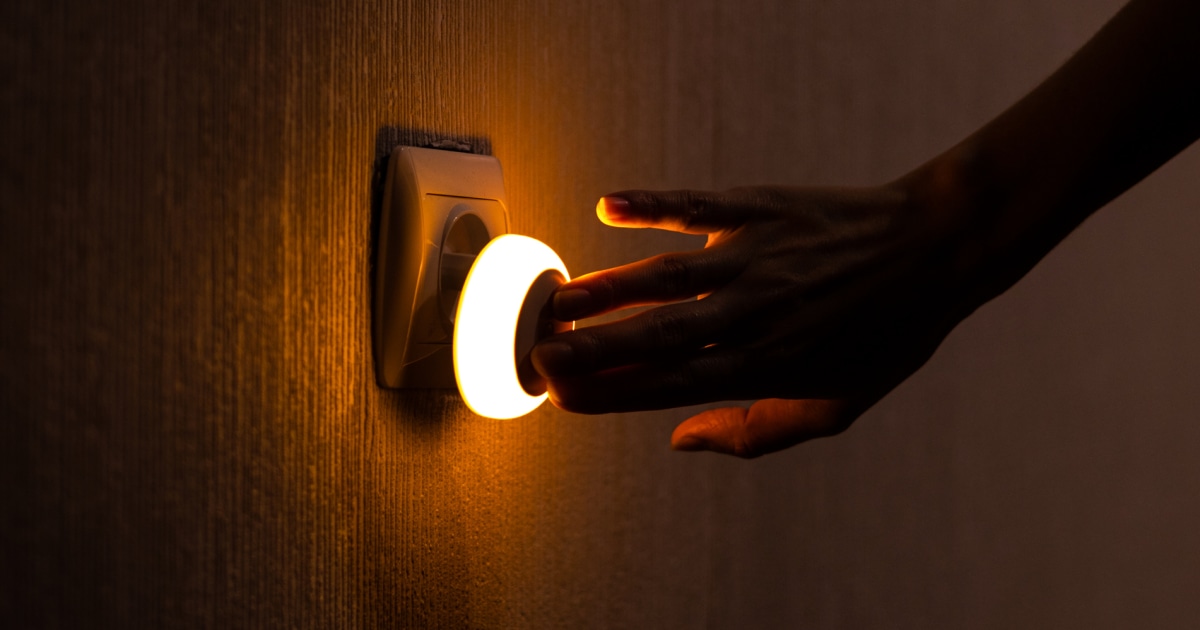
After sorting the participants into those with minimal light exposure at night, and those who routinely slept with at least 3 lux of light streaming over them (the equivalent of roughly three candles held three feet away), the researchers examined these scans for structural and functional changes, like the thickness of the heart’s walls and the movement of the valves that keep blood pumping.
framing: assertive · carried by 1 article(s) · first seen 2026-09-12
🔮 Recent research has found that might be a problem.
2026-09-12 · TIME
Nighttime Light Exposure Is Linked to Heart Changes · assertive framing

Claims (22 extracted, 3 hedged)

Now, however, it’s rare to find yourself in total darkness. asserted
it → ’ → darkness
Recent research has found that might be a problem. uncertain
that → find → ?
Light exposure at night has been linked to higher rates of diabetes, obesity, and hypertension. asserted
exposure → link → diabetes
Last year, researchers connected it to higher rates of heart failure and other cardiovascular problems over 10 years. asserted
researchers → connect → years
Publishing in the European Heart Journal on September 9, another research team now reports that compared to people sleeping in darkness, people exposed to light at night tend to have structural changes in their hearts. asserted
people → publish → hearts
The changes indicate that the organ is working harder than usual, the researchers say, providing further support for the idea that nighttime light exposure is connected to worse cardiovascular outcomes. asserted
exposure → indicate → outcomes
How does light at night affect health? asserted
light → affect → health
This study drew on data from fitness monitors that were worn for a week by a subset of participants in the UK Biobank, which collects health and lifestyle information on half a million people. asserted
which → draw → people
The monitors contain a light sensor, which allows for an objective measurement of light exposure, says Dr. Lu Qi, a professor of epidemiology at Tulane University and an author of the new study. asserted
Qi → contain → study
“That's very unique, because most previous studies have used self-reported light exposure,” he says. asserted
he → use → exposure
The other unique feature of the study involved cardiac MRIs that were taken of peoples’ hearts after they had worn the fitness monitors but before they developed any diagnosable heart problems. asserted
they → involve → problems
After sorting the participants into those with minimal light exposure at night, and those who routinely slept with at least 3 lux of light streaming over them (the equivalent of roughly three candles held three feet away), the researchers examined these scans for structural and functional changes, like the thickness of the heart’s walls and the movement of the valves that keep blood pumping. asserted
that → sort → blood
They found that the hearts of people exposed to nighttime light had thicker walls and were less effective at pumping. asserted
hearts → find → walls
These changes do not themselves indicate heart disease, but precede its development, says Qi. asserted
Qi → indicate → development
These results—correlational as they are—add greater detail to the picture sketched by earlier work finding a correlation between light at night and a higher risk of heart disease, says Angus Burns, an instructor in medicine at Harvard Medical School who co-wrote a paper last year on the trend. asserted
who → add → trend
“They show the same associations of light at night with stroke, myocardial infarction, heart failure,” he says. asserted
he → show → stroke
“The place where it really extends the literature is the MRI scans of the heart, which was fantastic. asserted
which → extend → heart
With this kind of study, it’s impossible to eliminate the possibility that these heart problems and light exposure are both linked with another unknown factor in these people’s lives. asserted
problems → ’ → lives
But overall, the research suggests that light exposure at night may be a driver of metabolic and cardiovascular problems. uncertain
exposure → suggest → problems
It’s not entirely clear what was causing the light exposure seen in the data—whether it was lights on elsewhere in the house, lights on in the room, a tablet or other screen on nearby, or perhaps a television left on. asserted
it → ’ → room
But for the moment, the best rule of thumb is to get the room as dark as possible, these studies suggest. asserted
studies → get → thumb
Draw an eye mask over your eyes—and know that it could be helping your heart. uncertain
it → draw → heart

💬 Give feedback
🕘 History 🎫 Support