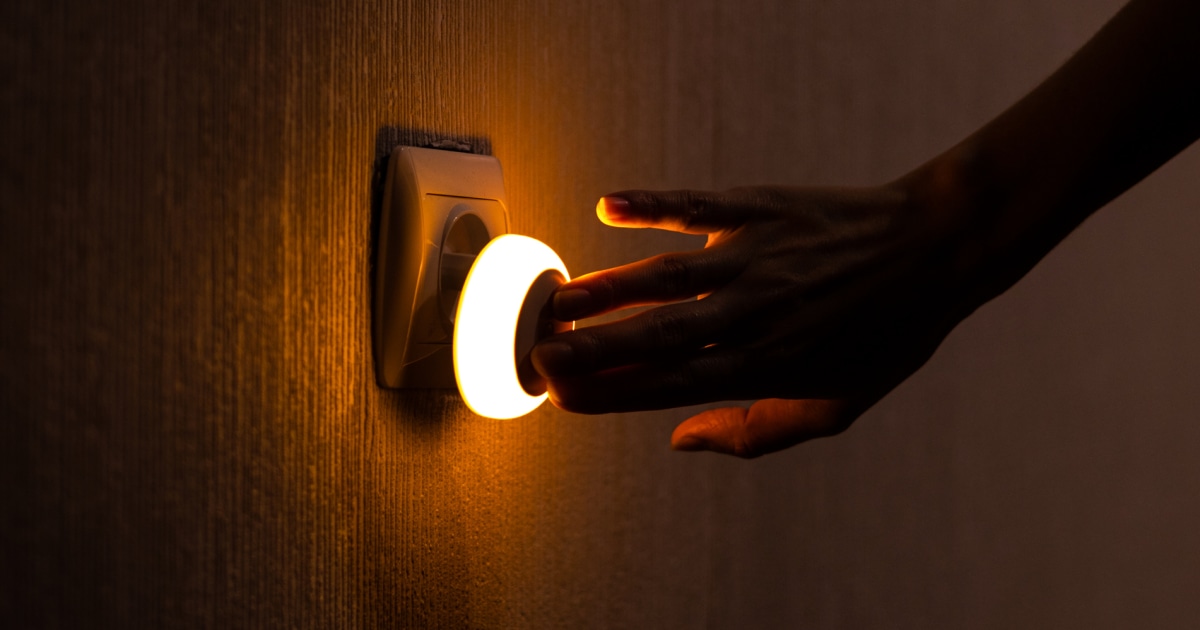
Exposure to light during nighttime sleep may lead to potentially harmful changes in the structure and function of the heart, according to a study published Wednesday in the European Heart Journal.
uncertain
Exposure → lead → Journal
Previous research had shown a link between nighttime sleep while exposed to light and an elevated risk of coronary artery disease, heart attack, heart failure and stroke.
asserted
research → show → disease
The new study is the first to examine how it also affects the structure and function of the heart.
asserted
it → examine → heart
Changes to the heart — known as remodeling — can help explain the elevated risk for heart problems associated with too much nighttime light, said lead researcher Dr. Lu Qi, of Tulane University’s Celia Scott Weatherhead School of Public Health & Tropical Medicine.
asserted
Qi → know → Health
“The takeaway is clear: darkness deserves recognition as a vital sign, as essential to cardiovascular health as blood pressure control and clean air,” Dr. Thomas Münzel, an environmental cardiologist at the University Medical Center of Johannes Gutenberg University in Mainz, Germany, and colleagues wrote in an accompanying editorial.
asserted
Münzel → deserve → editorial
The researchers analyzed data from 11,071 participants enrolled in the UK Biobank, a massive database that began recruiting participants in 2005 and collects data about demographics, health and lifestyle.
asserted
that → analyze → demographics
The people in the study wore light and motion sensors on their wrists for seven days, and a few years later, they were given MRIs of the heart.
asserted
they → wear → heart
They did not have cardiovascular disease starting out.
asserted
They → have → disease
The researchers compared people who were exposed to almost no nighttime light during sleep to people who were exposed to at least 3 lux — lux is a measurement of illumination — which would still be a very dim room, said Kristen Knutson, an associate professor of sleep medicine at Northwestern University’s Feinberg School of Medicine who has no connection to the study.
asserted
who → compare → study
Your closed eyes, however, would be able to detect the light, she said.
asserted
she → detect → light
Street light leaking through window shades, clock radio illumination and LED lights on equipment like room air purifiers or humidifiers were possible sources for nighttime light in the study, said Qi.
asserted
Qi → leak → study
After adjusting for demographic, lifestyle, health and environmental factors, the researchers found that any increase in light exposure above 3 lux during nighttime sleep was associated with measurable, subtle cardiac damage.
asserted
increase → adjust → damage
For example, participants in the highest light exposure group had, on average, a 2.4% larger left ventricle (a chamber of the heart), a 1.5% thicker heart wall and a 1.9% reduction in the heart’s ability to contract, compared with participants sleeping in the darkest rooms.
asserted
participants → have → rooms
Each of those changes in the heart looks small, but they have been linked with cardiovascular disease and stroke.
asserted
they → look → disease
“If we look at the various different functional and structural outcomes together, they are pretty considerable,” Qi said.
asserted
Qi → look → outcomes
In fact, the researchers looked for those kinds of health events.
asserted
researchers → look → events
They found that after up to 10 years of follow-up, the highest light exposure group showed a 29% increased risk of heart failure, a 24% higher risk for heart attack, a 33% elevated risk for stroke and a 26% increased risk for cardiovascular death compared with the lowest light group.
asserted
group → find → group
Nighttime light can affect how long someone sleeps, and the paper found that nearly half of the changes in the heart’s structure and function could be attributed to lack of sleep.
uncertain
half → affect → sleep
That system, or clock, controls 24-hour patterns in a wide range of areas, from sleep, to hormones, to blood pressure, to inflammation, among others.
asserted
system → control → others
Nighttime light can confuse the body’s circadian system, which can lead to cardiovascular consequences down the road, said Knutson.
asserted
Knutson → confuse → road
The paper has limitations.
asserted
paper → have → limitations
The participants wore the wrist sensor for only a week.
asserted
participants → wear → week
It also measured only illumination, not light spectrum, and so the study couldn’t say anything about the impact of different kinds of light, for instance LED light versus fluorescent light, on heart remodeling.
asserted
study → measure → remodeling
In addition, the participants were mostly white, and so the results may not apply to other racial groups.
uncertain
results → apply → groups
Most important, the study was observational, and so it can’t be firmly established that nighttime light caused the heart changes.
asserted
light → establish → changes
A future study about nighttime light could include people who start out with cardiovascular disease or are at high risk for it, said Knutson.
uncertain
Knutson → include → it
“Are they more vulnerable, less vulnerable?” she asked.
asserted
she → ask → ?
Future studies could also include measurements of the light spectrum and the body’s circadian rhythm.
uncertain
studies → include → spectrum
The study’s implications are clear, wrote Münzel and colleagues.
asserted
Münzel → write → ?
People can make simple and inexpensive fixes, such as installing blackout curtains, using warm-colored bedside lighting and covering the small standby LEDs on household electronics.
asserted
People → make → electronics
Cities can also take action, from using dimming and motion-activated streetlights to shielding streetlights so they don’t shine into buildings.
asserted
they → take → buildings
The study, the editorial said, provides a crucial link between “a planet growing ever brighter at night, and the clinical reality unfolding inside our chests: hearts that are becoming stiffer, weaker, and less efficient.”
asserted
that → say → chests
 The Aporia