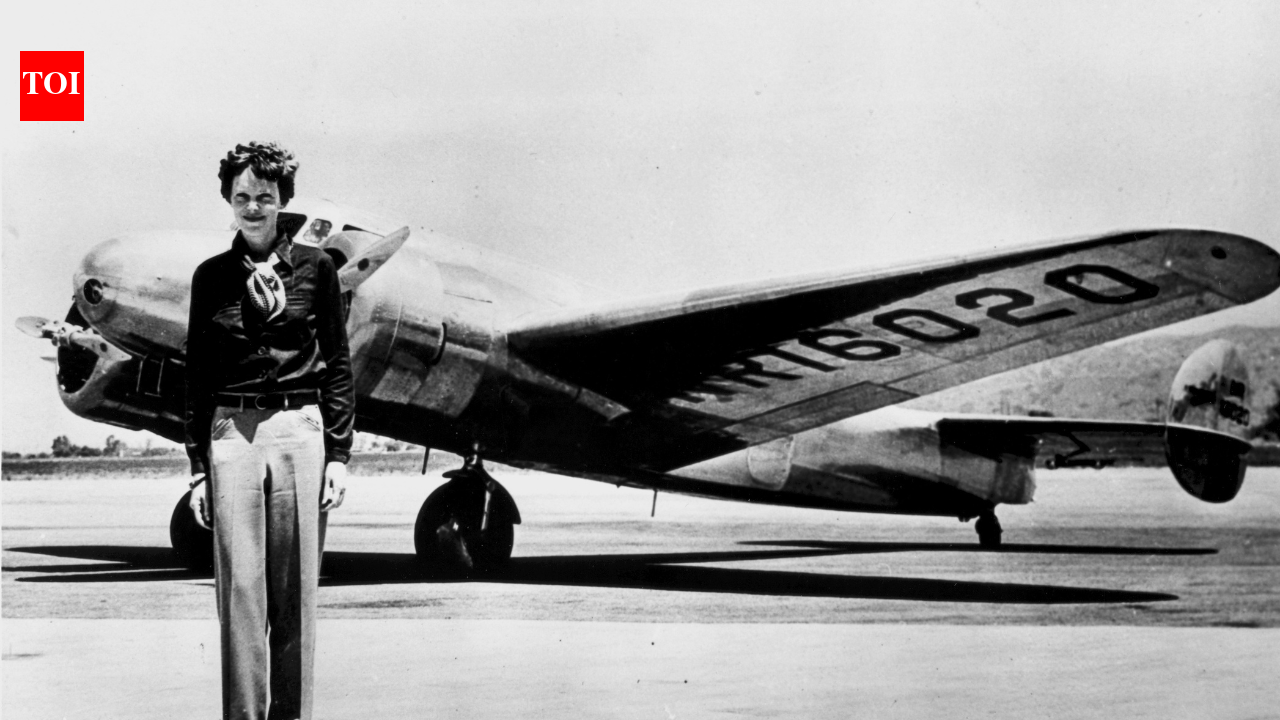
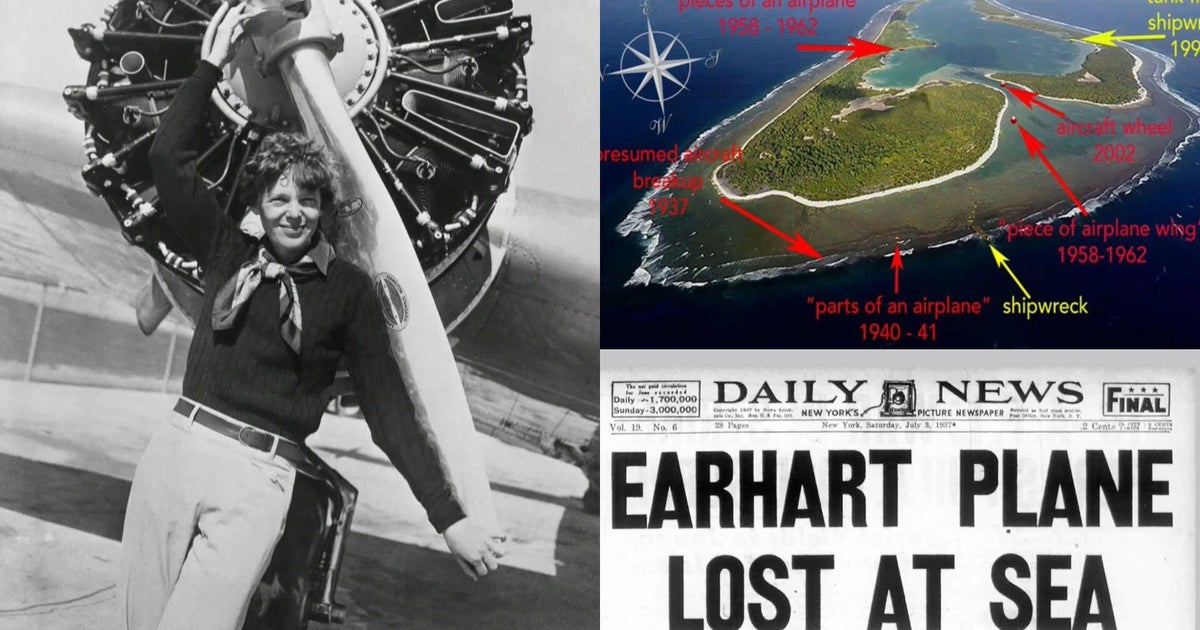
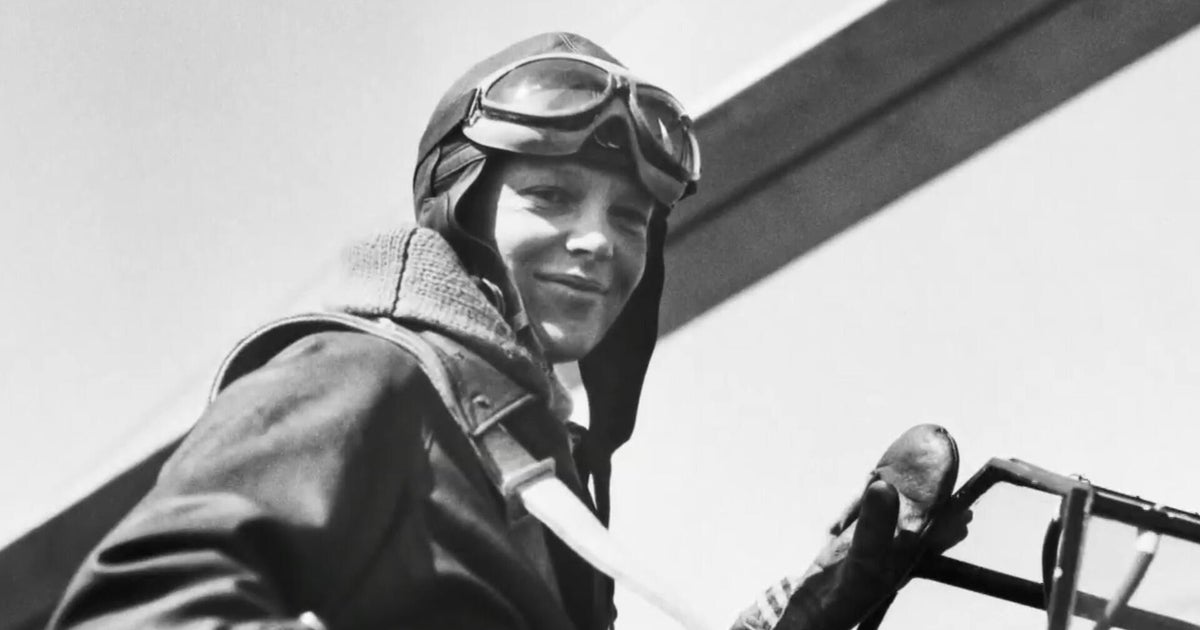
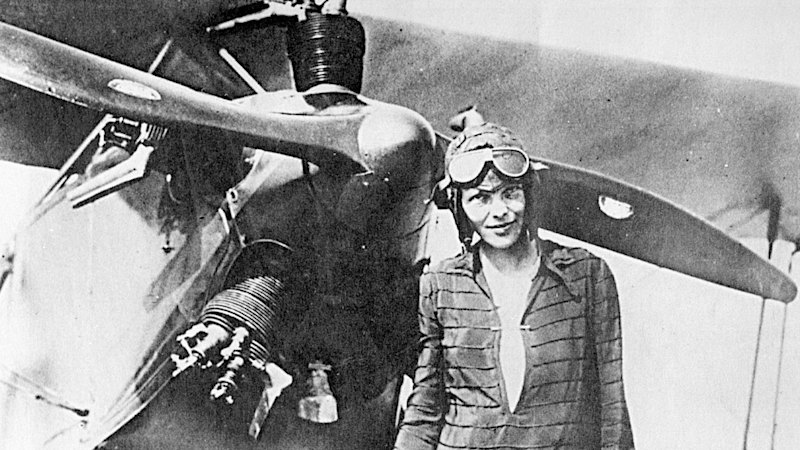
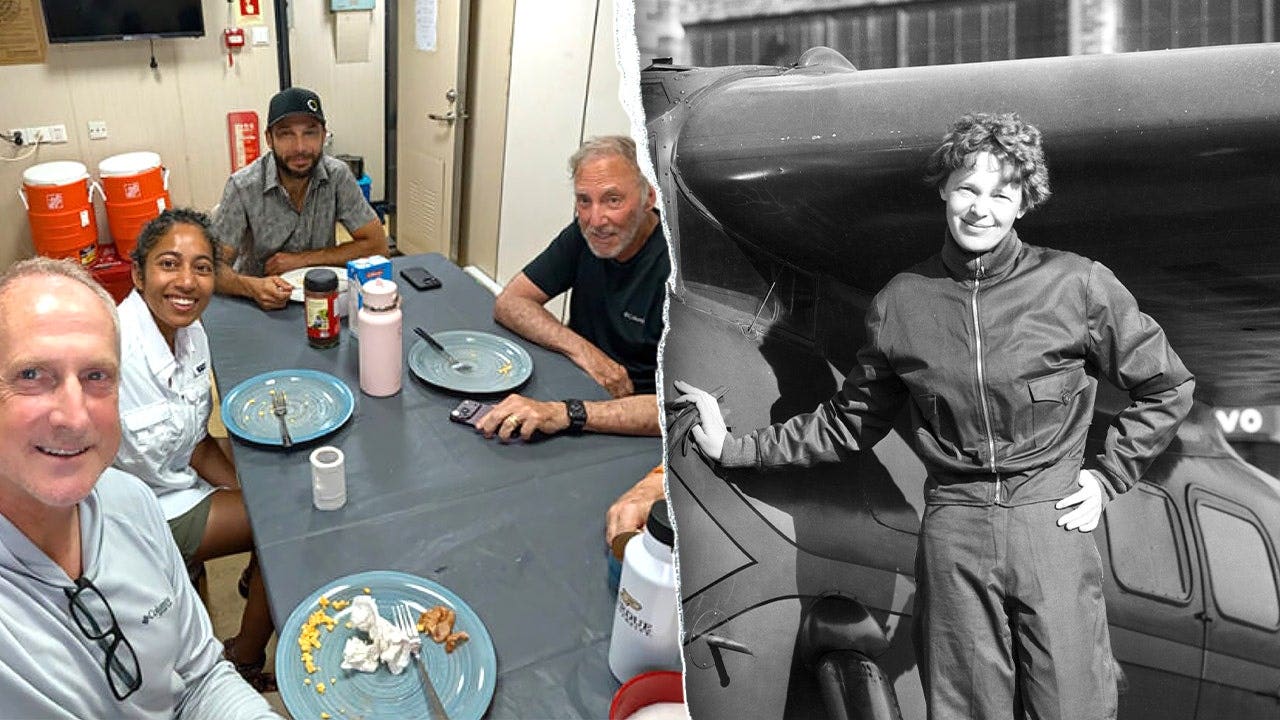
Amelia Earhart, one of the world’s most celebrated aviation pioneers, disappeared over the Pacific Ocean on July 2, 1937, while attempting to fly around the world with navigator Fred Noonan.
asserted
Earhart → disappear → Noonan
Nearly nine decades later, her fate remains unknown.
asserted
fate → remain → ?
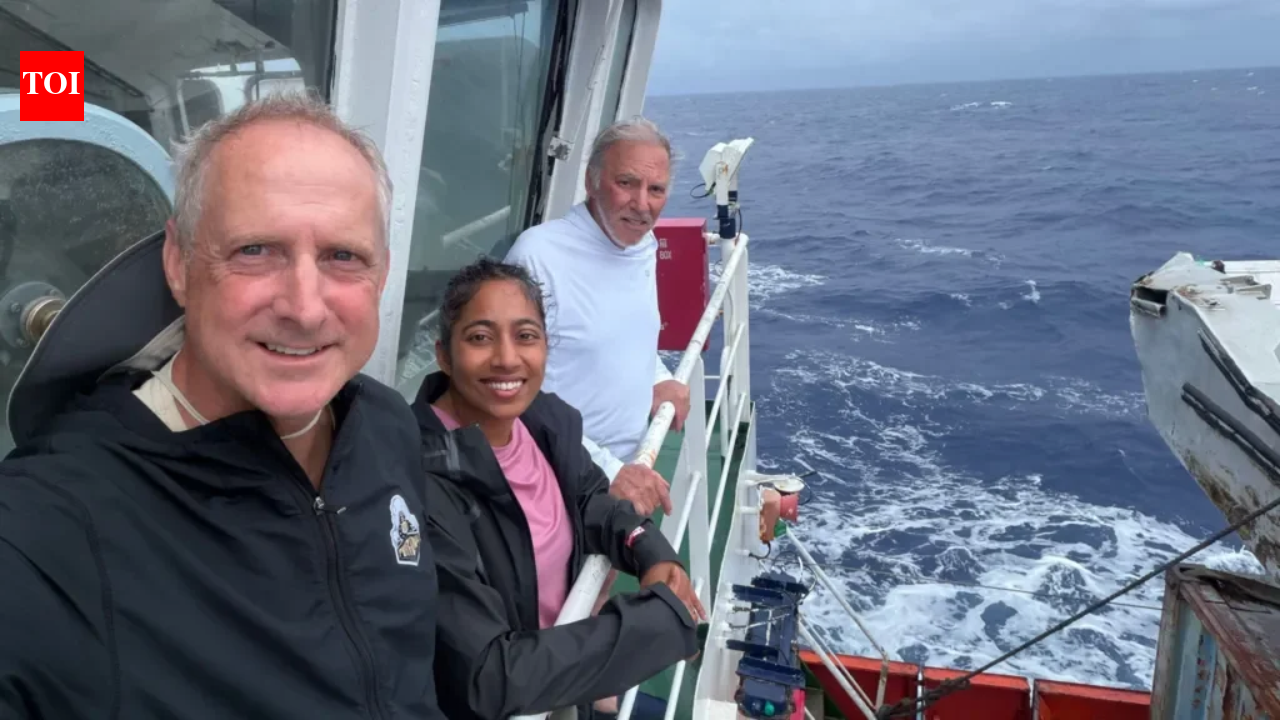
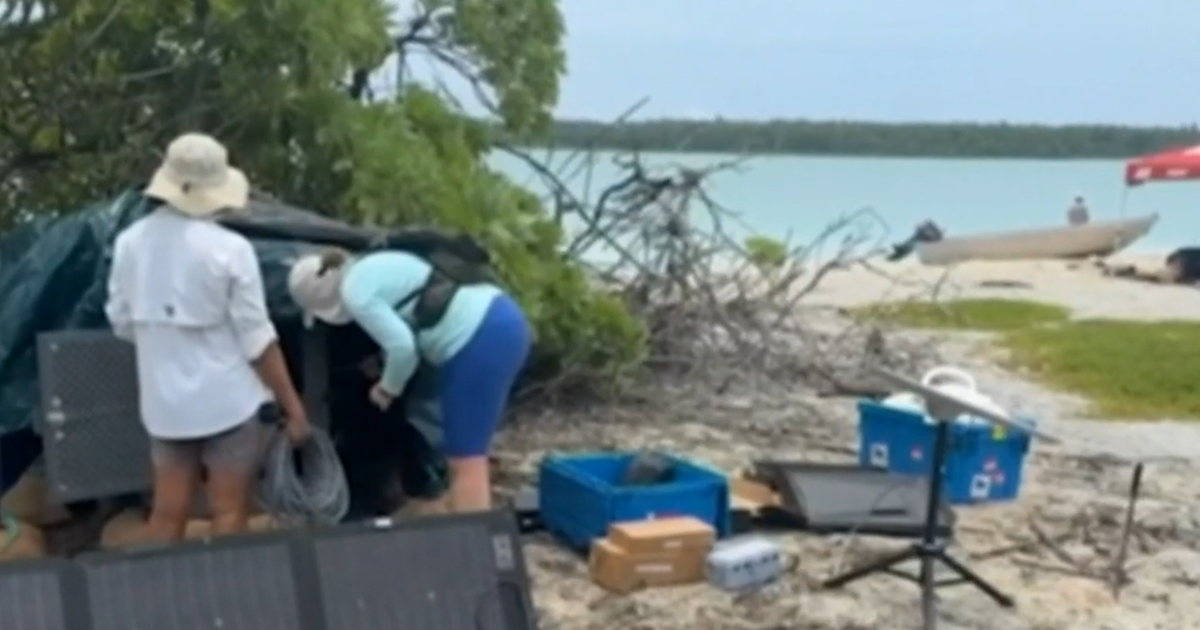
A new 17-member expedition backed by Purdue University and the Archaeological Legacy Institute reached Nikumaroro, a remote island in the Republic of Kiribati, on October 12, 2026, to investigate an underwater object that could potentially be linked to her missing Lockheed Electra.
uncertain
that → back → Electra
The search has renewed attention to the long-standing theory that Earhart and Noonan may have reached the island after failing to locate Howland Island.
uncertain
Earhart → renew → Island
According to this hypothesis, Earhart may have survived as a castaway before dying there, with giant coconut crabs potentially scavenging her remains and scattering her bones.
uncertain
crabs → accord → bones
The theory that Amelia Earhart survived a crash only to be eaten by giant crabs
The hypothesis, known as the Nikumaroro castaway theory, proposes that Earhart and Noonan failed to find Howland Island and instead landed on the reef surrounding Nikumaroro, then known as Gardner Island.
asserted
Earhart → survive → Island
Supporters believe the reef may have provided a rough landing surface, allowing them to survive the initial disappearance.
uncertain
them → believe → disappearance
According to this theory, Noonan eventually died, while Earhart may have remained on the island as a castaway.
uncertain
Earhart → accord → castaway
Coconut crabs could have scavenged her remains after her death and carried some bones away from the original location.
uncertain
crabs → scavenge → location
However, no conclusive evidence establishes that Earhart reached the island or that this was her fate.
Why Nikumaroro became central to the theory
Nikumaroro lies in the Phoenix Islands of Kiribati, roughly 400 miles southeast of Howland Island, Earhart’s intended destination.
asserted
Nikumaroro → establish → Island
Supporters of the castaway hypothesis point to reports of radio signals received after the aircraft disappeared, objects found on the island and the discovery of human bones in 1940.
asserted
aircraft → point → 1940
British colonial officials found 13 bones, including a skull.
asserted
officials → find → skull
Gerald Gallagher, the island’s administrator, reported that coconut crabs had scattered bones at the discovery site and suggested that the remains might possibly belong to Earhart.
uncertain
remains → report → Earhart
The bones were sent to Fiji for examination but were subsequently lost, preventing modern DNA testing of the original remains.
asserted
bones → send → remains
Their identity has never been conclusively established.
asserted
identity → establish → ?
How giant coconut crabs could have scattered her remains
Coconut crabs, scientifically known as Birgus latro, are the world’s largest land-dwelling arthropods.
uncertain
crabs → scatter → latro
They can measure up to three feet across and weigh more than nine pounds.
asserted
They → measure → pounds
Their powerful claws help them handle food, while their keen sense of smell allows them to locate potential food sources, including animal remains.
asserted
them → help → remains
Their diet includes fruit, coconuts and animal matter.
asserted
diet → include → fruit
These scavenging habits form the basis of the theory about Earhart’s possible fate.
asserted
habits → scavenge → fate
If she died on Nikumaroro, the crabs might have consumed soft tissue and moved some bones away from the original location, making the remains difficult to recover.
uncertain
remains → die → location
What carcass experiments revealed
asserted
revealed → reveal → What
Researchers associated with the International Group for Historic Aircraft Recovery (TIGHAR) investigated whether crabs could help explain the scattered remains.
uncertain
crabs → associate → remains
In 2001, the group conducted an experiment on Nikumaroro using a lamb shoulder after an attempt to obtain a pig for the study fell through.
asserted
attempt → conduct → study
Its account describes how hermit crabs and young coconut crabs appeared to remove flesh and disperse some bones, although the researchers did not directly observe every part of the process.
asserted
researchers → describe → process
A later experiment involving a pig carcass was described by National Geographic.
asserted
experiment → involve → Geographic
The report said coconut crabs and smaller strawberry hermit crabs gathered around the body, removed much of its flesh within two weeks and were associated with bones being moved as far as 60 feet from the original location.
asserted
bones → say → location
A new expedition investigates a mysterious object
asserted
expedition → investigate → object
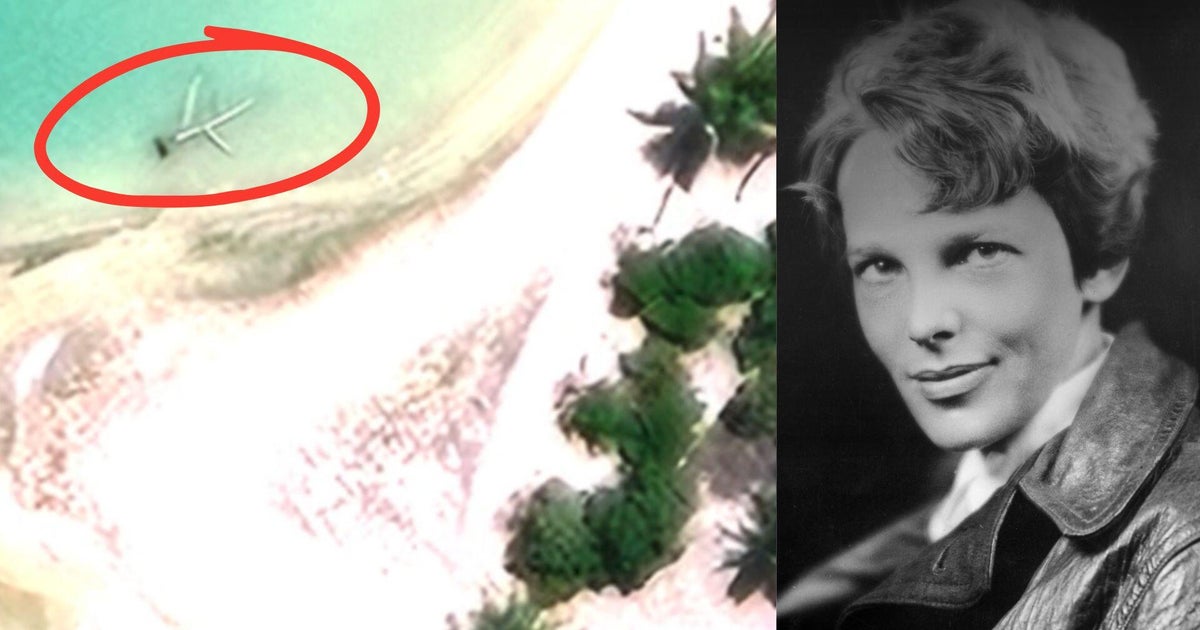
In October 2026, a 17-member expedition backed by Purdue University, the Purdue Research Foundation and the Archaeological Legacy Institute reached Nikumaroro to investigate an underwater feature known as the Taraia Object.
asserted
expedition → back → Object
The team travelled approximately 830 nautical miles over five days to reach the remote atoll.
asserted
team → travel → atoll
The object was noticed in satellite imagery in 2020 and appears to have a shape that some observers believe resembles aircraft wreckage.
asserted
observers → notice → wreckage
According to Purdue University’s October 14 update, researchers began an underwater survey using a magnetometer and side-scan sonar.
uncertain
researchers → accord → magnetometer
The team is examining the feature to determine whether it could be related to Earhart’s missing Lockheed Electra 10-E.
uncertain
it → examine → E.
The object remains unidentified.
asserted
object → remain → ?
Ric Gillespie, a veteran Earhart investigator and executive director of TIGHAR, has argued that the shape is a fallen pandanus tree and its root system rather than aircraft debris.
asserted
shape → argue → debris
Further examination is needed to establish what the object is and whether it has any connection to Earhart’s aircraft.
asserted
it → need → aircraft
The October 2026 expedition could provide new evidence about the aircraft and help researchers assess the broader castaway hypothesis.
uncertain
researchers → provide → hypothesis
Until the Taraia Object is identified or other evidence directly links Earhart to Nikumaroro, the possibility that she survived a crash landing before dying as a castaway and being scavenged by giant coconut crabs remains unconfirmed.
uncertain
she → identify → crabs
 The Aporia