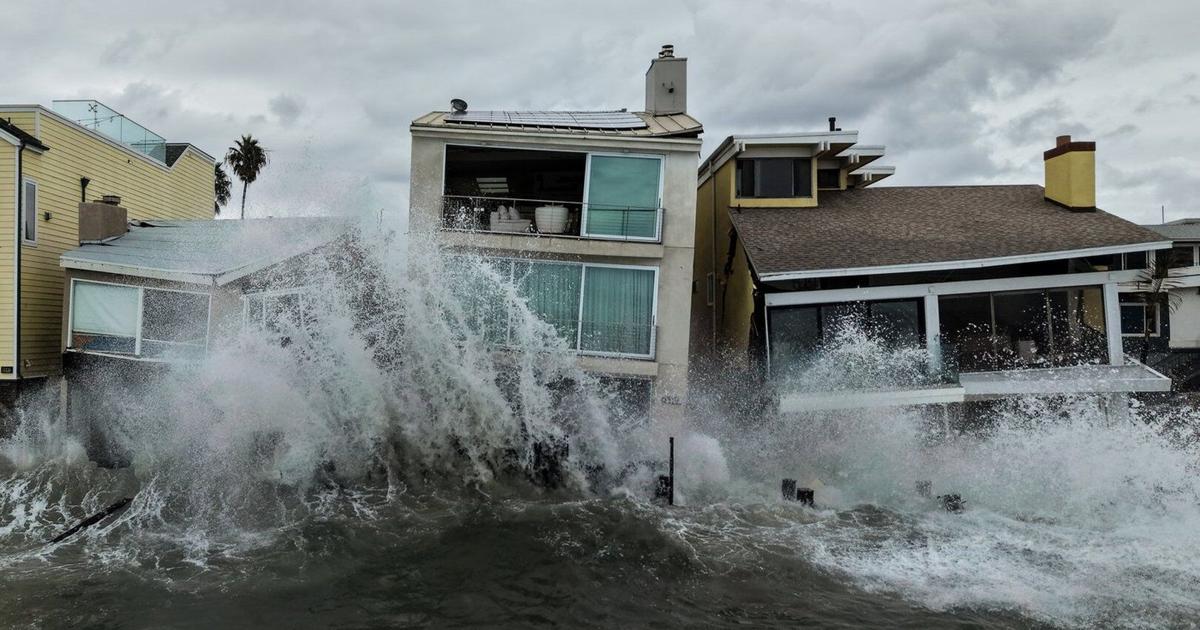
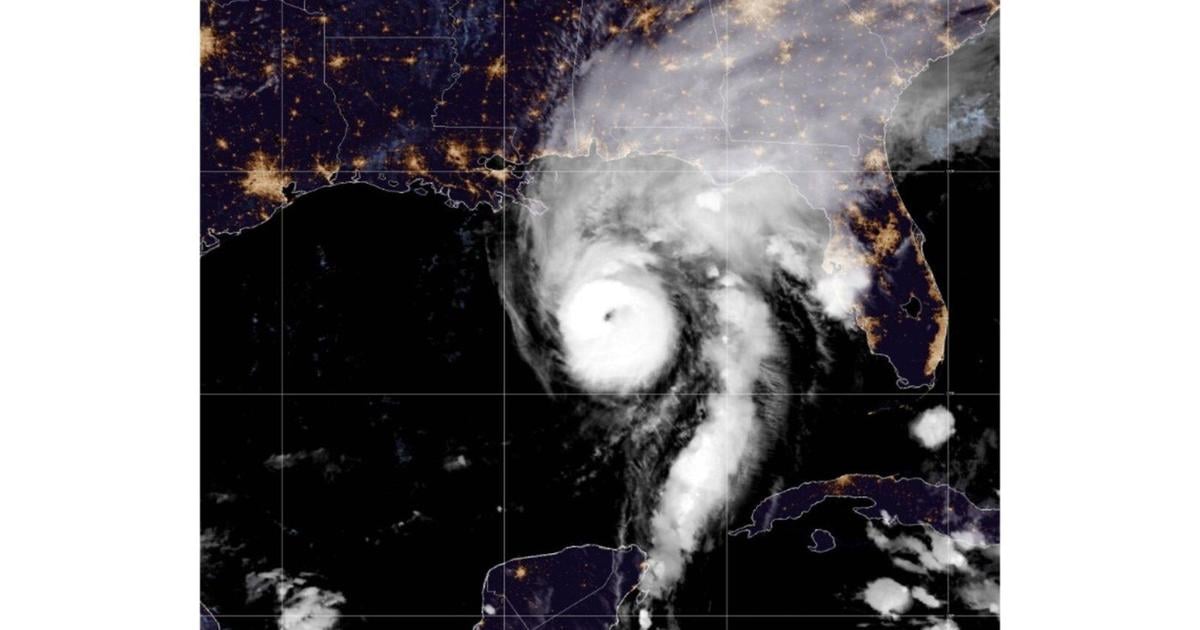
A new study finds that climate change and El Niño combined to rev up last month’s explosively intensifying Hurricane Polo, which was the longest-lasting Category 5 storm ever to churn in the Pacific.
asserted
which → find → Pacific
Global warming caused by the burning of coal, oil and gas was the bigger of the two culprits, adding about 6 mph (nearly 10 kph) to its already monstrous strength, according to a joint study published Thursday by the science teams World Weather Attribution and Climate Central.
uncertain
warming → cause → teams
El Niño contributed a bit less, about 5 mph (8 kph), a study co-author said.
asserted
author → contribute → less
Climate change made the conditions that fueled the hurricane 23 times more likely, while El Niño — the natural and temporary warming of parts of the Pacific — made it 14 times more likely, the study found.
asserted
study → make → Pacific
It all has to do with the 88-degree Fahrenheit (31.2 degrees Celsius) waters that were as much as 3.6 degrees Fahrenheit (2 degrees Celsius) warmer than normal, the study said.
asserted
study → have → waters
This year, with a super strong El Niño, has set records for strength and longevity of Pacific storms.
asserted
year → set → storms
Polo set the record for time spent at Category 5 in the Pacific at two-and-a-half days.
asserted
Polo → set → days
“El Niño and climate change both made this hurricane stronger than it would have otherwise been, but the effect of climate change is even bigger than the one of El Niño,” said climate scientist and study co-author Friederike Otto, who coordinates the international science team behind World Weather Attribution.
asserted
who → make → Attribution
“El Niño comes and goes, but climate change only gets worse.
asserted
change → come → ?
That means that now every hurricane that will occur in the East Pacific has at least this climate change signal making it stronger.
asserted
it → mean → signal
And as long as we keep burning fossil fuels, that will only get bigger,” Otto added.
asserted
Otto → burn → fuels
Researchers found that without climate change and El Niño, Polo would have been a monster storm anyway.
asserted
Polo → find → change
But every bit of additional wind speed can dramatically increase the damage.
asserted
bit → increase → damage
While Hurricane Polo ultimately weakened considerably before it hit a sparsely populated part of Mexico, scientists remain fascinated by how it turbocharged from a tropical storm to a top-of-the-chart Category 5 hurricane in about 24 hours.
asserted
it → weaken → hours
The study puts the different atmospheric dangers in perspective, said Kristina Dahl, a climate scientist and vice president of science at Climate Central, a science and journalism nonprofit out of New Jersey.
asserted
Dahl → put → Jersey
“It’s a powerful reminder that even though El Niño right now is shifting hazards around the globe and changing where it’s flooding and getting dry, the really dominant signal behind all of this remains climate change,” she said.
asserted
she → ’ → this
The study looked at the warm water that fuels storms, using a measure of how strong they can get.
asserted
they → look → measure
But the study didn’t focus on the upper level wind shear where El Niño has a huge footprint.
asserted
Niño → focus → footprint
El Niño usually increases those storm-decapitating high altitude winds in the Atlantic.
asserted
Niño → increase → Atlantic
However, in the Pacific because of changes in wind patterns, El Niño decreases the winds that weaken storms.
asserted
that → decrease → storms
The two sets of researchers measured conditions slightly differently and used different techniques but came to the same general conclusion, making them more confident in the result.
asserted
them → measure → result
However, the rapid study has not had time to be peer-reviewed, which is the gold standard of science.
asserted
which → have → science
To calculate the impact of climate change on Polo, both teams used the scientifically accepted method of comparing what happened in our warmer real world to a hypothetical world that hasn’t warmed by 2.5 degrees (1.4 degrees Celsius) since pre-industrial times.
asserted
that → calculate → times
How El Niño and climate change interact
Study co-author Daniel Gilford, a Climate Central scientist, said the process they looked at was similar to cars on a road.
asserted
they → interact → road
In the Pacific that green light says go, and then the water warmed by both climate change and El Niño acts like a driver flooring the accelerator.
asserted
water → say → accelerator
University at Albany atmospheric scientist Brian Tang, who wasn’t part of the study, said he was initially surprised that the research found climate change to be the bigger influence on Polo, “given how extreme this El Niño is, but from a long-term standpoint, perhaps the result isn’t as surprising as it might seem.
uncertain
it → say → standpoint
But three other outside scientists — Jeff Masters of Yale Climate Connections, University of Pennsylvania’s Michael Mann and North Carolina State University’s Carl Schreck — said they believe the study underestimates how much climate change has added to Polo’s strength.
asserted
change → say → strength
Masters pointed to Gilford’s own 2024 study that found climate change added 16 mph (30 kph) to hurricanes in the Atlantic from 2019 to 2023.
asserted
change → point → 2023
Gilford acknowledged that Thursday’s report could be underestimating climate change’s impact a bit, but said he was factoring in other conditions and being conservative.
uncertain
he → acknowledge → conditions
 The Aporia