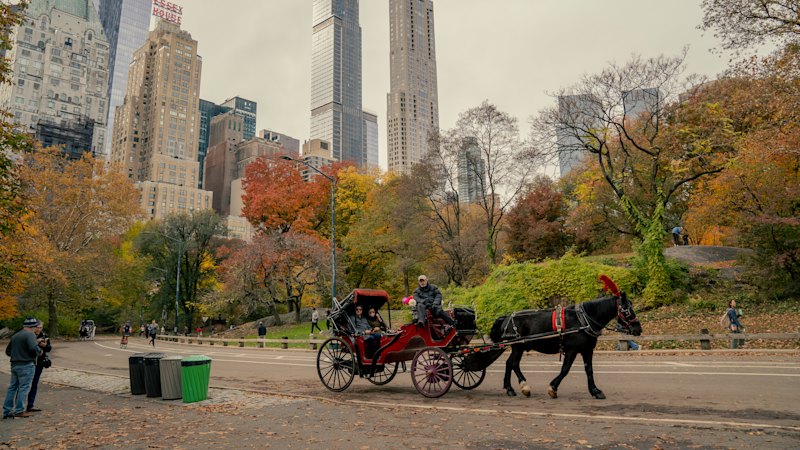
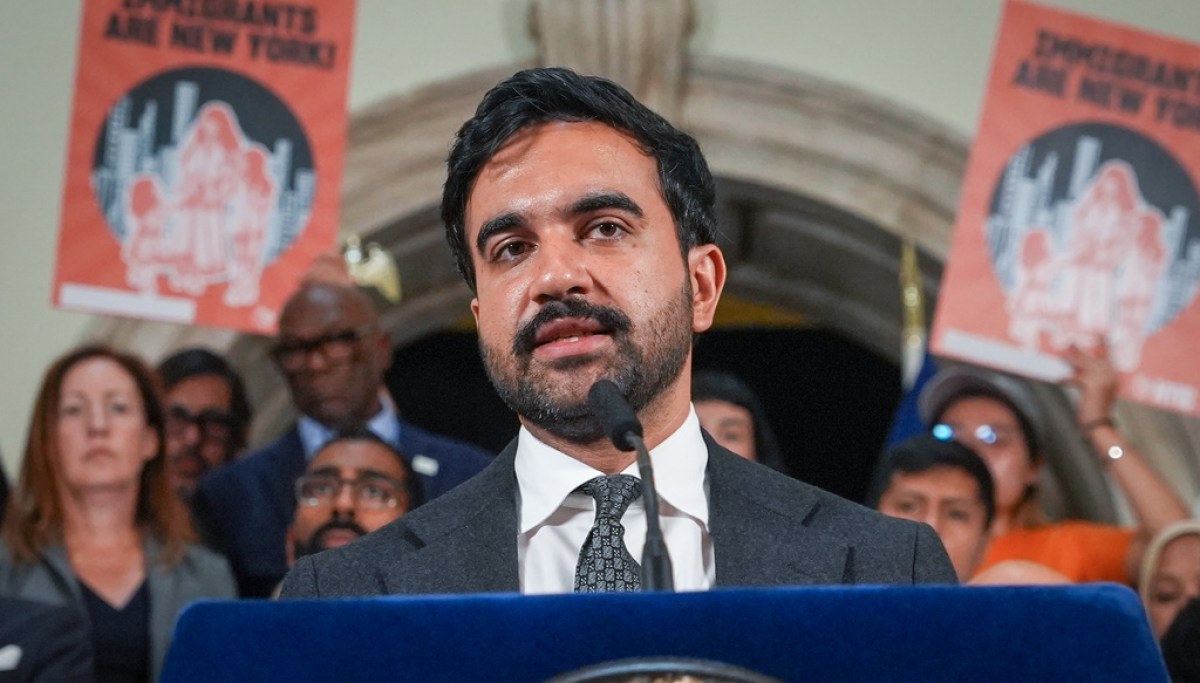
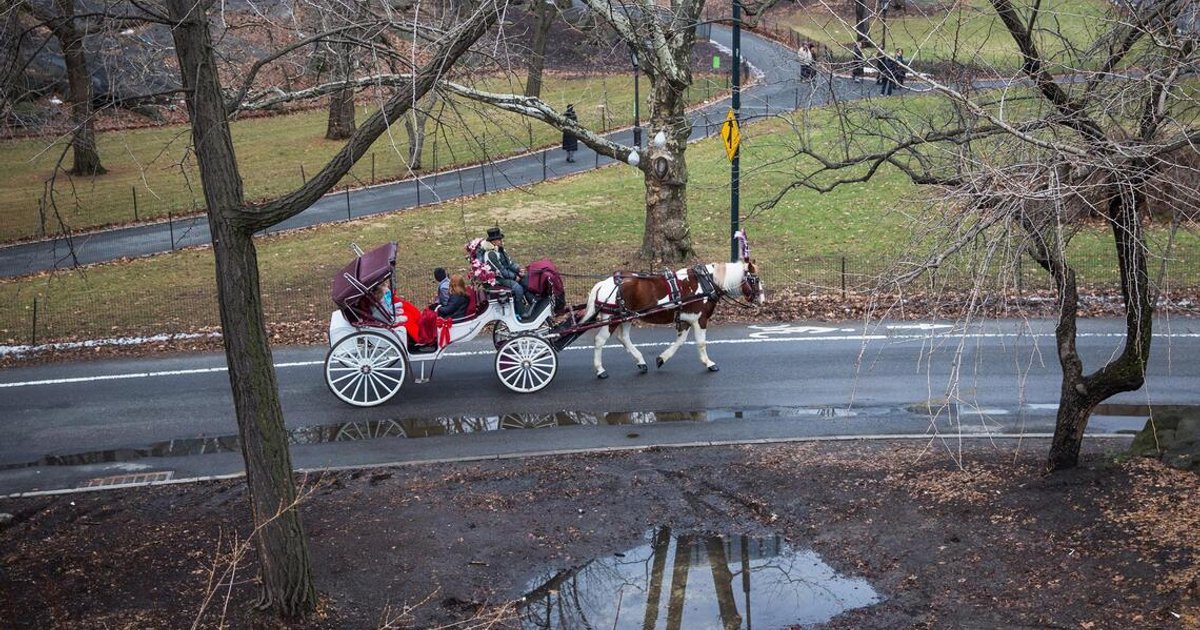
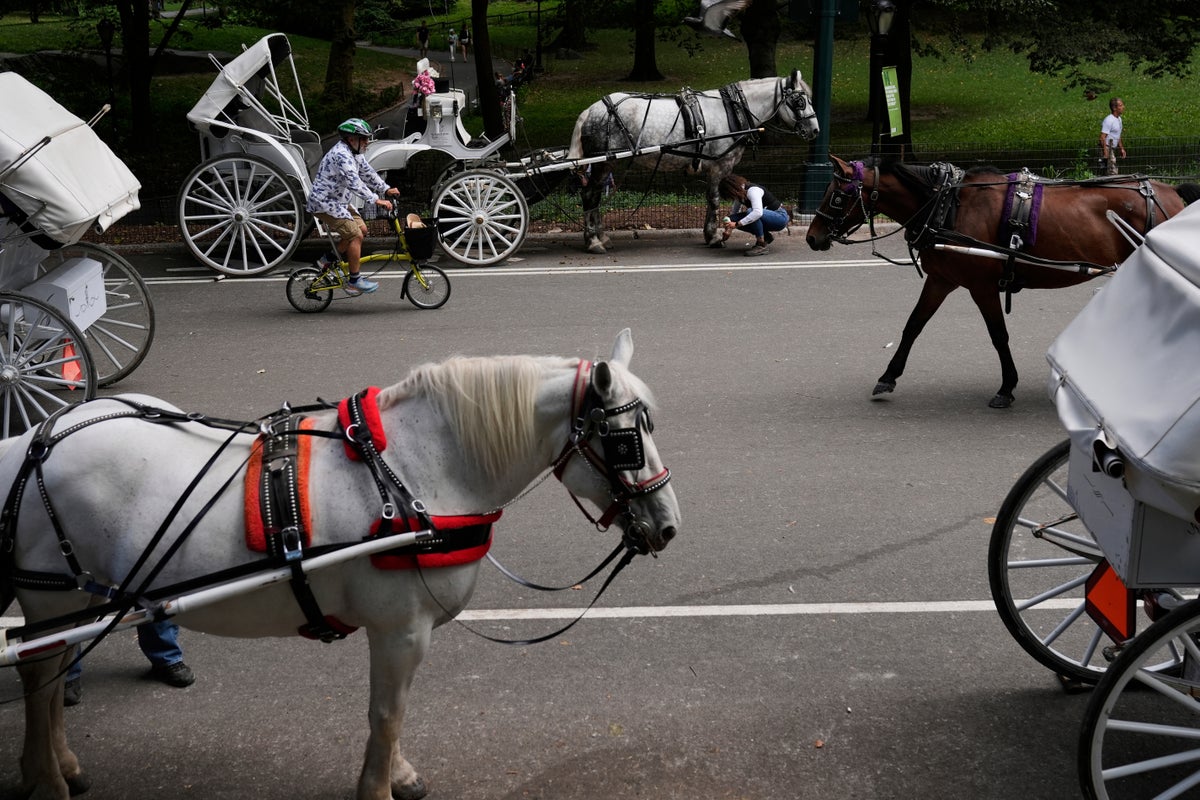
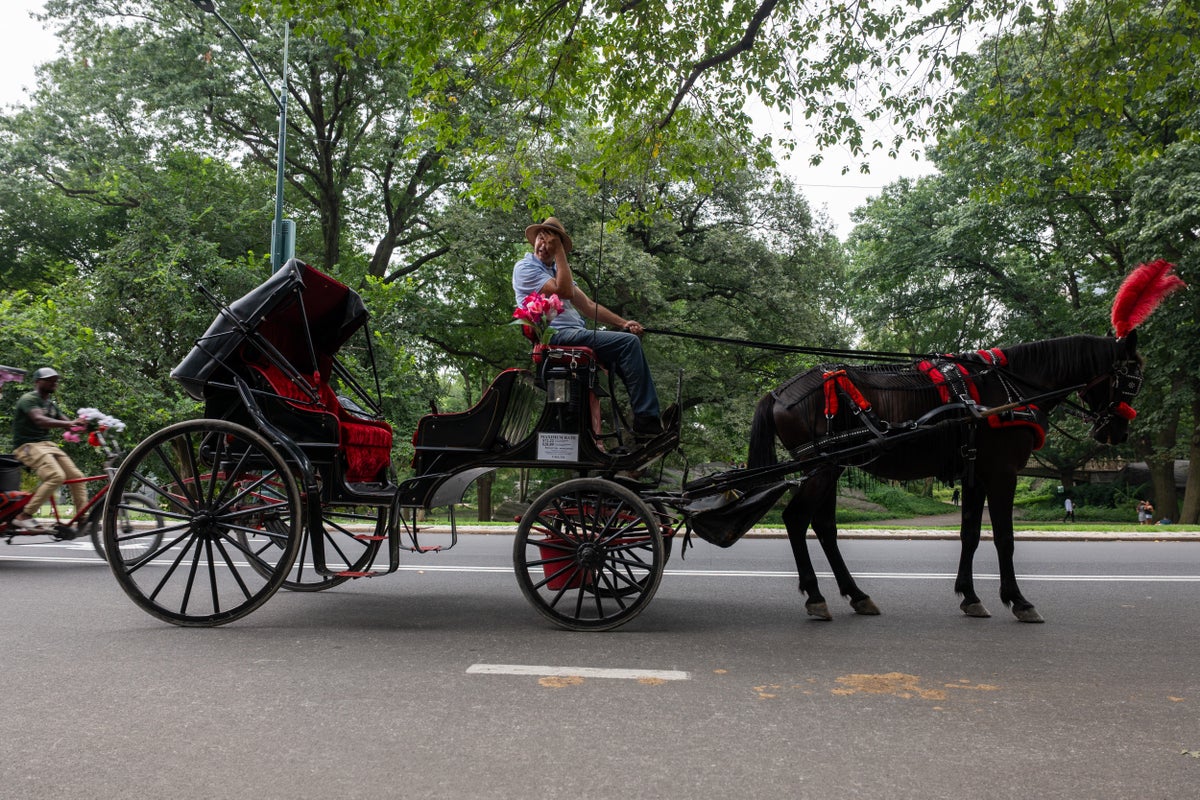
Central Park’s horse-drawn carriage drivers said they feel “betrayed” and forgotten Wednesday after Mayor Zohran Mamdani and City Council Speaker Julie Menin struck a deal to ban the centuries-old practice.
asserted
Mamdani → draw → practice
Some of the concerned small business owners said they fear they could end up homeless as the agreed-upon bill doesn’t clearly lay out what will happen to the 200-strong workforce or their herd of horses.
uncertain
what → say → horses
“I feel pretty betrayed.
asserted
I → feel → ?
We were told the bill would get amended to actually do something for us drivers and horses.
asserted
bill → tell → drivers
It was not,” Jill Adamski, 39, told The Post as she worked with her horse, Scout.
asserted
she → tell → horse
“I’m concerned.
asserted
I → ’m → ?
I don’t know how I will possibly earn enough money to care for my horses.
uncertain
I → know → horses
I developed a bond with them, so they don’t want to be separated from me.”
asserted
they → develop → me
Adamski, who has worked in the industry for a decade, has invested “thousands” into her dream career, and fears she won’t be able to line up another equine gig — or a job in general.
asserted
she → work → gig
“I have no idea how I’m gonna really live.
asserted
I → have → idea
I’m assuming I’m just going to live out of savings for a little bit, and eventually, probably be homeless, but I don’t really have a plan.”
asserted
I → assume → plan
Adamski is among the roughly 200 carriage drivers, owners and stable workers facing unemployment should the legislation — dubbed Romanch’s Law, after the teen tourist who died in a fall from a carriage over the summer — pass next week, as Menin declared Tuesday.
asserted
Menin → face → summer
The bill would make horse-drawn carriages illegal to operate in the five boroughs beginning June 2028.
asserted
carriages → make → June
Animal advocates have long pushed to end the practice, and the proposal picked up steam in the council following the June death of 18-year-old Romanch Mahajan.
asserted
proposal → push → Mahajan
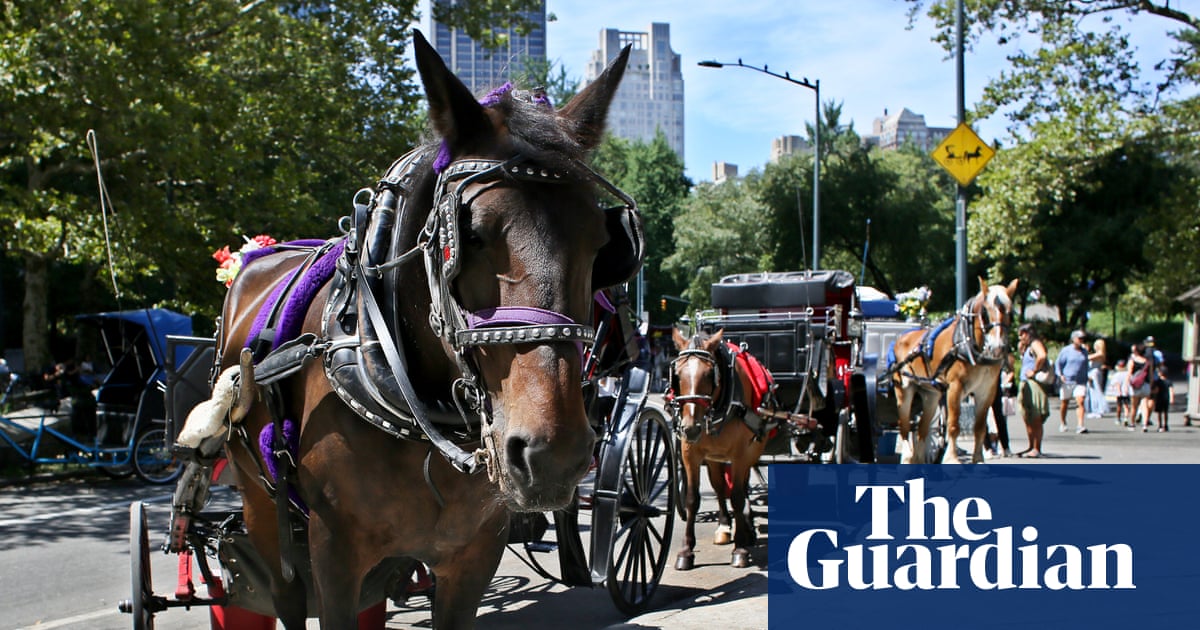
The legislation — which Menin said she expected the 51-member council to pass with a veto-proof majority next week — includes vague language about sending the 160 carriage horses to rescue farms and sanctuaries.
asserted
council → say → farms
The bill states the city must create a workforce transition program involving career counseling and job referrals in the public and private sectors — but falls short of offering compensation for the workers, some of whom have invested hundreds of thousands of dollars to build up their businesses, according to their union.
uncertain
some → state → union
When pressed on the issue Wednesday, Mamdani remained ambiguous, only promising that “we are not leaving anybody out to dry.”
asserted
we → press → dry
“We are having a broad conversation about what that can look like so that none of these workers and owners are the ones who are made to pay for the sunsetting of an industry,” Hizzoner said.
asserted
Hizzoner → have → industry
“I want to be very clear that our commitment to the workforce is going to be one that will become more explicit than what is broadly gestured at in the legislation.”
asserted
what → want → legislation
But some horse-drawn carriage operators griped that they were largely ignored during discussions over the bill, saying they’ve lost faith in politicians, including Mamdani — whom many of the industry’s employees excitedly voted into office for his promises to uplift the working class.
“We are really upset to hear about the ban.
asserted
We → draw → ban
I love my work, I love horses, I love Central Park, I love people,” said Emrah Eogru, 48, an immigrant from Turkey who has worked as a hansome cabbie for four years.
asserted
who → love → years
“I don’t have any idea after this work.
asserted
I → have → work
I don’t know, but we’ll see,” he said.
asserted
he → know → ?
Fellow cabbie Tony Moran, 63, said the drivers “don’t even know what’s going on” with the bill — despite workers like himself investing 40 years to support his family of six.
asserted
workers → say → six
“Politicians are dirty people,” another carriage driver, who asked to remain anonymous, said as he and horse Apollo pulled tourists around Central Park.
“Why you have to take my job now?
asserted
you → ask → job
You want to ban the horse because somebody died?
asserted
somebody → want → horse
How many people get hit in the street?
asserted
people → hit → street
You want to ban that?”
asserted
You → want → that
Another driver, who also asked for anonymity, fumed: “I’m not educated.
asserted
I → ask → anonymity
I’m not skilled to do another job.
asserted
I → ’m → job
City council members said, ”We’re going to give you another job’…
asserted
We → say → job
they lie.”
asserted
they → lie → ?
“It’s illegal what they’re doing.
asserted
they → ’ → what
They don’t negotiate with us, they’re not negotiating for anything, they want to get rid of us,” the 67-year-old carriage operator said.
asserted
operator → negotiate → us
The Transport Workers Union has vowed to fight the legislation ahead of the October 22 date council vote, saying the bill would be economically devastating and accusing Menin of using “the tragic death of a tourist to contrive a public safety crisis.”
asserted
bill → vow → crisis
“Council Speaker Menin’s bill has no meaningful economic relief for workers.
asserted
bill → have → workers
It only says the city should prepare a worker transition plan by April 2027 and include weak measures like job fairs and job counseling,” TWU President John Samuelsen said in a statement.
asserted
Samuelsen → say → statement
“This is disgraceful political opportunism, and Zohran should not simply go along with it, particularly when immigrant families’ livelihoods are being destroyed,” Samuelsen said.
asserted
Samuelsen → go → it
 The Aporia