The extremist preacher Abdullah al-Muhaysini no longer has to worry about US sanctions.
asserted
preacher → have → sanctions
In late August 2026, the US Department of the Treasury removed the former jihadist from the Specially Designated Nationals and Blocked Persons list, or SDN List.
asserted
Department → remove → list
It includes individuals and organizations whose assets are frozen in the US and with whom US citizens are generally not allowed to do business.
asserted
citizens → include → business
After Syria's civil war broke out in 2011, al-Muhaysini recruited fighters and helped establish a governing structure shaped by the Nusra Front, which emerged from al-Qaeda.
asserted
which → break → Qaeda
His removal from the list is linked to the new US government policy on Syria: Washington also removed the Nusra Front and Hayat Tahrir al-Sham (HTS) from the SDN List.
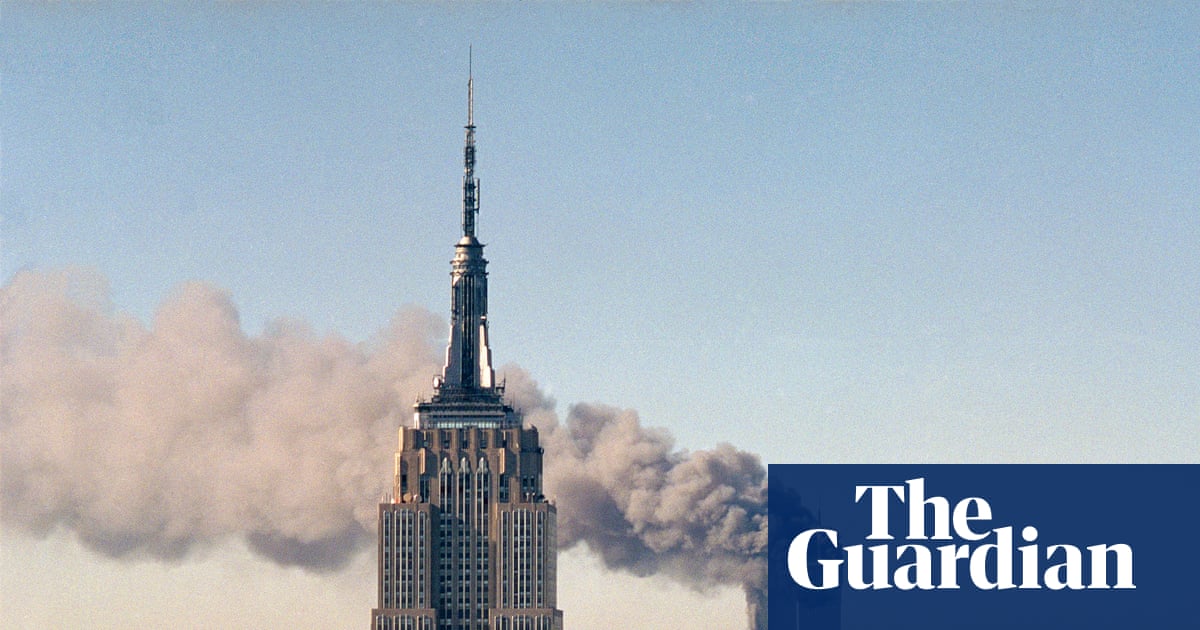
25 years after the September 11 attacks, this is a remarkable snapshot.
asserted
this → link → attacks
Al-Qaeda — which means "the base" in Arabic — has neither disappeared nor remained the same organization: Its core has weakened, but its regional branches have remained strong across parts of Africa and Asia, observers agree.
asserted
observers → mean → Africa
Regional offshoots in the Sahel, Yemen and Afghanistan
Only, al-Qaeda itself is operating less and less under its own name.
"This is largely due to the successful counterterrorism efforts following 2001," Lars Berger, professor of terrorism studies at the German Federal University of Administrative Sciences, told DW.
asserted
Berger → operate → DW
The military campaign in Afghanistan, along with cooperation between intelligence agencies and police, has significantly weakened the group.
asserted
campaign → weaken → group
"From this perspective, the September 11 attacks were a major strategic failure for al-Qaeda," Berger said.
asserted
Berger → say → Qaeda
The hoped-for radicalization of the Arab world and the overthrow of its regimes failed to materialize.
asserted
radicalization → hop → regimes
About ten years after the attacks in New York and Washington, al-Qaeda's most famous figure, Osama bin Laden, was killed in May 2011.
uncertain
figure → kill → May
As a result, al-Qaeda reorganized itself.
asserted
Qaeda → reorganize → itself
"The militia sought out areas where it could establish a permanent foothold, for example in parts of Africa or Yemen," Berger said, adding that "countries with weak state structures, overwhelmed security forces and unresolved local conflicts are particularly favorable.
uncertain
countries → seek → structures
"
"Today, this is particularly true of Africa," Rüdiger Lohlker, professor emeritus of Islamic studies at the University of Vienna, notes.
asserted
Lohlker → note → Vienna
In the Sahel, Jama'at Nusrat al-Islam wal-Muslimin, or JNIM, has emerged as a powerful al-Qaeda offshoot, he said.
asserted
he → emerge → offshoot
An analysis by the think tank Critical Threats Project uses Niger as an example to show how JNIM and the Islamic State's Sahel Province (ISSP) compete for territory, fighters and resources.
asserted
JNIM → use → territory
In June 2026, JNIM claimed responsibility for an attack on the international airport in Niger's capital, Niamey.
asserted
JNIM → claim → capital
In Somalia, al-Shabab — a group closely linked to al-Qaeda — is strong, and in Yemen, al-Qaeda is present in the Arabian Peninsula (AQAP).
asserted
Qaeda → link → Peninsula
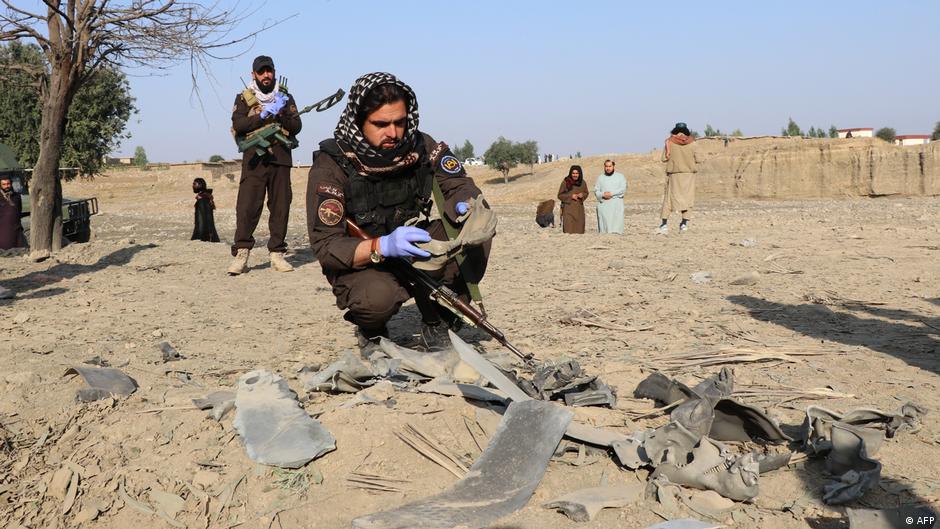
Afghanistan also remains a safe haven for the terrorist organization.
asserted
Afghanistan → remain → organization
However, the success of these offshoots cannot be explained solely by jihadist ideology, Lohlker added.
asserted
Lohlker → explain → ideology
Rather, it often coincides with a kind of "economy of violence," he said, noting that "violence including kidnappings, smuggling and looting has long been an economic factor for terrorism.
asserted
violence → coincide → terrorism
He also said that there are veritable "markets for violence:"
asserted
He → say → violence
Where money can be made through violence, jihadist organizations can also recruit and retain followers.
asserted
organizations → make → followers
"We fundamentally need to move away from a Eurocentric perspective," Lohlker further points out.
asserted
Lohlker → need → perspective
In his view, al-Qaeda and other jihadist groups have always been far more present outside Europe and the US than it has appeared from a Western perspective.
asserted
it → appear → perspective
However, over the years, the offshoots' strategies have undergone a change.
asserted
strategies → undergo → change
"We are now seeing an attempt to proceed in an alternative and gradual manner, namely instead of spectacular acts of violence ordered from the highest levels, there are smaller-scale actions that are more grassroots in nature," he said.
asserted
he → see → nature
In the Sahel, this entails forming local alliances, gaining influence in communities, and controlling territories.
asserted
this → entail → territories
The Critical Threats Project describes this development as "localization."
asserted
Project → describe → localization
Al-Qaeda is thus surviving precisely through this differentiation.
asserted
Qaeda → survive → differentiation
JNIM capitalizes on ethnic and social conflicts in the Sahel, while al-Shabaab exploits conflicts within Somali clan structures.
asserted
Shabaab → capitalize → structures
The global jihadist goal remains as an ideological framework, but the actual fighting takes place on the ground.
asserted
fighting → remain → ground
Al-Qaeda competes with the "Islamic State"
asserted
Qaeda → compete → State
In the competition for public attention, however, al-Qaeda faces a superior rival: the so-called "Islamic State," or IS.
asserted
Qaeda → face → rival
"Ultimately, younger jihadists tend to be more drawn to the 'Islamic State,'" terrorism expert Behnam Heidenreuter-Said, head of the research center for Strategic Police Research at the Hamburg Police Academy, told DW.
asserted
Said → tend → DW
IS has carried out "more spectacular" and media-effective terrorist attacks, he said, highlighting that "al-Qaeda has taken a more long-term approach."
asserted
Qaeda → carry → approach
Heidenreuter-Said, who published a comprehensive history of al-Qaeda in 2018, added that "IS wanted to make a splash and demonstrate successes as quickly as possible in order to grow explosively."
However, IS's expansion was followed by its collapse, he said.
asserted
he → publish → collapse
Al-Qaeda, on the other hand, continues to exist, albeit under changed circumstances.
asserted
Qaeda → continue → circumstances
The terrorist group meanwhile faces the question of whether it can replace its aging fighters.
asserted
it → face → fighters
Although this is conceivable, al-Qaeda as a brand is visibly fading, Heidenreuter-Said observed.
asserted
Said → fade → brand
…and 7 more, not listed.
 The Aporia