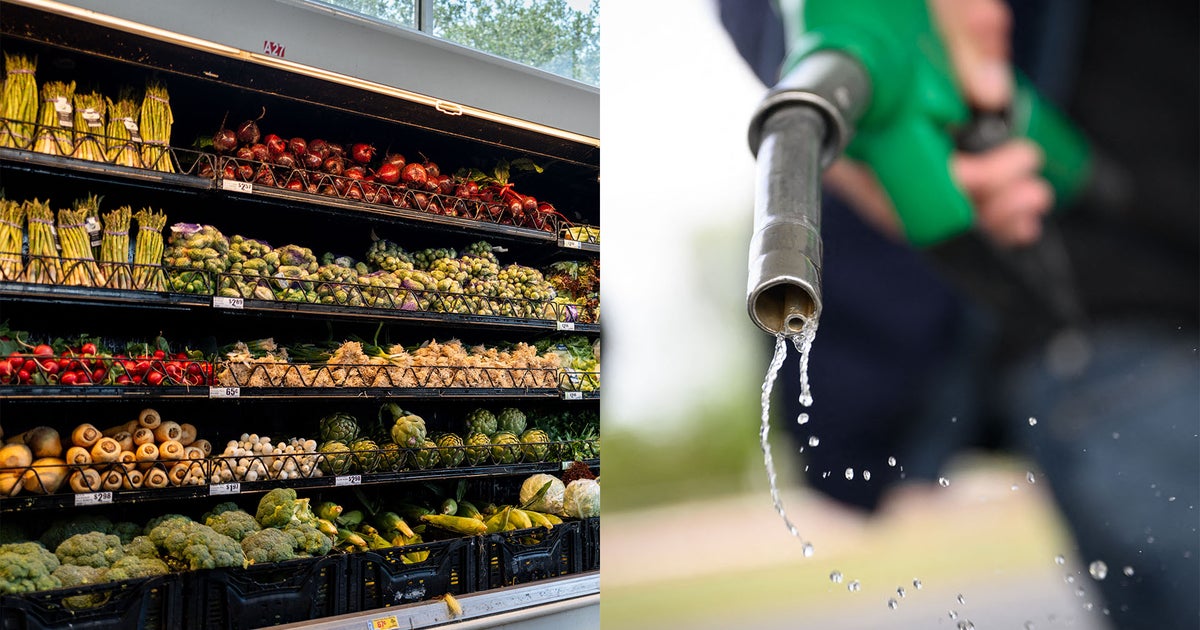
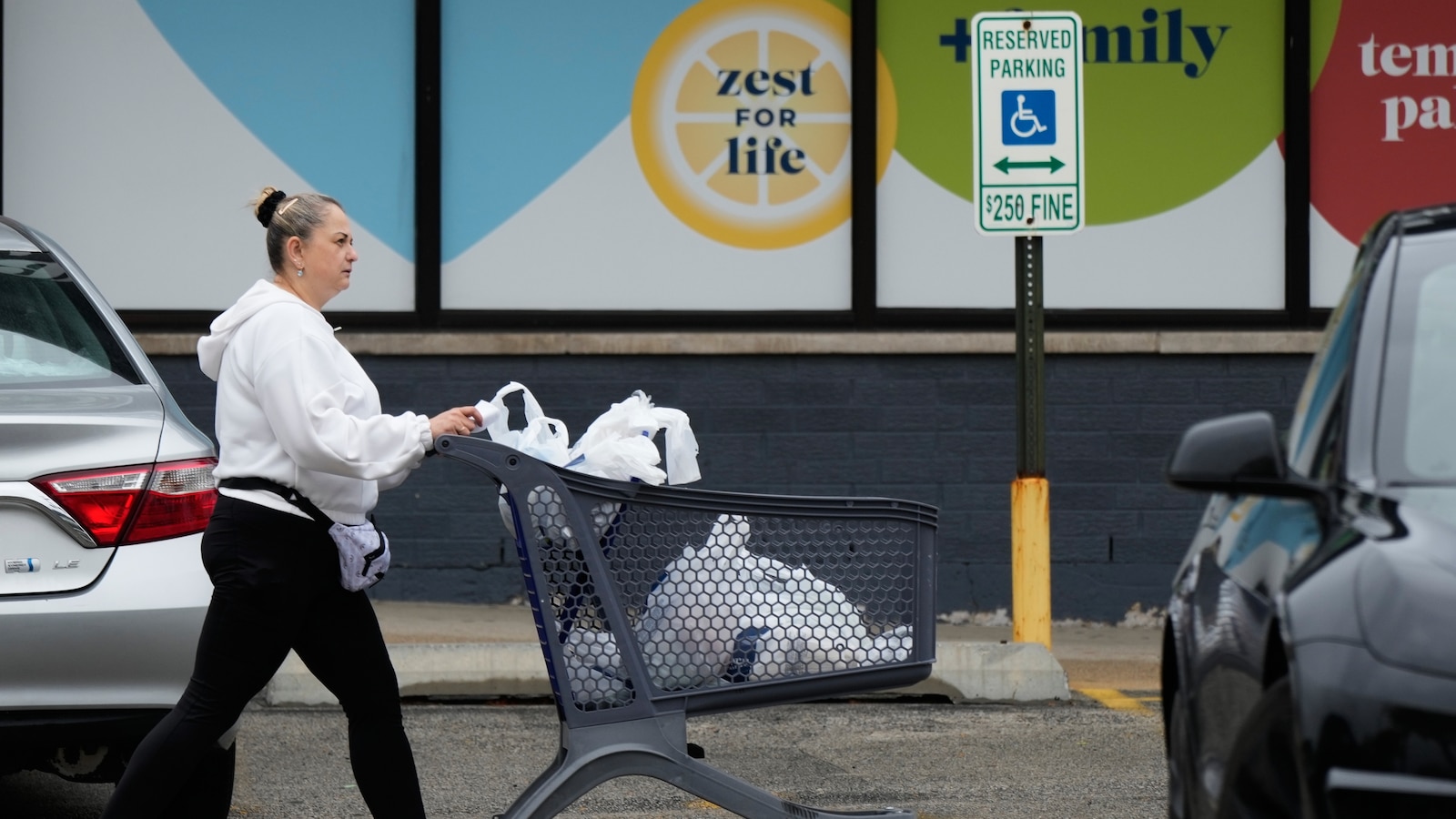
Driven by escalating food and gasoline costs, consumer prices in the United States likely accelerated in September, presenting another setback for President Donald Trump and the Republican Party ahead of the crucial November 3 midterm elections.
asserted
prices → drive → elections
The upcoming Consumer Price Index report from the Labor Department follows recent surveys showing a slide in public sentiment and a drop in approval for Trump, largely driven by frustration over rising living costs.
asserted
report → follow → costs
A Reuters/Ipsos survey revealed that approximately 78% of Americans attribute rising prices—which are outstripping wage growth—to Trump's policies, including import tariffs and the US-Israeli war with Iran.
asserted
which → reveal → Iran
Nonetheless, underlying inflation, excluding volatile food and energy items, is projected to show only a modest gain for September, potentially easing immediate pressure on the Federal Reserve to raise interest rates this month.
asserted
inflation → exclude → rates
Market experts note that a deceleration in monthly core CPI inflation offers minimal comfort to households, particularly those positioned on the lower end of what is described as a K-shaped economy.
asserted
what → note → economy
"People care about food and energy.
asserted
People → care → food
That's what they feel every day," said Sung Won Sohn, a finance and economics professor at Loyola Marymount University.
asserted
Sohn → feel → University
"Many voters are at the lower leg of the K-shaped economy.
asserted
voters → shape → economy
They are suffering because of higher energy and food prices, and I assume that will have an impact on the election results, as a lot of people seem to think."
According to a Reuters poll of economists, the CPI is expected to have climbed 0.6% last month after a 0.4% advance in August.
uncertain
CPI → suffer → August
Higher gasoline costs—which jumped 7.1% in September according to US Energy Information Administration figures—could account for roughly three-tenths of a percentage point of that total.
uncertain
which → jump → total
Meanwhile, food costs are anticipated to rise by at least 0.2%, following consecutive monthly increases of 0.1%.
asserted
costs → anticipate → %
For the 12 months ending in September, headline CPI is expected to hit 3.6%, up from 3.4% in August.
asserted
CPI → end → August
The Federal Reserve relies on the Personal Consumption Expenditures Price Indexes to measure its 2% long-term inflation target.
asserted
Reserve → rely → target
The figures will also carry significant weight for millions of retirees and Social Security beneficiaries anticipating adjustments to their payouts next year.
asserted
figures → carry → payouts
The Social Security Administration evaluates CPI data for Urban Wage Earners and Clerical Workers from the third quarter of 2025 through the third quarter of 2026 to calculate annual cost-of-living adjustments for Social Security and Supplemental Security Income benefits in 2027.
asserted
Administration → evaluate → 2027
These programs support retired seniors, people with disabilities, and eligible surviving family members.
asserted
programs → support → disabilities
The Senior Citizens League projects a 3.5% COLA increase for 2027, an uptick from the 2.8% adjustment in 2026, which would boost average monthly retiree checks by $67.90 to $2,007.
asserted
which → project → 2,007
Analysts are closely tracking energy costs to see whether price pressures spread beyond the transportation sector.
asserted
pressures → track → sector
While some economists suggest expensive energy has not yet fully filtered into underlying inflation because core CPI is subdued, others warn that record-high diesel prices and ongoing conflict in the Middle East will inevitably raise supermarket bills, citing elevated price readings in business surveys.
asserted
prices → suggest → surveys
Excluding food and energy, core CPI is projected to rise 0.2% in September after a 0.3% gain in August.
asserted
CPI → exclude → August
This anticipated slowing reflects the fading effect of an earlier spike in mobile phone charges related to AT&T service changes, though fee hikes from other carriers in September could still push figures higher.
uncertain
hikes → reflect → figures
Airfares likely continued their upward trajectory as jet fuel costs rose, while rent growth remains moderate.
asserted
growth → continue → trajectory
Prices for goods are expected to show marginal gains as tariff impacts unwind.
asserted
impacts → expect → gains
Year-over-year, core CPI is forecast to reach 2.5% in September, up slightly from 2.4% in August.
asserted
CPI → forecast → August
This figure continues to trail core PCE inflation, which reached 3.0% in August, owing to differing weighting criteria between the two baskets.
asserted
which → continue → baskets
Last month, the central bank raised its benchmark interest rate by 25 basis points to a range of 3.75%-4.00%—its first hike in three years—and indicated further borrowing-cost increases in the coming months.
asserted
bank → raise → months
CME's FedWatch Tool shows financial markets are pricing in roughly a 22% probability of another rate rise during the October 27-28 policy meeting.
asserted
markets → show → meeting
Expectations for an October hike have waned following modest job gains in September and softer PCE inflation readings for July and August.
asserted
Expectations → wan → July
Most economists anticipate the Fed will raise rates in December.
asserted
Fed → anticipate → December
"If the monthly core CPI rise manages to stay in the 0.2% range in September, that should be good enough for the Fed to hold in October," said Scott Anderson, chief US economist at BMO Capital Markets.
asserted
Anderson → manage → Markets
"However, it won't settle the debate about whether more rate hikes are needed down the road."
asserted
hikes → settle → road
 The Aporia