A quarter century after 9/11: 25 ways America's darkest day changed the world

Times of India · collected 2026-09-11 · by Vivek Dubey
Read the original at Times of India ↗

Summary

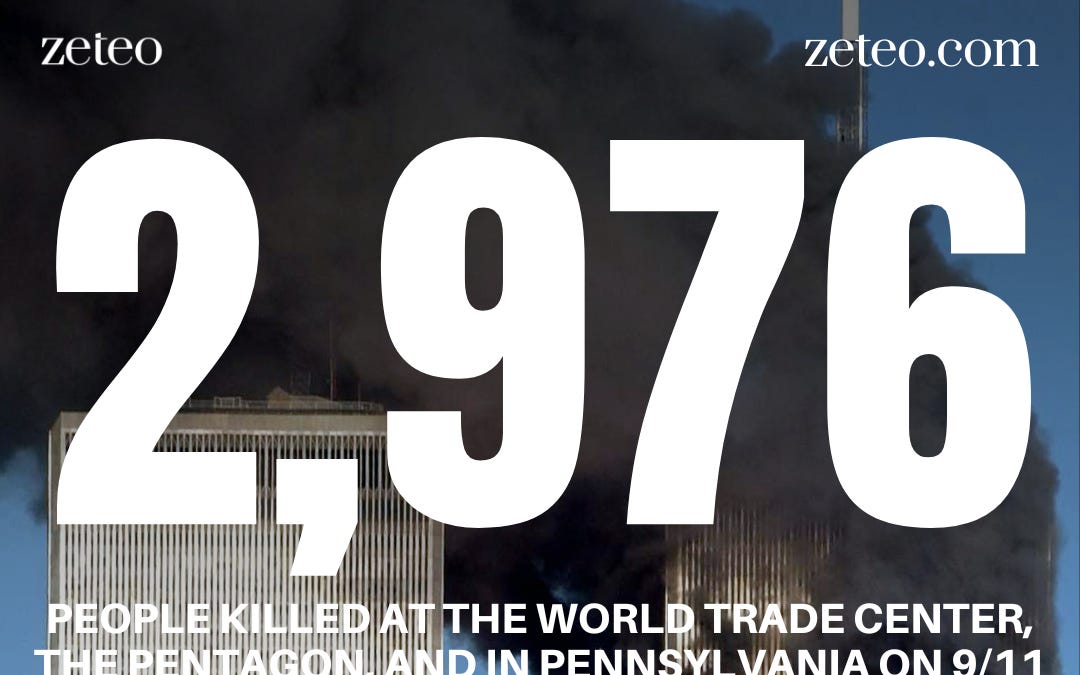
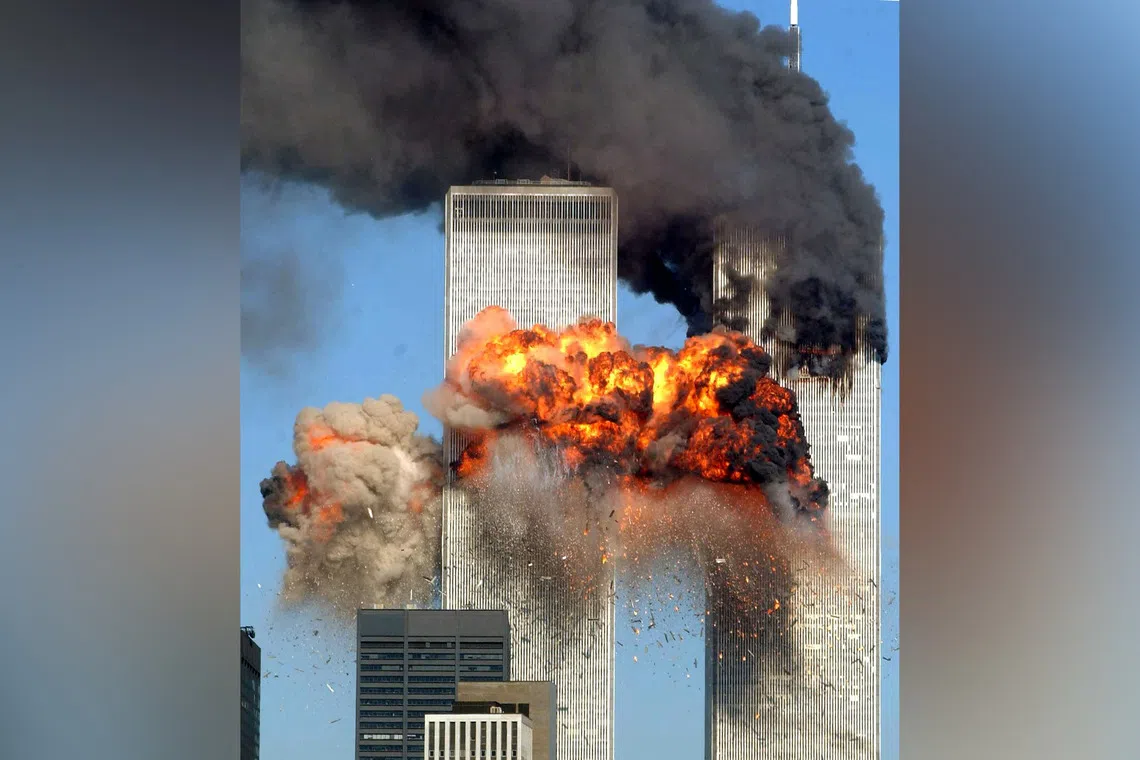
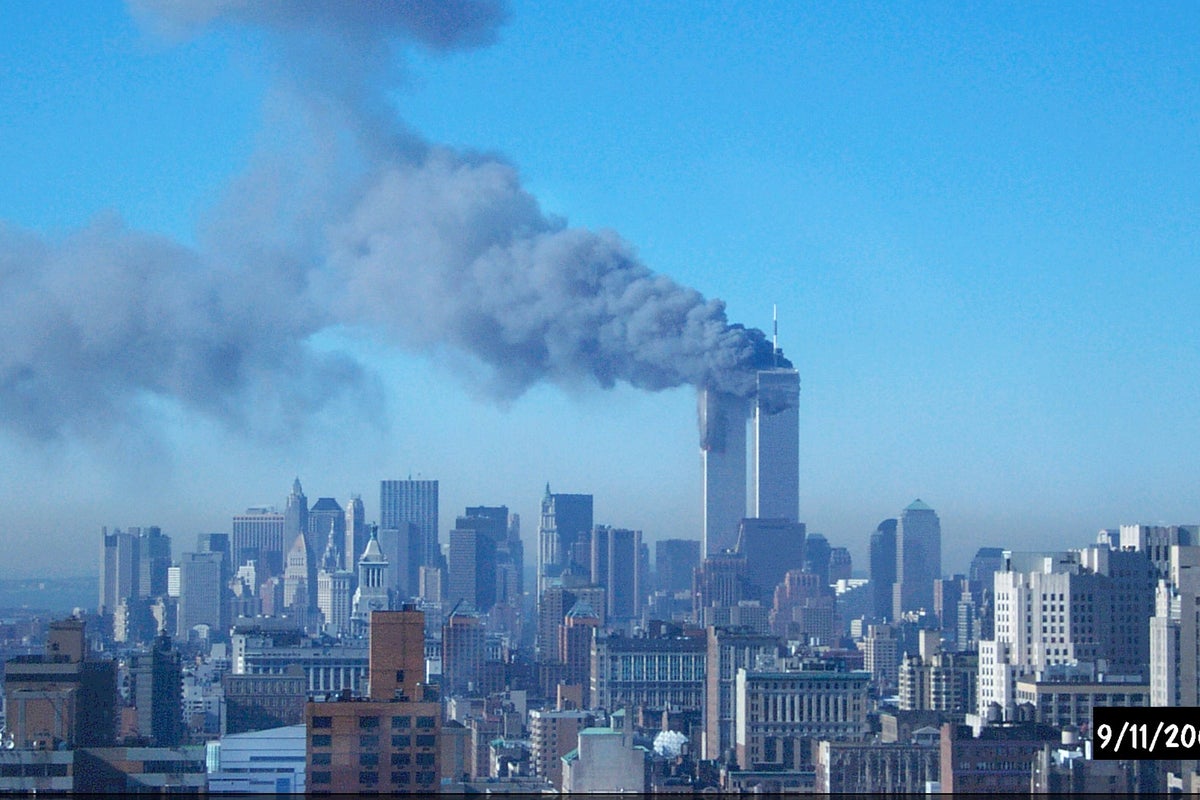
September 11, 2001, saw 19 al-Qaeda hijackers kill 2,977 people from 90 countries when they took control of four commercial aircraft and crashed them into New York's World Trade Center, the Pentagon, and a field in Pennsylvania. The aftermath led to significant changes in American foreign policy and global politics, including US invasions of Afghanistan and Iraq. Governments worldwide have since expanded surveillance and border controls, while intelligence agencies have changed how they share information. This shift has resulted in growing acceptance of governments collecting large amounts of data on citizens for terrorism prevention, even when individuals are not suspected of a crime.
Written by the local model on 2026-09-11, using this article's own text rather than the other coverage of the same event (that is the story summary below).

Signals How these are calculated →

Claims extracted
143
claim-shaped sentences
Uncertain
10%
15 of 143 hedged
Leaning
Leans left
of the writing, not the subject
Publisher trust
94.3
red-flag proxy, not a credibility rating
Outlets on this story
168
Politics
Narrative spread
1
articles carrying this framing
Analyzed 2026-09-11 · how these are computed

AI analysis (generated at analysis time, not now)

Story summary

On October 8, 2024, Turning Point USA founder Charlie Kirk was killed, an event that has become a significant marker for young conservatives in America, akin to September 11, 2001 and the Hamas attack on Israel in October 2023. The day of his death is now referred to by some as 9/10, symbolizing its impact on political activism among students. Meanwhile, the small Canadian town of Gander played a pivotal role during the September 11 attacks when U.S. airspace was closed, leading to 38 international flights landing there, doubling the population overnight and necessitating an impromptu humanitarian effort by locals to aid around 7,000 stranded passengers and crew members for several days. This act of kindness inspired the Broadway musical "Come From Away," which highlights Gander's generosity and humanity in times of crisis.

Written for “9/11 Anniversary Reflections” on 2026-09-12, grounded in this article and the 167 other(s) covering the same event.
Why this leaning score
The article's own words the score was based on. Each is quoted verbatim and was checked against the article text before being stored, so you can find it in the original.
Score -0.35 Confidence high
Leaning score -0.35 for article 7858 (high confidence, 2 verified quotes) · logged 2026-09-11

Story

📰 9/11 Anniversary Reflections
Politics · 168 article(s) covering the same event.

How this is being covered How these are calculated →

Article leaning vs. publisher reliability
Source leaning vs. consistency

Compared with similar articles

This article reads leans left and hedges 10% of its claims. Each row says how that neighbour differs.
CBS News
⚖️ Leans left 🔴 3% hedged 2 of 72 📰 publisher trust 60
“Both articles describe the September 11, 2001 terrorist attacks on the World Trade Center in New York City.”
CBS News
⚖️ Leans left 🔴 5% hedged 1 of 20 📰 publisher trust 60
“Both articles describe the exact same terrorist attack on September 11, 2001, including its date, location, and impact.”
CBS News
⚖️ Leans left 🔴 0% hedged 0 of 1 📰 publisher trust 60
“Both articles mention the exact date (September 11, 2001), details about the attacks, and the number of people killed (2,977)”
Zeteo
⚖️ Leans left 🔴 0% hedged 0 of 7
“Both articles describe the September 11, 2001 terrorist attacks in detail”
The Straits Times
⚖️ leaning not scored 🔴 11% hedged 3 of 27 📰 publisher trust 94
“Both articles describe the same occurrence: the terrorist attacks on September 11, 2001, including the hijacking of four planes and the resulting loss of life.”
The Independent
⚖️ Leans left 🔴 8% hedged 4 of 48 📰 publisher trust 59
“Both articles describe the September 11, 2001 terrorist attacks on the World Trade Center and other locations in detail”
CBC News
⚖️ leaning not scored 🔴 0% hedged 0 of 2 📰 publisher trust 95
“Both articles describe the exact same terrorist attacks on September 11, 2001”
Toronto Star
⚖️ Leans left 🔴 4% hedged 2 of 53 📰 publisher trust 62
“Both articles describe the exact same terrorist attack on September 11, 2001, mentioning the same locations (New York World Trade Center, Pentagon, and Pennsylvania) and the same number of casualties.”
The Guardian
⚖️ leaning not scored 🔴 3% hedged 5 of 164 📰 publisher trust 60
“Both articles describe the same specific terrorist attacks on September 11, 2001, at the World Trade Center and other locations.”
The Dispatch
⚖️ Centre further right than this 🔴 0% hedged 0 of 3 📰 publisher trust 96
“Both articles describe the same terrorist attacks on September 11, 2001, including the hijackings and crashes into the World Trade Center, Pentagon, and Pennsylvania field.”

Publisher

Times of India · 257 article(s) · 0 correction(s) detected
No corrections detected for this publisher. That may mean careful reporting, or simply that nothing has been checked.

Who wrote this

Vivek Dubey
1 article(s) here · 1 carrying a prediction
🔮 The lasting shift was the growing acceptance that governments could collect and analyse enormous amounts of data in the name of preventing terrorism, even when most of the people being monitored were not suspected of any crime.
The only article under this byline in the corpus.

Topics

9/11 America New York's Pentagon al-Qaeda

Subjects

America GPE · 2× Afghanistan GPE · 1× American NORP · 1× China GPE · 1× Iraq GPE · 1× New York's GPE · 1× Pennsylvania GPE · 1× Pentagon ORG · 1× al-Qaeda ORG · 1× the Transportation Security Administration ORG · 1×

Narrative

Beijing joined the World Trade Organisation in December 2001 and then experienced two decades of rapid economic expansion while Washington devoted enormous political, military and financial resources to Afghanistan, Iraq and the wider fight against terrorism.
framing: assertive · carried by 1 article(s) · first seen 2026-09-11
🔮 The lasting shift was the growing acceptance that governments could collect and analyse enormous amounts of data in the name of preventing terrorism, even when most of the people being monitored were not suspected of any crime.
2026-09-11 · Times of India
A quarter century after 9/11: 25 ways America's darkest day changed the world · assertive framing

Claims (143 extracted, 15 hedged)

Twenty-five years ago America saw the darkest chapter in its history and the world hasn't been the same since. asserted
world → see → history
On September 11, 2001, 19 al-Qaeda hijackers seized four commercial aircraft and turned them into weapons. asserted
hijackers → seize → weapons
Two planes crashed into New York's World Trade Center, one struck the Pentagon and a fourth crashed into a field in Pennsylvania after passengers fought back. asserted
passengers → crash → Pennsylvania
The attacks killed 2,977 people from 90 countries and changed the course of American foreign policy and global politics. asserted
attacks → kill → policy
The US invaded Afghanistan weeks later and Iraq less than two years after that. asserted
US → invade → that
But the legacy of 9/11 reached far beyond those wars. asserted
legacy → reach → wars
Governments expanded surveillance and border controls. asserted
Governments → expand → surveillance
Intelligence agencies changed how they shared information. asserted
they → change → information
Drones transformed warfare, while the internet transformed terrorist recruitment. asserted
internet → transform → recruitment
Islamophobia and debates over immigration intensified. asserted
Islamophobia → intensify → immigration
America's global standing was damaged, while China's rise continued. asserted
rise → damage → ?
Here's how 9/11 changed the world in 25 ways:1. Governments learned to watch their own citizens The post-9/11 security state did more than give governments new powers; it changed expectations about privacy. asserted
it → change → privacy
The USA PATRIOT Act expanded US authorities' ability to access communications, financial records and other information in terrorism investigations. asserted
Act → expand → investigations
Later revelations about the collection of telephone and internet data showed how far surveillance had expanded. asserted
surveillance → show → data
Other countries introduced or strengthened their own intelligence powers. asserted
countries → introduce → powers
The lasting shift was the growing acceptance that governments could collect and analyse enormous amounts of data in the name of preventing terrorism, even when most of the people being monitored were not suspected of any crime. uncertain
most → last → crime
How the attack unfolded 2. Flying became a security ritual Air travel changed almost overnight. asserted
travel → unfold → ?
Screening became more extensive, passenger information was checked against watchlists, and procedures such as shoe removal, liquid restrictions, enhanced searches and full-body scanning became familiar to travellers. asserted
procedures → become → travellers
The creation of the Transportation Security Administration in the US put airport screening under federal control. asserted
creation → put → control
A new security bureaucracy was built The US created the Department of Homeland Security in 2003, bringing together 22 federal departments and agencies. asserted
US → build → departments
Its responsibilities stretched from airport and border security to emergency preparedness and protection of critical infrastructure. asserted
responsibilities → stretch → infrastructure
The change reflected a broader shift in how governments understood national security. asserted
governments → reflect → security
Terrorism was no longer seen only as an overseas military or intelligence problem. asserted
Terrorism → see → problem
Protecting the homeland became a permanent task involving airports, borders, transport systems, public spaces and local authorities. asserted
Protecting → protect → airports
4. Intelligence sharing became a priority One of the clearest lessons of 9/11 was that important pieces of information existed before the attacks but were not effectively connected. asserted
pieces → become → attacks
US agencies subsequently changed how they shared intelligence, including through the creation of the Director of National Intelligence in 2004. asserted
they → change → 2004
Databases, watchlists and information-sharing systems became more integrated, while cooperation between intelligence and law-enforcement agencies expanded. asserted
cooperation → share → agencies
Internationally, governments exchanged more information about suspected militants, travel and financial activity. asserted
governments → exchange → militants
Money became a weapon and a target Terrorism was increasingly treated as a financial problem as well as a military one. asserted
Terrorism → become → problem
Governments pushed banks to identify customers, report suspicious transactions and trace money linked to extremist networks. asserted
Governments → push → networks
The US Treasury gained powerful tools for freezing assets and imposing financial sanctions. asserted
Treasury → gain → sanctions
These measures helped make terrorist financing harder, but they also transformed ordinary banking. asserted
they → help → banking
International transfers, charity payments and opening accounts became subject to layers of identity and compliance checks. asserted
transfers → open → checks
The 9/11 attacks lasted hours, but their impact on wars, borders, technology and global politics has shaped the global since 6. asserted
impact → last → 6
Afghanistan became America's longest war asserted
Afghanistan → become → ?
Within a month of the attacks, the US and its allies invaded Afghanistan to dismantle al-Qaeda and remove the Taliban government that had sheltered Osama bin Laden. asserted
that → invade → Laden
The Taliban fell quickly, but the war did not. asserted
war → fall → ?
What began as a campaign against al-Qaeda became a two-decade effort involving counter-insurgency, nation-building and repeated Taliban offensives. asserted
began → begin → counter
The US withdrawal in 2021 was followed by the Taliban's rapid return to power. asserted
withdrawal → follow → power
The episode became one of the defining questions of the post-9/11 era: what does victory look like in a war against a network rather than a conventional army? asserted
victory → become → network
…and 103 more, not listed.

💬 Give feedback
🕘 History 🎫 Support