Friday’s inflation report could mark a pivotal moment in the U.S. affordability crisis and the tenure of President Donald Trump’s newly-installed Federal Reserve chairman.
uncertain
report → mark → chairman
The Consumer Price Index is expected to show that inflation rose 0.4% in August from July, and remained flat at 3.4% from a year ago.
asserted
inflation → expect → %
Core inflation, which strips out food and energy costs is expected to rise just 0.2% month-over-month.
asserted
which → strip → month
On Thursday, U.S. crude oil rose above $100 per barrel for the first time since May, and international Brent crude oil surged past $107.
uncertain
oil → rise → 107
Nonetheless, investors believe that the Fed’s decision next week on whether or not to raise interest rates could hang on Friday’s report.
uncertain
decision → believe → report
The Fed has not raised or lowered rates at all this year.
asserted
Fed → raise → rates
“if inflation comes in hot, I would consider a rate hike,” said Federal Reserve governor Christopher Waller in a speech earlier this month.
asserted
Waller → come → speech
Yet Waller also noted that “recent data suggest we are finally seeing some signs of disinflation.”
asserted
we → note → disinflation
If those disinflationary signals were to continue “over the next two weeks” — a not-so-subtle reference to Friday’s Consumer Price Index reading — Waller would be inclined to keep rates unchanged.
asserted
Waller → continue → rates
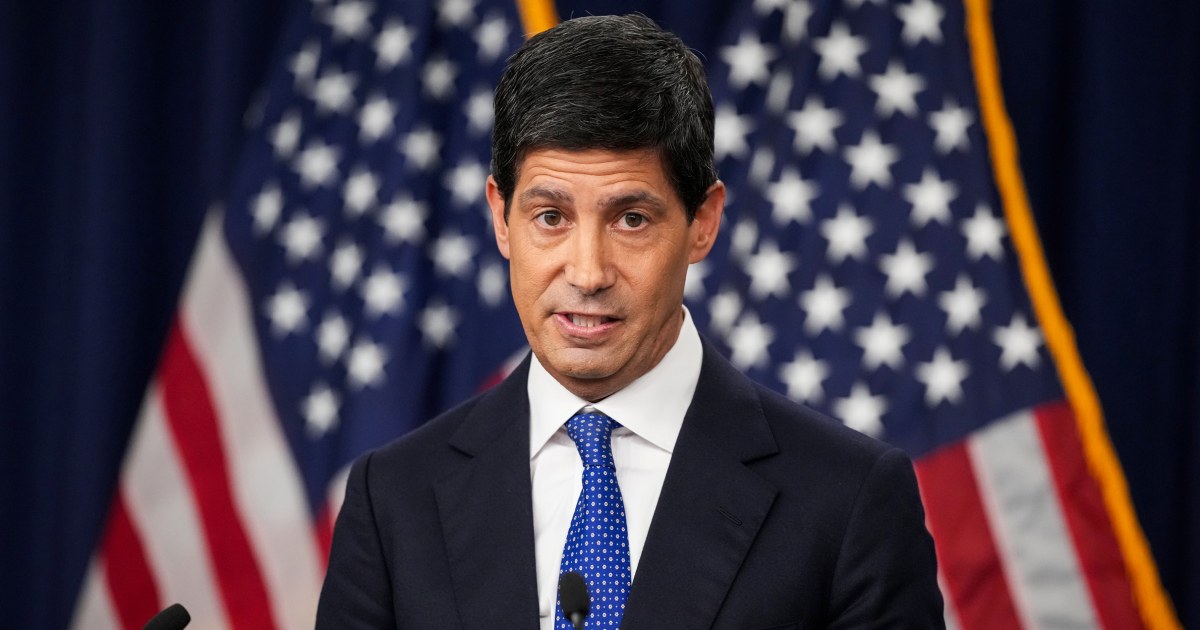
Fed Chairman Kevin Warsh also indicated in late August that he would be carefully eyeing Friday’s report.
asserted
he → indicate → report
Warsh said that he viewed the labor market as “stable,” and saw prices as “more concerning.”
asserted
he → say → prices
While readings of inflation this summer were “better than expected, they do not tell me that underlying trends have meaningfully improved,” he said in Jackson Hole, Wyoming.
asserted
he → expect → Hole
In the weeks since Warsh delivered his speech, the most recent jobs report for August has shown that the U.S. economy expanded by 162,000 roles, far more than had been expected.
asserted
economy → deliver → roles
It also contained positive upward revisions to June and July’s figures.
asserted
It → contain → figures
For Fed watchers, this suggests that the labor market is stable enough that an interest rate hike would be unlikely to throw a wrench in job growth.
uncertain
hike → suggest → growth
Warsh did not say how the Fed would react if prices trended higher again in Friday’s report.
asserted
prices → say → report
Typically, during times of labor market stability and rising prices, a central bank will raise rates to try to tamp down on inflation.
asserted
bank → rise → inflation
Warsh, however, has been less clear about how he views his so-called “reaction function.”
asserted
he → view → function
Citigroup economists called the report “crucial,” writing, “The fate of the September FOMC meeting lies with August CPI.”
But a rise in interest rates, while intended to tamp down on inflation, could also compound the affordability issues already gripping Americans.
uncertain
rise → call → Americans
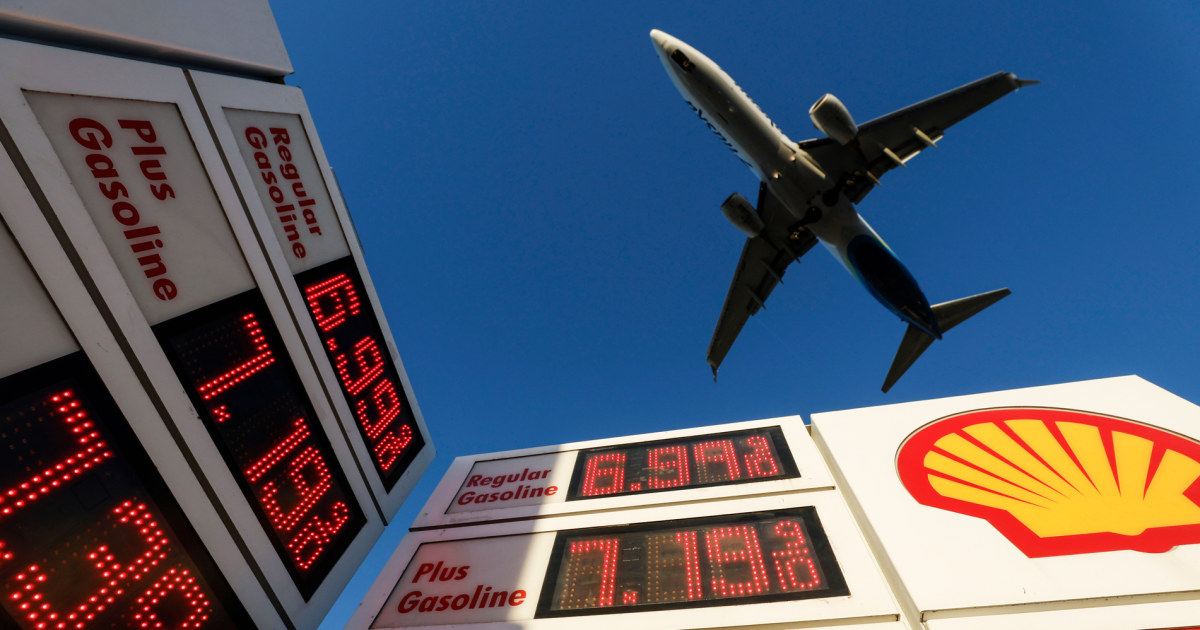
The national average price of gasoline hit $4.27 on Thursday, up 44% since the war with Iran began on Feb. 28.
asserted
war → hit → Feb.
Mortgage rates, too, are on the rise and hit 7.07% Thursday.
asserted
rates → hit → %
That’s due mainly to a surge in the 10-year Treasury yield, which on Thursday rose to its highest level since 2007.
asserted
which → ’ → 2007
In a possible sign of things to come, the Bureau of Economic Analysis on Thursday released its Producer Price Index, which measures wholesale business inflation.
asserted
which → come → inflation
It showed that prices ticked up at a 5.4% annual rate in August.
asserted
prices → show → August
But this report covered a period of time “prior to the recent surge in oil and seems somewhat stale,” wrote KPMG chief economist Diane Swonk on X.
In the middle of August, U.S. crude oil was trading in the low $80s per barrel.
asserted
oil → cover → barrel
By Thursday, it had risen more than 20%, an increase that Friday’s CPI data won’t capture.
asserted
data → rise → that
 The Aporia