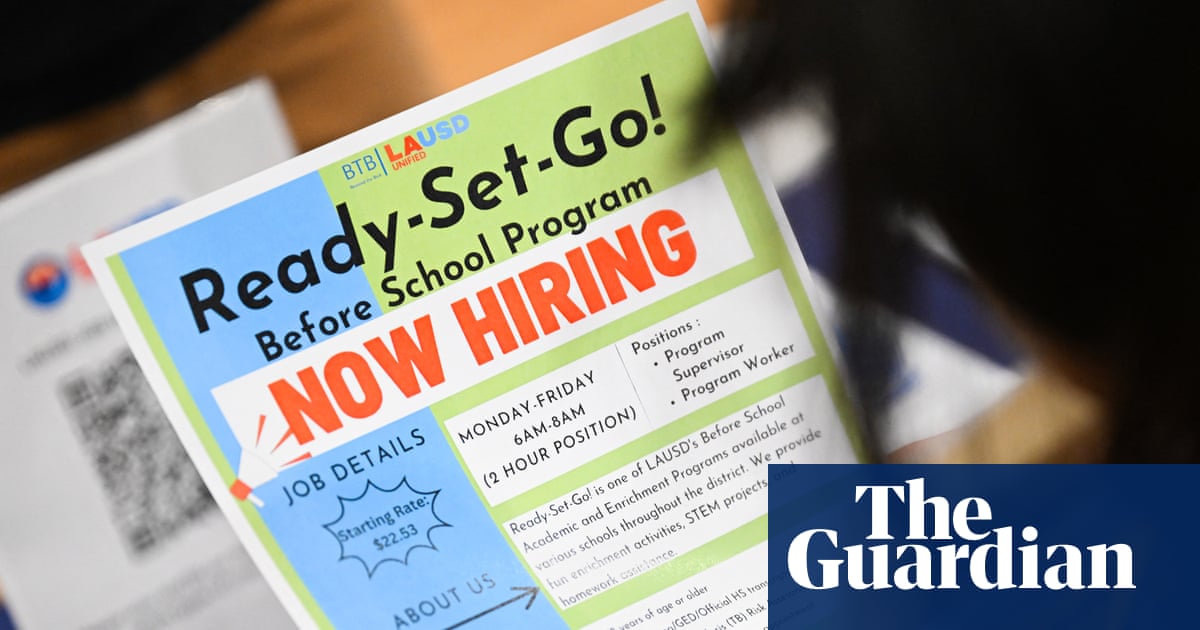
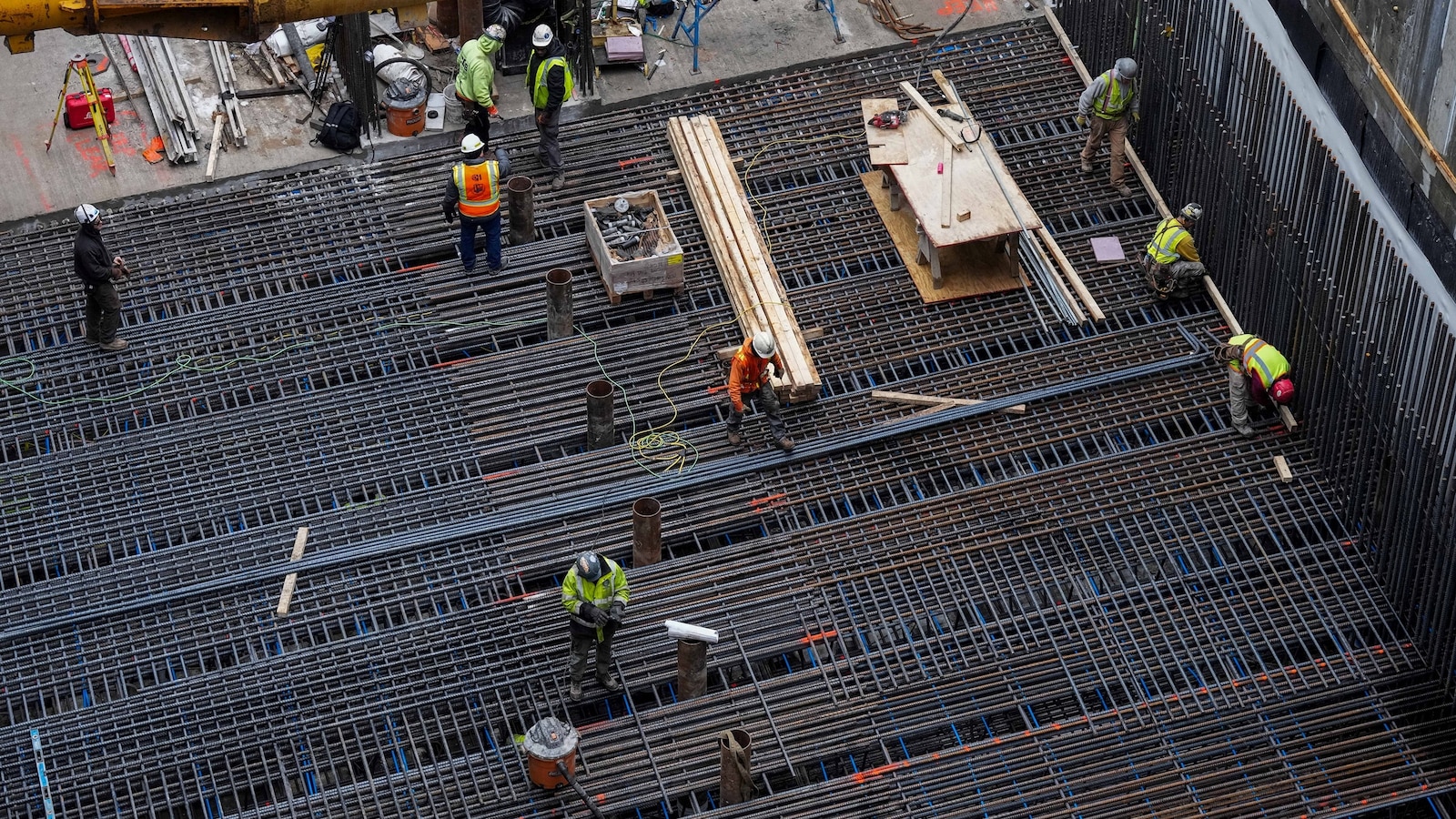
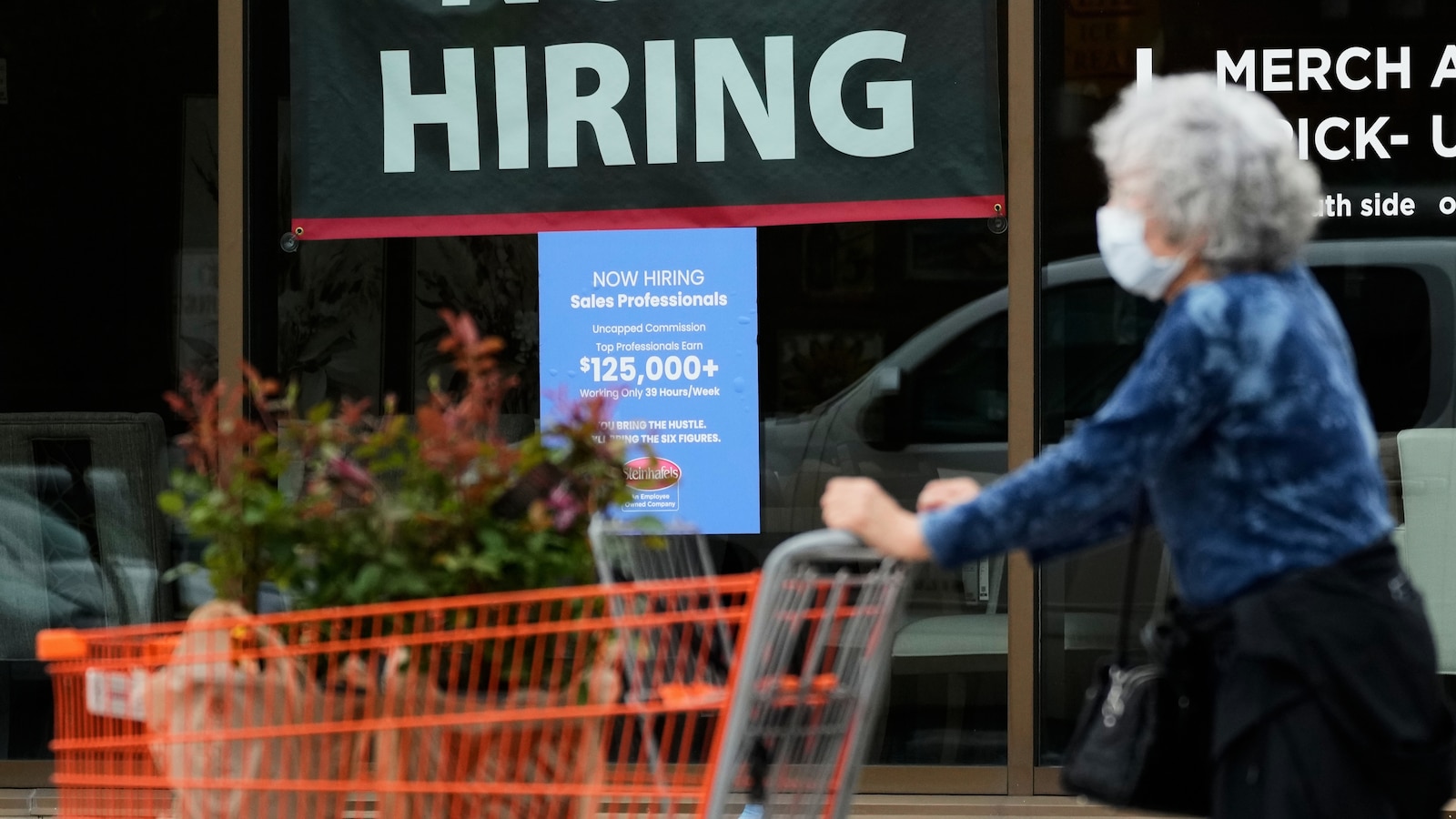
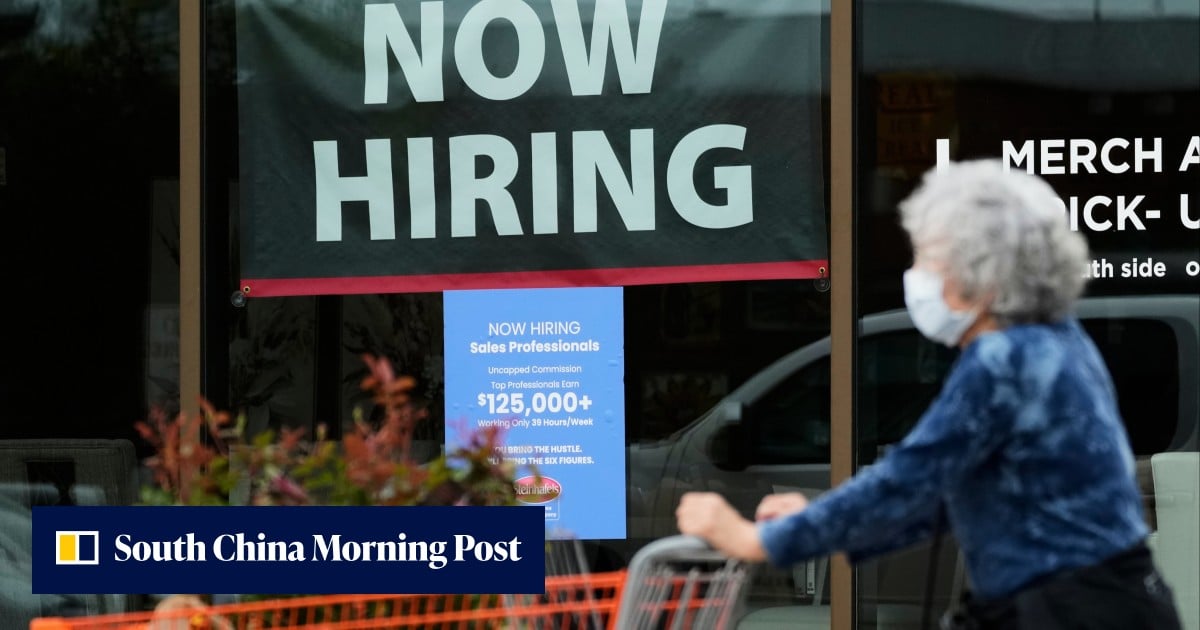
The US economy added 162,000 jobs in August, with the unemployment rate holding steady at 4.1%. Economists had predicted job gains of at least 50,000 new jobs, but actual numbers fell short. The article notes that the labor market appears to be stalled in a "slow hire, slow fire" state, with neither growth nor contractions in jobs. The recent increase in inflation and corresponding rise in US Treasury bond yields have some economists expecting an interest rate hike from the Federal Reserve before the end of the year.
Written by the local model on 2026-09-06,
using this article's own text rather than the other coverage of the
same event (that is the story summary below).
Story summary
The US labor market added 162,000 jobs in August, beating expectations and showing improvement after a sluggish summer. The unemployment rate remained steady at 4.1%, still low by historical standards. Despite the strong job growth, wage gains were weak, with average hourly wages rising only 3.1% from a year earlier, the smallest increase since May 2021. Economists had predicted that the labor market would add at least 50,000 new jobs in August, but the actual number exceeded expectations. The jobs report was seen as a positive sign for the economy, with some Fed funds futures traders betting on a Federal Reserve rate hike this month due to inflation still above the 2% target.
The job growth was driven by a rebound in leisure and hospitality, as well as local government, which added 59,000 and 22,000 jobs, respectively. Restaurants and bars saw significant hiring gains, adding 59,000 jobs after averaging only 12,000 jobs gained each month over the past year. Manufacturing also continued to gain jobs, with an additional 16,000 jobs added in August.
The strong job growth was seen as a welcome surprise after several months of slower hiring. However, many households are still struggling with high costs and weak wage gains, which may not be enough to offset rising inflation. The jobs report will likely influence the Federal Reserve's decision on interest rates at its next meeting.
Written for “US Job Market Rebounds” on 2026-09-07,
grounded in this article and the 6 other(s) covering the same event.
The US economy added 162,000 jobs in August, an uptick after a sluggish summer for the labor market.
asserted
economy → add → market
The unemployment rate held steady at 4.1%, still down from its most recent peak of 4.5% last November, according to new data from the Bureau of Labor Statistics (BLS).
uncertain
rate → hold → Statistics
Despite the relative stability of the unemployment rate, the number of new jobs added to the economy has been fluctuating, going from 214,000 in March down to a 21,000 gain in July and then back up in August.
asserted
number → add → August
Figures for job growth in June and July were both revised up.
asserted
Figures → revise → June
After revisions, job growth in June was 31,000 jobs, up from an initial 20,000, and July was revised up by 44,000 jobs, from an initially reported loss of 23,000 to a gain of 21,000.
asserted
July → revise → 21,000
Economists had predicted gains would be at least 50,000 new jobs.
asserted
gains → predict → ?
Earlier in the week, the payroll firm ADP reported private companies added 38,000 jobs in August, lower than initial expectations and the lowest month for new jobs since January.
asserted
companies → report → January
Meanwhile, outplacement firm Challenger, Gray & Christmas reported that layoffs have been going down and are 41% lower than cuts that were announced by this time last year.
asserted
that → report → time
Economists have pointed out that the labor market appears to be stalled in a “slow hire, slow fire” state, with neither growth nor contractions in jobs.
asserted
market → point → jobs
A separate BLS report from earlier this week showed job openings and layoffs had changed little in July.
asserted
openings → show → July
The number of people quitting their jobs also remained flat, suggesting workers are feeling less confident about their ability to find another job.
asserted
workers → quit → job
For many Americans feeling frustrated about the economy, a lackluster job market feels especially painful when paired with rising prices.
asserted
market → feel → prices
US inflation has increased significantly since the start of the war with Iran, with the annual inflation rate going from 2.4% in February to 3.4% in July.
asserted
rate → increase → July
In May, price increases reached 4.2%, the highest rate since 2023.
uncertain
increases → reach → 2023
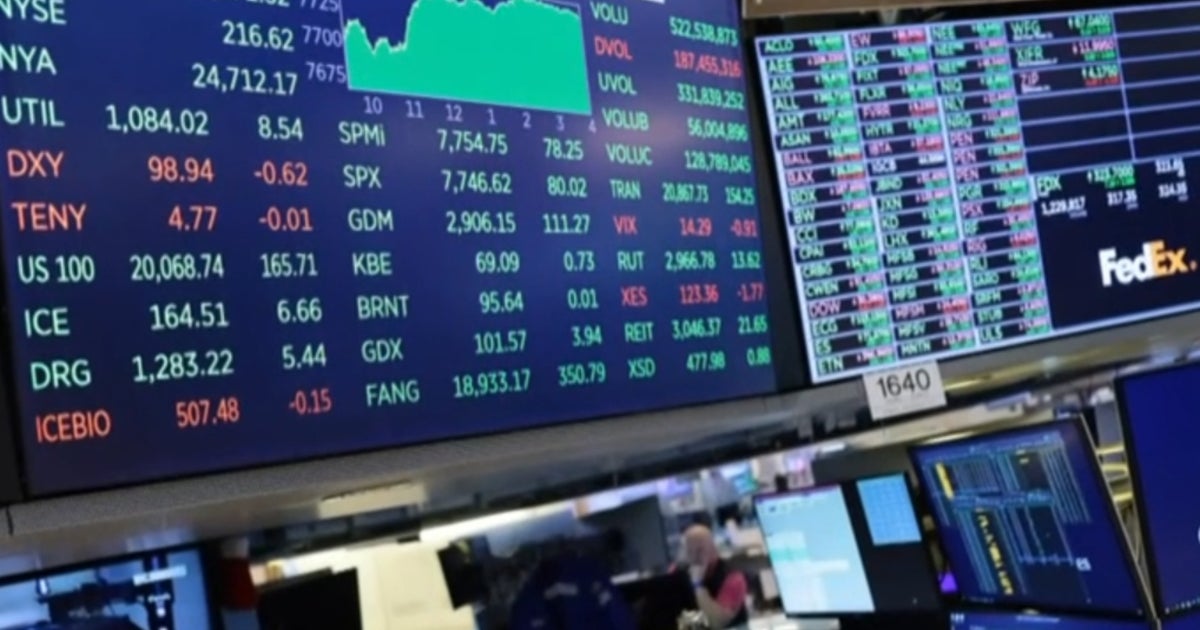
In recent weeks, persistent inflation has started to have a domino effect in the US economy after a sell-off in the US bond market.
asserted
inflation → start → market
Yields for US Treasury bonds have been going up since the start of the Iran war, suggesting that investors are concerned about the long-term health of the economy.
asserted
investors → go → economy
Higher yields could push up the price of loans, including mortgages, car loans and the interest rate on student debt, making things even more costly for Americans.
uncertain
things → push → Americans
Economists are expecting at least one interest rate hike from the US Federal Reserve before the end of the year.
asserted
Economists → expect → year
Higher interest rates could help lower inflation, but at the risk of destabilizing the labor market.
uncertain
rates → help → market
Last week, Kevin Warsh, the Fed chair, gave his debut speech at the Fed’s symposium in Jackson Hole, Wyoming, where he said the Fed was still committed to getting inflation down to its 2% target rate, but held off on making any firm suggestions on the central bank’s next move.
asserted
inflation → give → move
“We must be confident that underlying inflation is moving to our objective, clearly and at sufficient speed,” he said.
asserted
he → move → speed
“Otherwise, we have work to do.”
asserted
we → have → work
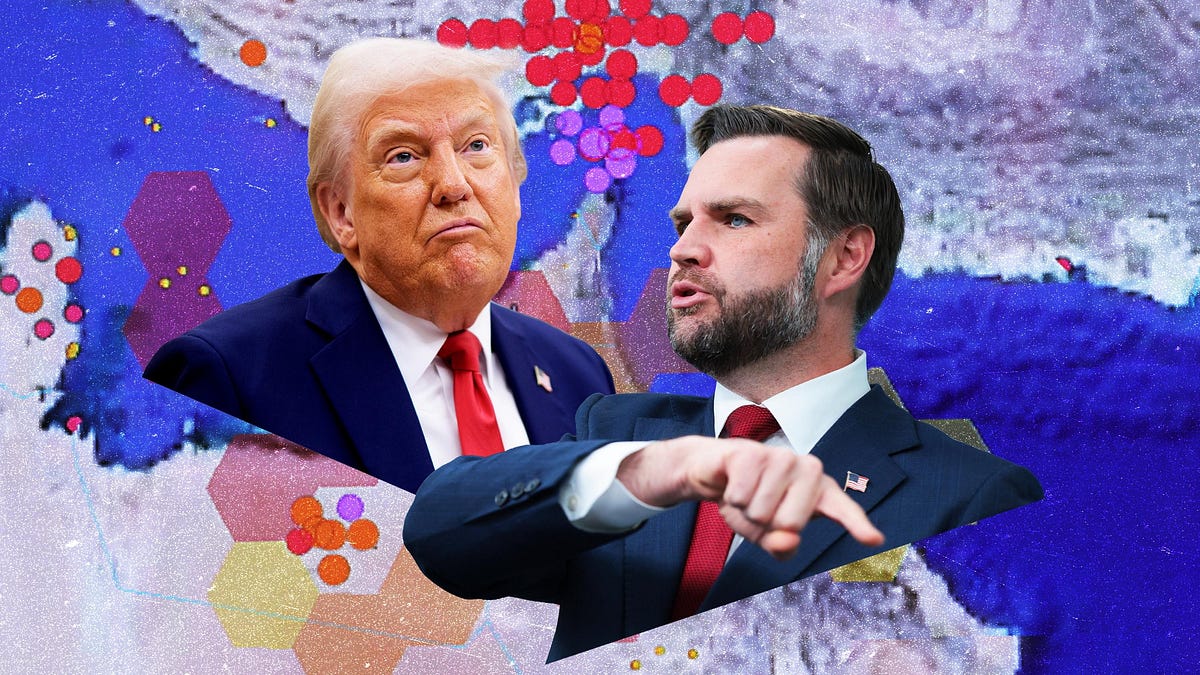
Donald Trump on Friday celebrated the new job figures and threatened to “stop trading with countries with which we have a deficit” if the Fed doesn’t lower interest rates.
asserted
Fed → celebrate → rates
“A STRONG COUNTRY MEANS A LOWER INTEREST RATE –IT’S A BETTER CREDIT…
asserted
IT → mean → RATE
Very simple!” Trump wrote on Truth Social.
asserted
Trump → write → Social
“We should have the LOWEST RATE of any country in the World, like ‘the old days’.”
asserted
We → have → days