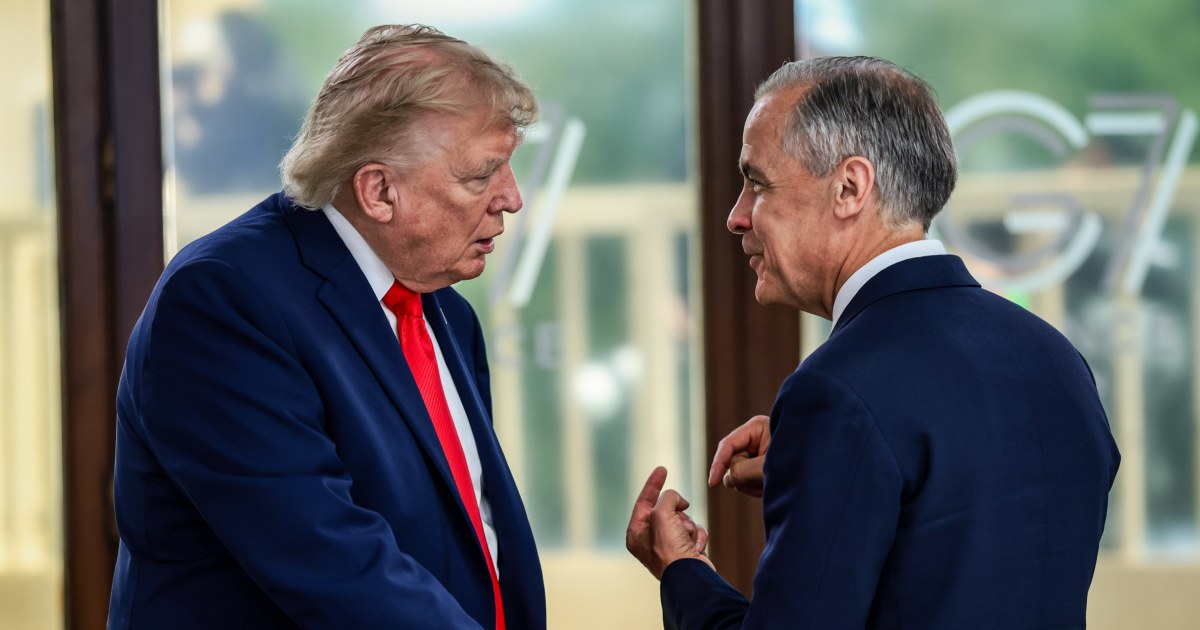
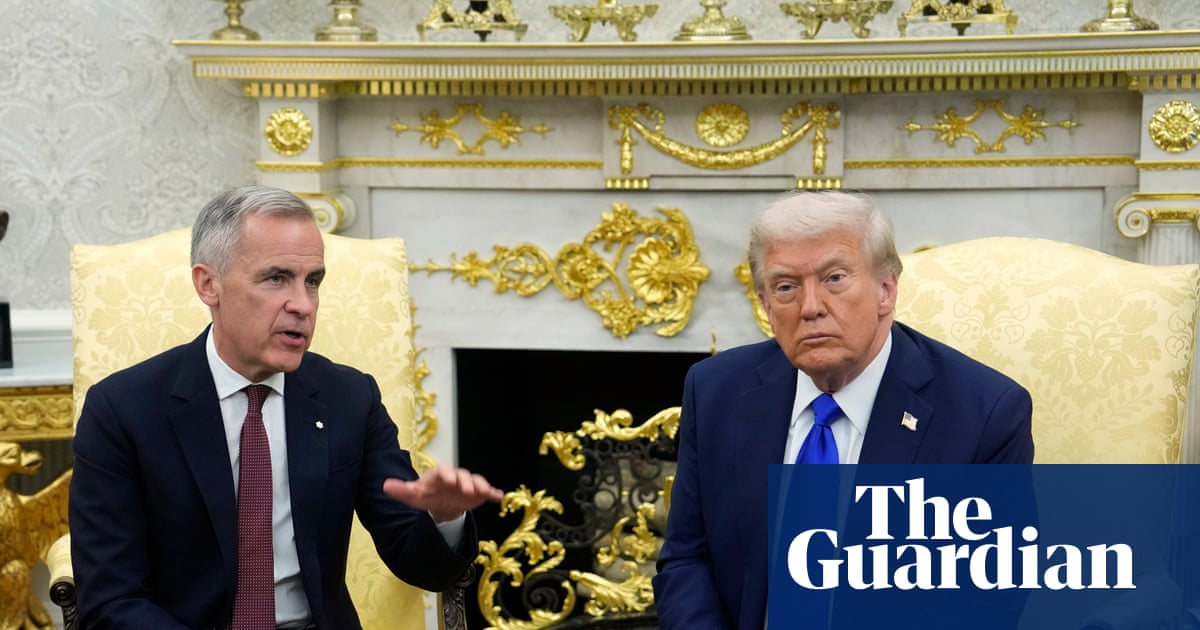
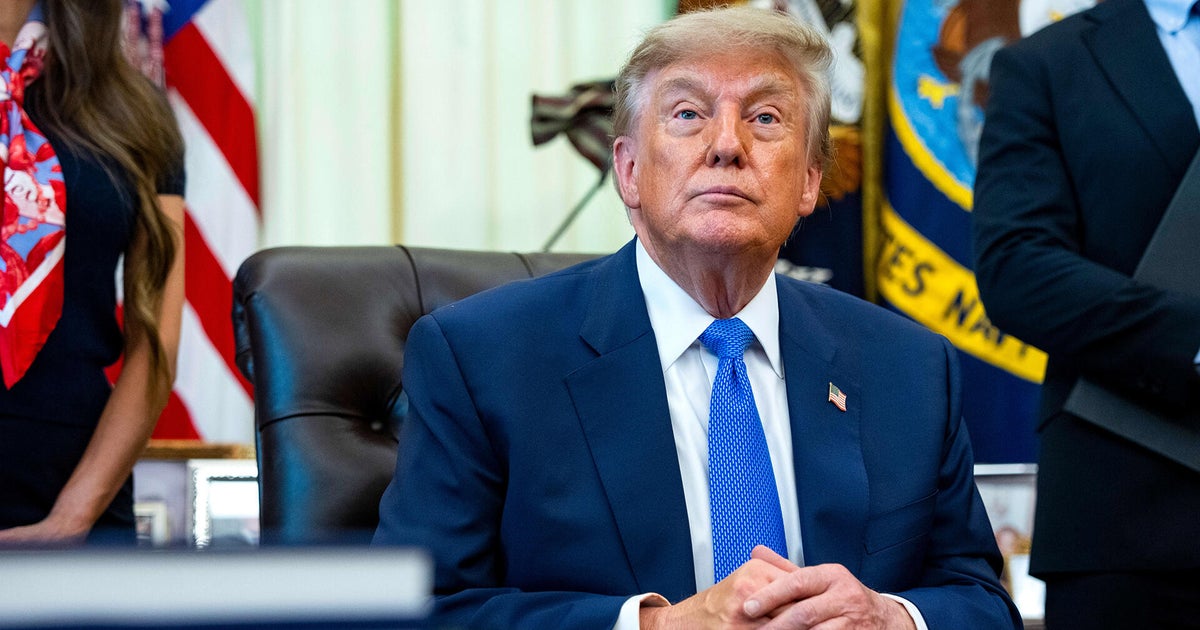
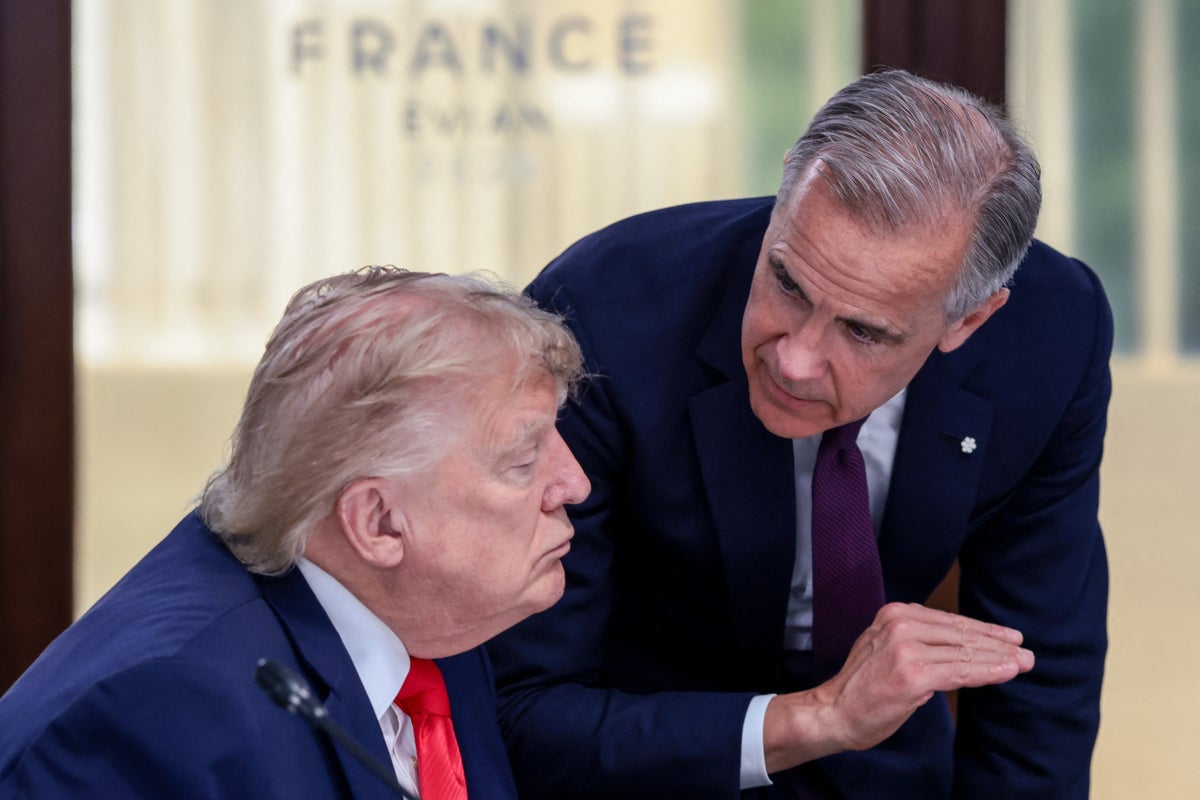
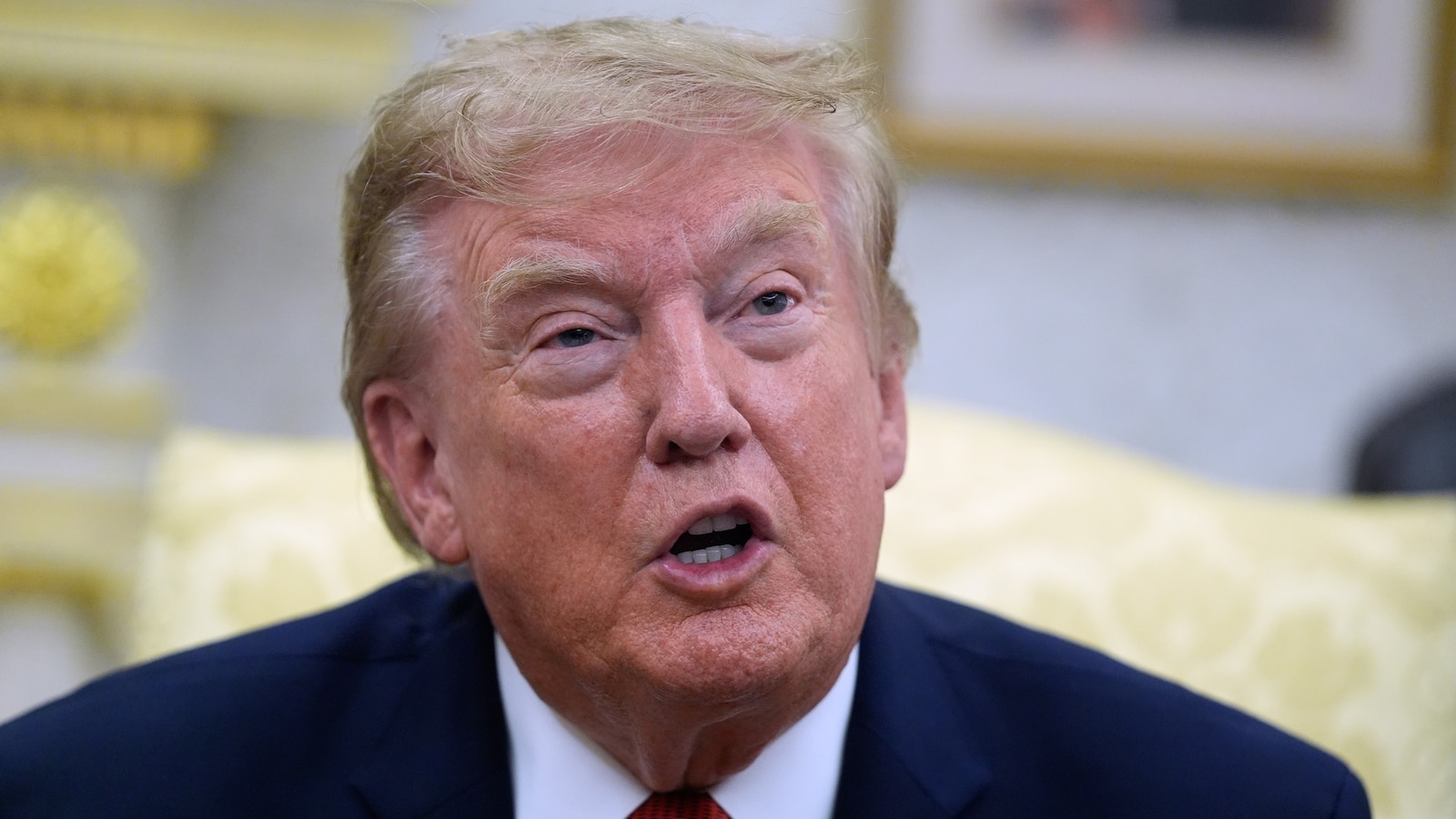
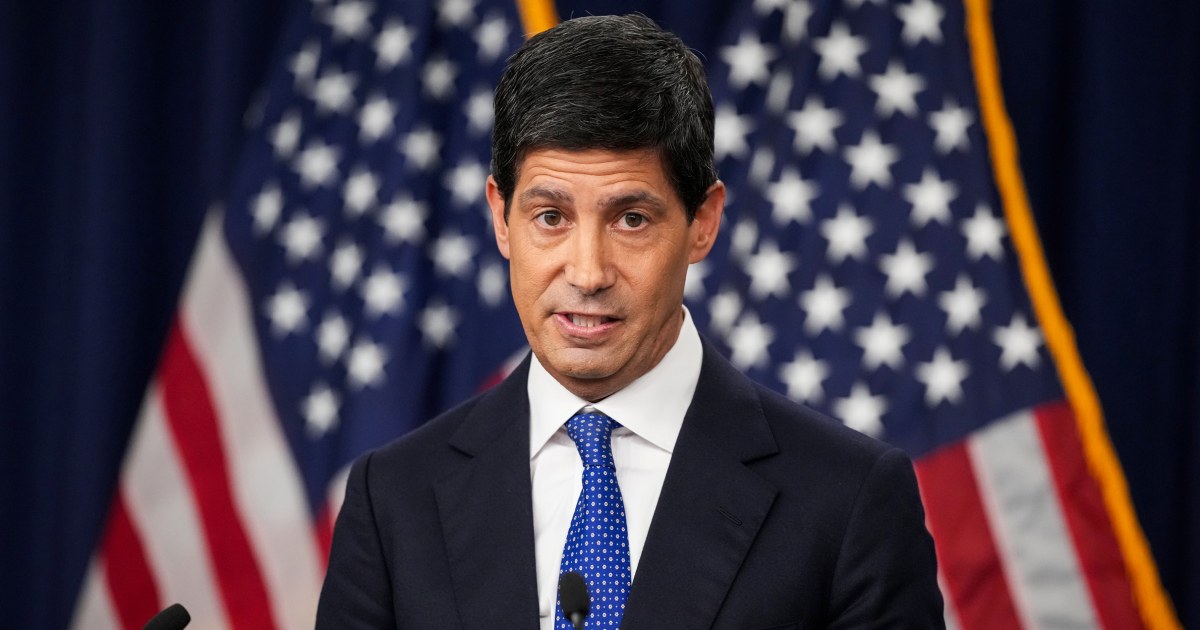
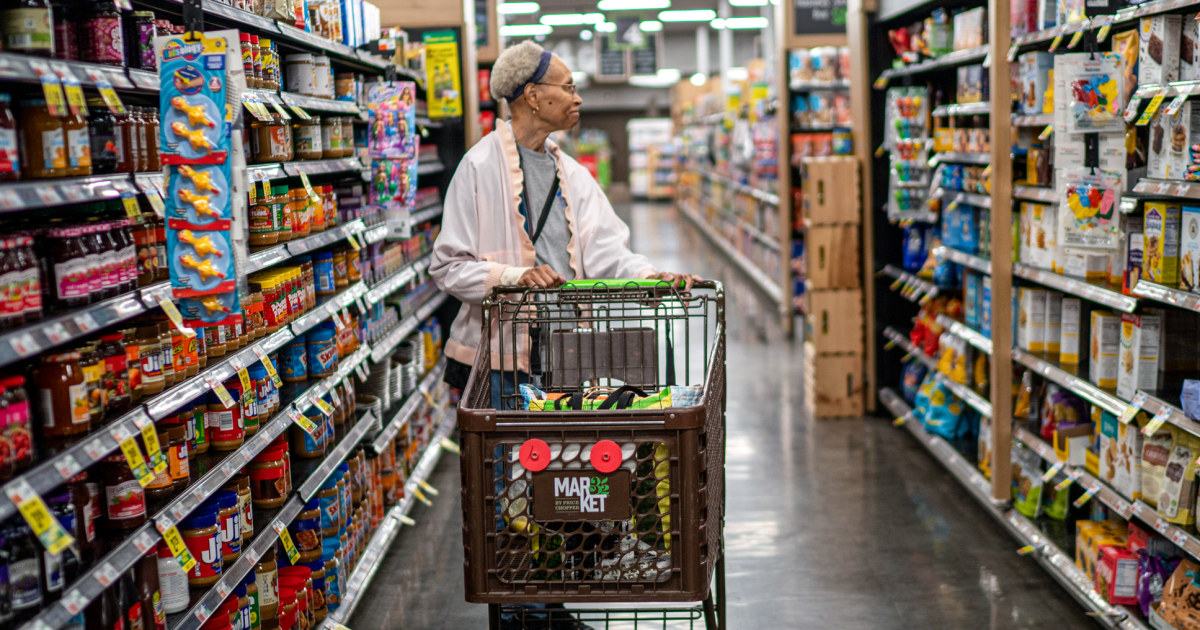
President Donald Trump late Tuesday slammed the brakes on a wave of tariffs that were set to hit Canada at midnight.
asserted
that → slam → midnight
On social media, Trump wrote: “I have paused the 50% Tariffs against Canada, that were scheduled to kick in tomorrow morning for a three day period, based on the fact that Canada and the U.S.A., subject to the finalization of documents, have a DEAL!”
asserted
Canada → write → DEAL
Trump did not provide further details, except to refer to the Keystone XL pipeline, which he said “may be awoken from the grave!”
uncertain
he → provide → grave
“The deal will include comprehensive market access for all American goods, economic security commitments, digital trade alignment, and many important provisions that will continue to protect our market and American workers, along with our Canadian partners,” the Office of the U.S. Trade Representative said in a separate social media post.
asserted
Office → include → post
In a statement, Canadian Prime Minister Mark Carney said the postponement of tariffs would last until the end of the day Friday.
asserted
postponement → say → day
“Substantial progress has been made, although there is important work still to be done,” he said.
asserted
he → make → ?
The 50% duties would have affected about $20 billion worth of U.S. imports from Canada, according to the trade representative’s office.
uncertain
duties → affect → office
The import taxes would have hit products ranging from hockey sticks to some building materials, liquors and certain kinds of clothing.
asserted
taxes → hit → clothing
The last-minute deal came after more than a week of furious meetings and technical talks.
asserted
deal → come → meetings
On Monday afternoon, Carney described the talks with the Trump administration as “very delicate and intense” but did not provide any further details.
asserted
Carney → describe → details
Carney and Trump spoke later that afternoon and again late Tuesday, Carney’s office told NBC News.
asserted
office → speak → News
In his statement late Tuesday, Carney acknowledged the “intensive discussions.”
asserted
Carney → acknowledge → discussions
He added that his government was aiming to “deliver greater certainty and real benefits for Canadian businesses, workers, farmers and families.”
asserted
government → add → businesses
“While we continue this work, Canada remains focused on building a stronger, more independent, and more competitive economy at home,” he said.
asserted
he → continue → home
Carney has previously said the threatened duties were a “direct violation” of the U.S.-Canada-Mexico Agreement, which Trump pursued and signed in his first term.
asserted
Trump → say → term
The U.S. Chamber of Commerce warned in a statement Tuesday that in the event of no deal, “the introduction of higher tariffs would damage both economies, drive up costs for U.S. families, further disrupt critical supply chains, and risk the 13 million American jobs that depend on” the North American trade pact.
asserted
that → warn → pact
The tariffs that were set to be imposed would have been the first use of Section 338 of the Tariff Act of 1930.
asserted
that → set → 1930
The law allows the White House to implement duties of up to 50% on any foreign trading partner that “discriminates” against U.S. commerce.
asserted
that → allow → commerce
In talks with their counterparts, Canadian officials were seeking not only to have the Section 338 tariffs scrapped entirely, but also to lower Section 232 tariffs on industrial products such as steel and aluminum, CBC News and Bloomberg have reported.
asserted
News → seek → steel
The Chamber of Commerce said Tuesday that lower duties on Canada would be “a boon to U.S. consumers, producers, farmers and manufacturers.”
asserted
duties → say → consumers
A sticking point Monday and Tuesday appeared to be a request for lower automobile duties, according to Bloomberg and Reuters, which also reported that U.S. officials did not want to cut current 25% tariffs on that sector to anything lower than 15%.
uncertain
officials → appear → %
Trump did not say in his brief social media post whether the duties would be lowered.
asserted
duties → say → post
U.S. Trade Representative Jamieson Greer said earlier that the reasoning behind the threatened 50% duties was effectively payback for Canada’s retaliation against previous tranches of Trump’s tariffs.
asserted
reasoning → say → tariffs
“The policy basis for [Wednesday’s] duties are related to measures that Canada took against the United States,” Greer said last week.
asserted
Greer → relate → States
“I’ve got two countries in the world that have retaliated against the United States for trade measures: the People’s Republic of China and Canada.
asserted
that → get → China
That’s not the kind of company you really want to be running in.”
asserted
you → ’ → company
Last year, Trump briefly responded to China’s retaliation by raising tariffs into the triple digits.
asserted
Trump → respond → digits
Talks between Treasury Secretary Scott Bessent and China’s vice premier over months eventually defused that tension, and tariffs were lowered.
asserted
tariffs → defuse → tension
Trump has also aimed his anger at Canada repeatedly.
asserted
Trump → aim → Canada
At one point, he became enraged by the province of Ontario, which ran a TV ad during 2025 World Series telecasts.
asserted
which → enrage → telecasts
The video used edited clips of Republican former President Ronald Reagan to criticize Trump’s trade policy.
asserted
video → use → policy
Trump halted trade talks with Canada and later accused the Canadian government, which did not sponsor the ad, of interfering with the Supreme Court’s deliberations over his tariffs; the court later ruled that he overstepped his legal authority.
asserted
he → halt → authority
Trump threatened 10% extra tariffs on Canada after the ad but never followed through.
asserted
Trump → threaten → ad
Ontario later pulled the ad from the airwaves.
asserted
Ontario → pull → airwaves
 The Aporia