Goldman Sachs warns oil could surge to $120 a barrel if attacks on Hormuz continue

The Independent · collected 2026-09-07 · by Alex Croft
Read the original at The Independent ↗

Summary

Goldman Sachs is warning that oil prices could surge to $120 per barrel if attacks on Middle East shipping continue. According to the investment banking firm, this would be the highest price of oil since the US and Israel launched their war on Iran in February. Daan Struyven, co-head of global commodities research at Goldman Sachs, stated that there is a growing risk of shipping disruptions becoming more frequent and severe. The current price of Brent crude is above $97 per barrel, with an average of 10 commodity ships passing through the Strait of Hormuz each day over the past 10 days, down from nearly 15 previously.
Written by the local model on 2026-09-07, using this article's own text rather than the other coverage of the same event (that is the story summary below).

Signals How these are calculated →

Claims extracted
15
claim-shaped sentences
Uncertain
33%
5 of 15 hedged
Leaning
Leans right
of the writing, not the subject
Publisher trust
58.6
red-flag proxy, not a credibility rating
Outlets on this story
1
Economy/Business
Narrative spread
1
articles carrying this framing
Analyzed 2026-09-07 · how these are computed

AI analysis (generated at analysis time, not now)

Story summary

Goldman Sachs has warned that oil prices could surge to as high as $120 per barrel if attacks on Middle East shipping continue. This would be the highest oil price level since the US and Israel launched their war on Iran on February 28th. The current peak of $114 per barrel, reached on May 4th, is already a concern, but Goldman Sachs' warning suggests that prices could rise even higher if shipping disruptions worsen. The Strait of Hormuz, through which one-fifth of the world's oil passes, has been at the center of tensions between Iran and the US. Despite efforts to resolve the issue, progress remains stalled, with Iran announcing new sanctions on ships trying to pass through the strait. This development has raised concerns that the situation could escalate further, leading to higher oil prices.

Written for “Oil Price Surge Feared” on 2026-09-07, grounded in this article and the 0 other(s) covering the same event.
Why this leaning score
The article's own words the score was based on. Each is quoted verbatim and was checked against the article text before being stored, so you can find it in the original.
Score +0.35 Confidence high
Leaning score +0.35 for article 6697 (high confidence, 1 verified quote) · logged 2026-09-07

Story

📰 Oil Price Surge Feared
Economy/Business · 1 article(s) covering the same event. This is the one the site leads with.

How this is being covered How these are calculated →

Article leaning vs. publisher reliability
Source leaning vs. consistency

Compared with similar articles

This article reads leans right and hedges 33% of its claims. Each row says how that neighbour differs.
The Guardian
⚖️ Leans left further left than this 🔴 9% hedged 2 of 23 📰 publisher trust 59
“Article A describes a fuel price surge affecting farmers due to renewed Middle East hostilities and Russia's ban on diesel exports, while Article B discusses a potential future oil price surge due to attacks on Hormuz”
Fox News
⚖️ Leans strongly right further right than this 🔴 15% hedged 2 of 13 📰 publisher trust 95
“Article A mentions a prediction about oil prices dropping after the Iran conflict ends, while Article B warns of a surge in oil prices if attacks on Hormuz continue”
OPEC’s new threat comes from within different event · 80%
Semafor
⚖️ Leans right 🔴 9% hedged 4 of 44 📰 publisher trust 96
“Article A discusses OPEC's internal divisions and price signals from Saudi Aramco, while Article B warns of potential oil price surge due to shipping disruptions at Hormuz, but does not explicitly mention an event occurring on the same specific time and place”
US diesel prices hit an all-time-high different event · 80%
BBC News
⚖️ Leans left further left than this 🔴 31% hedged 4 of 13 📰 publisher trust 96
“Article A mentions a general increase in diesel prices due to the ongoing war, while Article B specifically warns of a potential surge in oil prices if attacks on Hormuz continue”
South China Morning Post
⚖️ Leans left further left than this 🔴 20% hedged 2 of 10 📰 publisher trust 94
“Although both articles discuss recent events affecting oil prices, they mention different incidents: Article A mentions a decline in refined-product exports due to losses in Russia and the Persian Gulf, while Article B discusses potential disruptions from attacks on Hormuz.”
Semafor
⚖️ Leans right 🔴 0% hedged 0 of 4 📰 publisher trust 96
“While both articles mention attacks on oil tankers and the Strait of Hormuz, Article A provides a more detailed account of a specific incident (US striking Iranian tankers) whereas Article B mentions broader 'events over the last few days', implying that they may be referring to multiple incidents”
Semafor
⚖️ Leans right 🔴 0% hedged 0 of 5 📰 publisher trust 96
“Article A describes a series of attacks by Iran on US military bases in Bahrain, Iraq, and Jordan, while Article B refers to potential shipping disruptions and oil price surges without mentioning the specific attacks described in Article A.”
ABC News (US)
⚖️ Centre further left than this 🔴 12% hedged 3 of 26 📰 publisher trust 95
“Article A discusses record fuel prices for Labor Day weekend due to refinery issues and Iran War, while Article B warns of potential surge in oil prices if attacks on Hormuz continue, without mentioning current fuel prices or Labor Day”
Washington Examiner
⚖️ Leans left further left than this 🔴 8% hedged 1 of 13 📰 publisher trust 96
“Article A discusses the impact of a war with Iran on gas prices, while Article B warns about the potential surge in oil prices due to attacks on Hormuz, without specifying that the war has already started”

Publisher

The Independent · 209 article(s) · 1 correction(s) detected
Running correction rate · 1 correction(s)
2026-09-04
Pennsylvania confirms second death of child with measles after RFK Jr. told CDC director to delete numbers

Who wrote this

Alex Croft
6 article(s) here · 1 carrying a prediction
🔮 The US president is expected to speak to Putin and Zelensky over the phone on Monday.
🔮 Oil prices could surge as high as $120 per barrel if attacks on Middle East shipping do not stop, Goldman Sachs has warned.
🔮 The panicked screams would save their lives.
🔮 For this story, identities have been protected to guarantee the safety of prisoners, their families, and the political dissidents involved in smuggling material out of the prisons, a highly risky act that could be punishable by death.
🔮 He did not, however, elaborate on what that proposal would be.
🔮 Iran has threatened to target any Gulf states assist the US in the conflict, after the United Arab Emirates accused Tehran of launching two ballistic missiles in the first such incident since May.
Also by Alex Croft
Nothing else under this byline is closely related to this article, so these are simply their most recent.
All 6 articles by Alex Croft →

Topics

Goldman Sachs Iran Iranian Israel Tehran

Subjects

Iran GPE · 6× Goldman Sachs ORG · 2× Iranian NORP · 2× Tehran GPE · 2× Americans NORP · 1× Bloomberg TV ORG · 1× Daan Struyven PERSON · 1× Israel GPE · 1× Mohsen Rezaei PERSON · 1× the United States GPE · 1×

Narrative

“Events over the last few days do suggest that the risk of shipping disruptions broadening and intensifying is an important one,” said Daan Struyven, co-head of global commodities research at the investment banking firm, in an interview with Bloomberg TV on Monday.
framing: mixed · carried by 1 article(s) · first seen 2026-09-07
🔮 Oil prices could surge as high as $120 per barrel if attacks on Middle East shipping do not stop, Goldman Sachs has warned.

Claims (15 extracted, 5 hedged)

Oil prices could surge as high as $120 per barrel if attacks on Middle East shipping do not stop, Goldman Sachs has warned. uncertain
Sachs → surge → shipping
This would be the highest oil prices have hit since the US and Israel launched their war on Iran on 28 February. asserted
US → hit → February
Brent crude, the international benchmark, peaked at $114 per barrel on 4 May. uncertain
crude → peak → May
“Events over the last few days do suggest that the risk of shipping disruptions broadening and intensifying is an important one,” said Daan Struyven, co-head of global commodities research at the investment banking firm, in an interview with Bloomberg TV on Monday. asserted
Struyven → suggest → Monday
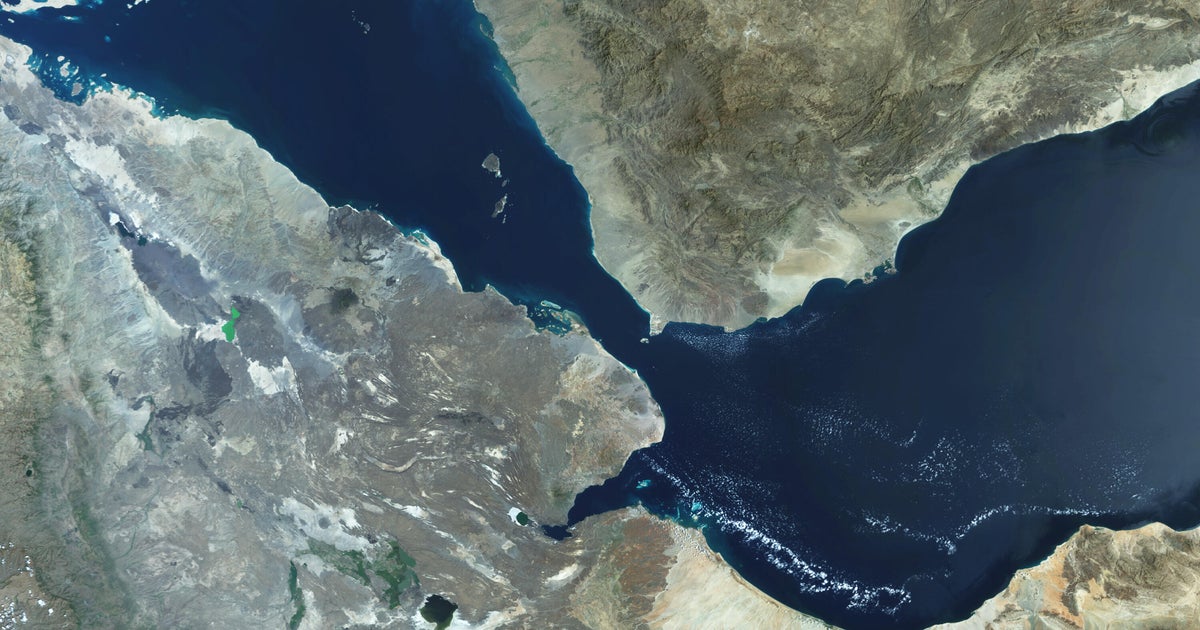
The US and Iran have been unable to address a stalemate over the management of the Strait of Hormuz, through which one fifth of the world’s oil passed during peace time. asserted
fifth → address → time
Tehran said on Monday it will unveil new sanctions for ships trying to pass through the strait following a weekend of renewed exchanges with the US, casting fresh doubt on progress towards an end to the conflict. asserted
it → say → conflict
Mohsen Rezaei, the secretary of Iran’s supreme national security council, told state TV on Sunday that Tehran will announce a new ‘exclusion zone’ outside of the waterway in the coming days. asserted
Tehran → tell → days
He said any ship seen entering the new restricted zone would be added to a sanctions list, reiterating that the waterway would only fully open again once the Americans “stop the sabotage, threats and attacks on Iran”. asserted
Americans → say → Iran
Iran and the United States traded fire again over the weekend, with the price of Brent crude now above $97 per barrel, driving Hormuz traffic down to its lowest since May. uncertain
price → trade → May
Rallying Brent crude prices could surpass $100 per barrel for the first time since 23 July, which was the only day that it has risen above this benchmark since 22 May. uncertain
it → rally → May
Goldman Sachs sees “meaningful upside to crude oil prices”, but said that in gas and fuels, the “supply shocks are bigger than in the crude market”. asserted
shocks → see → market
Attacks on shipping in the Strait of Hormuz are showing further signs of intensifying. asserted
Attacks → ship → signs
The US claimed strikes on three Iranian oil tankers, including one off the coast of Kharg Island, after Iran’s Islamic Revolutionary Guard Corps launched ballistic missiles at two American naval vessels. asserted
Corps → claim → vessels
An average of ten commodity ships transited the Strait of Hormuz each day over the past 10 days, the lowest since May, according to shipping data on Monday, after US and Iranian strikes on tankers. uncertain
average → transit → tankers
The 10-day moving average was 10 on Sunday, down from more than 15 on Friday and nearly 13 on Saturday, data from analytics firm Kpler found. asserted
data → move → Kpler

💬 Give feedback
🕘 History 🎫 Support