Benchmark Brent crude oil futures rose past $100 a barrel on Wednesday, hitting a six-week high due to intensifying conflict in the Middle East. The price increase is attributed to concerns about oil flows from the region and supply risks that have mounted since the Iran war began on February 28. Brent crude prices have risen by a quarter since early last month, with some banks, including Goldman Sachs and HSBC, raising their crude price forecasts. According to Rystad Energy's Chief Economist Claudio Galimberti, oil flows through the Strait of Hormuz have fallen significantly, from 8-9 million barrels per day before the recent escalation in fighting to below 2 million bpd.
Written by the local model on 2026-09-09,
using this article's own text rather than the other coverage of the
same event (that is the story summary below).
Story summary
Oil prices surged past $100 per barrel on Wednesday after a series of attacks in the Middle East, with Brent crude futures trading at $99.93 a barrel and U.S. West Texas Intermediate crude at $94.52 a barrel. The price hike comes as tensions between the US and Iran continue to escalate, with the US striking five Iranian oil tankers on Tuesday and Iran launching missiles at US targets in Jordan.
Saudi Arabia reported that its energy infrastructure was attacked by the Houthis, causing temporary pauses in operations and injuring 73 civilians. Saudi Arabia is the world's largest oil exporter, and the attacks have raised concerns about the security of global oil supplies.
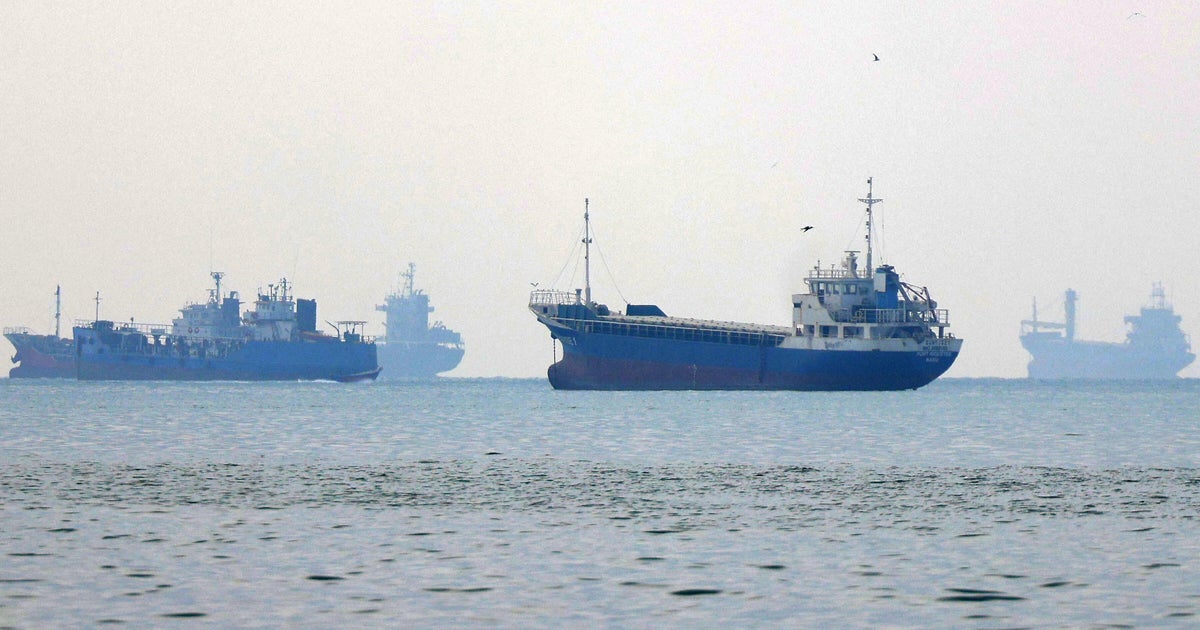
The Strait of Hormuz has become a key concern, with just four ships passing through the waterway on Saturday and six on Sunday. Before the war, the strait carried more than 20% of the world's energy supply as oil was shipped to ports around the globe.
In response to the attacks, the US Central Command said it destroyed five Iranian tankers, warning crews to abandon ship before striking. Iran has launched missiles at US targets in Jordan and warned tankers near Kuwait and Bahrain to evacuate.
The price of oil has been rising steadily since the start of the Iran war on February 28, with Brent crude surging as high as $126.41 a barrel on April 30. The global price of oil topped $100 a barrel for the first time since July, adding to uncertainty over future supply.
Meanwhile, a gallon of regular gasoline averaged $4.15 in the US on Tuesday, up 26% from a year ago.
Written for “Escalating Middle East Conflict” on 2026-09-09,
grounded in this article and the 74 other(s) covering the same event.
Why this leaning score
The article's own words the score was based on. Each is quoted
verbatim and was checked against the article text before being
stored, so you can find it in the original.
Leaning score +0.35 for article 7333 (medium confidence, 1 verified quote) · logged 2026-09-09
Benchmark Brent crude oil futures rose past $100 a barrel on Wednesday, hitting a more than six-week high and breaching the symbolic threshold for the first time since July 24 as intensifying conflict in the Middle East heightened concerns about oil flows from the region.
asserted
conflict → rise → region
Brent crude futures were up $2.01, or 2.05 per cent, at $99.93 a barrel by 01:02pm PKT, after earlier touching $100.19, while US West Texas Intermediate crude was up $1.49, or 1.60pc, at $94.52 a barrel.
Brent crude prices have risen by a quarter since early last month as hopes fade for a permanent resolution to the six-month-old US-Iran conflict.
Since the Iran war began on February 28, Brent has surged as high as $126.41 a barrel, a peak reached on April 30.
asserted
Brent → touch → April
This week, attacks by Houthis on Saudi energy facilities set oil installations ablaze, threatening a significant expansion of the conflict.
asserted
attacks → set → conflict
The attacks also threaten crude shipments via the Red Sea, which has been a key alternative route to the crucial Strait of Hormuz, where oil flows have been severely curtailed since the February 28 start of the Iran war.
asserted
flows → threaten → war
Supply risks mount
“Market participants appear to be pricing in a more prolonged conflict in the Middle East as well as the risk that the latest escalation in military strikes disrupts oil flows from the Middle East,” said Hamad Hussain, senior climate and commodities economist at Capital Economics.
asserted
Hussain → mount → Economics
“The key risk is whether the recent attacks on oil tankers lead to fewer ship-to-ship transfers taking place in the Gulf of Oman, which have so far played a key role in providing oil to global markets and keeping a lid on prices.
asserted
which → lead → prices
A growing number of banks, including Goldman Sachs, Bank of America and HSBC, have raised their crude price forecasts in recent days.
asserted
number → grow → days
In the week before a resumption in fighting on August 30, roughly 8 million to 9m bpd had flowed through Hormuz, double the previous week’s volume, according to Rystad Energy’s Chief Economist Claudio Galimberti, although more recently it had fallen below 2 million bpd.
uncertain
it → flow → bpd
“I think the market is trying to treat this rise in energy prices as a one-off.
asserted
market → think → off
It’s not.
asserted
It → ’ → ?
It’s not going away, and it’s part of what I would argue as a security premium.
asserted
I → go → premium
And it’s only going to get bigger,” said Jeffrey Currie, co-chairman at Abaxx Markets.
asserted
Currie → go → Markets
While non-Opec oil producers including the United States, Canada and Guyana have ramped up output, the International Energy Agency said last month it expected global oil supply would fall this year by 4.3 million bpd, or about 4pc.
asserted
supply → include → bpd