Verisk Estimates Insured Losses for Hurricane Isaias Could Reach USD 2 Billion

Read the original at Toronto Star ↗
Toronto Star · collected 2026-10-13 · by GlobeNewswire, Inc.

Quick Summary

Verisk, a data analytics company for the insurance industry, estimates that Hurricane Isaias caused insured losses ranging from $1 billion to $2 billion in onshore property damage primarily due to wind. The hurricane made landfall near Destin, Florida, as a Category 2 storm with maximum sustained winds of 105 mph on October 9, 2026. While the storm weakened rapidly after moving inland, it still generated significant damage across Florida, Alabama, and Georgia, primarily affecting residential properties with fallen trees and damaged roofs.
Written locally by qwen2.5:14b on 2026-10-13, using this article's own text rather than the other coverage of the same event (that is the story summary below).

AI analysis runs on qwen2.5:14b, locally

Story summary

Tropical Storm Isaias formed off the coast of eastern Mexico on Wednesday, October 7, 2026, with forecasters predicting it would strengthen into a hurricane before hitting the U.S. Gulf Coast by early Saturday morning. The storm was initially about 460 miles south-southwest of the Mississippi River’s mouth and moved east-northeast at 8 mph, with maximum sustained winds of 75 mph. By Thursday, Isaias had already strengthened into a hurricane.

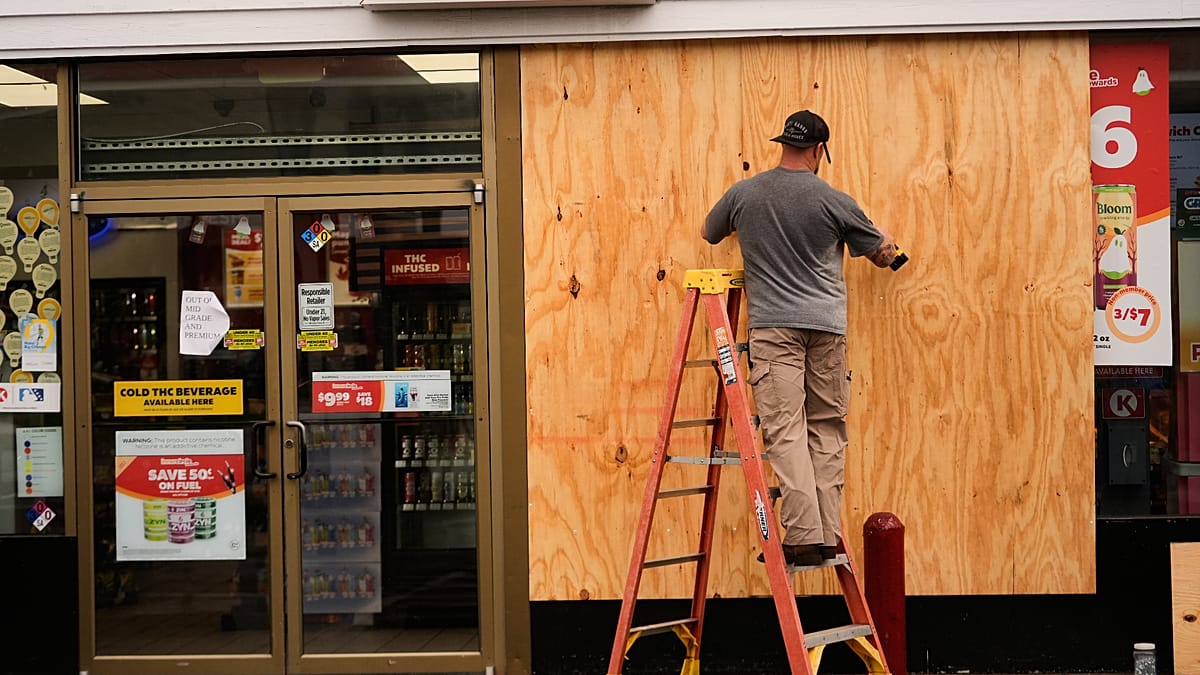
Forecasters warned that landfall could occur between the Mississippi coast and the Florida Panhandle, bringing heavy rains, potential flash flooding, storm surges, and damaging winds to parts of the Florida Panhandle, southern Alabama, and southern Mississippi. As a result, Florida Governor Ron DeSantis declared a state of emergency for 25 counties in preparation for the hurricane’s impacts.

With oil prices already high due to global supply concerns, some Gulf oil wells paused production ahead of Isaias's arrival, potentially affecting market inventories.

Written for “Hurricane Isaias Hits US Gulf Coast” on 2026-10-13, grounded in this article and the 77 other(s) covering the same event.
Why this leaning score
This article does not take a side on a contested political question, so it has no leaning score. That is an answer rather than a gap: a match report or a rescue can be warmly or critically written without being left or right, and scoring it anyway is how approval of a subject gets recorded as a political position.
No political leaning scored for article 77038 · logged 2026-10-13

Story

📰 Hurricane Isaias Hits US Gulf Coast
Environment · 78 article(s) covering the same event. Compare every outlet's account →

Compared with similar articles

This article reads unscored and hedges 9% of its claims. Each row says how that neighbour differs.
Al Jazeera
⚖️ leaning not scored 🔴 17% hedged 3 of 18 📰 publisher trust 60
“Both articles describe Hurricane Isaias making landfall near Destin, Florida and its immediate aftermath and impact.”
Euronews
⚖️ leaning not scored 🔴 0% hedged 0 of 9 📰 publisher trust 60
“Both articles describe Hurricane Isaias making landfall in the Florida Panhandle near Destin on the same date.”
The Independent
⚖️ leaning not scored 🔴 16% hedged 6 of 38 📰 publisher trust 59
“Both articles discuss Hurricane Isaias making landfall near Destin, Florida on the same day, describing it as a Category 2 hurricane with significant impacts.”
Al Jazeera
⚖️ leaning not scored 🔴 31% hedged 5 of 16 📰 publisher trust 60
“Both articles refer to Hurricane Isaias making landfall near Destin, Florida, and causing significant damage.”
Times of India
⚖️ leaning not scored 🔴 19% hedged 5 of 27 📰 publisher trust 59
“Article A reports on immediate impacts and casualties from Hurricane Isaias, while Article B provides an estimate of insured losses from the hurricane's property damage, which is a separate but related economic analysis.”
CBS News
⚖️ leaning not scored 🔴 0% hedged 0 of 2 📰 publisher trust 66
“Both articles discuss the damage and estimated insurance costs resulting from Hurricane Isaias' impact in Florida on the same date.”
The Straits Times
⚖️ leaning not scored 🔴 12% hedged 3 of 24 📰 publisher trust 59
“While both articles discuss Hurricane Isaias, Article A describes preparations and warnings before landfall, while Article B reports on estimated insured losses after the hurricane has made landfall.”
Al Jazeera
⚖️ leaning not scored 🔴 24% hedged 4 of 17 📰 publisher trust 60
“While both articles discuss Hurricane Isaias approaching or affecting the Florida Panhandle, Article A describes the imminent threat and preparation stages, whereas Article B provides an estimate of insured losses post-landfall.”
The Guardian
⚖️ leaning not scored 🔴 13% hedged 4 of 31 📰 publisher trust 69
“While both articles discuss Hurricane Isaias making landfall in Florida, Article B focuses on a later estimate of insured losses, not the initial landfall itself.”
The Independent
⚖️ leaning not scored 🔴 14% hedged 3 of 21 📰 publisher trust 59
“While both articles discuss Hurricane Isaias, Article A reports on the immediate impact of its landfall and power outages, while Article B provides a later estimate of insured losses from the storm. They describe different stages of the event's aftermath.”

Cite this article

Verisk Estimates Insured Losses for Hurricane Isaias Could Reach USD 2 Billion. (2026, October 13). Toronto Star. https://www.thestar.com/globenewswire/verisk-estimates-insured-losses-for-hurricane-isaias-could-reach-usd-2-billion/article_fe9a1a10-3916-52c2-b0f1-d4a94abdeb7b.html

Dated from the outlet's own feed. Check the original for its byline.

How this article was measured signals, leaning charts, publisher record, byline, topics and claims

Signals How these are calculated →

Claims extracted
23
sentences that state something as happening or true
Uncertain
9%
2 of 23 hedged ("reportedly", "may", "according to")
Leaning
not political
takes no side on a contested political question
Publisher signals
63/100
Toronto Star's corrections and hedging, across everything collected from it. Not a measure of accuracy.
Outlets on this story
78
Environment
Same framing elsewhere
1
articles that frame the event the way this one does
Analyzed 2026-10-13 · how these are computed

How this is being covered How these are calculated →

Article leaning vs. publisher reliability
Source leaning vs. consistency

Publisher

Toronto Star · 6775 article(s) · 20 correction(s) detected
Running correction rate · 20 correction(s)
2026-10-07
Correction
2026-09-24
Correction

Who wrote this

No reporter is named on this article, beyond the feed's “GlobeNewswire, Inc.”.

Topics

Alabama Florida Georgia Hurricane Isaias Isaias

Subjects

Verisk ORG · 4× Alabama ORG · 3× Florida GPE · 3× Georgia GPE · 2× VRSK ORG · 2× BOSTON GPE · 1× Destin GPE · 1× GLOBE NEWSWIRE ORG · 1× Isaias GPE · 1× Santa Rosa GPE · 1×

Narrative

The estimate does not include: - Losses from precipitation-induced flooding - Losses paid by the National Flood Insurance Program - Losses exacerbated by litigation, fraudulent assignment of benefits or social inflation - Storm surge leakage losses paid on wind-only policies due to government intervention - Losses to inland marine, ocean-going marine cargo and hull, and pleasure boats - Losses to uninsured properties - Losses to infrastructure - Losses from extra-contractual obligations - Losses from hazardous waste cleanup, vandalism or civil commotion, whether directly or indirectly caused by the event - Losses resulting from the compromise of existing defenses, including natural and man-made levees -
framing: assertive · carried by 1 article(s) · first seen 2026-10-13
🔮 The Catastrophe and Risk Solutions business at Verisk (Nasdaq: VRSK), a leading strategic data analytics and technology partner to the global insurance industry, estimates insured industry losses to onshore property from Hurricane Isaias will range from USD 1 billion to USD 2 billion.

Claims (23 extracted, 2 hedged)

The Catastrophe and Risk Solutions business at Verisk (Nasdaq: VRSK), a leading strategic data analytics and technology partner to the global insurance industry, estimates insured industry losses to onshore property from Hurricane Isaias will range from USD 1 billion to USD 2 billion. asserted
losses → lead → billion
The estimate includes losses from wind and privately insured storm surge resulting from Isaias’ landfall in the Florida Panhandle. asserted
estimate → include → Panhandle
Wind is expected to account for the vast majority of insured losses. asserted
Wind → expect → losses
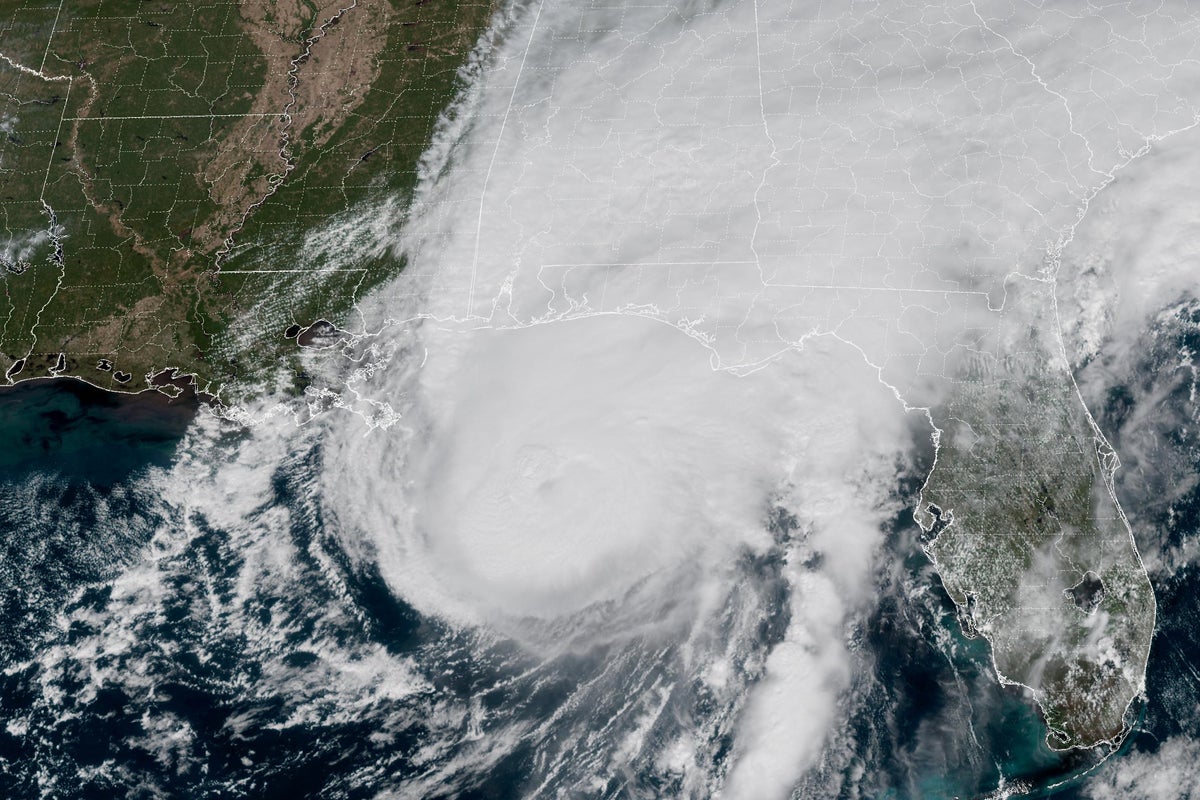
Hurricane Isaias made landfall near Destin, Florida, at approximately 8:30 p.m. CDT on Oct. 9 as a Category 2 hurricane with maximum sustained winds of 105 mph and a minimum central pressure of 971 mb. asserted
Isaias → make → mb
The storm weakened rapidly after moving inland and transitioned into a post-tropical cyclone over Alabama early the following morning. asserted
storm → weaken → Alabama
Isaias became the ninth named storm of the 2026 Atlantic hurricane season after developing over the Gulf. asserted
Isaias → become → Gulf
The storm steadily intensified over exceptionally warm waters, reaching Category 3 strength with maximum sustained winds of 120 mph before weakening prior to landfall. asserted
storm → intensify → landfall
Several factors contributed to Isaias’ rapid intensification, including near-record sea-surface temperatures for early October, a compact wind field and core structure favorable for strengthening, and slower-than-anticipated development of damaging wind shear. asserted
factors → contribute → shear
Although increasing shear weakened the storm before landfall, Isaias reached the Gulf Coast as a significant hurricane and generated damaging wind impacts across portions of Florida, Alabama and Georgia. Putting Damage in Perspective The most severe wind damage occurred west of Isaias’ landfall location, particularly in Florida’s Santa Rosa and northeastern Escambia counties. asserted
damage → increase → counties
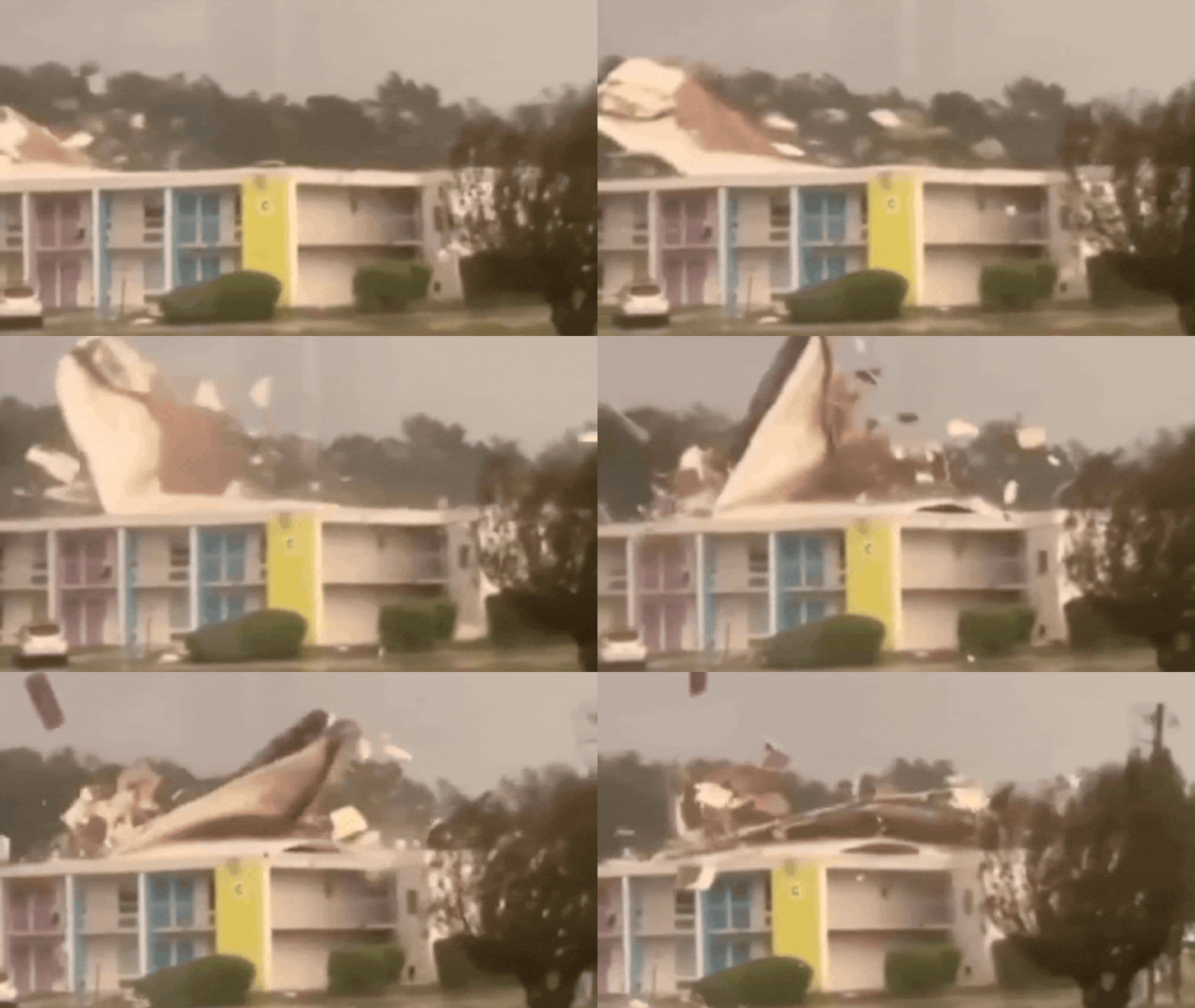
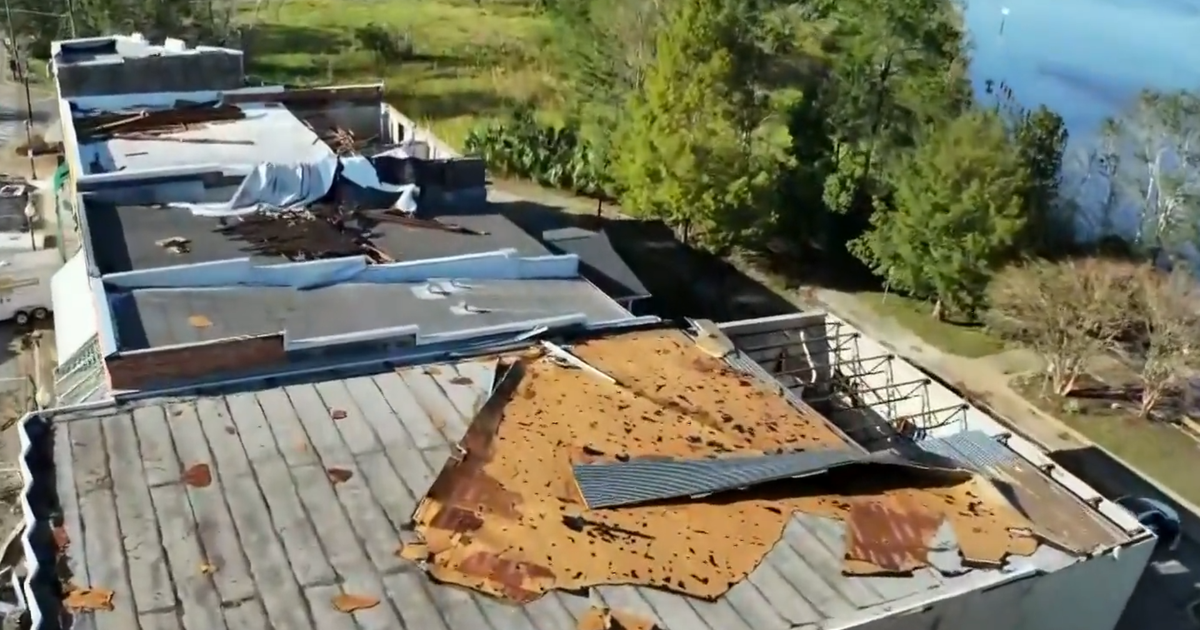
Reported impacts included roof damage, structural damage, downed trees and widespread debris. asserted
impacts → include → damage
In Okaloosa County, the most common damage mechanism was trees falling onto residential structures. asserted
trees → fall → structures
Overall, the event was characterized primarily by wind-related damage, including fallen trees, damaged roofs, fencing losses and debris impacts. asserted
event → characterize → trees
Power outages were widespread across the Florida Panhandle, with some counties reporting outages affecting a majority of residents. asserted
counties → report → residents
Additional impacts were reported in Alabama and Georgia, where the weakening storm and its remnants caused downed trees and further power disruptions. asserted
storm → report → trees
The insured industry loss estimate includes losses to onshore residential, commercial and industrial properties and automobiles for building, contents and time-element coverages. asserted
estimate → include → coverages
The modeled scenarios include losses from wind and storm surge. asserted
scenarios → model → wind
Losses from precipitation-induced flooding are not expected to be significant for this event. asserted
Losses → induce → event
The estimate does not include: - Losses from precipitation-induced flooding - Losses paid by the National Flood Insurance Program - Losses exacerbated by litigation, fraudulent assignment of benefits or social inflation - Storm surge leakage losses paid on wind-only policies due to government intervention - Losses to inland marine, ocean-going marine cargo and hull, and pleasure boats - Losses to uninsured properties - Losses to infrastructure - Losses from extra-contractual obligations - Losses from hazardous waste cleanup, vandalism or civil commotion, whether directly or indirectly caused by the event - Losses resulting from the compromise of existing defenses, including natural and man-made levees - asserted
estimate → include → levees
Losses for U.S. offshore assets and non-U.S. property Verisk continues to monitor the impacts of Hurricane Isaias and assess insured losses as additional claims and damage information become available. uncertain
claims → continue → losses
About Verisk Verisk (Nasdaq: VRSK) is a leading strategic data analytics and technology partner to the global insurance industry. asserted
Verisk → lead → industry
It empowers clients to strengthen operating efficiency, improve underwriting and claims outcomes, combat fraud and make informed decisions about global risks, including climate change, catastrophic events, sustainability and political issues. uncertain
It → empower → change
Through advanced data analytics, software, scientific research and deep industry knowledge, Verisk helps build global resilience for individuals, communities and businesses. asserted
Verisk → build → individuals
With teams across more than 20 countries, Verisk consistently earns certification by Great Place to Work. asserted
Verisk → earn → Work

💬Give feedback
🕘History 🎫Support