Hurricane Isaias made landfall near Destin, Florida, as a Category 2 hurricane on Friday, affecting Alabama and the Florida Panhandle with over 726,000 people without power by Saturday. The storm weakened to a post-tropical cyclone but still posed risks of flooding, gusty winds, and potential tornadoes in its wake. Governor Ron DeSantis advised residents to stay indoors due to dangerous conditions, including flooded roads and downed trees.
Written locally by qwen2.5:14b on 2026-10-10,
using this article's own text rather than the other coverage of the
same event (that is the story summary below).
Story summary
Tropical Storm Isaias formed off the coast of eastern Mexico on October 7 and was expected to strengthen into a hurricane before hitting the U.S. Gulf Coast by early October 10. As of Wednesday, it was located about 285 miles west of Progreso, Mexico, with maximum sustained winds of 40 mph, moving east-northeast at 8 mph. By Thursday, Isaias had strengthened into a hurricane with winds around 75 mph, prompting Florida Governor Ron DeSantis to declare a state of emergency for 25 counties.
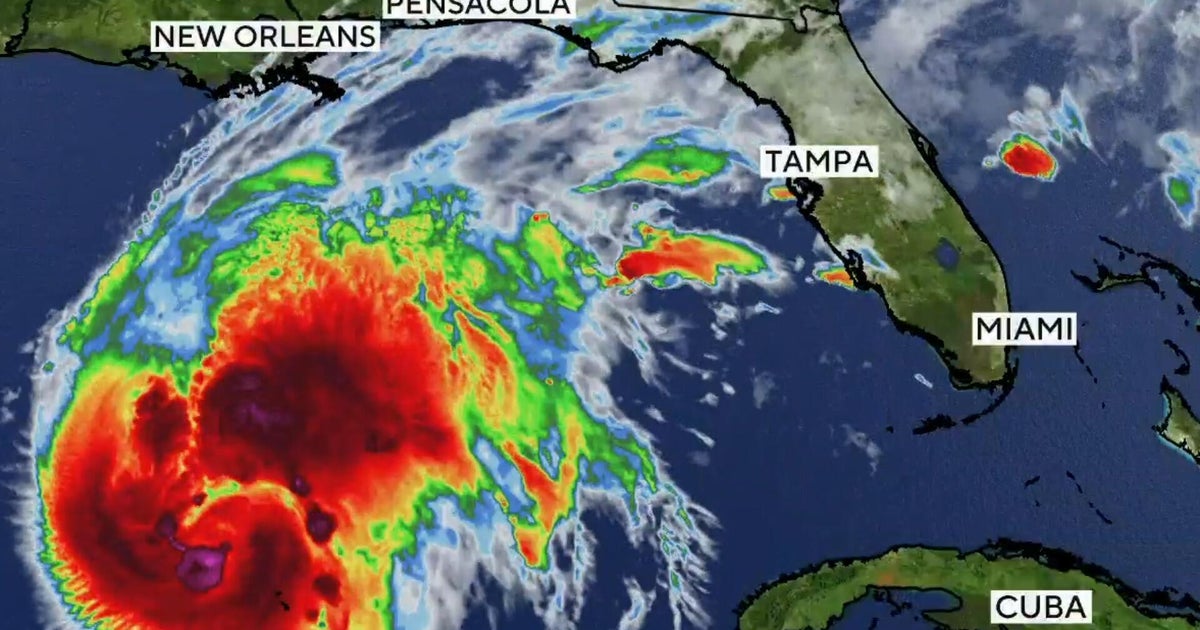
Forecasters predicted landfall between the Mississippi coast and the Florida Panhandle, potentially bringing heavy rains, storm surges, and dangerous winds. The National Hurricane Center warned of "multiple life-threatening impacts" including damaging hurricane-force winds and flash flooding from southeast Louisiana to Florida’s Big Bend area. Isaias could also cause disruptions in oil production along the Gulf Coast, affecting already high fuel prices.
Communities are preparing for potential tornadoes, storm surges up to 15 feet, and rainfall amounts of 3 to 7 inches across parts of Alabama, Mississippi, and Florida. Some areas have issued mandatory evacuations and closed schools ahead of Isaias' arrival, marking the first hurricane of an unusually quiet Atlantic season disrupted by a strong El Niño weather pattern.
Written for “Hurricane Isaias Hits US Gulf Coast” on 2026-10-10,
grounded in this article and the 60 other(s) covering the same event.
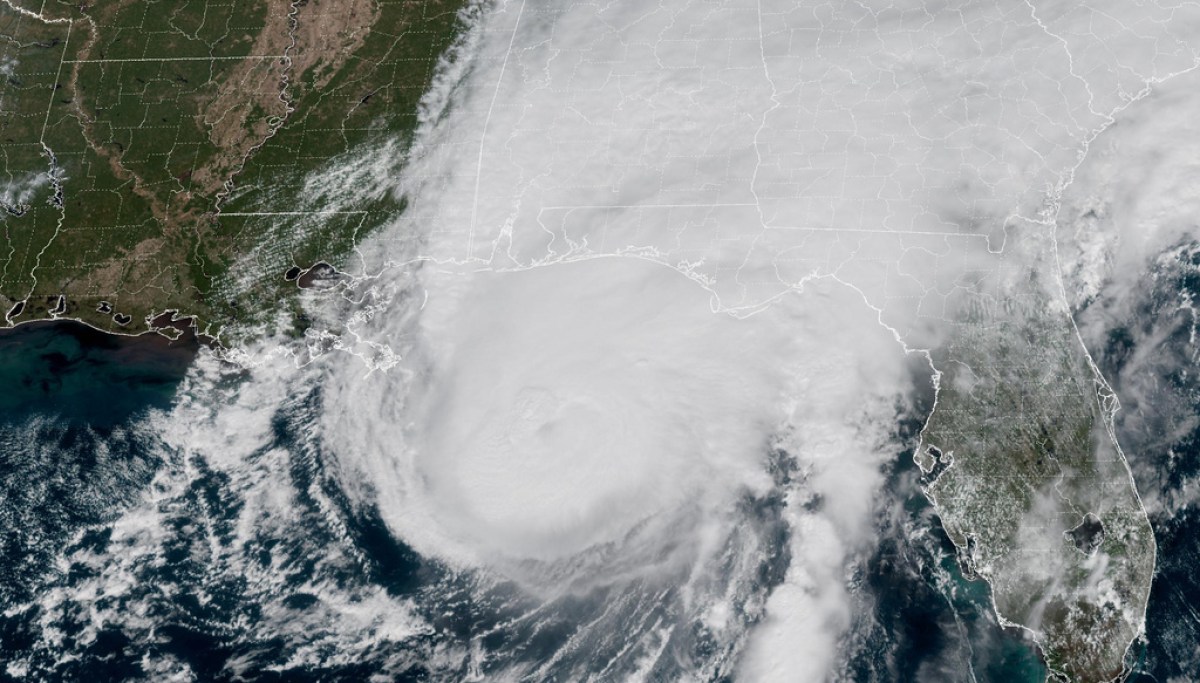
More than 726,000 people in Alabama and the Florida Panhandle have been left without power on Saturday after Hurricane Isaias crashed into the US Gulf Coast.
asserted
Isaias → leave → Coast
The storm made landfall Friday as a Category 2 hurricane, then quickly moved north through Alabama as its wind speeds dropped sharply, weakening to a post-tropical cyclone, the US National Hurricane Center said in its latest advisory.
But residents are bracing for flooding and gusty winds in Isaias’ aftermath as authorities warned of the potential for tornadoes.
asserted
authorities → make → tornadoes
The storm is expected to continue weakening but produce gusty winds well inland as the possibility of life-threatening storm surges still looms for parts of the Florida Panhandle.
asserted
possibility → expect → Panhandle
It will travel northwards across Alabama and over the Tennessee Valley later on Saturday, according to the National Weather Service.
uncertain
It → travel → Service
Forecasters also warned that conditions could stir up tornadoes across parts of the Florida Panhandle and into Georgia and the Carolinas.
uncertain
conditions → warn → Georgia
Isaias made landfall near Destin, Florida, as the first hurricane of the Atlantic season.
asserted
Isaias → make → season
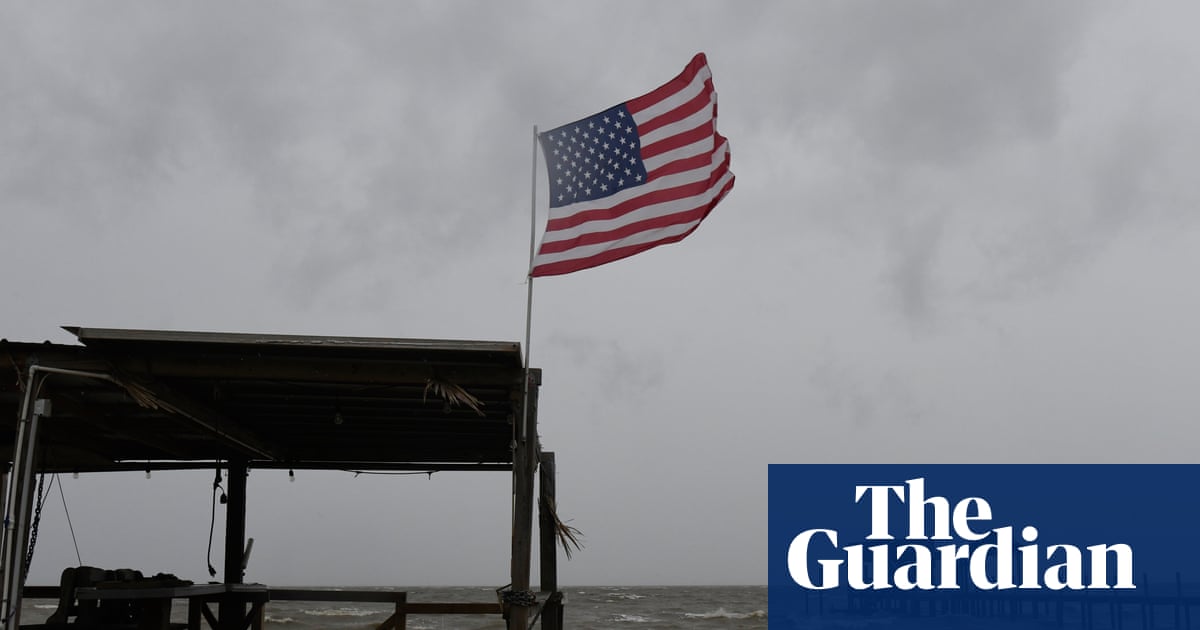
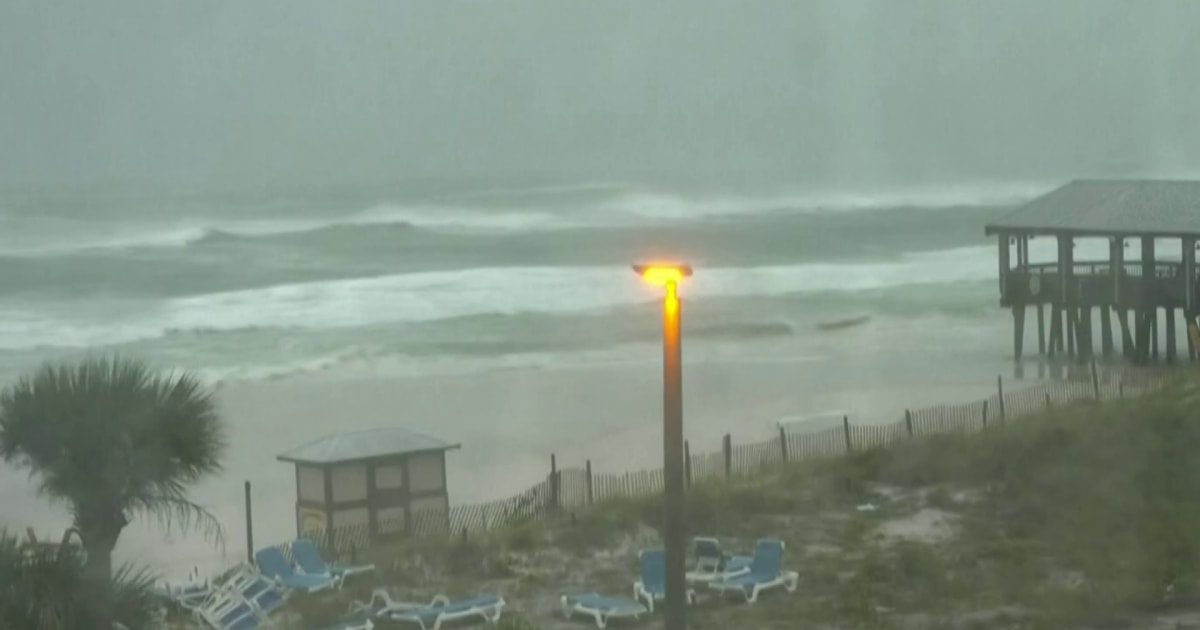
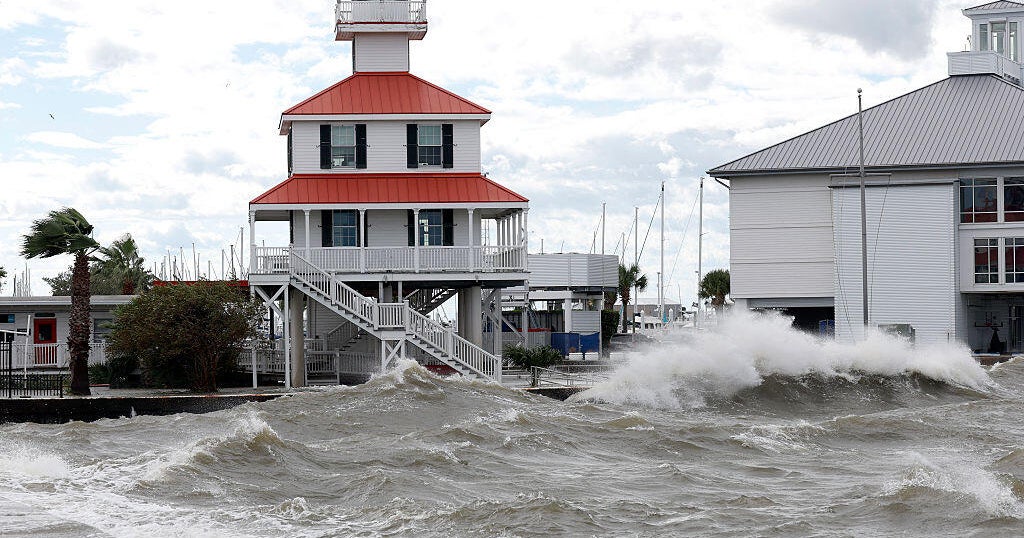
Hurricane-force winds lashed the Gulf shoreline in the low-lying coastal area known for powdery white-sand beaches dotted with vacation homes, waterfront bars, and seafood shacks.
asserted
winds → lash → homes
Don’t be getting out on the roads,” Florida governor Ron DeSantis said Friday.
asserted
DeSantis → get → roads
Roads in Destin were flooded, while in nearby Pensacola, police warned residents to stay off the streets because of debris across roadways.
asserted
police → flood → roadways
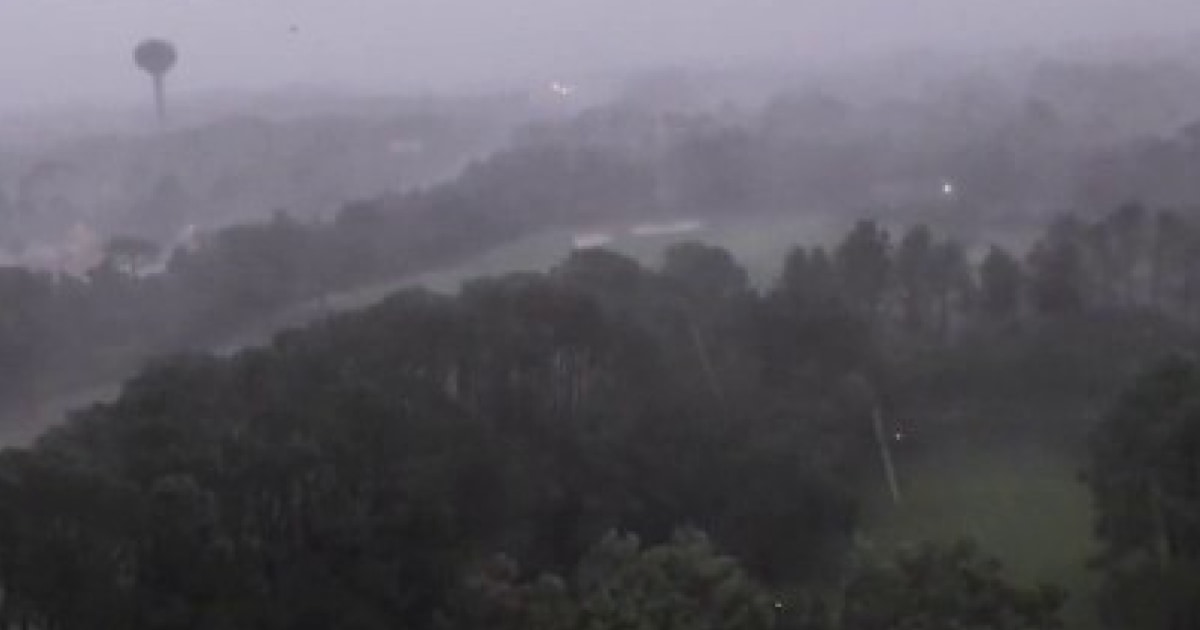
While the extent of the damage was not immediately known, many area residents posted pictures online of downed trees and power lines, and one social media video showed a roof being ripped off an inn in Pensacola.
asserted
roof → know → Pensacola
Some Panhandle counties temporarily suspended emergency response Friday night because of dangerous conditions.
asserted
counties → suspend → conditions
Parts of southern Alabama also were flooded, with officials in Mobile reporting downed trees and power lines.
asserted
Parts → flood → trees
Roads in Houston County, which is in the southeastern corner of the state, were closed because of similar conditions.
asserted
which → close → conditions
More than 726,000 customers in Florida and Alabama were without power early Saturday, according to poweroutage.com.
uncertain
customers → accord → poweroutage.com
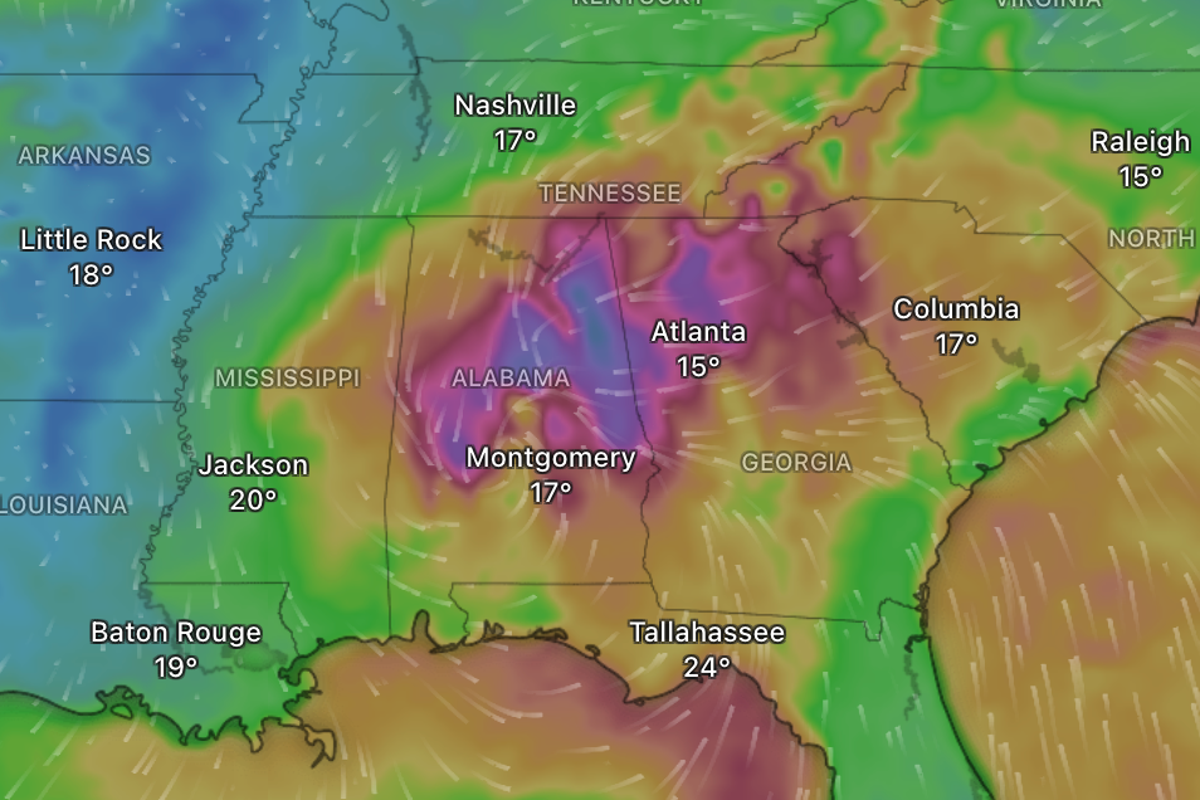
Despite weakening, heavy rain is forecast as Isaias moves inland, with 4 to 8 inches (10 to 20 centimeters) or even more expected through the weekend from southern Alabama, the Florida Panhandle and Big Bend, and southwest Georgia.
asserted
Isaias → weaken → Alabama
Isaias, the first hurricane to hit the eastern US since Milton tore up the Gulf Coast of Florida in 2024, is also expected to bring heavy rain and potential flooding to much of the Southeast over the weekend, then to parts of the Midwest and Northeast into Monday.
asserted
Milton → hit → Monday
The storm also grounded most Friday flights at several panhandle airports, including all flights into and out of Destin-Fort Walton Beach Airport.
asserted
storm → ground → Airport
President Donald Trump, meanwhile, scrapped his plans to attend Saturday’s football game between the University of Georgia and the University of Alabama in Tuscaloosa.
asserted
Trump → scrap → Tuscaloosa
He said he didn’t want to disrupt emergency response efforts.
asserted
he → say → efforts
Meanwhile, in the Pacific, Simon strengthened into a Category 4 hurricane as it approached Mexico’s coast.
asserted
it → strengthen → coast
Tropical Storm Rachel was also expected to bring heavy winds and rain to northern Mexico and Southern California over the weekend.
asserted
Rachel → expect → weekend
 The Aporia