The Aporia
The Aporia
The Aporia
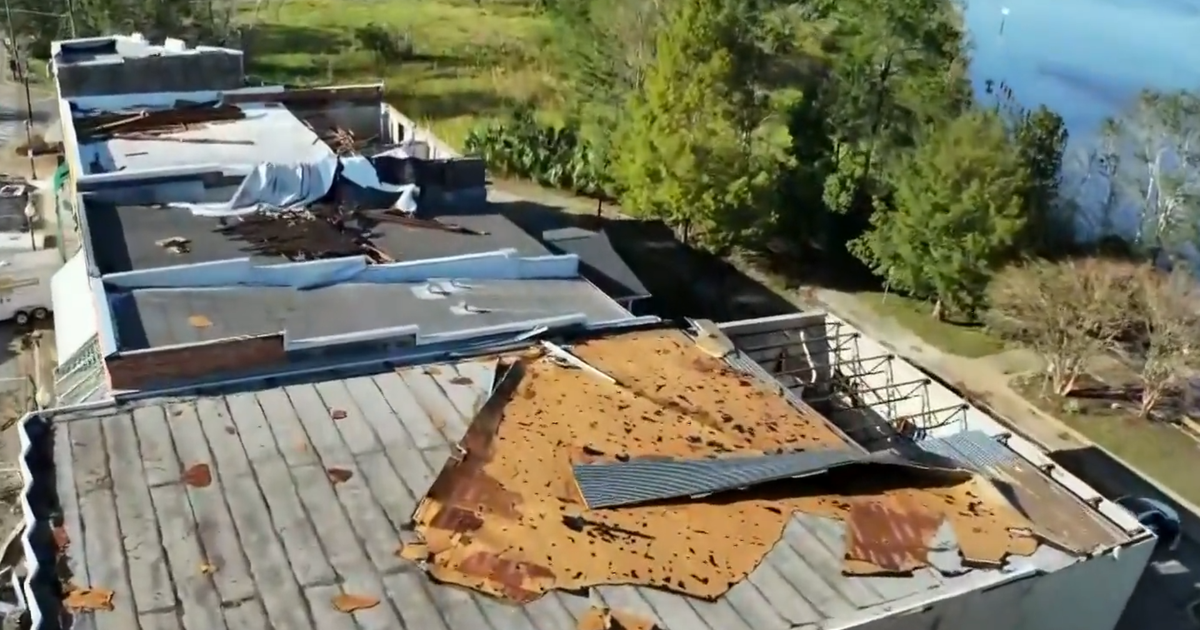
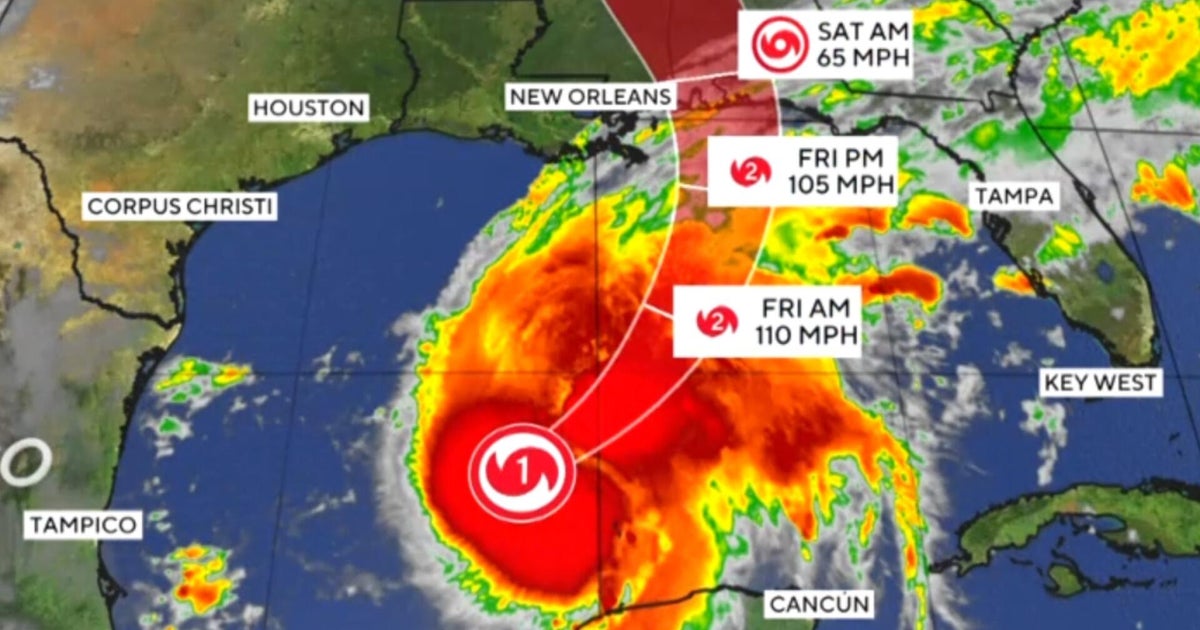
Tropical Storm Isaias formed off the coast of eastern Mexico on October 7, 2026, and was expected to intensify into a hurricane by Thursday. The storm was located about 460 miles southwest of the Mississippi River’s mouth with maximum sustained winds of 40 mph, moving east-northeast at 8 mph. By late Wednesday evening, it had strengthened into Hurricane Isaias, becoming the first Atlantic hurricane of the season.
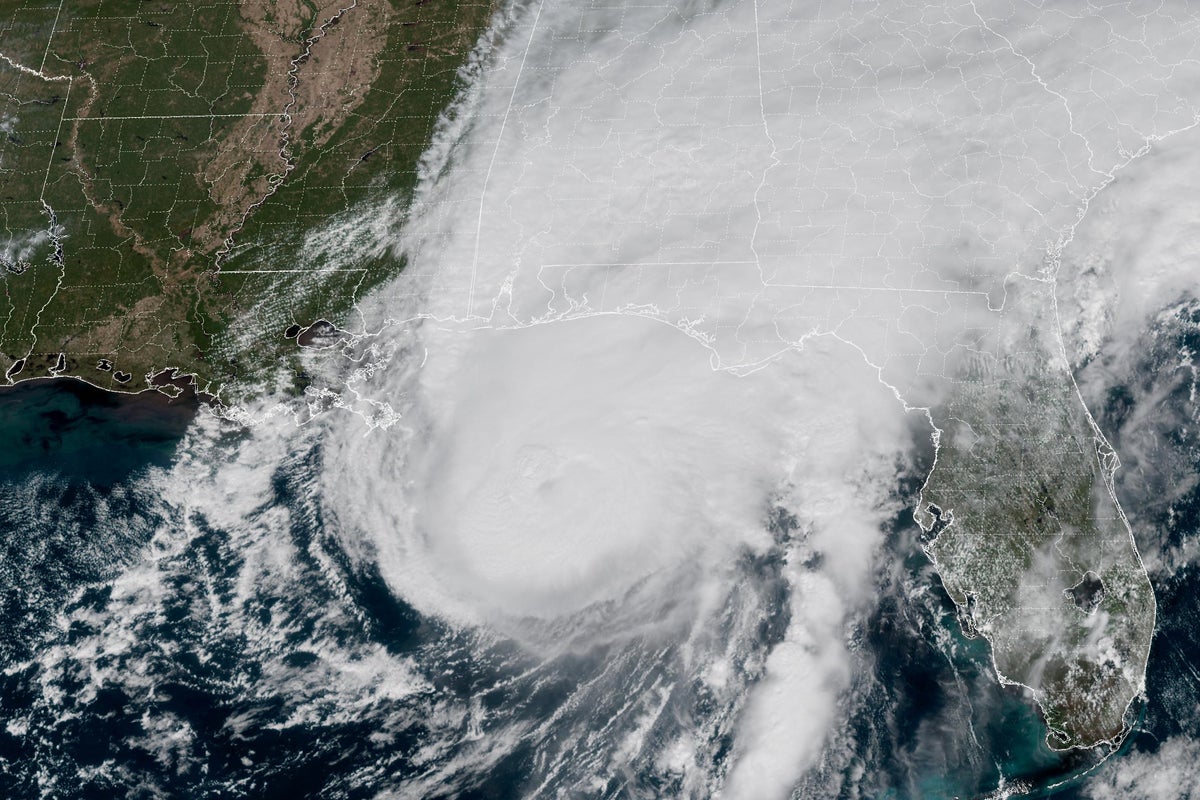
Forecasters predicted that the storm would make landfall between the Mississippi coast and Florida's Panhandle by Friday or Saturday, bringing heavy rains, potential flash flooding, dangerous wind conditions, and a life-threatening storm surge. As of Thursday, it was about 460 miles south-southwest of the Mississippi River mouth with maximum sustained winds around 75 mph.
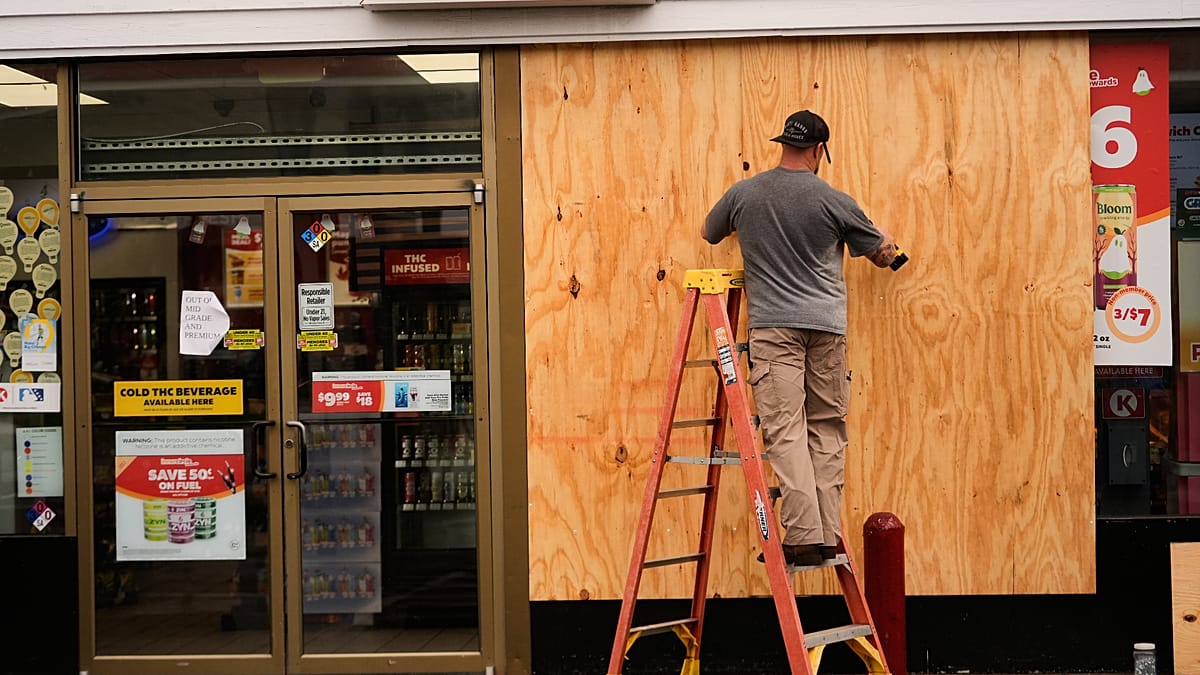
Florida Governor Ron DeSantis declared a state of emergency for 25 counties in anticipation of potential severe weather impacts. Schools were closed and mandatory evacuations ordered in some coastal areas. The strong El Niño pattern had otherwise suppressed hurricane activity, but Isaias nearly tied the record for the latest-forming first Atlantic hurricane set on October 8, 1905.
The storm could also disrupt oil production along the Gulf Coast, contributing to already high fuel prices.