After thousands of deaths, first responders are still navigating health effects 25 years post-9/11
More than 9,400 people have died from 9/11-related illnesses.
asserted
people → navigate → illnesses
When Michael O'Connell found out he had been accepted into the New York City Fire Department, he was elated.
asserted
he → find → Department
O'Connell had started his career as a police officer, but he always had more of an interest in becoming a firefighter.
asserted
he → start → interest
"It was more my speed," O'Connell told ABC News.
asserted
O'Connell → tell → News
It's where I wanted to be."
asserted
I → want → ?
O'Connell was sworn into the FDNY as a probationary firefighter.
asserted
O'Connell → swear → firefighter
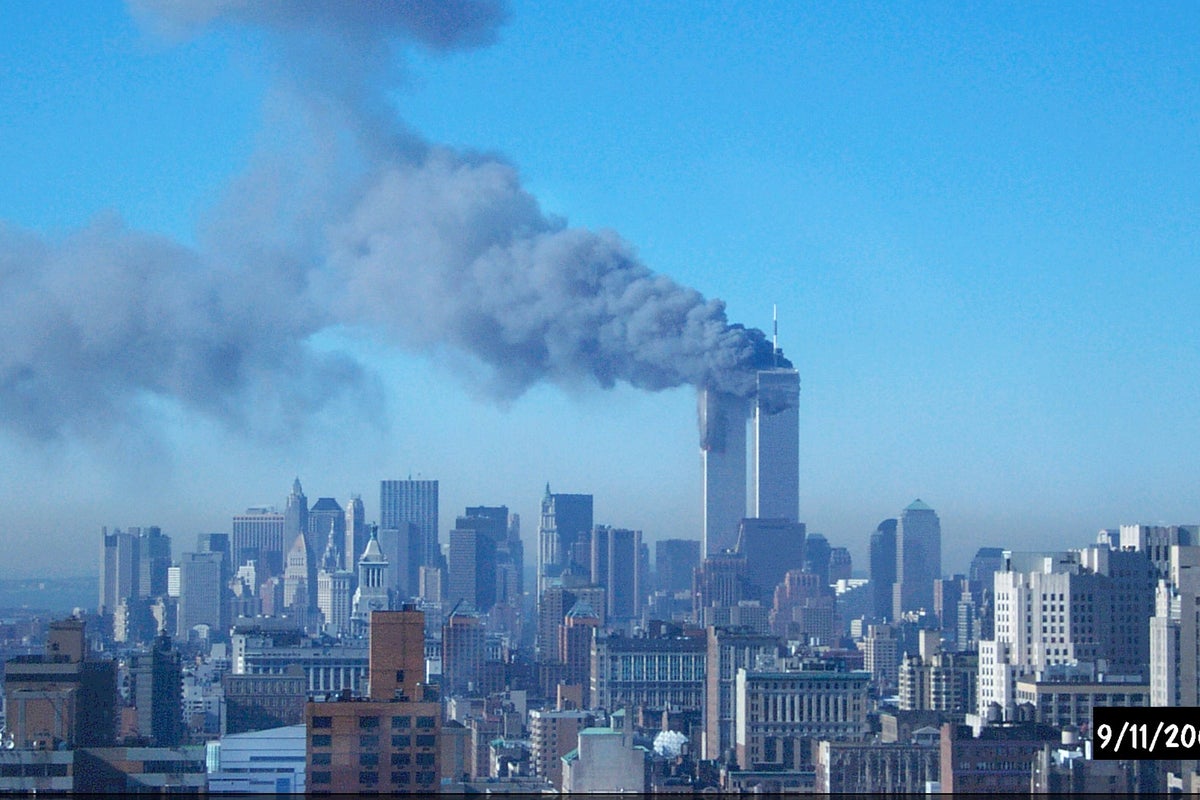
Just four months later, he was deployed to lower Manhattan on Sept. 11, 2001, following the terrorist attack at the World Trade Center.
asserted
he → deploy → Center
For several weeks, O'Connell said he didn't go home.
asserted
he → say → weeks
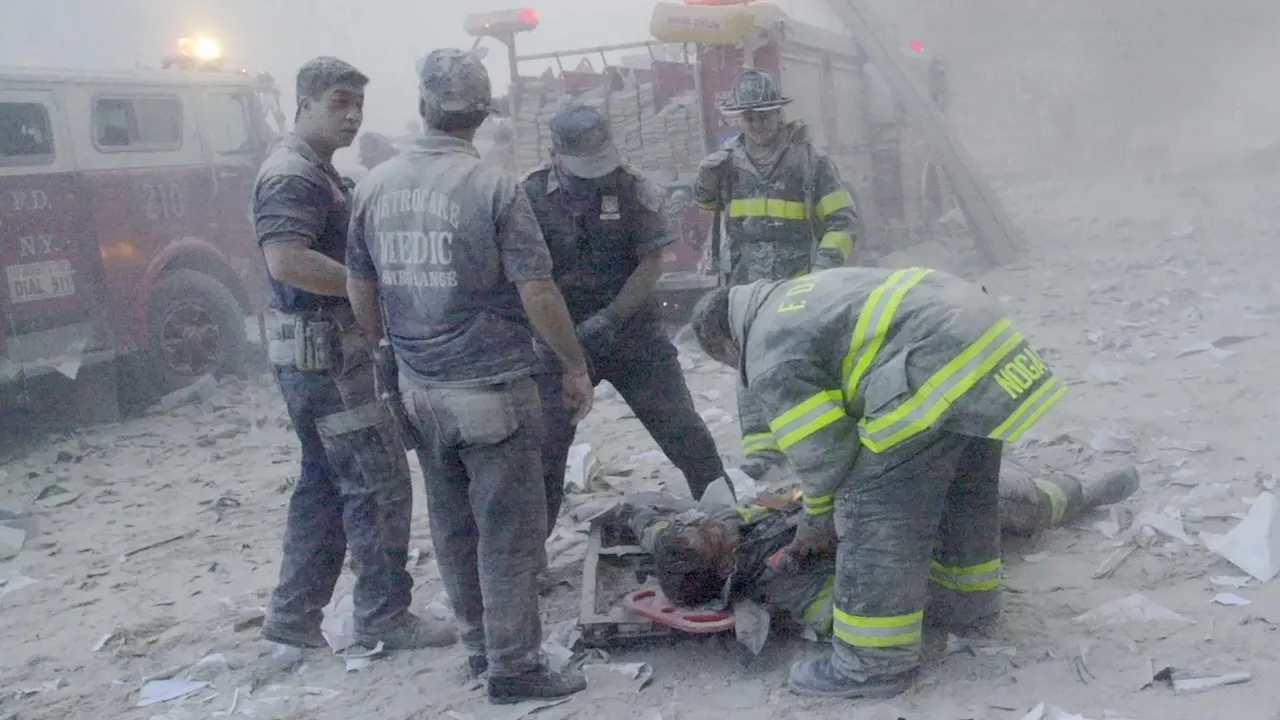
He went back-and-forth between his firehouse and ground zero, extinguishing fires amid the rubble and engaging in search-and-rescue operations.
asserted
He → go → operations
O'Connell started hearing about fellow firefighters who worked at the site being diagnosed with asthma or cancer but didn't experience any health problems himself until New Year's Day 2007, when he says he woke up in severe pain.
asserted
he → start → pain
"My body inflamed two times the size of what it was," O'Connell said.
asserted
O'Connell → inflame → size
"I didn't know what was going on ... and I had like bruises and blisters all over my body."
asserted
I → know → body
O'Connell said he was eventually diagnosed with sarcoidosis, a multi-system inflammatory disease that typically affects the lungs, skin and lymph nodes, and his doctors believe is linked to his exposure to toxins at ground zero.
asserted
doctors → say → ground
It's estimated that 400,000 people were exposed to toxic dust, smoke and debris; risk of physical injury; and physically and emotionally stressful conditions from 9/11 and the aftermath, according to the World Trade Center Health Program.
uncertain
people → estimate → Program
At least 69 cancers -- including breast, prostate, skin and head and neck -- have been certified as being linked to 9/11 as have airway and digestive disorders, musculoskeletal disorders and mental health conditions, according to the WTC Health Program.
uncertain
disorders → include → Program
More than 9,400 people have died from 9/11-related illnesses -- according to recently published data from the WTC Health Program -- which is three times higher than the 2,977 who died in the attacks in New York, at the Pentagon and in Shanksville, Pennsylvania.
uncertain
who → die → Shanksville
Data from the WTC Health Program shows about 50,000 cancer diagnoses have been certified.
asserted
diagnoses → show → Program
Many of these people are members of the FDNY and NYPD who responded to the attacks or assisted in cleanup operations, but they also include civilians -- those who lived, worked, went to school or passed through the area.
asserted
who → respond → area
"The truth is, 9/11 didn't end on 9/11," Michael Barasch, managing partner at Barasch & McGarry, a law firm that specializes in helping 9/11 responders and survivors get compensation and health benefits, told ABC News.
asserted
responders → end → News
"I personally lost dozens of clients, mostly firefighters and police officers, on 9/11, but I have lost thousands of clients since."
"9/11 Tribute in Light: Live from Lower Manhattan," a one-hour ABC News multiplatform live special, premieres on Friday, Sept. 11, at 8:00 p.m. EDT across ABC, Disney+, Hulu, National Geographic, ABC Owned Television Stations livestreams and ABC News Live.
asserted
Tribute → lose → ABC
Responding to ground zero
asserted
Responding → respond → ground
On the morning of 9/11, Thomas Wilson, an NYPD sergeant, was investigating a burglary of an elderly couple in Brooklyn when calls came in over his radio that an object had hit the World Trade Center.
asserted
object → investigate → Center
Wilson replied that he was heading to the Williamsburg Bridge.
asserted
he → reply → Bridge
"I said goodbye to that couple, 'I'll come see you later on to take that report,'" Wilson told ABC News.
asserted
Wilson → say → News
Wilson said he shut down the Williamsburg Bridge on the Manhattan side while his colleague shut down the Brooklyn side.
asserted
colleague → say → side
The assignment went from facilitating the movement of vehicles over the bridge to securing it as people fled from Manhattan over the bridge on foot.
asserted
people → go → foot
"I don't know how many thousands upon thousands of people crossed the bridge that day," Wilson said.
asserted
Wilson → know → bridge
"I'm still haunted.
asserted
I → haunt → ?
That mass exodus out of Manhattan still sticks with me."
asserted
exodus → stick → me
When O'Connell, the firefighter, got down to the site, he said he was instructed to help shut down the water mains, and then he climbed on the rubble to assist in search and rescue.
asserted
he → get → search
Throughout the day, O'Connell remembers hearing alarms.
asserted
O'Connell → remember → alarms
He said that attached to the Scott Air-Pak, a self-contained breathing apparatus that firefighters wear, is a Personal Alert Safety System (PASS) Alarm, which sits on the chest and tracks movement.
asserted
which → say → movement
If a firefighter stays still for 20 to 30 seconds, it emits a loud beep to help colleagues locate them.
asserted
colleagues → stay → them
"That's all you heard were those alarms when we first got there.
asserted
we → hear → ?
Nothing but PASS Alarms," O'Connell said.
asserted
O'Connell → say → Alarms
"As a fireman, when you hear it, you're meant to act and try your best to get to that person.
asserted
you → hear → person
John Feal, a demolition supervisor at ground zero who arrived on site on Sept. 12, also remembers the PASS Alarms going off.
asserted
Alarms → arrive → Sept.
"I don't care who you are, you're not programed ... to see that kind of devastation of that magnitude," he told ABC News.
asserted
he → care → News
"I've never witnessed anything like that in my life, nor do I wish I ever see anything like that again.
asserted
I → witness → that
Wilson said he contributed to recovery efforts at ground zero, where he says he spent about 350 hours, and later as a sifter at Fresh Kills Landfill on Staten Island, which was temporarily reopened as a sorting ground for some of the ground zero rubble.
asserted
which → say → rubble
…and 100 more, not listed.
 The Aporia