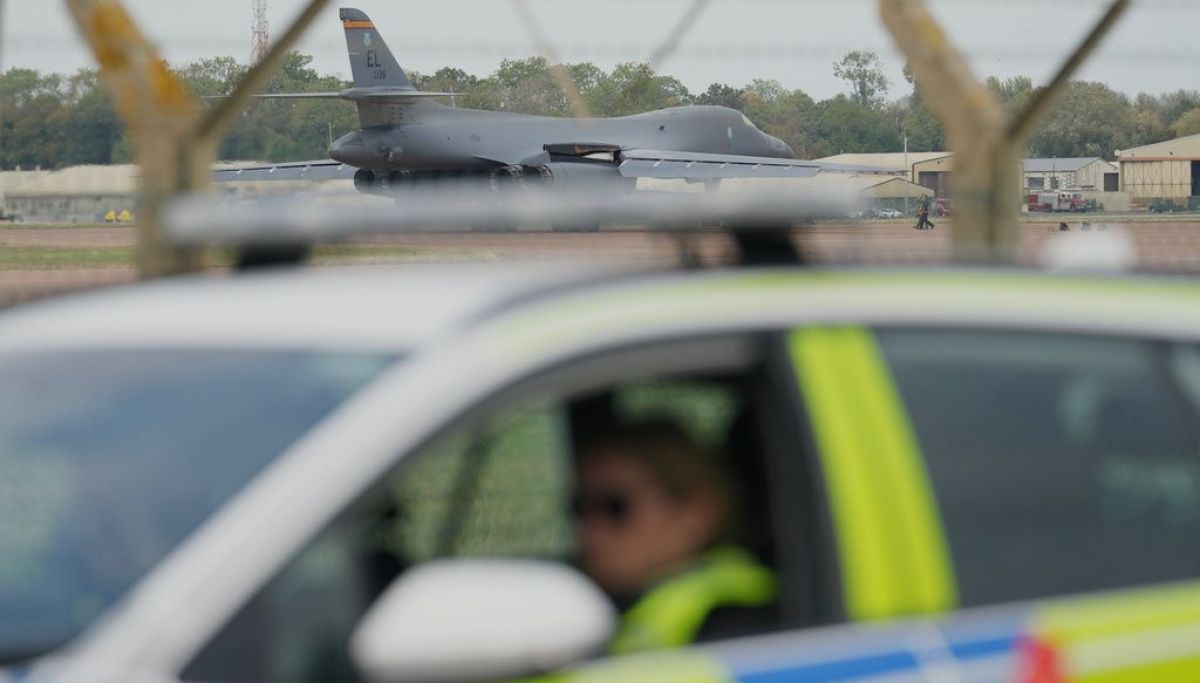
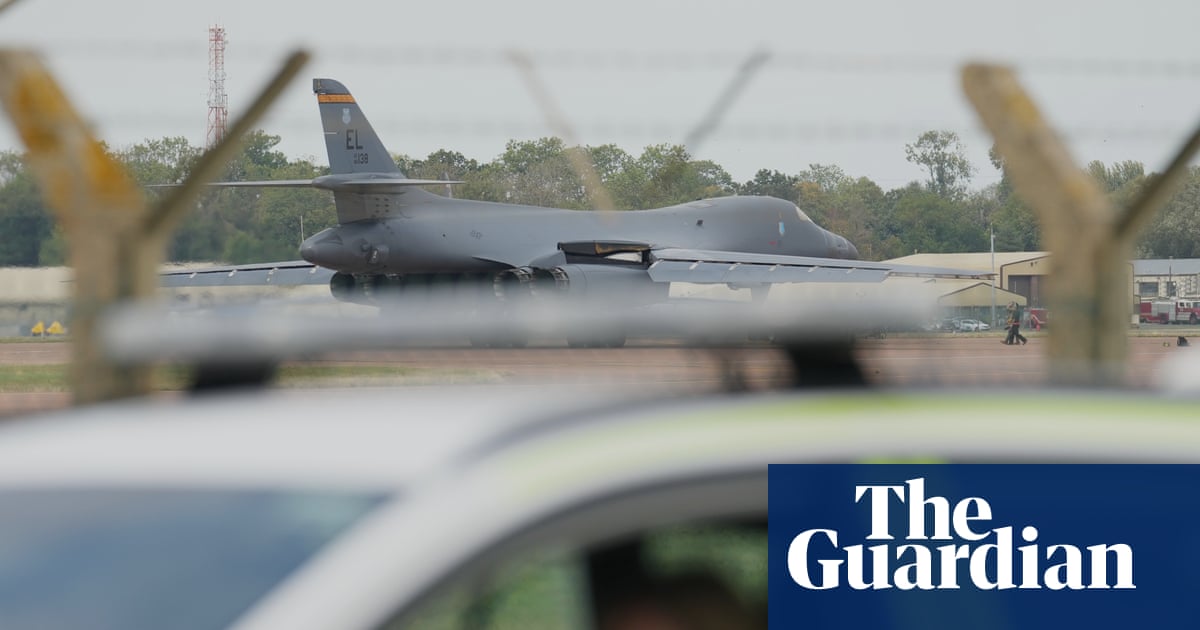
The U.S. military’s decision to pull its B-1 bombers from a base in the United Kingdom is representative of the growing threat the Air Force has to contend with when it comes to defending its aircraft — not while they’re in the sky, but when they’re on the ground.
asserted
they → pull → ground
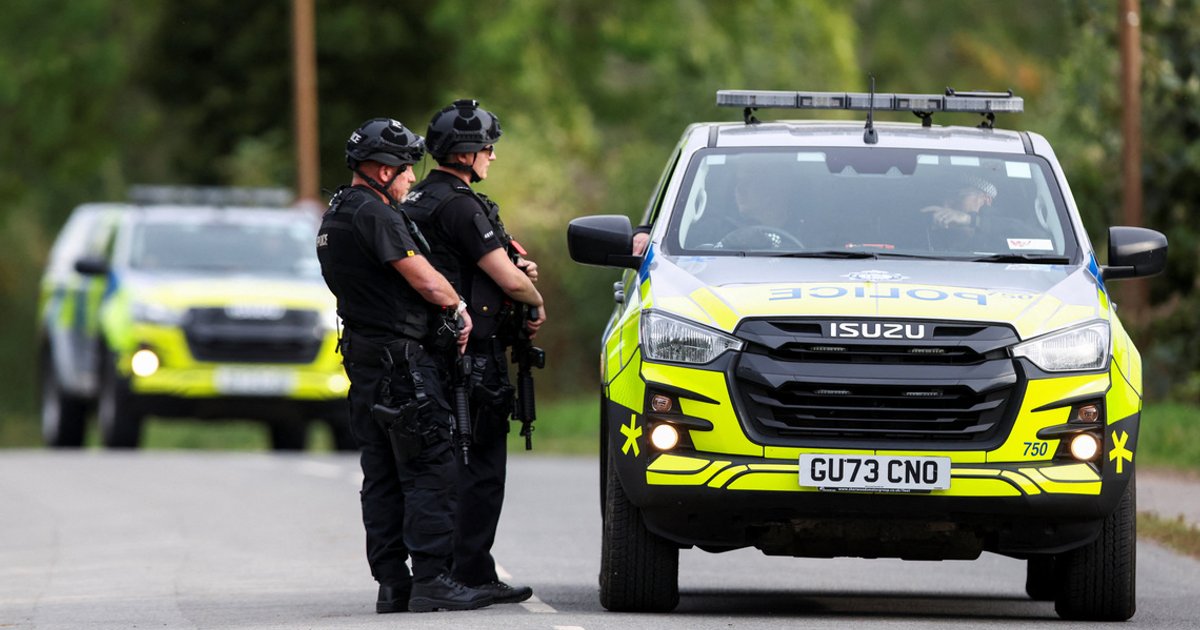
President Donald Trump said the dozen bombers brought back stateside from Royal Air Force Fairford were due to “some threats,” and he warned that Iran would “suffer greatly” if they had smuggled attack drones into the U.K. for an attack targeting the base.
asserted
they → say → base
It came days after U.K. authorities thwarted an apparent terrorist plot tied to Iran, which has resulted in the arrests of a half dozen individuals.
asserted
which → come → individuals
“We remain highly vigilant to potential threats against defense sites and work closely with the police and our allies to keep them secure,” a British official told the Washington Examiner.
asserted
official → remain → Examiner
The protection of our bases is kept under constant review, with a multi-layered approach that includes physical barriers, patrols, surveillance, monitoring, and counter-drone capabilities.”
asserted
that → keep → barriers
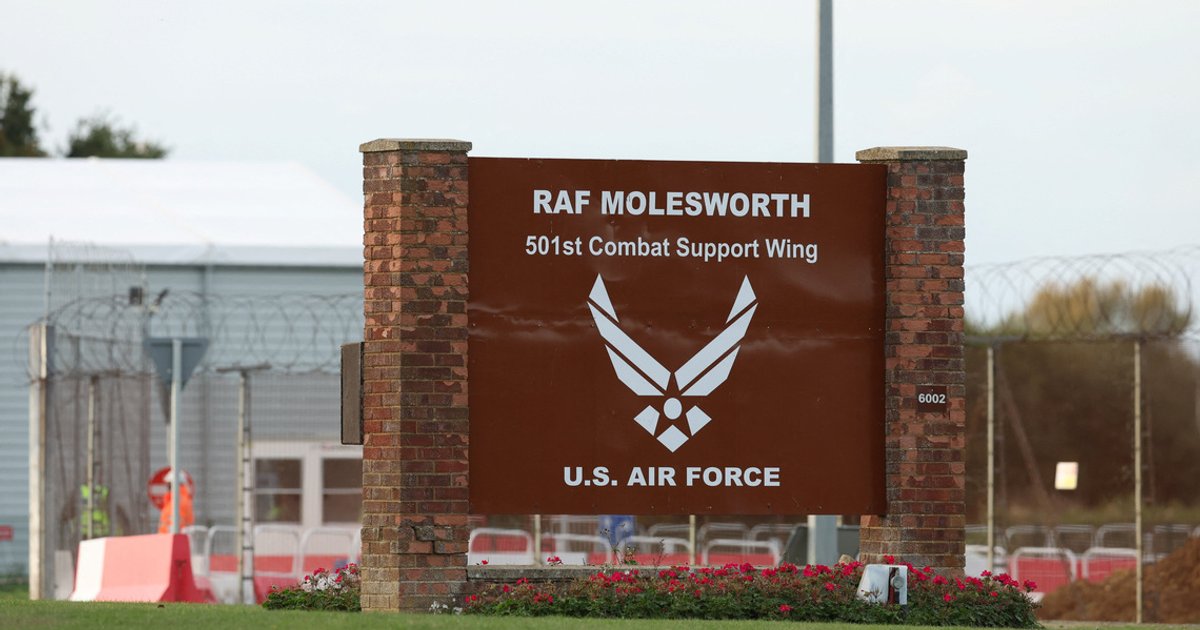
On Thursday, U.K. authorities arrested two Latvian men for trespassing into RAF Molesworth in Cambridgeshire, though it’s unclear whether there is any connection between the two incidents.
uncertain
it → arrest → incidents
“We know we face a range of threats from foreign states, including Iran — often using proxies and criminal networks to hide their involvement,” the British official added.
asserted
official → know → involvement
“The U.K. have taken action so we can detect and disrupt that activity and uphold our national security — including new powers and record funding for our police and security services.
asserted
we → take → services
And we have changed the law to designate Iran’s IRGC and other Iranian proxy groups.”
asserted
we → change → IRGC
The decision to pull American bombers out of Europe follows the decision for the United States to evacuate some of its military bases in the Middle East due to the war in Iran, which were targeted and damaged in many cases.
asserted
which → pull → cases
Last month, acting Navy Secretary Hung Cao acknowledged that Iranian forces “blew the hell out of Bahrain,” which was a reference to Naval Support Activity Bahrain, home of the U.S. 5th Fleet.
asserted
which → act → Fleet
The U.S. military still has the ability to carry out strikes on Iran from aircraft that leave from the continental U.S., as proven with last year’s Operation Midnight Hammer, where B-2 bombers left from Whiteman Air Force Base in Missouri and flew round-trip for roughly 37 hours.
asserted
bombers → have → hours
The Air Force can refuel its aircraft midair, extending their range.
asserted
Force → refuel → range
These bombers can strike from the United States.
asserted
bombers → strike → States
Iran does not get a veto on American airpower because it can hire a few men and a van,” Morgan Murphy, a former White House official in this Trump administration who also worked in the Pentagon during the first Trump term, told the Washington Examiner.
asserted
who → get → Examiner
“As we saw from Ukraine’s spiderweb attack, a thousand-dollar drone can now kill a half-billion-dollar airplane and the crew walking to it,” Murphy added.
asserted
Murphy → see → it
“Every base holding high-value aircraft needs layered detection, weapons that kill the drone in seconds, hardened shelters, and rules of engagement that let a sentry shoot without a conference call.
asserted
sentry → hold → call
If a base can generate sorties against Iran, it is on the list.
asserted
it → generate → list
Ramstein, Spangdahlem, Aviano, Lakenheath — the [Islamic Revolutionary Guard Corps] does not need a submarine.
asserted
Corps → need → submarine
It needs a recruit, a rented van, and a drone you can buy online.
asserted
you → need → recruit
Host nations that want American protection have to harden the fence.
asserted
that → want → fence
We will not leave our people as static targets so Europe can pretend this is someone else’s war.”
asserted
this → leave → targets
A recent Congressional Research Service report found that 81 U.S. aircraft, both those that require a human pilot and large drones, have been damaged or destroyed since the start of the war, more than half of which are MQ-9 Reaper drones.
asserted
half → find → which
The MQ-9 drones are unmanned intelligence, surveillance, and reconnaissance aircraft that can be deployed in ways too dangerous for U.S. troops.
asserted
that → deploy → troops
The CRS report notes that eight F-15s sustained limited damage while an A-10 had more extensive damage in an Iranian strike on Muwaffaq Salti Air Base in Jordan in September, seemingly while they were on the ground.
asserted
they → note → ground
Similarly, an Iranian attack in mid-March damaged five KC-135 aircraft at Prince Sultan Air Base in Saudi Arabia.
asserted
attack → damage → Arabia
Two weeks later, in a subsequent attack on the same base, an E-3 Sentry early warning-and-control system aircraft was destroyed.
asserted
aircraft → destroy → base
A Congressional Budget Office report from last month estimated that the total cost of equipment losses as of the start of August was between $1.9 billion and $3.3 billion, depending on the military’s plans for replacements.
asserted
cost → estimate → replacements
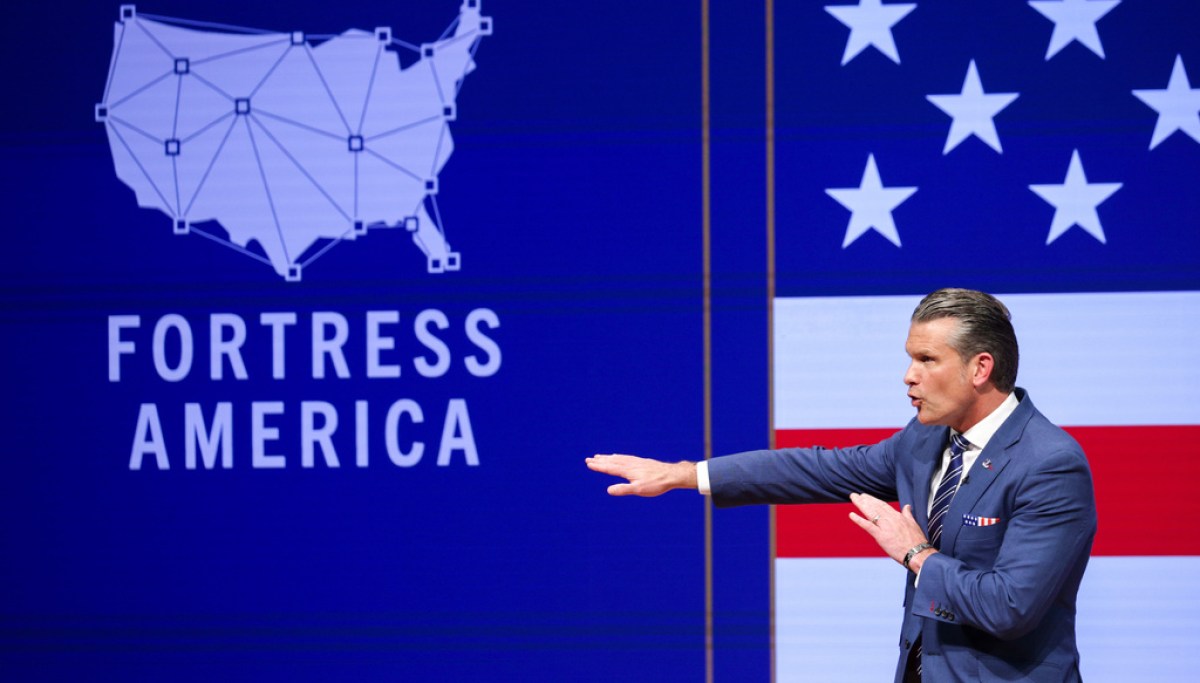
Both President Donald Trump and Secretary of War Pete Hegseth have routinely said the U.S. military has destroyed Iran’s air force and navy, yet the Iranians still have the capabilities to carry out asymmetric attacks, like the foiled RAF Fairford plot.
asserted
Iranians → say → plot
The Ukrainians carried out a daring and infamous attack on Russian fighter aircraft on June 1, 2025, that demonstrated the vast capabilities of drones and how they can be used to take out much more expensive equipment.
asserted
they → carry → equipment
In Operation Spiderweb, Ukraine smuggled drones into Russia on the back of a truck, unbeknownst to the driver.
asserted
Ukraine → smuggle → driver
Once the driver got to the Ukrainians’ intended destination, they activated the drones from the back of the vehicle and launched them at multiple Russian military bases nearby.
asserted
they → get → bases
Former Army Secretary Dan Driscoll estimated that the Ukrainian drones used in the attack, which he speculated cost in total less than $1 million, caused more than $1 billion worth of damage to Russian aircraft.
asserted
he → estimate → aircraft
Aware that these threats will continue to evolve, the Air Force recently announced the creation of a new career path for airmen in point defense, which is the military concept of protecting specific areas or critical assets from attack.
asserted
which → continue → attack
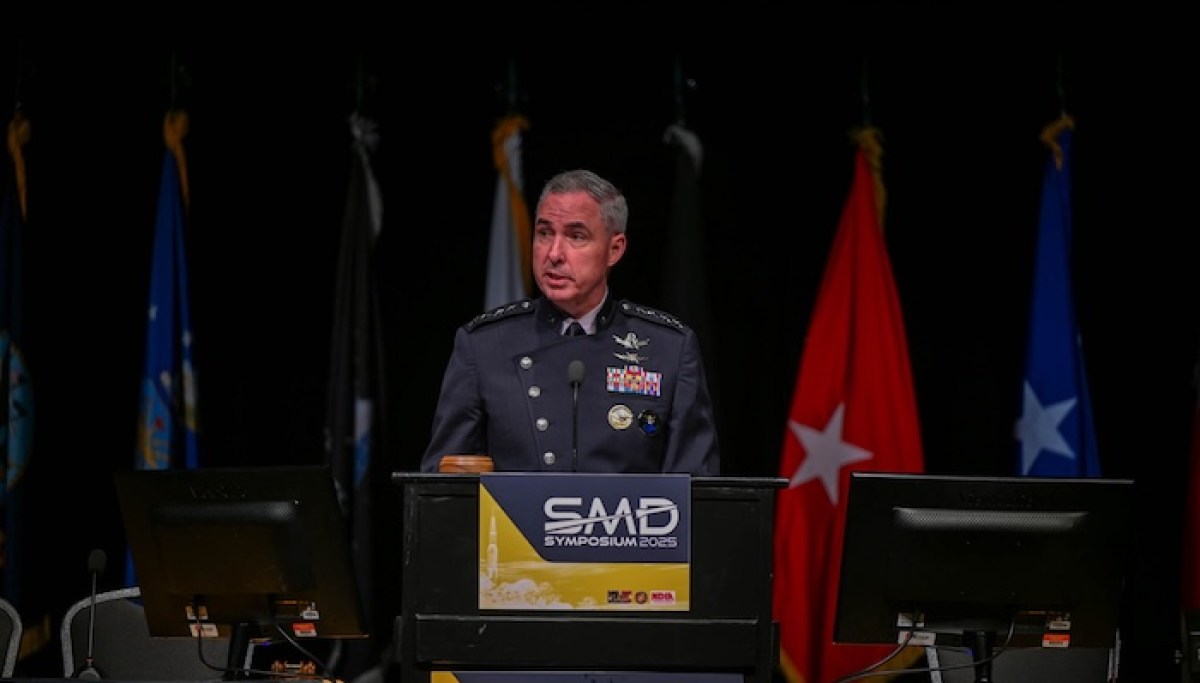
“We can no longer treat point defense as a side hustle,” Air Force chief of staff Ken Wilsbach said last month.
asserted
Wilsbach → treat → staff
“We must make it a core function of air and space power.”
asserted
it → make → power
“If every base is going to be threatened, we have to have somebody that knows how to defend it.
asserted
that → go → it
So obviously that’s a long-term objective,” Wilsbach told the Washington Examiner.
asserted
Wilsbach → ’ → Examiner
“But what I’ll tell you for right now is we’re going to develop the career field and push it forward to the most critical bases that need protecting most.”
asserted
that → tell → bases
 The Aporia