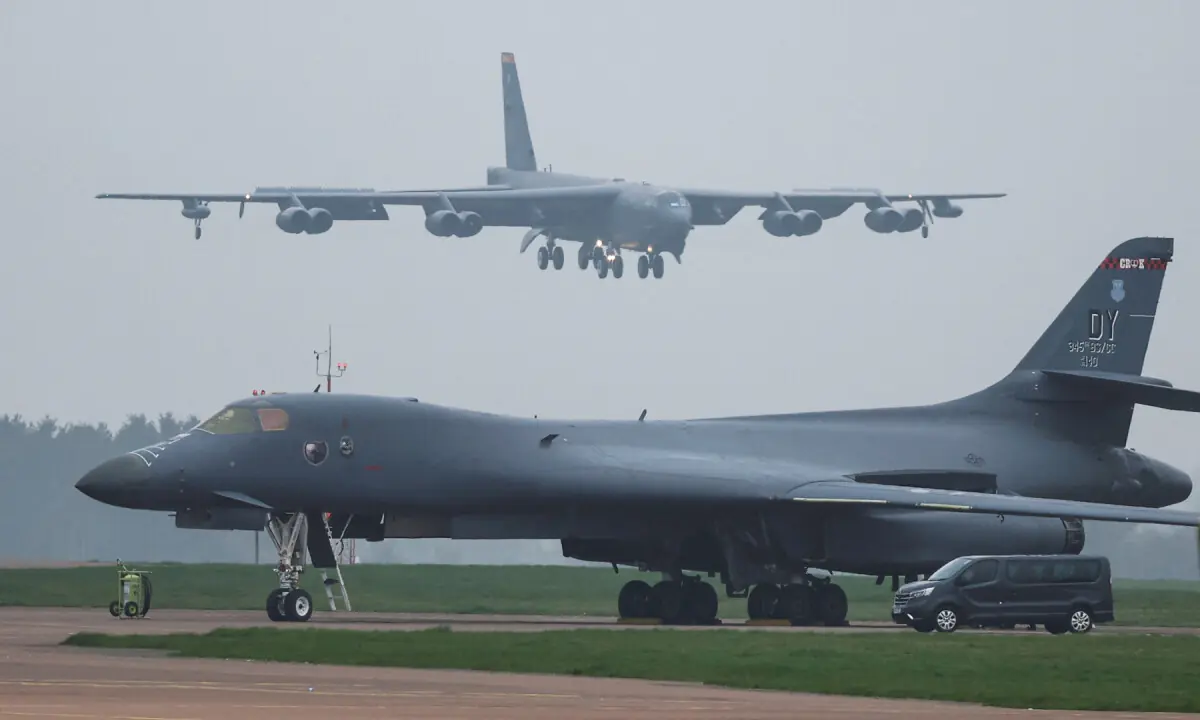
The United States recently evacuated B-1 bombers from a UK air base due to potential Iranian drone attacks, highlighting vulnerabilities in US military bases across the region. These attacks have caused significant damage and forced evacuations at multiple facilities in Bahrain, Qatar, Kuwait, the UAE, and Saudi Arabia. The article emphasizes that these incidents expose critical deficiencies in protecting American assets and suggests that innovative strategies are needed to secure bases while maintaining a strategic presence in the Persian Gulf.
Written locally by qwen2.5:14b on 2026-10-10,
using this article's own text rather than the other coverage of the
same event (that is the story summary below).
Winston Churchill said that “wars are not won by evacuations” — and sometimes, he might have added, they are simply embarrassing.
uncertain
they → say → evacuations
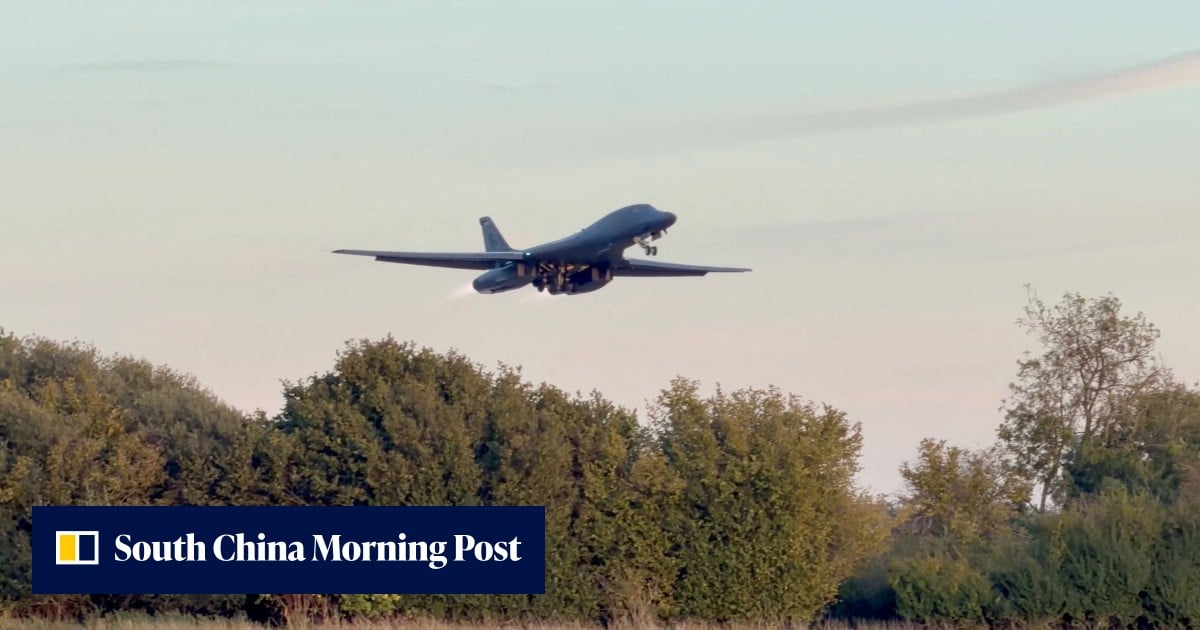
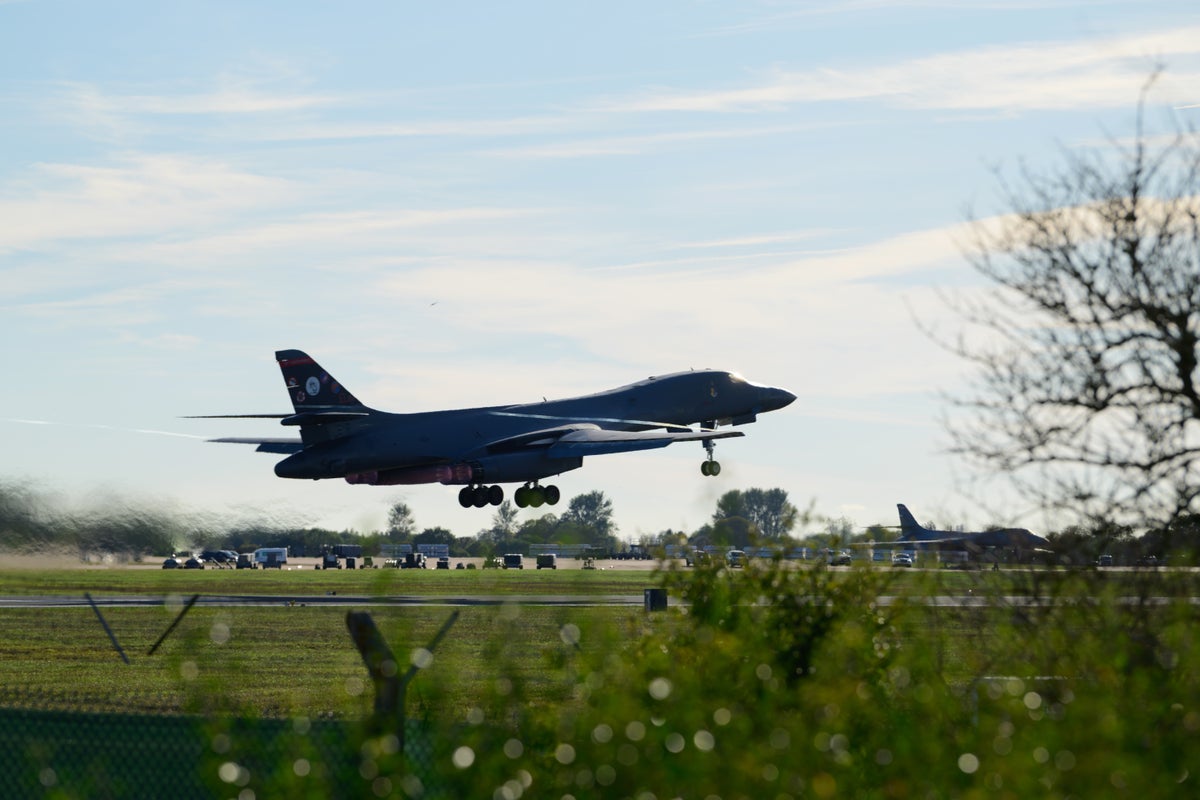
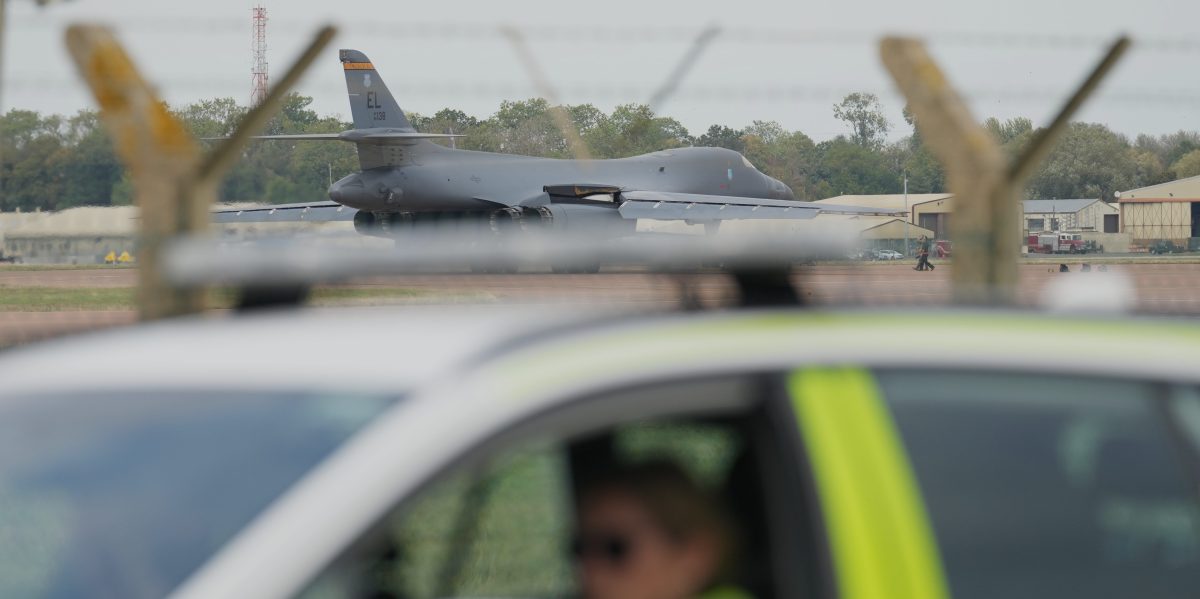
The United States hastily flew its B-1 bombers out of the UK’s Fairford air base last week for fear of a potential Iranian drone attack.
asserted
States → fly → attack
It was the latest in a series of successful Iranian operations aimed at crimping US bases, this time more than 2,000 miles away from Iran itself.
asserted
It → aim → Iran
President Donald Trump has found — by opening a channel to shipping in the Strait of Hormuz and blockading Iran — a strategy to pressure Iran that may yet produce a favorable outcome to the war.
But the conflict has exposed glaring US military deficiencies, with our inability to protect our bases in the region and elsewhere high on the list.
uncertain
inability → find → list
Acting Navy Secretary Hung Cao has said the Iranians “blew the hell out of Bahrain,” referring to the headquarters of the Fifth Fleet in the tiny Gulf kingdom.
asserted
Iranians → act → kingdom
They’ve also hit US facilities in Qatar, Kuwait, the UAE and Saudi Arabia.
asserted
They → hit → Qatar
The vast majority of US casualties in the ongoing war have resulted from attacks on our bases.
asserted
majority → result → bases
It once seemed that having so many bases in proximity to Iran was useful to containing the Islamic Republic — but when Tehran began firing on these facilities, it became clear that their locations made them vulnerable targets.
asserted
them → seem → facilities
Camp Arifjan in Kuwait, where buildings and radar domes got hit, is just over 60 miles away from the Iranian border.
asserted
buildings → hit → border
A number of bases have been fully or partly evacuated, and US operations have felt the effects.
asserted
operations → evacuate → effects
One reason that there was so much strain on the USS Abraham Lincoln during its lengthy deployment is that Bahrain was no longer available as a supply hub.
asserted
Bahrain → be → hub
The Navy had to rely on facilities in Diego Garcia and Singapore instead, creating a supply chain thousands of miles long.
asserted
Navy → have → miles
The Iranian missile and drone threat to our bases was foreseeable, and yet we didn’t do enough to protect them.
asserted
we → do → them
One option now is a broad pullback of our presence in the region, but so long as hydrocarbons power the modern economy, this is a non-starter.
asserted
this → power → economy
The Gulf states would have an incentive to look elsewhere for strategic partners, most worryingly to Russia or China, and might conclude that they should do more to accommodate an Iran that would have effectively chased us from the Persian Gulf.
uncertain
that → have → Gulf
The answer to the threat to the bases is the same thing that created the threat in the first place — innovation.
asserted
that → create → place
We’ve long had bases in the Gulf, including a naval command headquarters in Bahrain since 1948, but the purpose and the nature of the US presence has changed over time.
asserted
purpose → have → time
As Kristian Alexander writes in an analysis for the Stimson Center, during the Cold War we didn’t have a large land presence at our Gulf bases — but after Saddam Hussein’s 1990 invasion of Kuwait, that changed.
asserted
that → write → Kuwait
Today, the question is how to reconfigure our presence once again to make it more defensible and sustainable.
asserted
it → reconfigure → presence
“US bases,” Alexander writes, “remain indispensable for intelligence collection, command and control, maritime security, air and missile defense, logistics and long-range power projection.
asserted
Alexander → write → collection
One option is to locate more facilities in Israel.
asserted
option → locate → Israel
Elliott Abrams of the Council on Foreign Relations points out that the Jewish state is much further away — more than 1,000 miles from Iran — and would impose fewer restrictions on our access and overflight rights.
But we still require bases in the Gulf.
asserted
we → point → Gulf
We’re going to need to disperse them, harden them (including with more underground elements) and build in more redundancy.
asserted
We → go → redundancy
Their air defenses need to be more robust and layered, and less dependent on expensive missiles that are in short supply.
asserted
that → need → supply
The Iran war was supposed to represent a short, sharp defanging of the Iranian regime.
asserted
war → suppose → regime
Instead, it has dragged on.
asserted
it → drag → ?
Now it’s serving as a lesson in some key shortcomings of US military power that must be addressed — lest they bite us again in a conflict with a much more powerful adversary.
asserted
they → serve → adversary
 The Aporia