That is 0 articles you have read today.
The Aporia is free and carries no advertising, so readers are the only
thing paying for it. If you are getting this much out of it, a small
donation is what keeps it independent.
Daily limit reached
You have read 0 articles today.
That is more than the 15 a day The Aporia gives away,
and well past what it can carry on nothing. Your allowance resets at
midnight.
There is no advertising here and nothing about you is sold, so readers
are the only thing paying for it. If the site is worth this much of
your day, it is worth a few dollars.
Everything else stays open: the
maps, the
directory and
search do
not count against this, and neither does re-opening something you have
already read today.
President Donald Trump stated on Monday that U.S. military moved B-1 bombers from RAF Fairford Base in the UK due to “some threats” after British authorities arrested five individuals suspected of planning a terrorist attack there. When questioned if Iran had smuggled attack drones into the UK, Trump responded vaguely but warned potential aggressors would suffer consequences. The article highlights recent drone attacks on U.S. and allied facilities, emphasizing concerns over asymmetric warfare tactics where inexpensive drones can destroy expensive military aircraft.
Written locally by qwen2.5:14b on 2026-10-05,
using this article's own text rather than the other coverage of the
same event (that is the story summary below).
Story summary
The US removed all its B-1 bombers from RAF Fairford in Gloucestershire, northwest of London, on Sunday after six suspects were arrested over an alleged terror plot at the base one week prior. The Pentagon stated it could not confirm real-time movements but acknowledged that all bombers had returned to their home stations in the US due to security concerns. Five British nationals and a dual UK-Iranian national were initially arrested, then released on bail, raising tensions between Britain and Iran over potential state involvement. RAF Fairford has been used by the US Air Force for strikes against Iran since early 2023.
Written for “US Removes Bombers From UK Base Targe…” on 2026-10-05,
grounded in this article and the 38 other(s) covering the same event.
Why this leaning score
The model judged this article politically coded and scored it +0.35, but all 1 of its quote(s) are attributed speech - words the article quotes from someone, not the article's own narration, so the score is not published.
Written under an earlier scoring contract, which gave a paragraph
rather than checkable quotes. Re-analysing this article replaces it.
Leaning score withheld for article 58583: attributed speech only · logged 2026-10-05
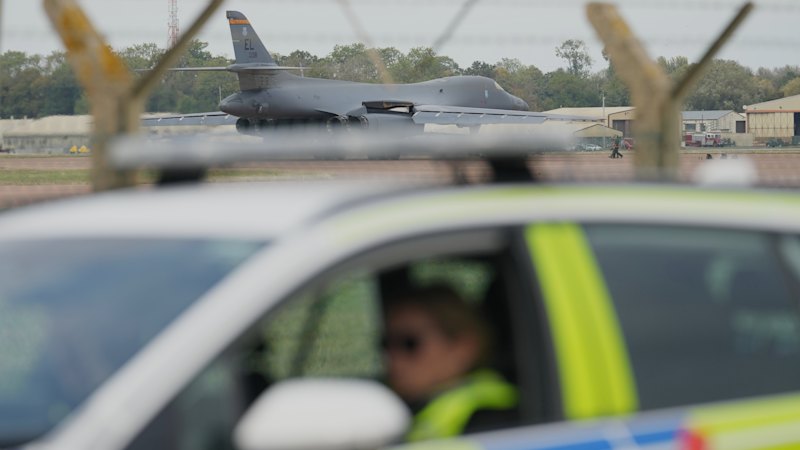
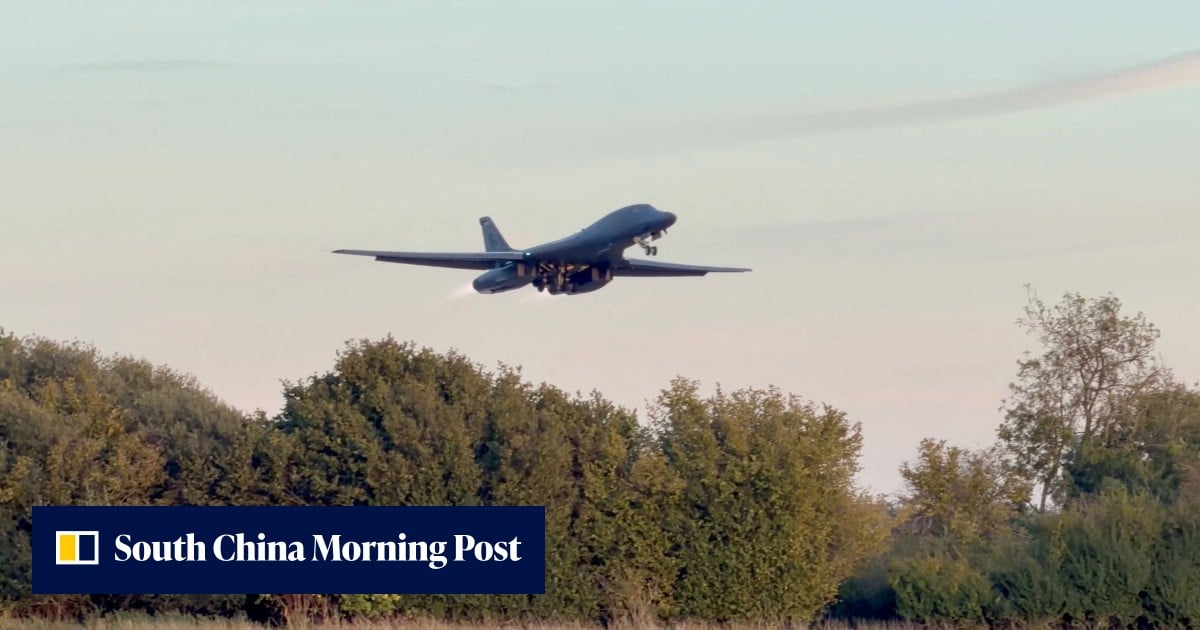
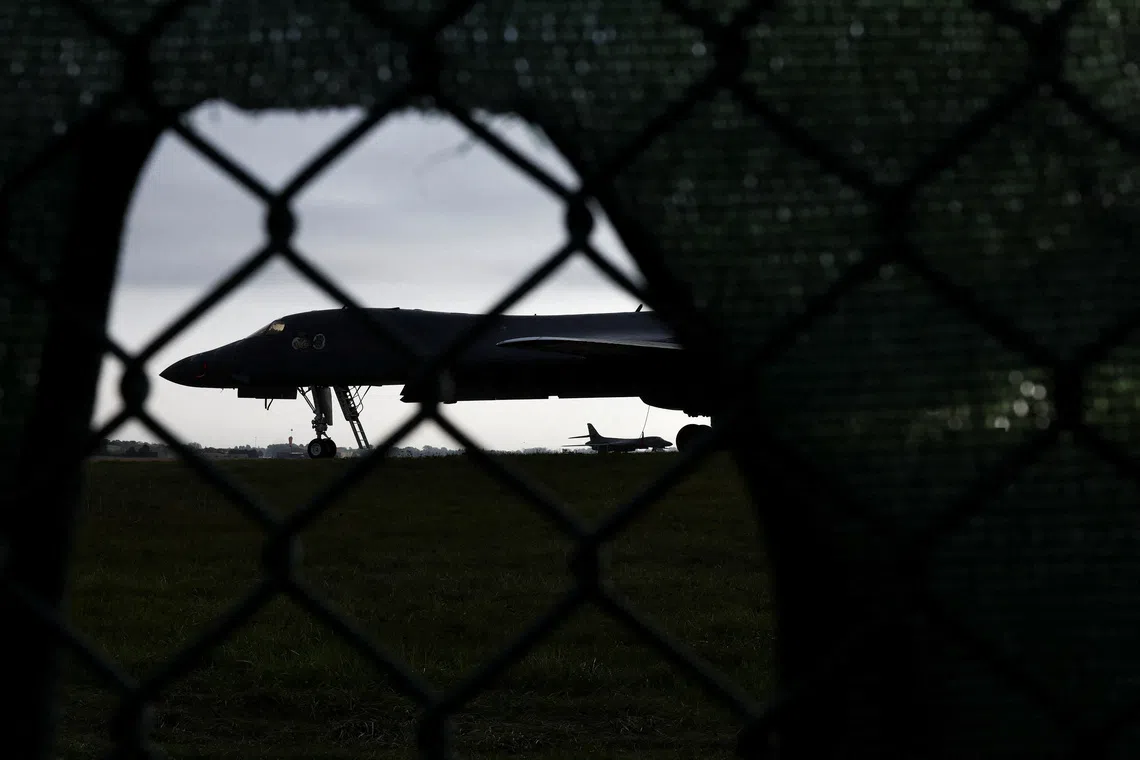
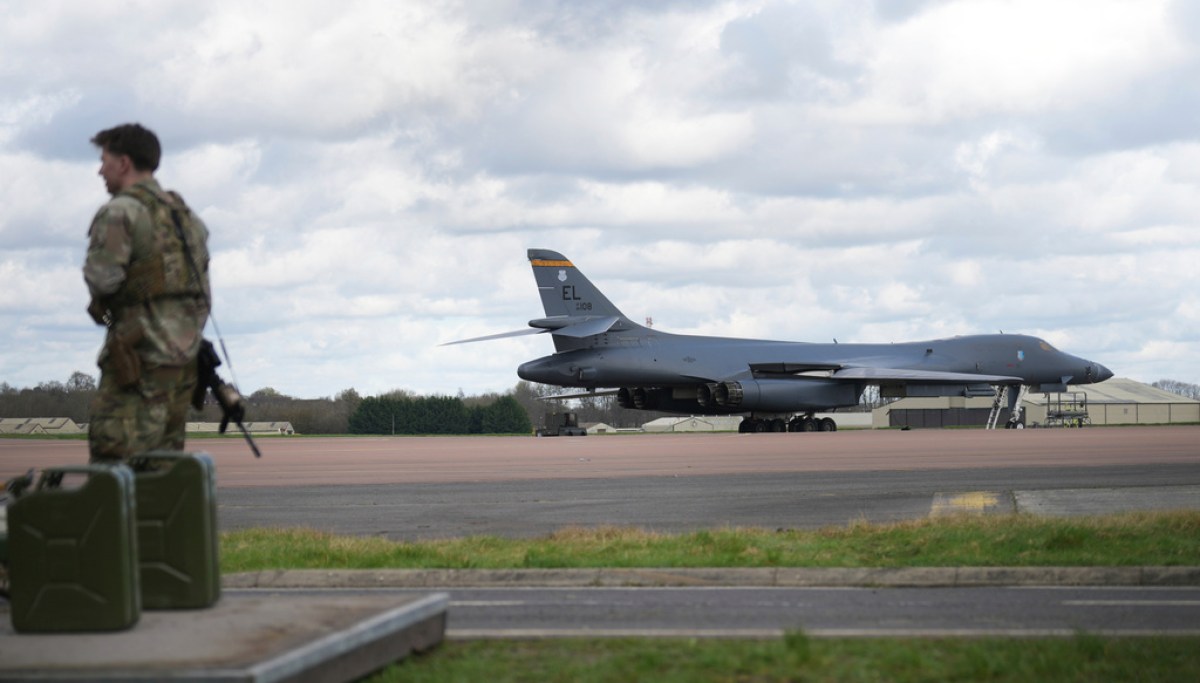
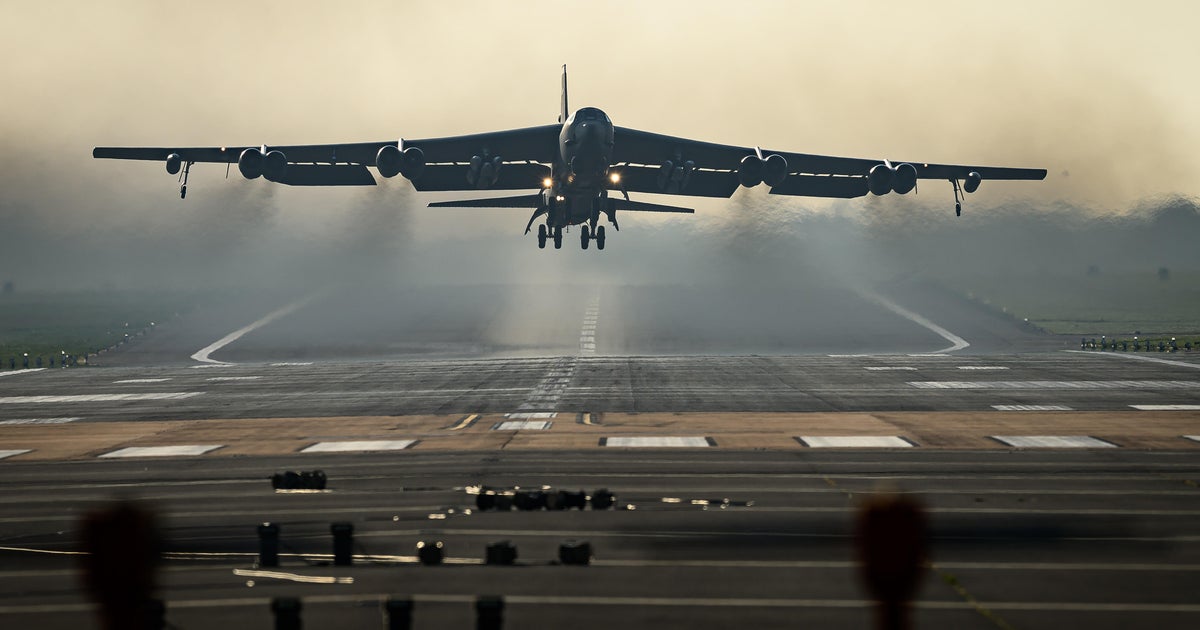
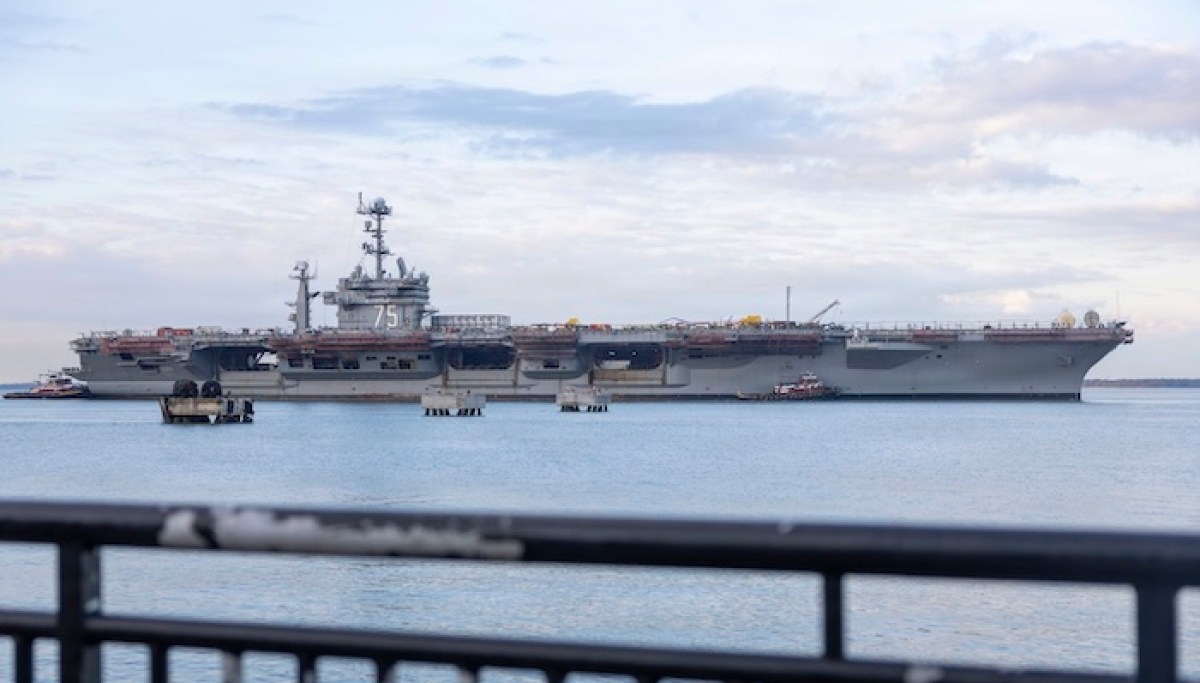
The U.S. military moved its B-1 bombers stationed at an air base in the United Kingdom that was believed to be targeted in a thwarted terrorist attack due to “some threats,” President Donald Trump said on Monday.
asserted
Trump → move → Monday
The decision to bring the bombers back to the United States came after U.K. authorities arrested five British nationals on suspicion of planning a terrorist attack on the Royal Air Force Fairford Base.
asserted
authorities → bring → Base
A sixth individual was arrested later.
asserted
individual → arrest → ?
“Yes, I think we can say that.
asserted
we → think → that
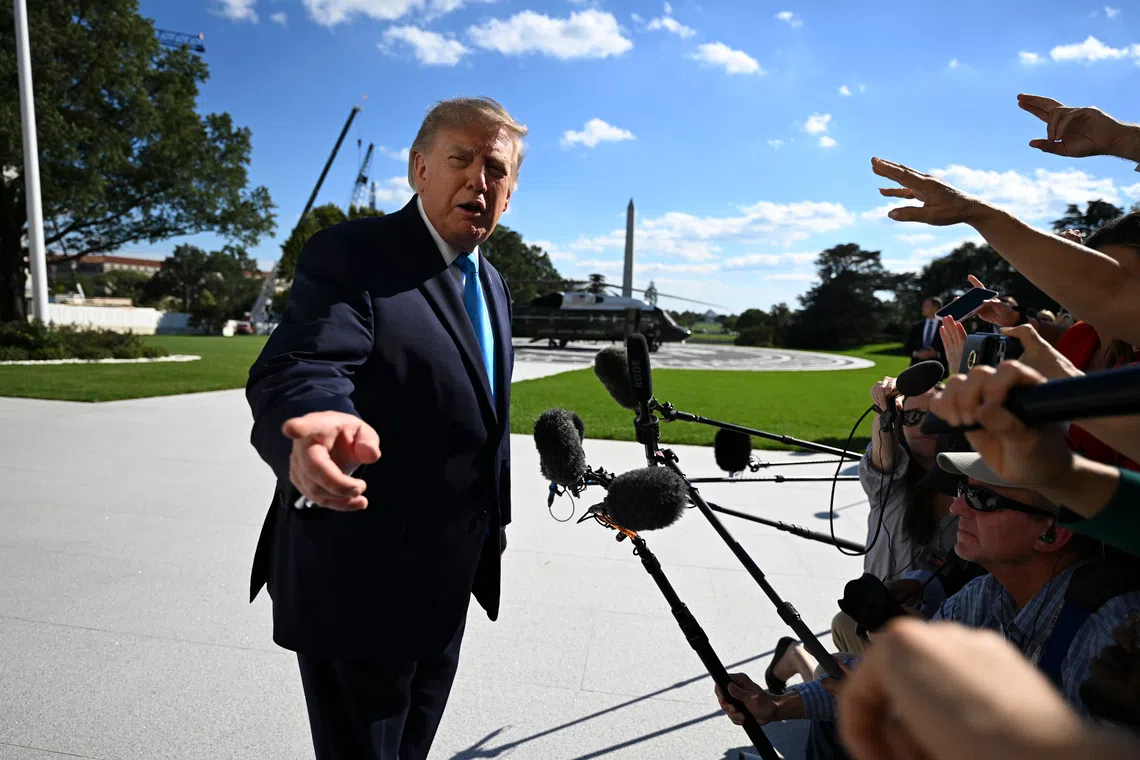
I mean, they didn’t fly out by accident,” Trump said on the White House lawn.
asserted
Trump → mean → lawn
“There were some threats, and rather than tempting the enemy, we’ll capture the enemy and beat the enemy, but why should we leave them there?
asserted
we → be → them
So we moved them around a little bit.”
asserted
we → move → them
The president was asked specifically whether Iran had smuggled attack drones into the U.K. for a possible attack targeting the base.
asserted
Iran → ask → base
While he declined to answer the question directly, Trump said, “If they did, they’ll suffer greatly.”
asserted
they → decline → question
The U.S. military in the Middle East has faced threats from Iranian drones since the war began on Feb. 28, 2026.
asserted
war → face → Feb.
In the opening hours of the war, an Iranian drone made a direct impact on a U.S. facility in Kuwait that resulted in the deaths of six service members, marking the deadliest Iranian attack during the war.
asserted
that → open → war
Three others were killed in a similar attack in Jordan in July.
asserted
others → kill → July
Several other U.S. bases have been damaged, and in some cases, U.S. military aircraft were damaged or destroyed while on the ground.
asserted
aircraft → damage → ground
A little less than 18 months ago, Ukraine carried out a sneak drone attack in which forces smuggled them into Russian territory and waited until the truck that was unknowingly carrying them got close to Russian bases.
asserted
that → carry → bases
The drones were able to destroy several Russian fighter aircraft that were exponentially more expensive in part because the style of the attack gave Russian forces little time to react before it was too late.
asserted
it → destroy → time
The attack has opened the eyes of U.S. military leaders, who believe U.S. bases need more air defense.
asserted
bases → open → defense
Former U.S. Army Secretary Dan Driscoll said last month the Ukrainian surprise attack, known as Operation Spiderweb, was a “clear inflection point” for “the post-Cold War international order” because “Ukraine deployed less than a million dollars’ worth of hobby-shop technology to destroy Russian strategic bombers worth billions.”
asserted
Ukraine → say → bombers
An official with U.S. Strategic Command told the Washington Examiner in August: “Operation Spiderweb, really showed how that kind of asymmetric capabilities that the drones are changing that character of war.
asserted
drones → tell → war
So what I can say is we are looking at specifically counter-[drone] from both a policy and capability lens.”
asserted
we → say → lens
The cost of mass-producing drones is several times cheaper than that of more exquisite equipment and technology.
asserted
cost → produce → equipment
As a result of the cost dynamics, it provides a way for less-resourced militaries or non-state actors to acquire the equipment needed to take out an adversary’s much more expensive weapons.
asserted
militaries → provide → weapons
 The Aporia