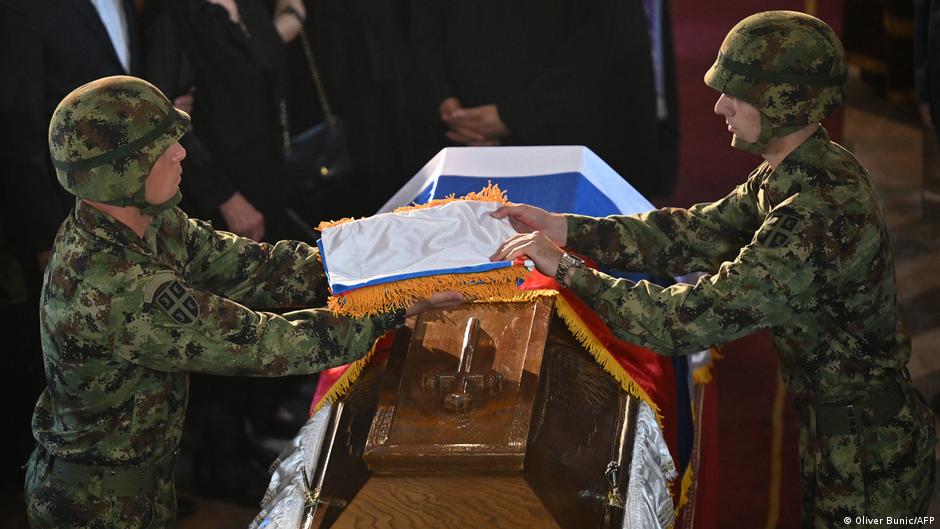
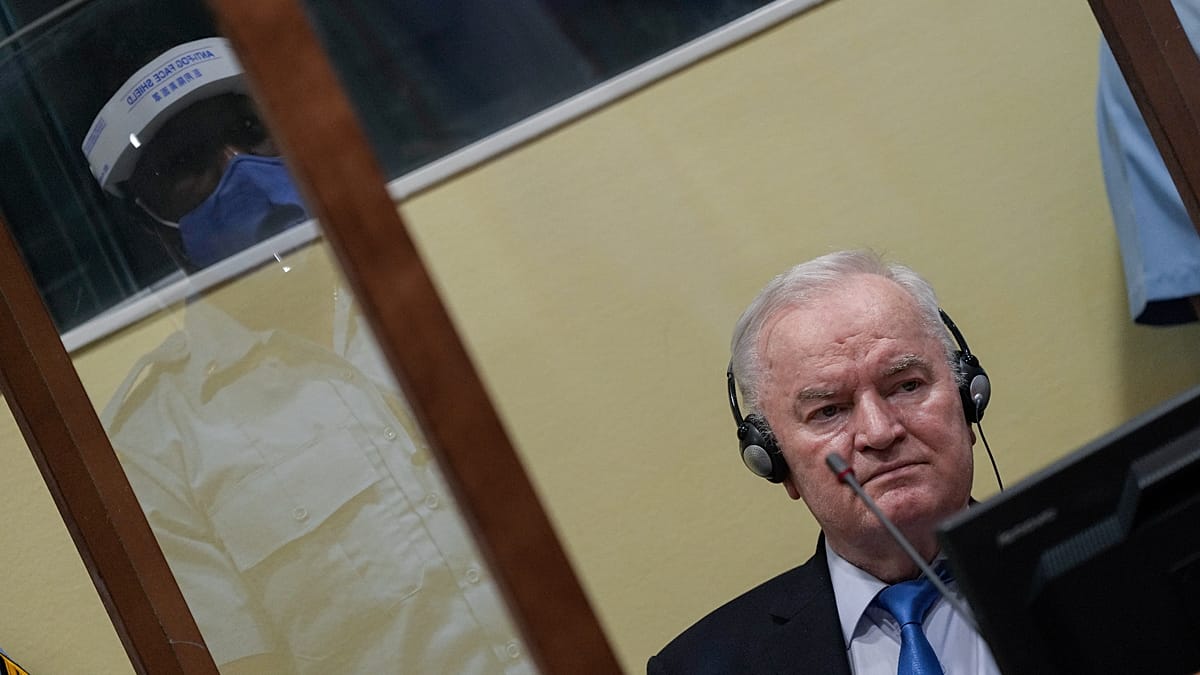
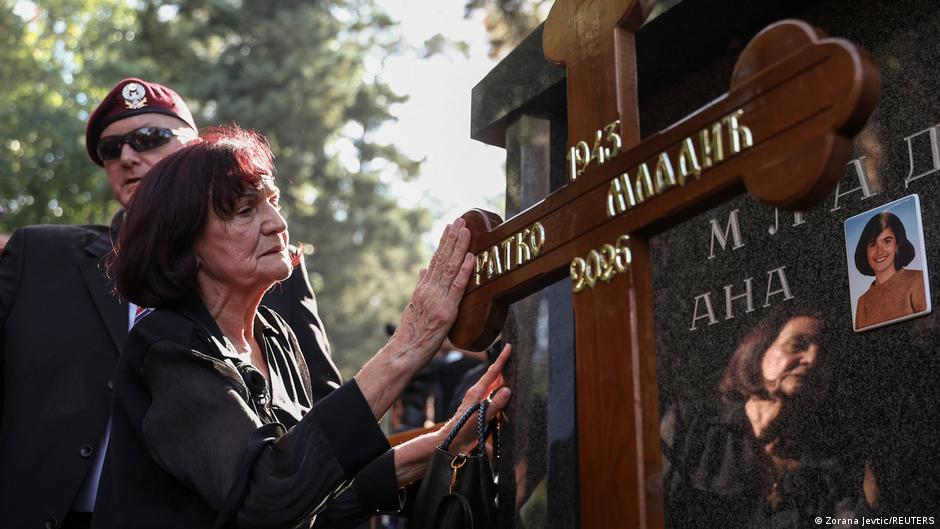
Belgrade has made a point of insisting that it did not organize a state funeral for former Bosnian Serb army commander Ratko Mladic, who was convicted of genocide in Srebrenica and crimes against humanity in 2017.
asserted
who → make → 2017
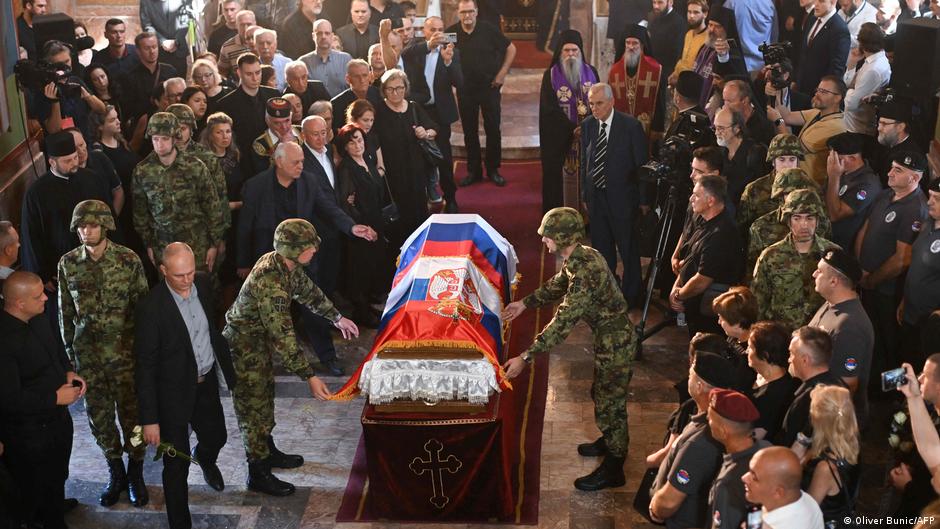
But when the body of a war criminal is flown home accompanied by the country's justice minister, when ceremonies unfold with military honors in state-controlled venues in the presence of senior political leaders and when clear condemnation of glorification of the deceased is absent, the message is unambiguous.
asserted
message → fly → deceased
The impact of this message is being felt beyond Serbia's borders.
asserted
impact → feel → borders
In Bosnia and Herzegovina — the state created by the 1995 Dayton Peace Agreement, which comprises two entities linked by a weak central government — reactions were as deeply divided as the country itself.
asserted
reactions → create → country
Bosnia and Herzegovina: Two entities, two narratives
Republika Srpska, the Serb-majority entity covering about 49% of the country's territory, sent its officials to the funeral.
asserted
Srpska → cover → funeral
Public discourse there was dominated by narratives of "defending the people" and "the injustice of international courts."
"Without Ratko Mladic, there would be no Republika Srpska," was the refrain among thousands of mourners at the funeral in Belgrade.
asserted
refrain → dominate → Belgrade
Sarajevo, the seat of the central government of Bosnia and Herzegovina, sees this approach as a continued policy of relativizing war crimes and a threat to stability.
asserted
Sarajevo → see → stability
Bosnia and Herzegovina cools diplomatic ties with Serbia
In the Federation of Bosnia and Herzegovina, the entity where Bosniaks and Croats form the majority, the response was very different and the tone sharp.
asserted
tone → cool → majority
Foreign Minister Elmedin Konakovic described Serbia's official response as a conscious choice by Belgrade, not something imposed on it.
asserted
Konakovic → describe → it
He announced measures to cool diplomatic ties with Serbia, withdrawing almost all staff from the country's embassy in Belgrade, leaving only the ambassador, explaining that he lacks the authority to close the embassy but can reduce its presence to a minimum.
asserted
he → announce → minimum
The move effectively froze day-to-day diplomatic communication on the ground.
asserted
move → freeze → ground
"We will pull out everyone we can; consular services will be relocated to Zagreb and Podgorica," he said.
asserted
he → pull → Zagreb
Denis Becirovic, chair of the Presidency of Bosnia and Herzegovina, called the funeral with military honors an "anti-civilizational act" and warned of far-reaching consequences for the entire region.
asserted
Becirovic → call → region
For representatives of Mladic's victims, any public glorification of the former general is a direct insult to the families of those killed.
asserted
glorification → kill → those
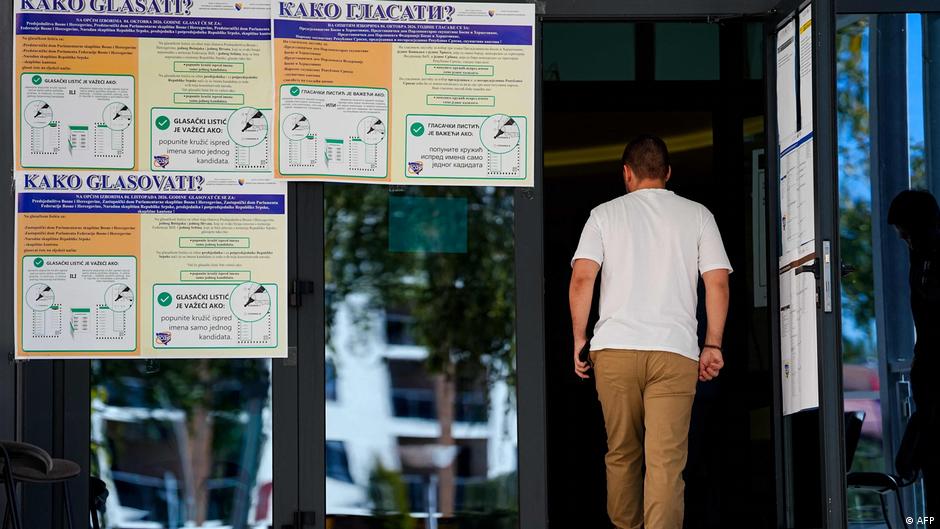
At a time when both Serbia and Bosnia and Herzegovina are facing general elections — Bosnia on October 4 and Serbia likely just a few weeks later — emotions become a resource.
asserted
emotions → face → October
In both countries, parts of the electorate still see Mladic as a symbol of resistance, which means that every gesture in support of him scores political points with these voters.
asserted
gesture → see → voters
As the general election in Bosnia and Herzegovina approaches, sharp condemnations from Sarajevo are seen as evidence that the central government is "defending the state" and "the dignity of victims."
asserted
government → approach → victims
This, too, is being turned into political capital.
asserted
This → turn → capital
In Republika Srpska, the presence of officials at the funeral and the narrative of "injustice" strengthen the position of those building their identity in opposition to international rulings.
asserted
presence → strengthen → rulings
The more political points anyone scores on this issue, the worse relations become and the further accession to the EU recedes into the distance — for both countries.
asserted
accession → score → countries
Tanja Topic, a political analyst from Banja Luka, is clear about who is responsible for these political narratives: "The main culprits are the political elites, because in 30 years we have not moved forward.
asserted
we → move → years
There has been no critical confrontation with the dark side of history," she says.
asserted
she → say → history
Topic went on to say that Mladic's funeral "is a welcome gift to the protagonists of ethno-nationalist policies" and noted that these people still hold power in Bosnia and Herzegovina.
asserted
people → go → Bosnia
"Such an institutional stance towards crimes provokes a reaction on the other side, and then everyone exploits the situation, trapping us in a vicious circle where each tries to extract political profit," Topic says.
asserted
Topic → provoke → profit
A divided society and frozen relations
After Mladic's funeral, the Office of the High Representative (OHR) in Bosnia, which was created after the war to oversee the implementation of the US-brokered Dayton Peace Agreement, stressed that Bosnia's future cannot be built on glorifying those responsible for the worst crimes of the past.
asserted
future → create → past
"Glorifying convicted war criminals, as well as denying genocide and other war crimes, creates divisions, inflicts additional pain on victims and their families, and undermines the reconciliation process," said the OHR.
asserted
OHR → glorify → process
Bosnia remains a deeply divided society that has not moved forward in the 31 years since the war ended.
asserted
war → remain → years
The fact that the ideology that helped spark that war still lives on, means that Mladic's funeral did not close a chapter in the region's history, it tore open a new one, measuring the Balkans' willingness to step out of the shadow of the 1990s.
asserted
it → spark → 1990s
While politicians seek to score political points, citizens pay the price of frozen relations.
asserted
citizens → seek → relations
 The Aporia