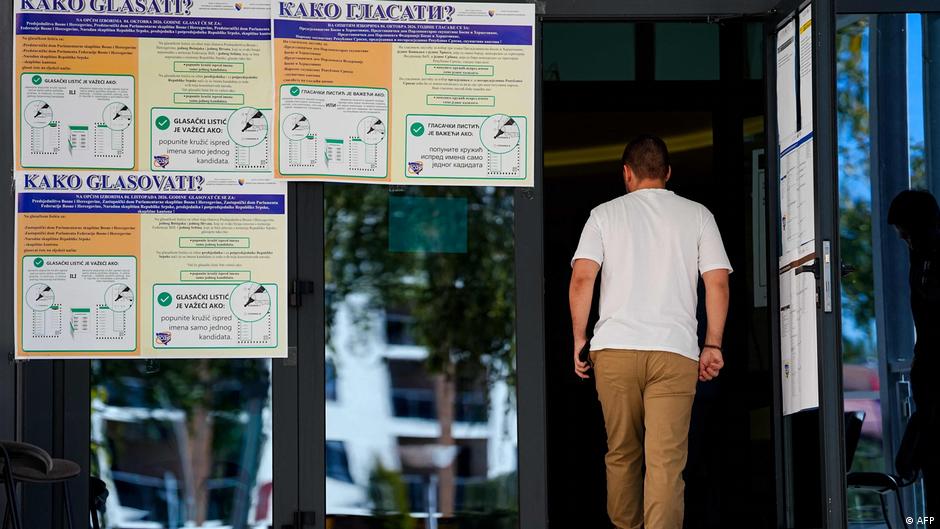
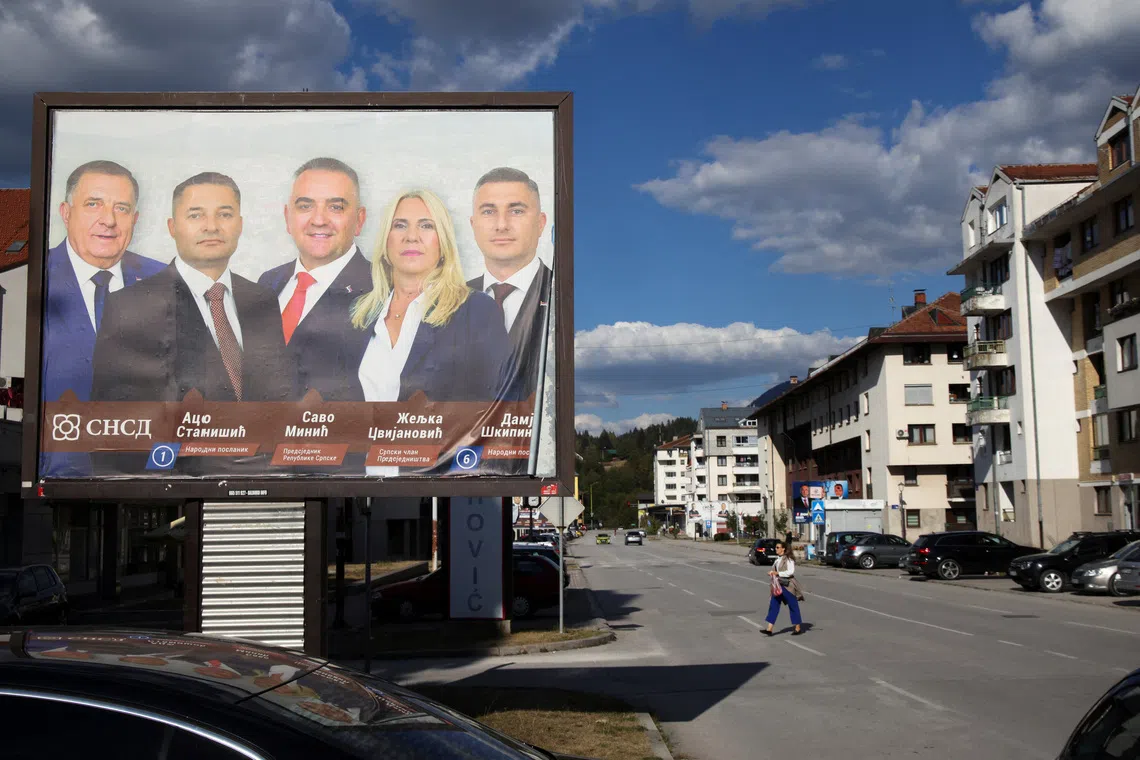
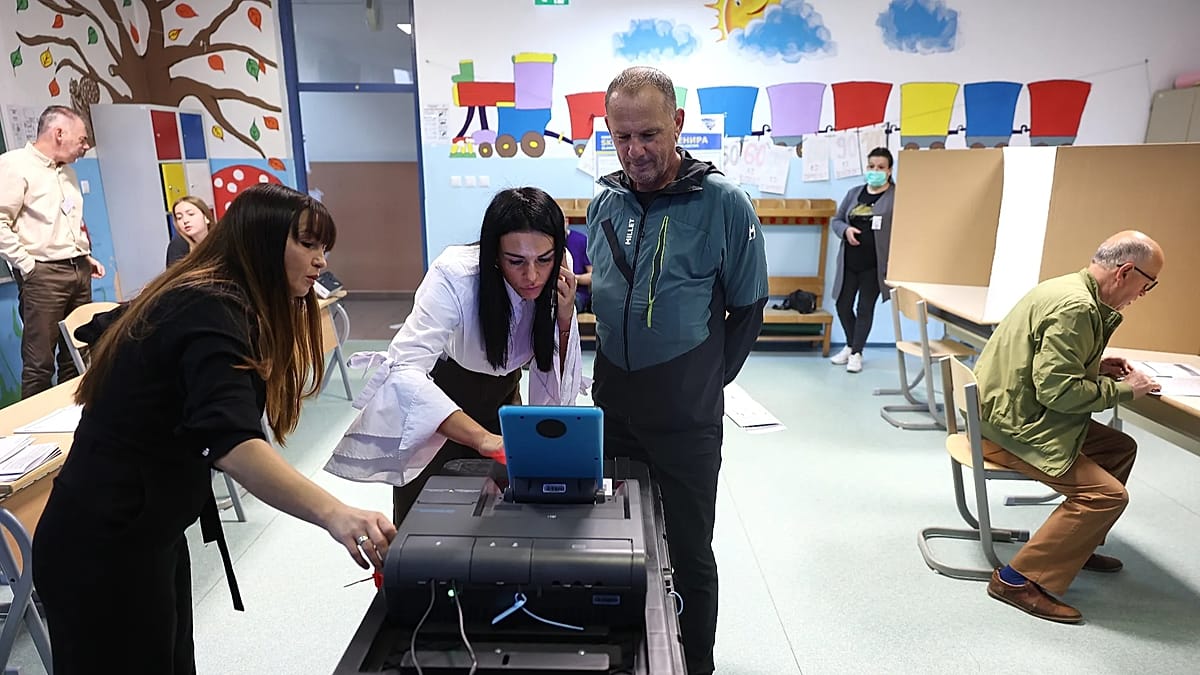
On October 4, Bosnia and Herzegovina held elections using new biometric technology aimed at preventing electoral fraud involving deceased voters and multiple ballots. Despite this reform, voter turnout was only about 40%, the lowest since the end of the Bosnian War in 1995. Nationalist parties maintained their dominance: the SNSD among Serbs, the SDA among Bosniaks, and the HDZ BiH among Croats. Milorad Dodik's party, the SNSD, emerged victorious in Republika Srpska despite his recent legal troubles and sanctions, reinforcing the region’s political status quo.
Written locally by qwen2.5:14b on 2026-10-05,
using this article's own text rather than the other coverage of the
same event (that is the story summary below).
Bosnia and Herzegovina went to the polls on October 4 with new technology that was meant to end years of vote-rigging.
asserted
that → go → rigging
Chief among the abuses was the casting of ballots in the name of deceased voters who had lingered for years on outdated voter rolls.
asserted
who → linger → rolls
At just over 40%, turnout was the lowest since the Bosnian War ended in 1995, in part because the old tricks no longer worked.
In earlier elections, allegations kept surfacing that votes were being cast in the name of people who had died or long since moved abroad.
asserted
who → end → people
Others said voters cast their ballot multiple times or that blank ballots were added after polls closed to make the turnout look higher.
asserted
turnout → say → ballot
The voter registry, packed with names of people who had passed away or left the country, was the perfect tool for all of this.
New technology, same old politics
This time, however, every polling station used biometric fingerprint checks.
asserted
station → pack → checks
This represented a clear step forward in making voter identification far harder to manipulate.
asserted
identification → represent → step
Three nationalist parties won, each within its own community: the SNSD among Serbs, the SDA among Bosniaks and the HDZ BiH among Croats.
asserted
parties → win → Croats
The dead may have been struck from the voter rolls, but political trends have not shifted.
uncertain
trends → strike → rolls
For readers who know Bosnia only vaguely, a little background helps: The 1995 Dayton Peace Agreement ended the war, but it also split the country into two entities: Republika Srpska, which has a Serb majority, and the Federation of Bosnia and Herzegovina, which has a Bosniak-Croat majority.
asserted
which → know → majority
A three-member presidency runs the state, and each of the three peoples elects its own member.
asserted
each → run → member
That is why elections here are rarely about wages and prices and are instead almost always about who is perceived to be a threat.
asserted
who → perceive → wages
In 2025, Dodik was barred from holding public office for six years after being convicted of defying the high representative, the top international envoy overseeing the 1995 peace process.
asserted
Dodik → bar → process
He was sanctioned by the US in 2022, although those sanctions were lifted late last year.
asserted
sanctions → sanction → 2022
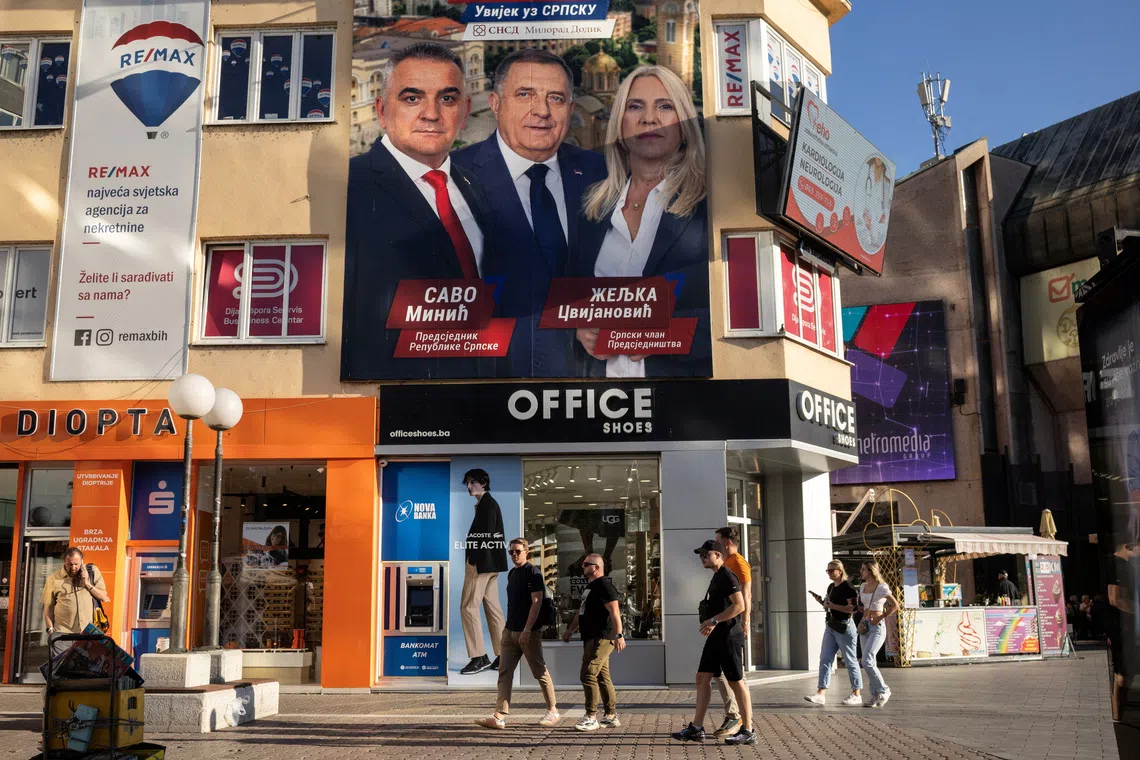
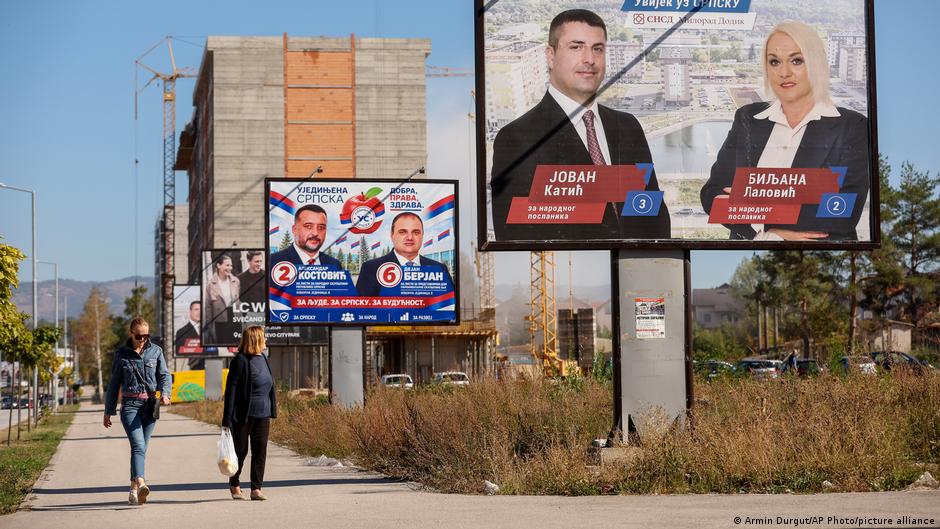
Even so, his party, the SNSD, virtually swept the board in Republika Srpska.
asserted
party → sweep → Srpska
Savo Minic became president of Republika Srpska, and Zeljka Cvijanovic kept the Serb seat in the presidency.
asserted
Cvijanovic → become → presidency
The party also did very well in the entity's parliament.
asserted
party → do → parliament
Neither the sanctions nor Dodik's conviction and the loss of his mandate hurt the party.
asserted
sanctions → hurt → party
Voters were not choosing an individual.
asserted
Voters → choose → individual
They were choosing their "side."
asserted
They → choose → side
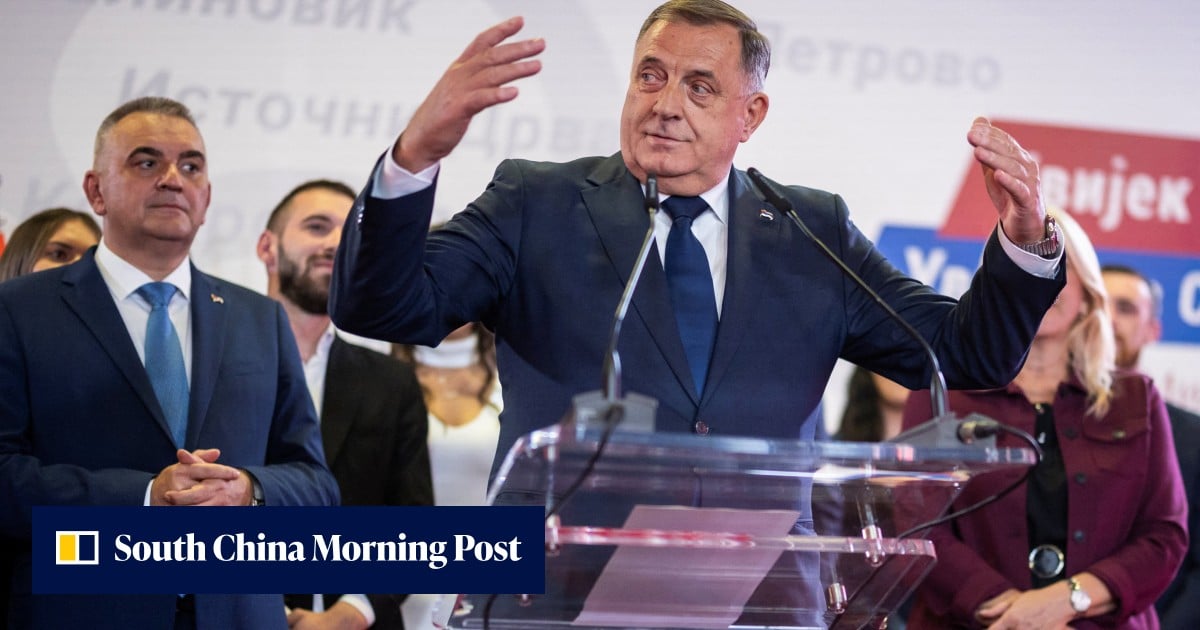
Dodik lost no time in declaring what comes next.
asserted
what → lose → time
He announced a return to what he refers to as the "original Dayton."
asserted
he → announce → Dayton
In practice, that means undoing the powers the state has gained since 1995 — from the judiciary to the army.
asserted
state → mean → army
To an outside observer, that sounds like a technical phrase.
asserted
that → sound → phrase
In reality, it is a program for dismantling the state step by step.
asserted
it → dismantle → step
"That means we are returning the army to Republika Srpska, the border police, the intelligence service and everything that the high representatives once took away," said Dodik.
asserted
Dodik → mean → that
The opposition offered no serious resistance.
asserted
opposition → offer → resistance
It was divided and had no convincing message.
asserted
It → divide → message
Voters who did not want Dodik had nowhere to turn, so most stayed home.
asserted
most → want → Dodik
Low turnout favored the side with the most disciplined party machine.
asserted
turnout → favor → machine
That raises a question that will shape what happens in Bosnia in the coming year.
asserted
what → raise → year
Dodik's conviction kept him out of the direct race in these elections.
asserted
conviction → keep → elections
If representatives of the SNSD and the HDZ BiH enter the presidency, they could pardon him — whatever the third member decides.
uncertain
member → enter → whatever
Bosnian media have reported that this was a pre-election deal between Dodik and the HDZ BiH leader, Dragan Covic.
asserted
this → report → Dodik
Dodik could then return as prime minister of Republika Srpska, a post he has held before.
uncertain
he → return → Srpska
Federation of Bosnia and Herzegovina: Troika defeated
asserted
Troika → defeat → Bosnia
The parties of the so-called "Troika," a multi-ethnic liberal political alliance, suffered a defeat.
asserted
parties → call → defeat
They came to power at this level after the international high representative, a foreigner with the authority to impose laws, changed the election law.
asserted
representative → come → law
Voters saw no benefit from that experiment.
asserted
Voters → see → experiment
The SDA, the largest Bosniak nationalist party, won the most seats and did well.
asserted
SDA → win → seats
The paradox is that SDA president Bakir Izetbegovic lost the race for the presidency.
asserted
Izetbegovic → lose → presidency
…and 22 more, not listed.
 The Aporia