US senators from both parties have criticized President Donald Trump for an agreement allowing Russian diesel fuel imports, which they argue violates a law banning energy transactions with Russia until it stops its aggression against Ukraine. The bipartisan group of seven lawmakers urged Trump to rescind the deal, warning that providing financial support to Putin undermines U.S. interests and endangers Ukrainian civilians. This criticism highlights a rare split within Trump's party on foreign policy just before the midterm elections, where high fuel prices could affect Republican candidates' prospects.
Written locally by qwen2.5:14b on 2026-10-12,
using this article's own text rather than the other coverage of the
same event (that is the story summary below).
Story summary
On October 9, President Donald Trump announced a controversial deal with Russian President Vladimir Putin to supply the US and global markets with diesel fuel from Russia. This move was seen as a direct attempt to lower rising fuel prices in America ahead of the November midterm elections. Under this agreement, Russia would immediately export more than 300,000 tonnes of diesel, followed by an additional 500,000 tonnes in November and another million tonnes afterward.
The Ukrainian President Volodymyr Zelensky strongly criticized Trump's deal, stating it was “an investment in a war that must be ended.” He argued that the agreement undermines Ukraine’s efforts to reduce Russia’s revenue from diesel exports, which funds Moscow’s aggression against Ukraine. Zelensky warned that easing sanctions on Russian fuel would provide Putin with more money to fund his ongoing attacks.
The deal also faced criticism from other world leaders and military experts. Former NATO commander Philip Breedlove and UK Prime Minister Boris Johnson both condemned the agreement, arguing it could undermine efforts to counter Russian aggression in Ukraine. The UK government pledged to maintain tough sanctions on Russia despite Trump’s announcement, emphasizing their commitment to increasing the cost of Putin's war.
Germany similarly maintained its stance on sanctions against Russia, reaffirming support for Ukraine and diplomatic efforts towards peace.
Written for “Trump Russia Diesel Deal” on 2026-10-13,
grounded in this article and the 43 other(s) covering the same event.
A bipartisan group of US senators has urged President Donald Trump to abandon a diesel supply agreement with Russia, warning that the arrangement violates federal law banning energy imports until Moscow halts its aggression against Ukraine.
asserted
Moscow → urge → Ukraine
"Congress explicitly banned Russian energy imports in 2022 to prevent American dollars from financing (Russian President Vladimir) Putin’s brutal war against Ukraine," stated a joint release issued on Sunday by seven lawmakers, comprising four Republicans and three Democrats.
asserted
release → ban → Republicans
The senators also noted that the White House failed to consult Congress or provide a legally mandated explanation for its decision.
asserted
House → note → decision
"The United States should not provide Putin with a financial lifeline while Russia continues to kill Ukrainian civilians.
asserted
Russia → provide → civilians
The Administration must immediately reverse course," the statement added.
asserted
statement → reverse → course
The cross-party pushback represents a rare rift over Trump's foreign policy just weeks before the November 3 midterm elections, which will determine control of Congress.
asserted
which → represent → Congress
The statement was signed by Republican Senators Susan Collins of Maine, Lisa Murkowski of Alaska, Thom Tillis of North Carolina, and John Curtis of Utah, alongside Democratic Senators Jeanne Shaheen of New Hampshire, Richard Blumenthal of Connecticut, and Ron Wyden of Oregon.
asserted
statement → sign → Oregon
Tillis warned earlier on Sunday that the diesel arrangement might be unlawful and could put American lives at risk.
uncertain
arrangement → warn → risk
Trump announced on Friday that Russia had agreed to supply diesel to global markets, prompting his administration to temporarily suspend US sanctions meant to deny Moscow fuel revenue for its war in Ukraine.
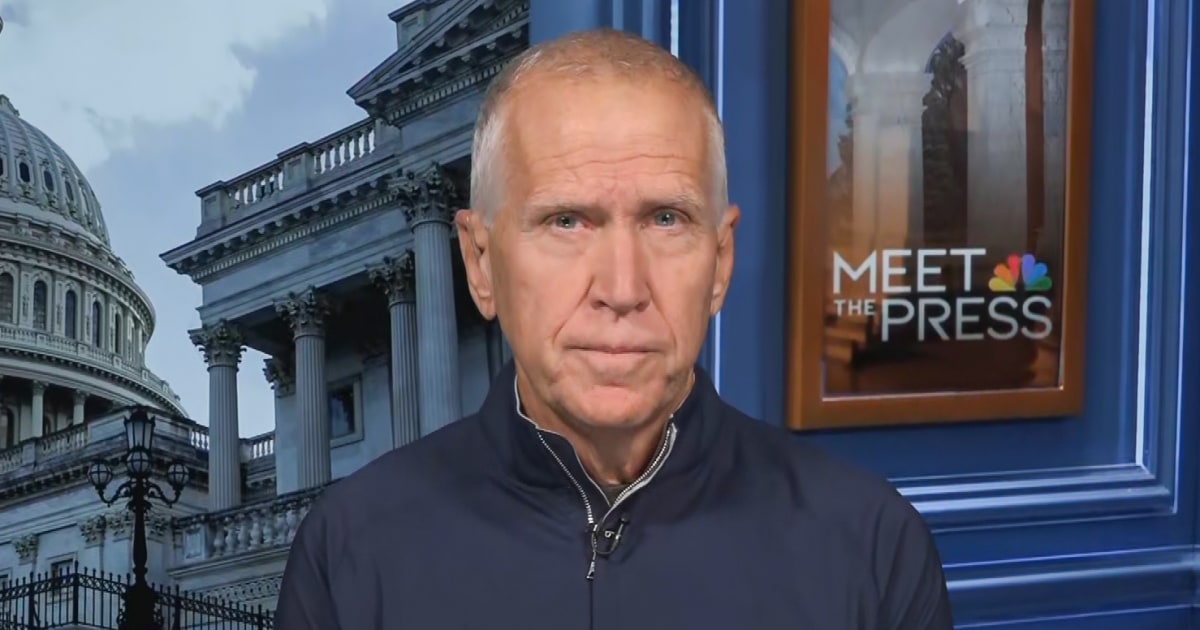
"I do believe there’s a legitimate case for saying the president’s not following the law," Tillis, who is retiring from the Senate in January, said on NBC's "Meet the Press."
With diesel prices near record levels—impacting agriculture, home heating, and commercial transport—high fuel costs pose a political risk for Republicans in next month's congressional votes.
asserted
costs → announce → votes
Industry analysts noted that the agreement with Moscow is unlikely to deliver lasting price reductions.
asserted
agreement → note → reductions
The White House defended the initiative on Sunday.
asserted
House → defend → Sunday
US Treasury Secretary Scott Bessent told Fox News that the administration would proceed using existing statutory authority, arguing the pact benefits the American public by reducing energy costs.
asserted
pact → tell → costs
"We're going to do it with all the legal authorities we have.
asserted
we → go → authorities
So, you know, anyone in Congress who says whether it's an old bill or the current Lindsey Graham bill (that) prohibits us from doing it is wrong," Bessent told "Fox & Friends."
asserted
Bessent → know → Fox
Trump last month signed a broad Russia sanctions measure into law, titled the "Lindsey O. Graham Sanctioning Russia and Iran Act of 2026," named after the South Carolina Republican and long-standing defense hawk who died in July.
asserted
who → sign → July
Other Republicans have expressed concern over the plan.
asserted
Republicans → express → plan
Retiring Representative Don Bacon of Nebraska wrote on X on Friday that "propping up Putin's war economy is morally wrong as he uses that money to bomb cities."
asserted
he → retire → cities
Mike Pence, Trump's former vice president, described the decision to lift sanctions as a "betrayal" of Graham's legacy and urged the president to "rescind" it.
Amid falling approval ratings, congressional Republicans have increasingly separated themselves from the administration on various matters, ranging from policy toward Iran to trade disputes with Canada.
asserted
Republicans → describe → Canada
However, Senator John Barrasso of Wyoming, the Senate's second-ranking Republican, supported the deal during an interview on CBS' "Face the Nation," emphasizing Trump's focus on lowering consumer costs.
asserted
Barrasso → rank → costs
"The president is balancing and has to make tough decisions," Barrasso said.
asserted
Barrasso → balance → decisions
International figures also weighed in.
asserted
figures → weigh → ?
Canadian Prime Minister Mark Carney told Ukrainian President Volodymyr Zelenskiy during a Sunday phone call that the deal "is in direct opposition to the efforts of Ukraine, Canada, and our allies to create peace and stability in Europe," according to a statement from Carney's office.
uncertain
deal → tell → office
In a social media post on Sunday, Trump claimed that Ukraine and Russia had agreed to what he described as an "energy ceasefire" effective immediately, though he provided no details.
Zelenskiy said he was awaiting further information regarding the announcement.
"Ukraine supports the ceasefire, and it is important that Russia support it as well," Zelenskiy posted on Telegram.
asserted
Zelenskiy → claim → Telegram
Moscow has not commented on the assertion, which follows weeks of American pressure on Ukraine to suspend strikes targeting Russian oil refineries.
asserted
which → comment → refineries
 The Aporia