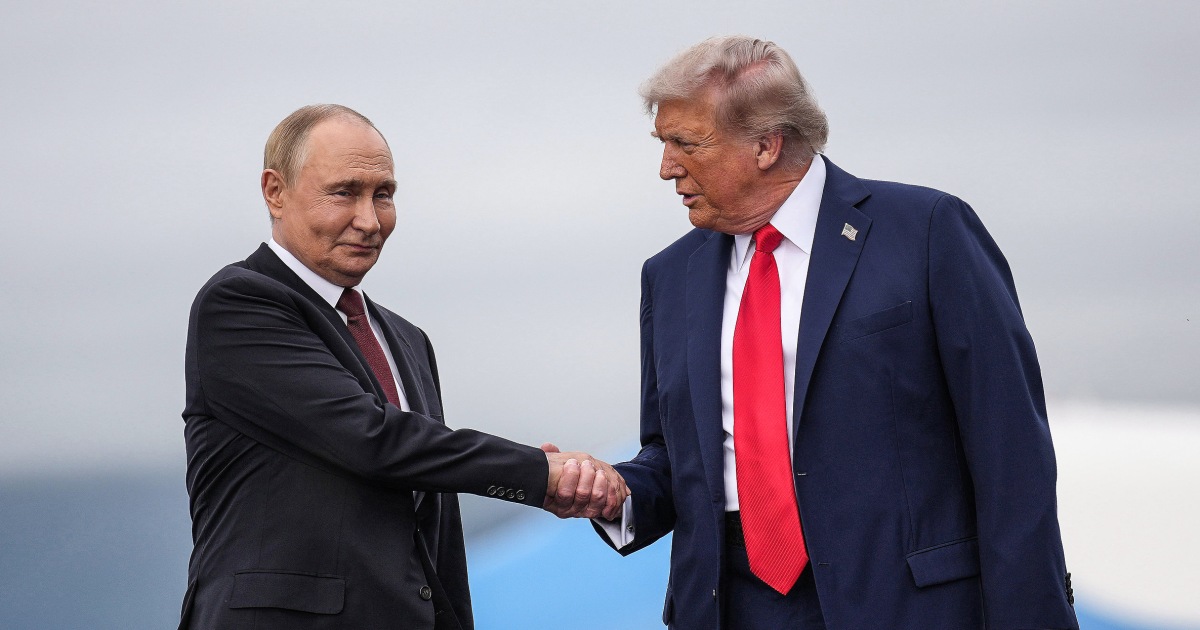
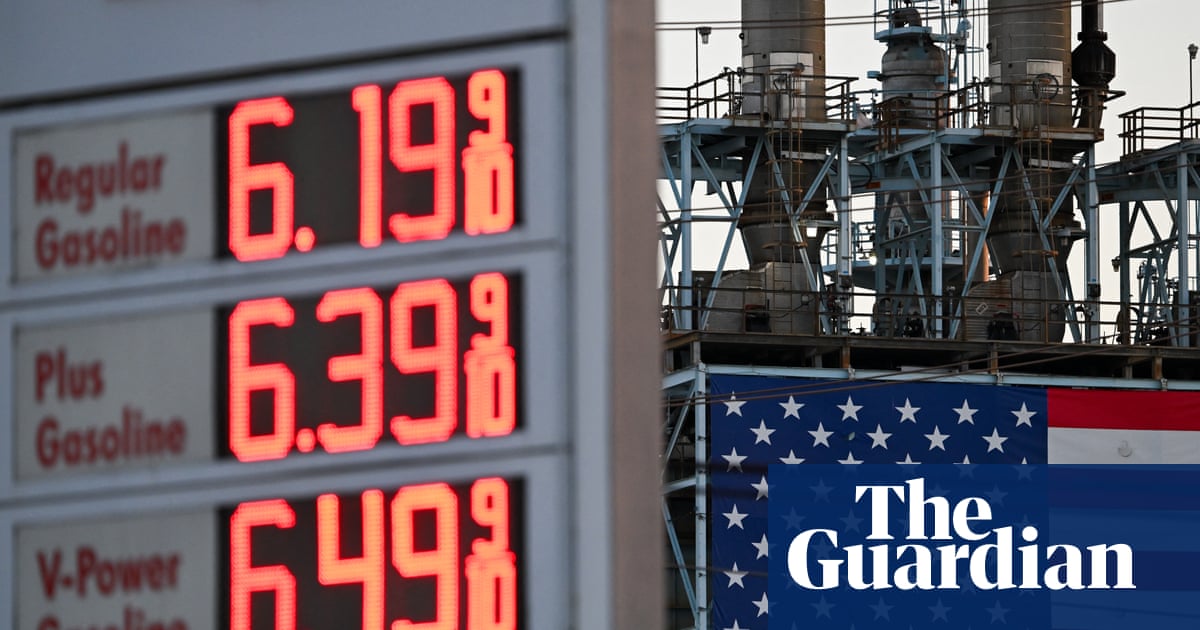
US President Donald Trump is facing bipartisan criticism over his decision to allow Russian diesel into the US market, as rising fuel prices linked to the Iran war threaten to become a political liability for his Republican Party ahead of next month's midterm elections.
asserted
prices → face → elections
Trump announced on Friday that Russian President Vladimir Putin had agreed to release 300,000 tonnes of diesel immediately, followed by additional shipments in the coming months, to help ease global fuel shortages and bring down prices for American consumers.
asserted
Putin → announce → consumers
The move has drawn criticism from lawmakers in both parties, who argue that easing restrictions on Russian energy exports could provide Moscow with funds to continue its war against Ukraine.
uncertain
easing → draw → Ukraine
The backlash comes just weeks after Trump signed legislation authorising fresh sanctions and tariffs against countries importing Russian oil and gas.
asserted
Trump → come → oil
A bipartisan group of seven senators on Sunday urged the president to reverse course, saying the US should not provide Putin with a financial lifeline while Russian forces continue to kill Ukrainian civilians.
“Congress explicitly banned Russian energy imports in 2022 to prevent American dollars from financing Putin's brutal war against Ukraine,” the lawmakers said in a joint statement.
asserted
lawmakers → urge → statement
The group included Republicans Susan Collins, Lisa Murkowski, Thom Tillis and John Curtis, along with Democrats Jeanne Shaheen, Richard Blumenthal and Ron Wyden.
asserted
group → include → Shaheen
The US Treasury Department is suspending sanctions on Russian diesel exports until April 7 to facilitate the shipments, according to reports.
uncertain
Department → suspend → reports
Other Russian assets, including those held in American banks, remain frozen.
asserted
assets → include → banks
Trump said Russia would release 300,000 tonnes of diesel immediately, followed by 500,000 tonnes in November and another one million tonnes thereafter.
asserted
Russia → say → November
He also referred to a further three million tonnes to be delivered within a short period, depending on the condition of Russian refineries damaged in Ukrainian attacks.
asserted
He → refer → attacks
Russia's Deputy Prime Minister Alexander Novak confirmed the figures to state-owned news agency Tass, adding that exports could eventually reach three million tonnes per month.
uncertain
exports → confirm → month
“Lower prices for Americans, especially our Great Farmers, Ranchers, and Truckers, is my Greatest Priority,” Trump wrote on Truth Social.
asserted
Trump → write → Social
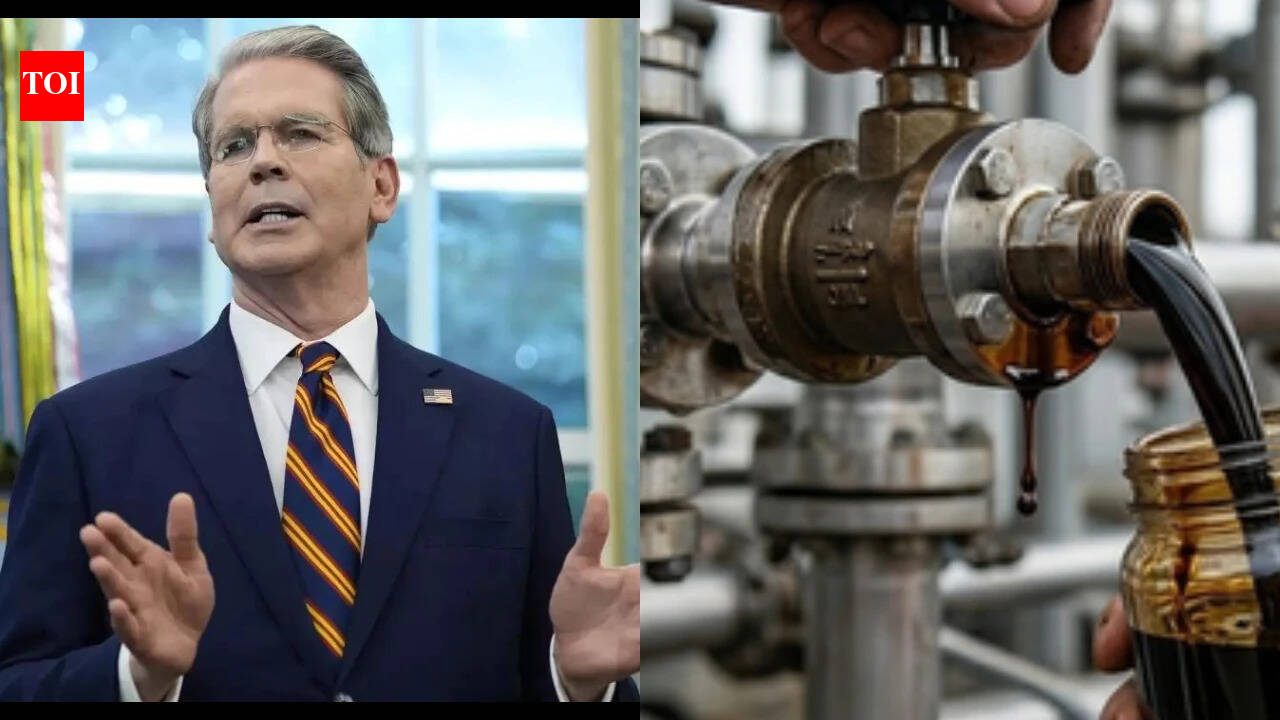
Treasury Secretary Scott Bessent defended the arrangement in an interview with Fox News, saying it would operate through existing legal channels available to the administration to help bring down prices.
asserted
it → defend → prices
He rejected claims that the agreement would violate US law.
uncertain
agreement → reject → law
Some Republicans have also backed Trump's approach.
asserted
Republicans → back → approach
House Majority Whip Tom Emmer described it as an example of the president thinking outside the box to address the financial pressure on Americans.
asserted
president → describe → Americans
Senate Majority Whip John Barrasso said the sanctions legislation gave Trump flexibility and additional leverage in dealing with Putin.
asserted
legislation → say → Putin
However, other Republicans have called for tougher action against Moscow.
asserted
Republicans → call → Moscow
Senator Lisa Murkowski urged Trump to use the new law to increase pressure on Russia rather than allow it to earn additional revenue from diesel exports.
asserted
it → urge → exports
Republican Representative Don Bacon also argued that buying Russian fuel was the wrong way to bring down prices.
asserted
buying → argue → prices
Representative Steny Hoyer called the deal outrageous, while Representative Bill Keating described it as a disturbing capitulation to Putin.
asserted
Keating → call → Putin
Senator Chris Van Hollen accused Trump of seeking to finance Russia's war against Ukraine after the Iran conflict drove up fuel prices.
asserted
conflict → accuse → prices
Fuel prices add to Trump's midterm challenge
The dispute comes at a politically sensitive time for Trump, with next month's midterm elections set to determine whether Republicans retain control of Congress.
The US-Israel war with Iran, which began at the end of February, has disrupted crude oil supplies and pushed up global energy prices.
asserted
which → add → prices
Diesel costs have become a particular concern for American farmers, ranchers and truckers, who depend on the fuel to operate machinery and transport goods.
asserted
who → become → goods
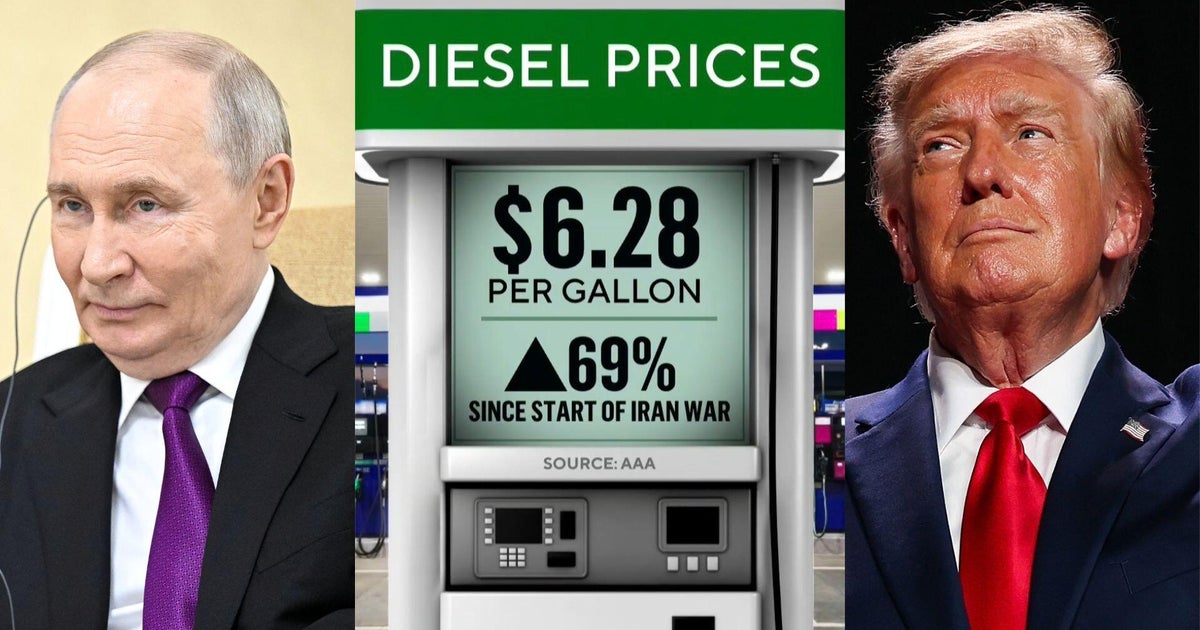
The average price of diesel in the US stood at $6.28 per gallon, according to the American Automobile Association, down from a record $6.53 at the end of September.
uncertain
price → stand → September
The rising cost of fuel has added to public dissatisfaction with Trump's handling of the economy and the Iran war.
asserted
cost → rise → economy
Polls indicate that a majority of Americans disapprove of his performance on both issues, putting additional pressure on the administration to demonstrate that it can bring prices down before voters head to the polls.
asserted
voters → indicate → polls
Analysts have questioned whether Russia can deliver the promised volumes and whether the shipments would significantly reduce costs for American consumers.
asserted
shipments → question → consumers
The US consumes approximately 3.6 million barrels of diesel per day, meaning the initial 300,000-tonne shipment would account for only a fraction of its daily demand.
asserted
shipment → consume → demand
The deal has also drawn criticism from US allies.
asserted
deal → draw → allies
Ukrainian President Volodymyr Zelensky described it as a gift to Putin, arguing that the arrangement would provide financial support to Russia while its war against Ukraine continues.
asserted
war → describe → Ukraine
Canadian Prime Minister Mark Carney and UK Defence Secretary Wes Streeting have also criticised the move, calling for greater pressure on Moscow to end the conflict.
asserted
Streeting → criticise → conflict
Trump announces energy ceasefire between Russia and Ukraine
Amid the controversy, Trump announced on Sunday that Russia and Ukraine had agreed to an “energy ceasefire”, without providing further details.
asserted
Russia → announce → details
The proposed arrangement would halt attacks on the two countries' energy infrastructure.
asserted
arrangement → propose → infrastructure
Zelensky welcomed the announcement but said Kyiv was awaiting details and confirmation from Moscow.
asserted
Kyiv → welcome → Moscow
“The Armed Forces of Ukraine have received all the appropriate orders,” Zelensky wrote on X. He added that Ukraine expected Putin to follow through on Trump's announcement.
asserted
Putin → receive → announcement
The energy ceasefire could offer a potential opening for reducing attacks on critical infrastructure, but the diesel arrangement has exposed divisions in Washington over how to balance domestic economic pressures with the US policy of pressuring Russia over its invasion of Ukraine.
uncertain
arrangement → offer → Ukraine
With fuel prices weighing on voters ahead of the midterms, Trump faces the challenge of delivering relief to American consumers without further alienating lawmakers who believe his Russia policy risks undermining efforts to end the war.
asserted
policy → weigh → war
 The Aporia