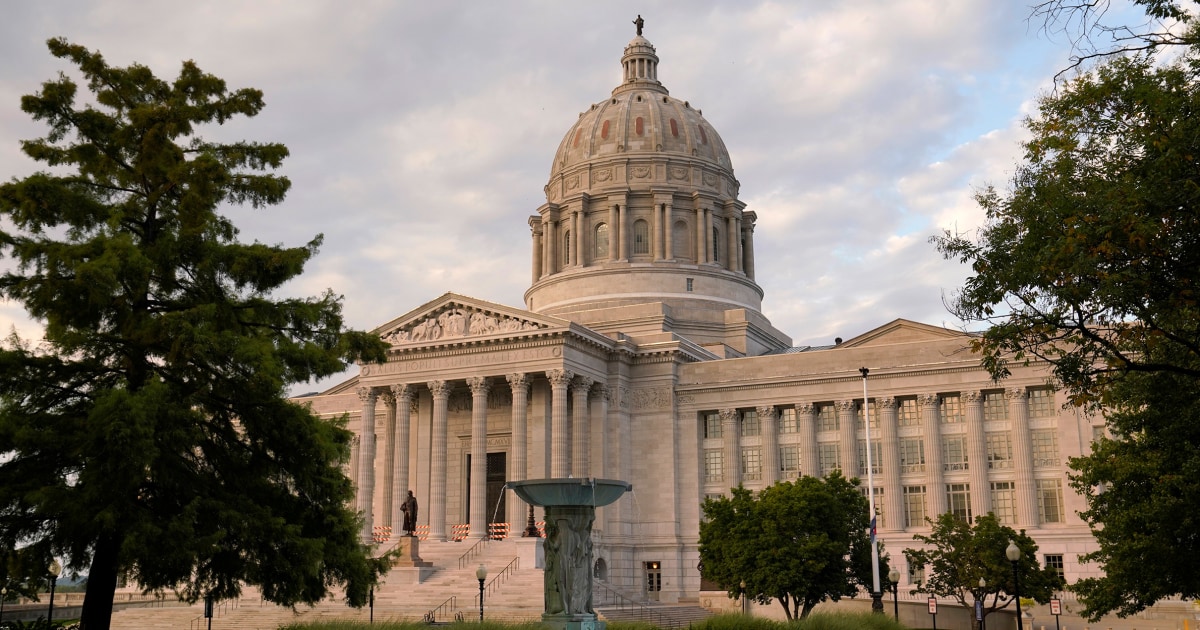
A fast-moving fight over whether Missouri Republicans can use a redrawn congressional map for this fall’s midterm elections was cast into chaos on Tuesday with two different courts issuing conflicting rulings.
asserted
courts → move → rulings
In one, the U.S. Supreme Court, in an order issued by Justice Brett Kavanaugh, left in place a Missouri Supreme Court ruling from last week that said the map could not be used while a ballot initiative that could lead to voters rejecting the newly drawn district lines moves forward.
uncertain
voters → issue → lines
Kavanaugh handles emergency requests that arise from Missouri.
asserted
that → handle → Missouri
But soon after, a federal judge in Missouri ruled in favor of two GOP congressional candidates who argue that the new map, which was in place for the August primaries, must be used in November in order to avoid federal constitutional violations.
asserted
which → rule → violations
That case could also quickly face U.S. Supreme Court scrutiny with time running out for the map to be finalized.
uncertain
map → face → scrutiny
The state’s deadline to finalize ballots was 5 p.m local time, and first ballots are set to go out Sept. 19.
asserted
ballots → finalize → ballots
Missouri Gov. Mike Kehoe and Attorney General Catherine Hanaway, both Republicans, said on X Tuesday evening that the redrawn map would be used for the November election.
asserted
map → say → election
The two cases raise different legal issues, with the Missouri Supreme Court focused only on state law while the federal case raises questions under the U.S. Constitution.
asserted
case → raise → Constitution
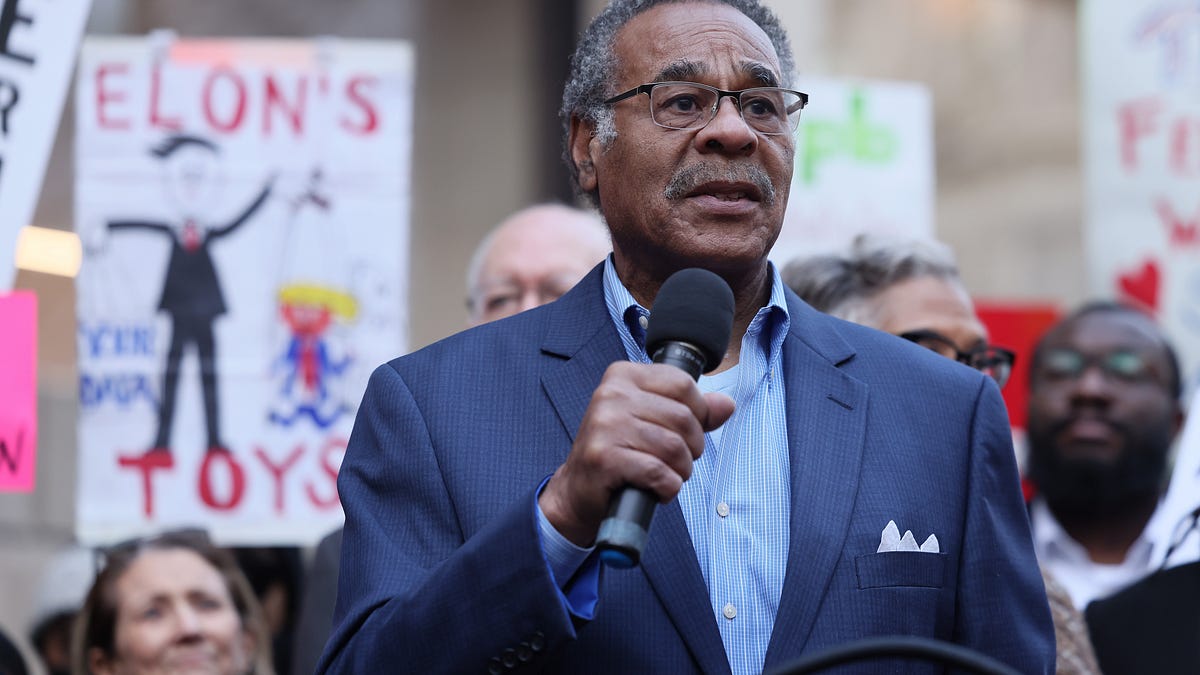
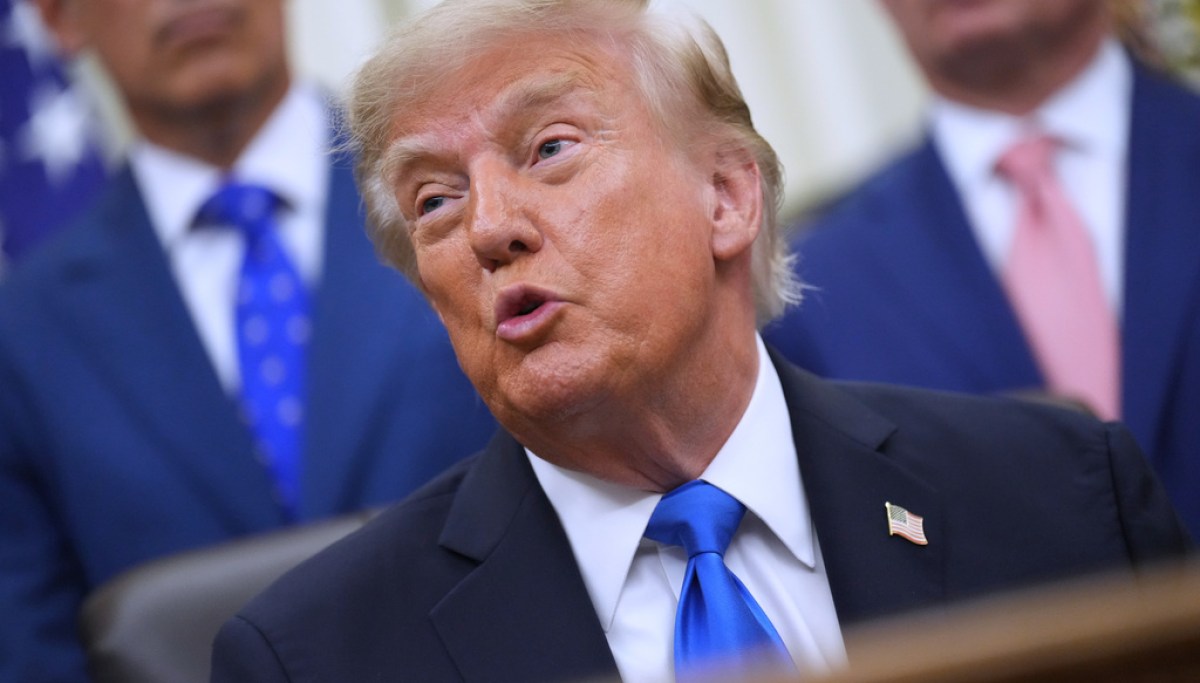
The 2025 Republican redistricting plan, part of a wave prompted by President Donald Trump, was designed to eliminate one of the state’s two Democratic-held seats, currently held by Rep. Emanuel Cleaver.
asserted
plan → prompt → Cleaver
If the Missouri Supreme Court ruling remains in effect, a map drawn in 2022, with six Republican-held seats and two Democratic-held seats, would be in place for the general election.
asserted
map → remain → election
The new lawsuit was filed by Rick Brattin, the Republican nominee in the district currently held by Cleaver, as well as Rep. Bob Onder, R-Mo. and two voters.
asserted
lawsuit → file → Cleaver
The legal clash erupted after the 2025 redistricting plan was enacted.
asserted
plan → erupt → ?
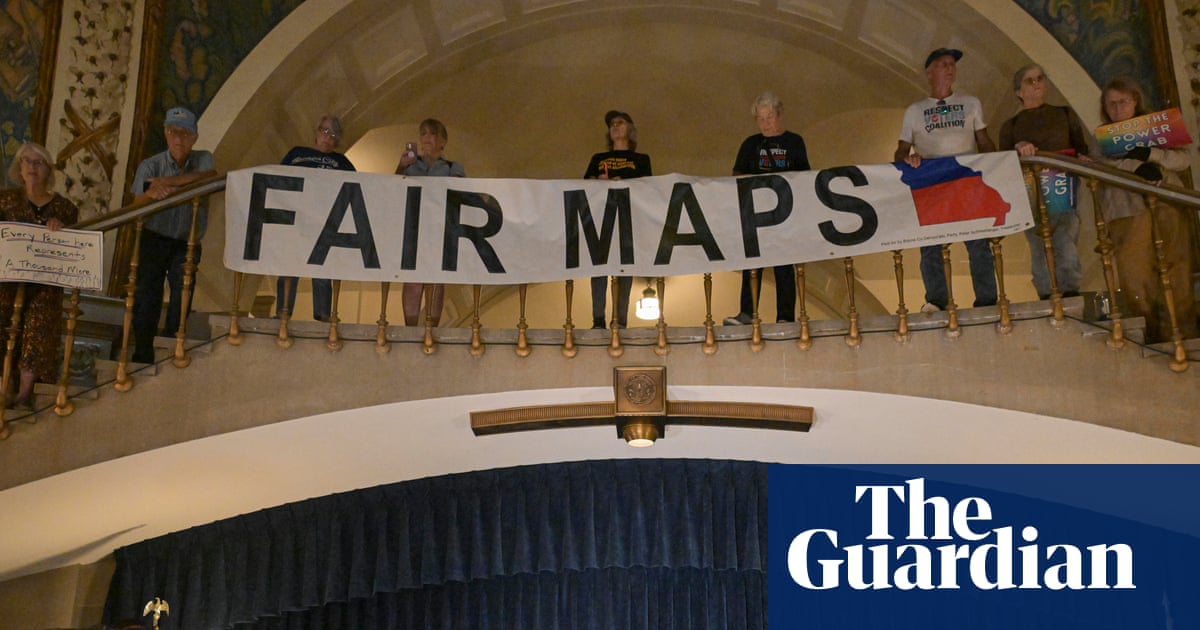
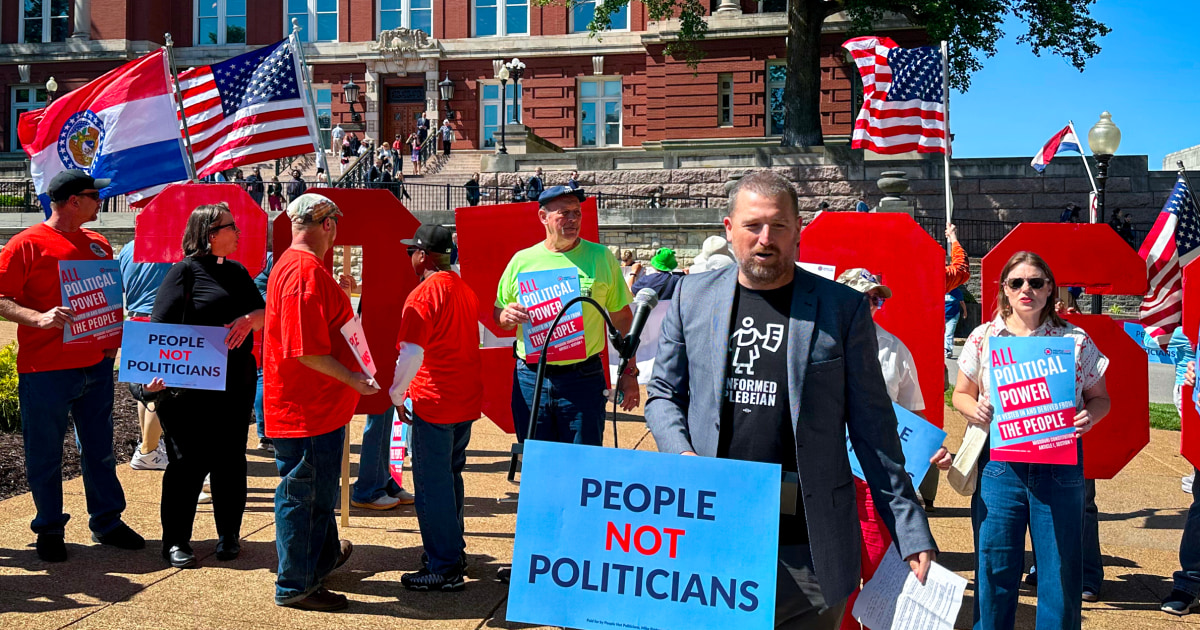
A group called People Not Politicians Missouri, led by Richard von Glahn, gathered signatures in support of a state referendum that would veto the Legislature’s map and put it on hold for the 2026 election.
asserted
that → call → election
But Missouri Secretary of State Denny Hoskins, a Republican, refused to put the measure on the ballot, arguing that redistricting plans are not subject to being overturned by voters.
asserted
plans → refuse → voters
The Missouri Supreme Court found that Hoskins should not have rejected the plan, unanimously concluding there is nothing in state law that says redistricting plans are exempt from the referendum process.
asserted
plans → find → process
The referendum petition was “legal, sufficient and timely,” the court found.
asserted
court → find → ?
Under state law, whenever a proposed ballot initiative that overrides the Legislature is deemed valid, the law is automatically put on hold until after the people vote on it.
asserted
people → propose → it
The court also said any confusion caused by its ruling was a result of Hoskins’ delay in deciding whether the referendum could move forward.
uncertain
referendum → say → delay
Hoskins waited until the last minute to reject the proposal ahead of an Aug. 4 deadline and broke with the state’s typical process of putting a law facing a veto referendum on hold when enough signatures are submitted.
asserted
signatures → wait → hold
In the separate federal case, U.S. District Judge Stephen Clark, ruled that the state must use the map that people voted in during the primary.
asserted
people → rule → primary
Using the old map would violate the rights of candidates under the 14th Amendment’s equal protection clause and the provision of the Constitution that outlines how members of the House are elected, he found.
asserted
he → use → House
Hoskins argued at the Supreme Court that the state court ruling violated the U.S. Constitution’s elections clause, which he said delegates significant powers to state legislatures in overseeing elections.
asserted
he → argue → elections
The Supreme Court rejected a similar argument in a redistricting case from North Carolina in 2023.
asserted
Court → reject → 2023
Hoskins’ lawyers told the justices that the state court ruling had created chaos because the new map was used in this year’s primary election.
asserted
map → tell → election
If the state has to revert to the old map, “hundreds of thousands of Missourians will see their votes in the primary election rendered pointless,” they wrote.
asserted
they → have → election
Lawyers for the referendum supporters said in court filings that Hoskins was seeking at the Supreme Court a “political victory to which he was never entitled under the Missouri Constitution.”
In May, the Supreme Court rejected a similar attempt by Democrats in Virginia who sought to revive their own congressional map that had been approved by voters.
uncertain
that → say → voters
The Virginia Supreme Court had found legal flaws in the process that led to the referendum.
asserted
that → find → referendum
 The Aporia